
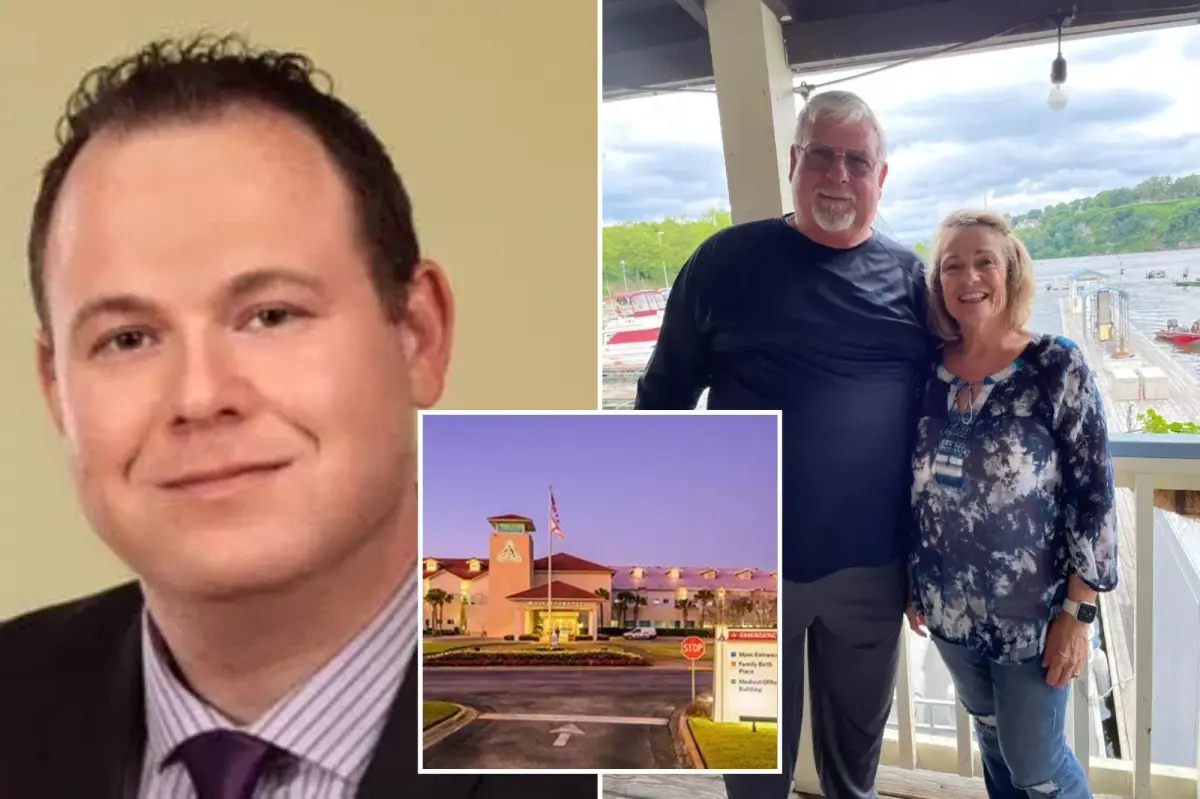
A fatal surgical error in Florida has led to criminal charges against a licensed physician, raising serious concerns about surgical oversight, medical accountability, and patient safety within hospital systems. Thomas Shaknovsky, a 44-year-old osteopathic doctor, has been indicted on a charge of second-degree manslaughter following the death of a 70-year-old patient in August 2024.
The case, which emerged after a two-year investigation, centers on allegations that the surgeon mistakenly removed the patient’s liver instead of the spleen during what was supposed to be a routine laparoscopic splenectomy. Authorities and medical regulators have since revealed a troubling pattern of prior surgical errors and questionable professional conduct that had already drawn scrutiny before the fatal incident occurred.
A Chaotic Operating Room and Critical Surgical Error
The incident took place at Ascension Sacred Heart Emerald Coast in Miramar Beach, where the patient had initially sought treatment for abdominal pain. According to official records, the patient was hesitant about undergoing surgery and initially declined the procedure. However, after reportedly being persuaded by Shaknovsky, he consented to a laparoscopic splenectomy, a procedure intended to remove the spleen.
The operation was scheduled late in the evening on August 21, 2024, after 5 p.m., a timing that raised immediate concerns among hospital staff. Reports indicate that the surgical team on duty was minimal, described as a “skeletal crew,” and lacked the full support typically required for complex procedures. Several staff members had also reportedly expressed doubts about Shaknovsky’s level of experience and skill in handling such surgeries, particularly under emergency conditions.
During the procedure, complications escalated rapidly. What began as a laparoscopic surgery was converted into an open procedure, though documentation reportedly failed to justify the change. As the operation progressed, the patient began to hemorrhage severely, and vital signs deteriorated, prompting an emergency response within the operating room.
Witness accounts describe a chaotic and uncontrolled environment. At one point, a megacolon reportedly ruptured upon opening the abdomen, significantly impairing visibility. Despite the worsening conditions, Shaknovsky allegedly continued the procedure without requesting essential surgical tools such as clamps or cauterization devices. Instead, he reportedly identified a pulsing vessel and proceeded to staple it, expressing concern to assisting staff with the remark, “That’s scary.”
Read : Prince Harry Will Accept the Pat Tillman Award Despite Repeated Advice to Decline
In a critical moment that would later become the focal point of the investigation, Shaknovsky removed an organ he believed to be the spleen. However, it was later determined that the organ removed was the patient’s liver. The misidentification shocked operating room staff, as the liver and spleen differ significantly in size, structure, color, and anatomical position. Despite these distinctions, the surgeon allegedly continued under the assumption that he had performed the intended procedure.
Following the operation, Shaknovsky reportedly instructed staff to label the removed organ as a spleen for pathology analysis and attributed the patient’s death to a ruptured splenic artery aneurysm. However, a medical examiner later found no evidence supporting that claim. Despite extensive resuscitation efforts, the patient was pronounced dead.
Conflicting Accounts and Claims of Abnormal Anatomy
In statements made after the incident, Shaknovsky denied wrongdoing and maintained that the patient’s anatomy was highly abnormal. He claimed that the spleen was enlarged and that the liver had shifted into an unusual position, contributing to the confusion during surgery. He also stated that he had been operating under extreme pressure due to the patient’s deteriorating condition and the chaotic circumstances in the operating room.
However, these claims have been met with skepticism by investigators and medical authorities. Witnesses present during the surgery provided accounts that contradicted Shaknovsky’s version of events, describing a lack of control, inadequate communication, and questionable decision-making throughout the procedure. The emergency application filed by Florida health officials highlighted these discrepancies, emphasizing that the surgeon appeared unable to properly identify key anatomical structures during a critical phase of the operation.
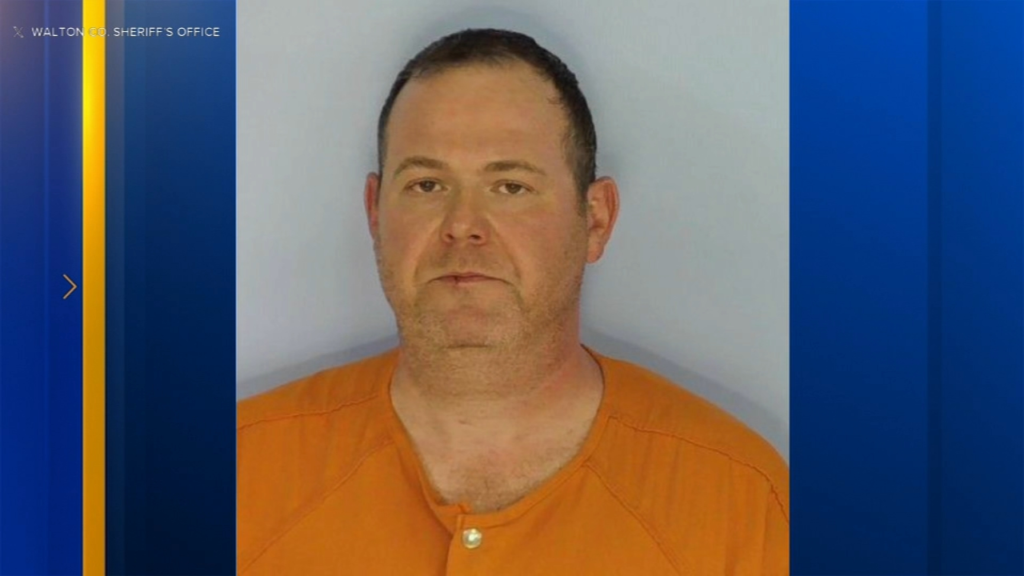
Hospital representatives later clarified that Shaknovsky was not an employee of the facility and had not practiced at any of their locations since the time of the incident. The institution distanced itself from the case while reiterating its commitment to maintaining high standards of patient care and safety.
The legal case progressed as a grand jury reviewed the evidence and returned an indictment for second-degree manslaughter. Law enforcement officials stated that the decision to pursue criminal charges reflects the severity of the alleged negligence and the need for accountability in cases involving preventable medical errors.
Shaknovsky was arrested and booked into the Walton County Jail, where he remains held on a $75,000 bond. Authorities have emphasized that the case will now proceed through the judicial system, where evidence and testimony will be examined in detail.
A Pattern of Surgical Mistakes and License Suspensions
The fatal surgery was not an isolated incident in Shaknovsky’s professional history. Records from multiple state medical boards reveal a pattern of prior surgical errors that had already raised concerns about his competence and judgment. Just two months before the fatal procedure, Shaknovsky reportedly performed an adrenalectomy on a 58-year-old patient but removed part of the pancreas instead of the intended adrenal gland. In that case, he later claimed that the adrenal gland had “migrated,” an explanation that was viewed critically by medical regulators. The patient suffered permanent harm as a result of the error.
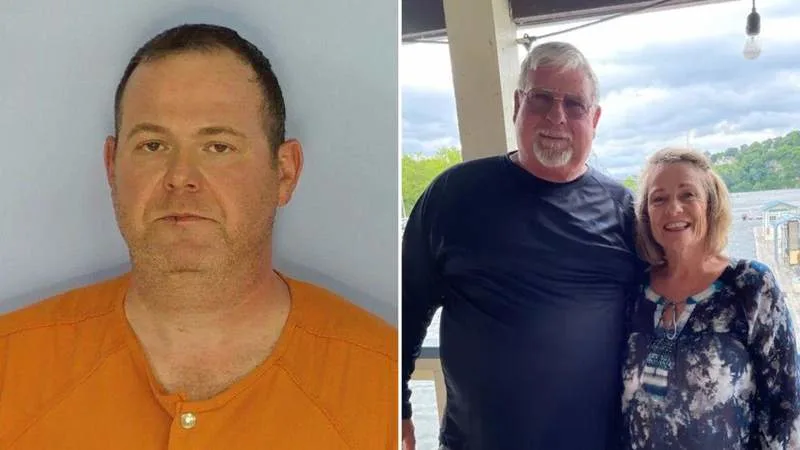
This incident prompted the Florida Department of Health to take emergency action, leading to the suspension of his medical license in September 2024. Similar actions were taken in other states where he was licensed to practice. In Alabama, where he had held a license since 2016, authorities filed a complaint citing the fatal Florida case and concerns about patient safety. The Alabama Medical Licensure Commission concluded that he posed an immediate danger to the public, resulting in the temporary suspension of his license. He later surrendered that license in November 2024.
Further investigations uncovered additional surgical mistakes dating back to 2023. In one case, Shaknovsky was scheduled to perform an ileostomy but instead carried out a bowel resection, leading to a perforation. The patient required intensive care and later died. This incident added to a growing list of serious complications associated with his procedures.
His medical license in New York, which he had held since 2015, was also suspended in 2025, effectively ending his ability to practice medicine across multiple states. Regulatory documents describe a “checkered” professional history marked by repeated deviations from standard surgical protocols and failures in clinical judgment.
The accumulation of these incidents played a significant role in building the case against him, as investigators sought to determine whether the fatal 2024 surgery was part of a broader pattern of negligence rather than an isolated mistake. The involvement of multiple state agencies and medical boards underscores the seriousness with which the allegations have been treated.
As the legal proceedings move forward, the case continues to draw attention to systemic issues within healthcare, including the monitoring of physician performance, the reporting of medical errors, and the mechanisms in place to prevent practitioners with a history of serious mistakes from continuing to operate. The outcome of the trial is expected to have implications not only for the individuals involved but also for broader discussions about patient safety and accountability in the medical profession.
As a Newbie, I am permanently searching online for articles that can benefit me. Thank you
Greetings! I know this is kinda off topic however I’d figured I’d ask. Would you be interested in trading links or maybe guest writing a blog article or vice-versa? My blog addresses a lot of the same subjects as yours and I feel we could greatly benefit from each other. If you happen to be interested feel free to send me an email. I look forward to hearing from you! Fantastic blog by the way!
Looking for top-tier CBD products to elevate your health? You rump https://www.cornbreadhemp.com/collections/adaptogen-drinks directly from our desire CBD entrepot and enjoy the profit of pure CBD oil and organic fertilizer pull out. Every batch of CBD is lab-tested, everlasting, and formulated to slenderize casual emphasize patch advance mental lucidity. Whether you need a aurora CBD hike up or even out CBD loosening, our cleanse CBD recipe gibe your quotidian utterly. break high-quality CBD instill, CBD gummies, and CBD topicals reinforced for upper limit absorption. Shop CBD online nowadays for fast shipping!