
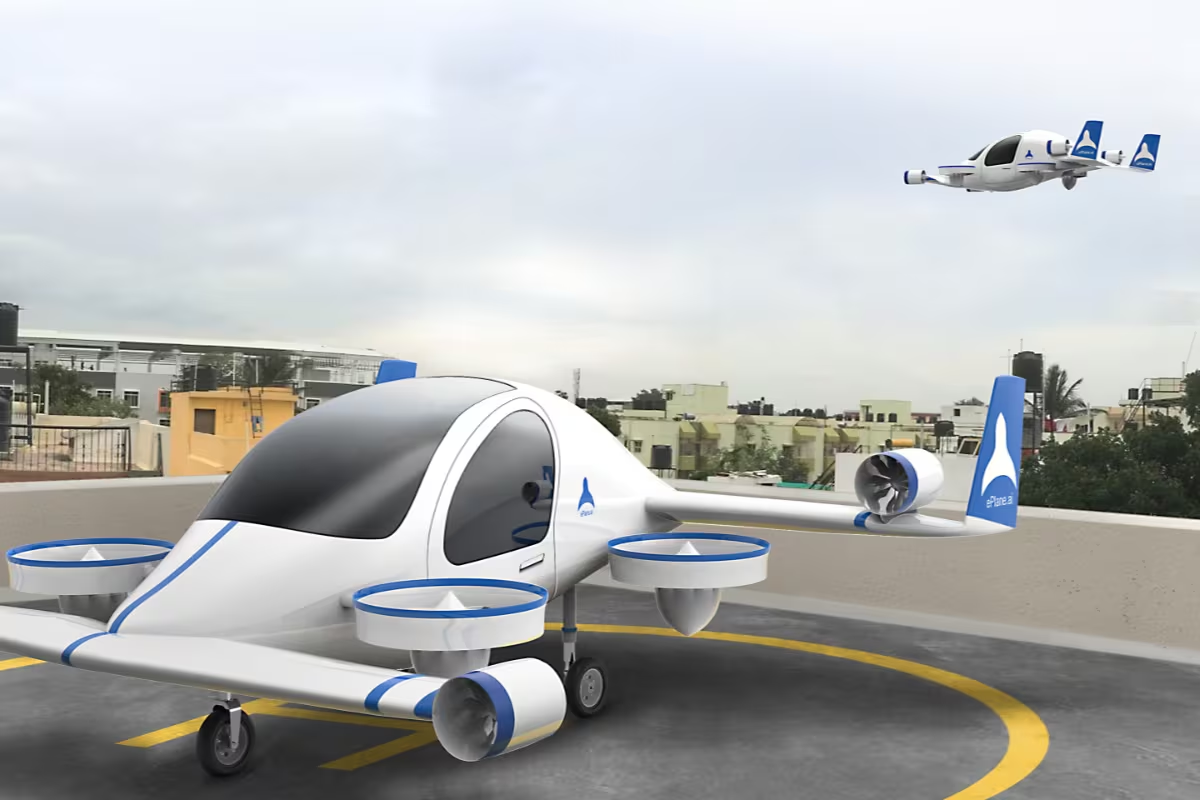
The prospect of flying taxis revolutionizing urban commuting in India is no longer a distant dream. With advancements in eVTOL (electric vertical take-off and landing) technology and infrastructure development underway, flying taxis promise to reshape the future of personal air mobility.
According to Kanika Tekriwal, founder of JetSetGo, these airborne innovations will offer a cost-effective and efficient commuting solution, comparable to the affordability of Uber rides.
The Vision of Flying Taxis in India
India is on the brink of a transportation revolution as infrastructure for this taxis takes shape. Drawing parallels with the historical transition of cars from luxury items to widely accessible commodities, Tekriwal envisions a similar trajectory for personal air mobility. She emphasizes that affordability is the cornerstone of success for flying taxi.
Forty to fifty years ago, car ownership was limited to the wealthy elite. Today, nearly 40% of the global population can afford cars. Similarly, flying taxis and personal air vehicles are expected to become more accessible over time.
Read : People Panic After Mysterious UFO Caught Hovering Above Capitol Hill: Watch
By reducing a 45-minute car journey to a mere five-minute flight, flying taxis equipped with eVTOL technology aim to offer faster, more efficient commutes.
Read : 100-Million-Year-Old Flying Reptile That Existed in the Age of Dinosaurs Discovered in Australia
Tekriwal highlights that owning such vehicles will cost between $200,000 and $300,000, while ride fares will be on par with Uber rates for similar distances. This affordability will make flying taxis a practical option for urban commuters, bridging the gap between luxury and necessity.
India’s Potential for Airborne Innovation
Flying taxis represent an innovative leap in India’s transportation sector, with transformative potential beyond urban commuting. Currently, airlines in India connect only 160 out of 1,000 cities.
Flying taxis could significantly improve this connectivity, allowing aircraft to operate from unconventional locations like parking lots or smaller urban spaces. The aviation industry is known for its capital-intensive nature, requiring billions of dollars for infrastructure like airports.
However, new technologies are reducing costs, with smaller aircraft capable of operating on shorter runways. In India, where cities are densely populated and traffic congestion is a daily challenge, flying taxis could redefine accessibility and convenience.
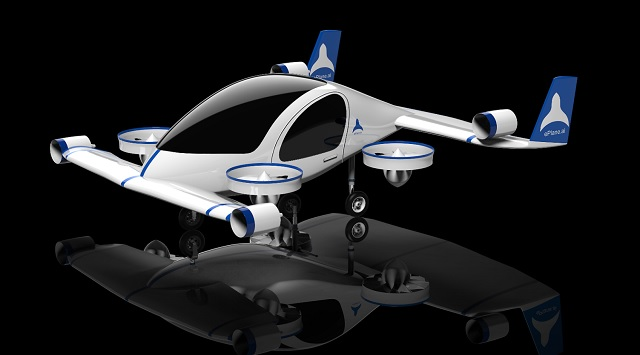
Dubai serves as an example of how urban landscapes can adapt to such innovations. Tekriwal notes that flying cars and taxis could soon become a reality in Dubai’s airspace, particularly over Sheikh Zayed Road.
This shift showcases the feasibility of integrating personal air mobility into cityscapes with minimal disruption, offering valuable insights for India’s adaptation.
The Roadmap to Success for Flying Taxis
The success of personal air mobility hinges on scalability and market size rather than exclusivity. Tekriwal predicts that in the next four to five years, flying taxis will become a common sight in urban areas, offering affordable solutions to traffic woes. This scalability will ensure that the technology is not limited to a niche market but becomes a widespread phenomenon.
eVTOL technology is central to this vision, enabling vertical take-off and landing in compact spaces. This capability aligns with the need for efficient urban commuting, reducing the dependency on expansive infrastructure. By operating from smaller areas and eliminating the need for traditional runways, eVTOLs will integrate seamlessly into existing urban frameworks.
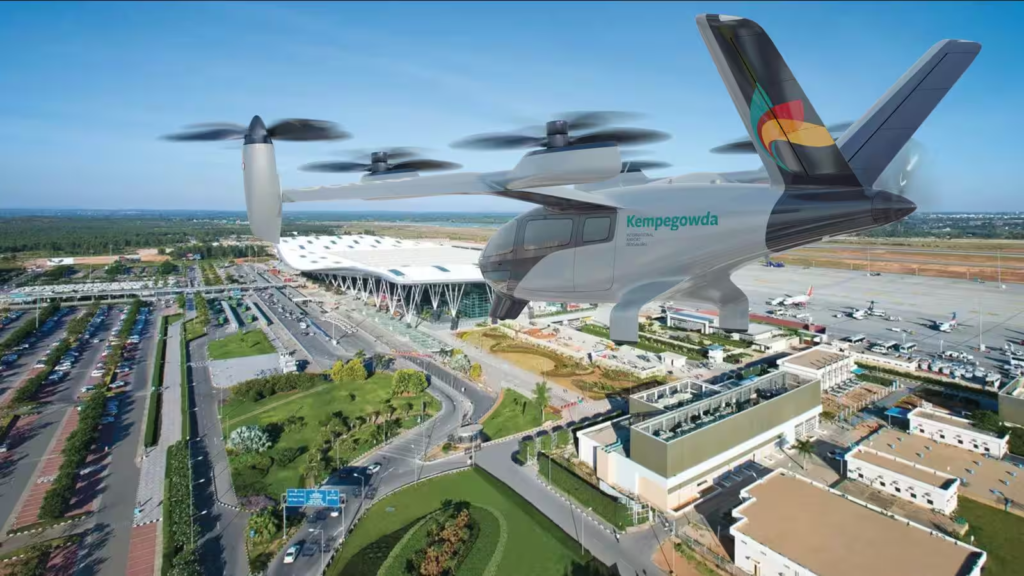
Affordability will also play a crucial role. By aligning the fare structure with Uber’s pricing, flying taxis aim to attract a diverse customer base. This competitive pricing strategy will make the technology appealing to a broad demographic, fostering rapid adoption and growth.
Flying taxis hold the promise of transforming India’s transportation landscape, offering an affordable and efficient alternative to traditional commuting. With infrastructure development already underway and eVTOL technology poised to become a reality, India is set to embrace a new era of personal air mobility.
As Tekriwal aptly puts it, the future of flying taxis mirrors the journey of cars from exclusivity to accessibility. By making flying taxis as affordable as Uber rides, India is not just dreaming of innovation but actively building the foundation for a revolution in urban transportation.