

In a stark reminder of the double-edged sword that sudden wealth can be, 39-year-old Adam Lopez, a forklift driver from the small village of Mattishall in Norfolk, England, has been hospitalized following an intense three-month period of celebration after winning over £1 million in the National Lottery. The incident, which occurred on September 10, 2025, underscores the health risks associated with rapid lifestyle changes post-lottery win.
Adam Lopez, who saw his bank balance surge from £12.40 to £1,000,012.40 in July, was rushed to Norfolk and Norwich University Hospital where he was diagnosed with a bilateral pulmonary embolism—a serious condition involving blood clots in both lungs. This event has prompted Lopez to reflect publicly on the perils of unchecked excess, serving as a cautionary tale for other winners navigating newfound fortune. The case highlights a pattern observed among lottery recipients worldwide, where initial euphoria often gives way to physical and mental strain if not managed carefully.
According to reports from the National Lottery and subsequent interviews with Lopez, his hospitalization stemmed directly from “burning the candle at both ends” during nonstop partying. Medical experts note that such behaviors can exacerbate underlying health issues, leading to emergencies like pulmonary embolisms, which occur when clots from the legs travel to the lungs, impairing breathing and circulation. Adam Lopez’s experience, detailed in statements to the BBC and other outlets, emphasizes the importance of routine and moderation even amid financial windfalls. As investigations into his case continue, authorities and lottery officials are reviewing support protocols for winners to prevent similar outcomes.
The Unexpected Windfall: From Scratch-Off to Millionaire Status
Adam Lopez’s journey to millionaire status began on an ordinary day in July 2025. The 39-year-old builder and forklift driver stopped at a corner shop in Hellesdon, near Norwich, to grab a drink. On a whim, he purchased five £5 scratch-off tickets from The National Lottery, a decision that would transform his life overnight. As he scratched the cards in his car, Lopez uncovered the staggering £1 million prize on one of them. “When I saw the £1M, I didn’t know what to do with myself, so I shoved the scratchcard in the glovebox without even thinking,” he later recounted to lottery officials.
Verification came swiftly. A call from The National Lottery confirmed the win, turning Lopez’s modest £12.40 balance into £1,000,012.40—a seven-figure sum that included interest accrued during processing. The moment was electric for Lopez and his family. His mother, overjoyed, reacted with uncontainable excitement, describing it as a “pinch me” reality. For Lopez, a hardworking everyman from a quiet rural area, the win represented escape from financial drudgery. He had been scraping by on his forklift job, with no grand savings or investments to speak of. The prize money arrived via direct deposit, instantly elevating his socioeconomic standing.
In the immediate aftermath, Adam Lopez focused on family. He treated loved ones to long-dreamed-of luxuries, including brand-new Range Rover vehicles for himself and his mother—high-end SUVs symbolizing stability and comfort. A lavish family vacation to Barbados followed, complete with sun-soaked beaches and upscale accommodations, providing a much-needed respite from Norfolk’s overcast skies. These gestures, Lopez explained, were about sharing the joy rather than hoarding it. “It was the most surreal moment when the lady from the National Lottery confirmed that I was a millionaire,” he said, capturing the disbelief that accompanied his elevation.
Read : James Farthing Who Won $167m in Powerball Lottery Arrested the Next Day for Kicking A Cop
However, the win also prompted a pivotal decision: Lopez quit his job. Eager to explore possibilities without the constraints of daily labor, he stepped away from the forklift and construction sites that had defined his routine for years. At the time, it seemed liberating—a chance to redefine success on his terms. Lottery data indicates that around 70% of UK winners make significant life changes within the first month, often including career shifts. For Adam Lopez, this meant freedom to indulge in experiences previously out of reach, setting the stage for the excesses that would follow. The National Lottery, which has disbursed billions since 1994, offers financial advice to winners, but Lopez’s rapid departure from work bypassed the structure such guidance often recommends preserving.
Read : Woman Finds Over 2,150 Middle Ages Silver Coins in Czech Town
This phase of the win illustrates the initial high of lottery success: unbridled opportunity. Yet, as Adam Lopez would soon learn, the absence of daily anchors like employment can accelerate a slide into unstructured living. His story aligns with broader statistics from the lottery industry, where winners report heightened stress from decision-making overload in the early months. By August, what started as grateful splurges had evolved into a full-throttle pursuit of novelty, marking the transition from windfall to whirlwind.
Descent into Excess: Partying Takes Center Stage
What began as innocent celebration quickly escalated into a three-month binge for Adam Lopez. Freed from his job and flush with cash, the 39-year-old dove headfirst into a lifestyle of nonstop socializing and indulgence. “It’s allowed me to live a bit of a life I’ve never lived,” Lopez admitted in interviews, but he quickly added, “I think I went the wrong way about it.” The partying, which he described as an “absolute rollercoaster,” involved frequent nights out in Norwich’s pubs and clubs, lavish dinners, and spontaneous getaways with friends. Alcohol flowed freely, and late nights became the norm, eroding the sleep and self-care habits Lopez had maintained as a working-class family man.
By mid-August, the routine—or lack thereof—had taken its toll. Lopez confessed to “burning the candle at both ends,” a phrase that encapsulates the relentless pace. Without the discipline of work shifts, days blurred into evenings of excess. He hosted gatherings at his upgraded home, treated acquaintances to rounds at high-end bars, and chased adrenaline through extended social marathons. The Barbados trip, initially a family highlight, extended into solo extensions with mates, amplifying the hedonism. “It was enjoyable until my health became an issue,” Lopez reflected, pinpointing the shift around early September when fatigue set in.
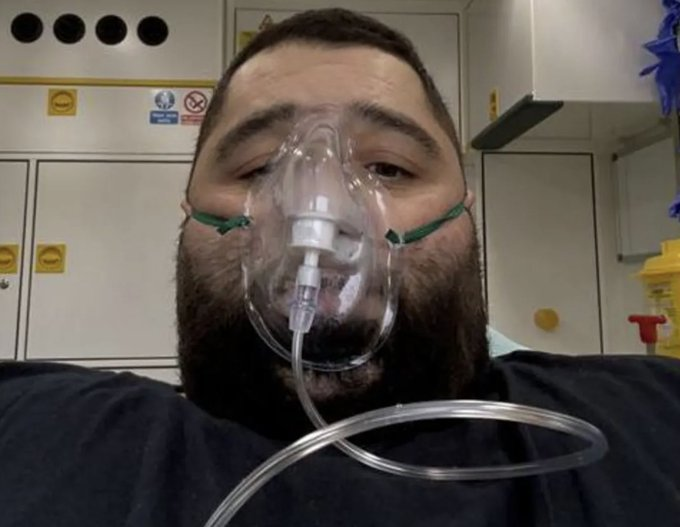
Medical context reveals why this trajectory proved dangerous. Prolonged partying, especially involving dehydration from alcohol and irregular eating, heightens risks for circulatory problems. Lopez first noticed symptoms three weeks before his collapse: swelling and pain in his leg, indicative of a deep vein thrombosis (DVT). Unbeknownst to him, a blood clot had formed there, a common but silent threat in sedentary or stressed individuals. Ignoring initial discomfort in favor of more outings, Lopez continued until the clot dislodged, traveling to his lungs and causing the bilateral pulmonary embolism on September 10.
Ambulance sirens marked the abrupt end to the revelry. Rushed to Norfolk and Norwich University Hospital, Lopez arrived in critical condition, unable to walk or breathe properly. The diagnosis was grim: clots blocking blood flow to both lungs, a potentially fatal event requiring immediate intervention with anticoagulants and monitoring. He spent eight and a half days in the facility, isolated from the world he had partied through. Family, particularly his mother, endured a harrowing vigil, with Adam Lopez later calling it “such a hard time” for them all.
This episode exposes the vulnerabilities of post-win excess. Studies on lottery winners, including a 2023 UK report, show that 40% experience health declines within the first year due to disrupted routines and increased substance use. Lopez’s case fits neatly: quitting work severed his anchor, fostering isolation masked by crowds. He later lamented the “complete disconnect” from his prior life, a sentiment echoed by counselors who advise winners to phase out changes gradually. The partying phase, while tempting, stripped away safeguards, turning celebration into crisis. As Lopez recovered, the hospital stay forced a reckoning with how quickly fortune can flip from blessing to burden.
A Sobering Recovery: Lessons from the Edge
Emerging from Norfolk and Norwich University Hospital after more than eight days, Adam Lopez faced not just physical rehabilitation but a profound reevaluation of his priorities. Discharged in late September 2025, the 39-year-old described the ordeal as a “massive wake-up call” and “kick up the backside.” Surrounded by what he called “angels” in the form of dedicated NHS staff, Lopez endured oxygen therapy, blood thinners, and strict mobility restrictions. “I couldn’t walk, I couldn’t breathe,” he recalled starkly, emphasizing the terror of helplessness despite his millions.

Recovery has been methodical. Doctors prescribed six to nine months of anticoagulation treatment to prevent further clots, alongside lifestyle mandates: regular exercise, hydration, and alcohol moderation. Lopez, now back home in Mattishall, has recommitted to structure. He regrets quitting his job outright, viewing it as the catalyst for his unraveling. “I lost the structure to my life and day-to-day living,” he told reporters, signaling plans to return to work—perhaps part-time—to regain rhythm. Family support has been crucial; his mother’s presence during the hospital stay reinforced bonds strained by his absences.
Lopez’s reflections carry weighty advice for fellow winners. “No matter how much money you have—a million, 100 million, a billion—when you’re in the back of the ambulance, none of it matters,” he stated, distilling the episode’s core truth. He advocates seeking professional guidance early, including financial planners and therapists, to navigate the psychological pitfalls of wealth. The National Lottery has since reiterated its winner support services, which include health referrals, though uptake remains voluntary.
Broader implications ripple outward. Lopez’s story bolsters calls for enhanced post-win protocols in the UK, where over 6,000 millionaires have been minted since 1994. Advocacy groups like the Winners’ Circle push for mandatory wellness checks in the first 90 days. For Lopez, normalcy beckons: quiet evenings with family, measured outings, and perhaps investing in community projects in Norfolk. His Range Rovers sit idle, symbols now of lessons learned rather than unchecked thrill.
As of October 6, 2025, Lopez reports steady progress, walking unaided and eyeing the future with tempered optimism. This hospitalization, while harrowing, has pivoted him from peril to purpose, reminding all that true wealth lies in balance, not bank accounts.
References:
Buy oral steroids online
References:
https://stackoverflow.qastan.be/?qa=user/nephewdanger1
References:
High noon casino
References:
https://postheaven.net/slipmilk7/online-casino-instant-auszahlung-01-2026-testbericht-bonusdetails-and-fazit
References:
Anabolic muscle growth
References:
https://www.1ffc-chemnitz.de/News/index.php/;focus=STRATP_com_cm4all_wdn_Flatpress_42454440&path=?x=entry:entry240519-083510%3Bcomments:1