

China has formally charged AstraZeneca’s former regional head Leon Wang, marking a significant development in a prolonged investigation that has drawn global attention to the pharmaceutical giant’s operations in one of its most important markets. The charges follow more than a year after Wang was detained by Chinese authorities amid broader probes into alleged irregularities linked to the company’s business practices.
AstraZeneca confirmed the indictment on February 11, shortly after disclosing that Chinese prosecutors had already charged two former senior employees in late 2024 in connection with related offenses. The allegations include unlawful collection of personal information, illegal trade, and medical insurance fraud — claims that reflect both regulatory scrutiny and wider concerns over compliance in China’s healthcare sector.
The investigation has unfolded against the backdrop of AstraZeneca’s substantial commercial presence in China, a market central to its global growth strategy. The company has invested heavily in research, partnerships, and market expansion within the country, making developments involving its leadership particularly consequential for investors, regulators, and industry observers.
While AstraZeneca has sought to contain the impact through leadership restructuring and financial adjustments, the case underscores the complex regulatory landscape facing multinational pharmaceutical firms operating in China. The charges against Wang represent not only a legal milestone but also a critical moment in the evolving relationship between foreign drugmakers and Chinese authorities.
Details of the Charges and the Scope of the Investigation
The charges brought against Leon Wang form part of a broader investigation by Chinese prosecutors into AstraZeneca’s operations, particularly concerning compliance with healthcare regulations and data management laws. Authorities allege that Wang and other individuals were involved in the unlawful collection of personal information, which has become an increasingly sensitive issue as China strengthens oversight of data privacy and medical records.
The enforcement of data protection standards has intensified in recent years, with regulators paying closer attention to how pharmaceutical companies handle patient information, prescription data, and insurance records. In addition to data-related concerns, prosecutors have charged Wang in connection with illegal trade activities. Although specific operational details have not been publicly disclosed in full, the investigation has reportedly examined the importation of cancer drugs from Hong Kong and their handling within mainland China.
The movement of pharmaceutical products across jurisdictions is subject to strict regulatory controls, and any deviation from approved channels can trigger significant legal consequences. Such allegations indicate that investigators are scrutinizing both supply chain practices and compliance with import regulations governing high-value specialty medicines. Medical insurance fraud constitutes another major component of the case.
China’s public medical insurance system plays a central role in the financing of healthcare services, and authorities have intensified efforts to prevent abuse of reimbursement mechanisms. Investigations into fraudulent claims, pricing irregularities, or improper billing practices have become a priority for regulators seeking to control costs and maintain system integrity. The inclusion of medical insurance fraud among the charges suggests that the probe extends beyond administrative violations to potential financial misconduct affecting public healthcare funds.
Read : Who Is Zifan Wang, the Meta AI Scientist Denied US Re-Entry Following Visit to China?
AstraZeneca disclosed earlier that two former employees — a former executive vice-president and a former senior staff member — were charged in November on similar grounds. The company did not publicly identify them at the time, but their prosecution indicates that authorities are pursuing accountability across multiple levels of management. The coordinated nature of these charges suggests a comprehensive investigation rather than isolated enforcement actions.
Read : Tourists in Spain Being Sprayed with Water in Protest of Mass Tourism
The company has acknowledged that it prepaid approximately US$3.5 million in compensation related to unpaid import taxes, while also warning that additional fines could be imposed depending on the outcome of the legal process. Such financial adjustments reflect attempts to address regulatory concerns while limiting potential liabilities. However, the ongoing nature of the proceedings means that the full legal and financial implications remain uncertain.
The case highlights the increasingly stringent regulatory environment confronting multinational pharmaceutical firms operating in China. Authorities have demonstrated a willingness to pursue high-profile investigations involving foreign corporations, particularly in sectors closely tied to public health, data governance, and financial oversight. For AstraZeneca, the charges against Wang represent one of the most prominent legal challenges it has faced in the Chinese market.
Corporate Response and Leadership Changes Within AstraZeneca
The detention of Leon Wang in October 2024 triggered immediate reactions in financial markets, with AstraZeneca’s share price falling sharply following news of the investigation. Investor concern centered on the potential scale of regulatory penalties and the possibility of operational disruptions in a market that contributes significantly to the company’s global revenue. The probes into alleged medical insurance fraud and drug import practices raised questions about compliance structures and risk management within AstraZeneca’s China operations.
In response, the company moved to overhaul its local leadership structure. A new international executive vice-president was appointed in December 2024 to replace Wang, signaling an effort to stabilize management and reassure stakeholders. Leadership transitions in large multinational corporations often reflect both operational necessity and strategic positioning, particularly when regulatory investigations threaten business continuity. By restructuring its leadership team, AstraZeneca aimed to demonstrate responsiveness to the situation while maintaining its long-term presence in China.
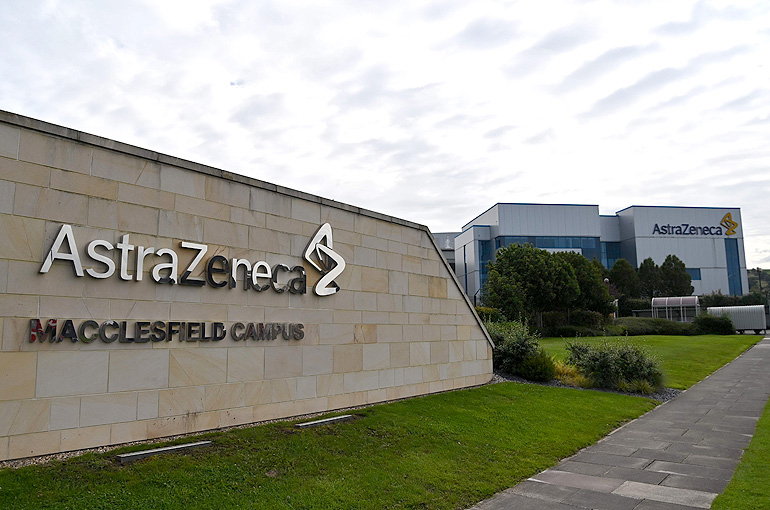
Despite the initial market turbulence, AstraZeneca’s stock performance later recovered. Investors appeared to interpret subsequent developments — including strong financial results and indications that the probes might have limited operational impact — as signs that the company could withstand the regulatory pressure. On February 11, AstraZeneca shares rose as much as 4 percent to a record high of £147.32 after the company projected steady profit growth for 2026. The rebound suggests that market participants have differentiated between legal uncertainty and broader corporate performance.
The company’s financial adjustments have also formed part of its response strategy. Prepayment of import-related compensation, along with disclosures about potential additional penalties, reflects efforts to address regulatory findings proactively. Such measures can serve to mitigate enforcement actions while demonstrating cooperation with authorities. However, the legal process involving Wang and other former executives continues independently of these financial settlements.
AstraZeneca’s corporate response has been shaped by the scale of its commitments in China. The country represents a major growth market for innovative medicines, particularly in oncology and chronic disease treatment. Maintaining regulatory compliance while expanding commercial operations has become a central challenge for multinational pharmaceutical firms, and AstraZeneca’s experience illustrates the complexity of balancing these priorities.
Leadership restructuring, financial adjustments, and continued operational investment indicate that the company is attempting to preserve its strategic position while navigating legal scrutiny. The effectiveness of these measures will likely depend on the outcome of ongoing proceedings and the regulatory expectations that emerge from them.
Implications for AstraZeneca’s China Strategy and the Pharmaceutical Sector
The charges against Leon Wang arrive at a time when AstraZeneca is deepening its investment commitments in China. In January, the company pledged US$15 billion in new commitments, underscoring its intention to expand research, manufacturing, and commercial activities in the country. It also signed a multi-billion-dollar licensing agreement with CSPC Pharmaceutical Group for weight loss drugs, highlighting continued collaboration with local partners.
Read : 15 Former NCAA Players Among 26 Charged in US-China Basketball Game-Rigging Scheme
Such investments demonstrate that China remains a central pillar of AstraZeneca’s long-term growth strategy despite regulatory challenges. The scale of the company’s commitments suggests confidence in the market’s potential and in the broader demand for advanced medical therapies. However, the legal proceedings involving former executives illustrate the risks associated with operating within a tightly regulated healthcare environment.
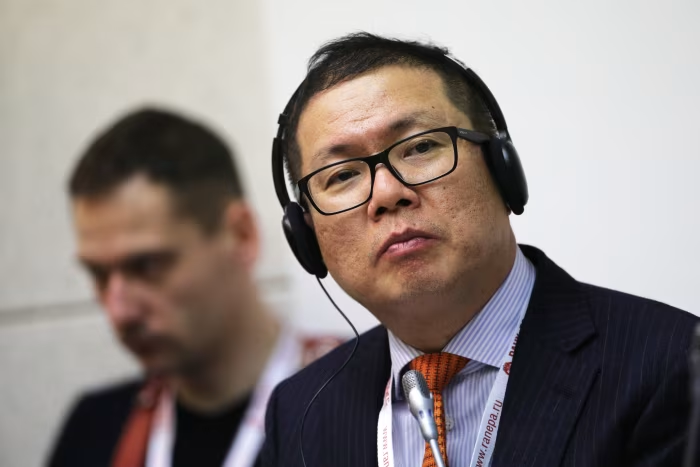
For the wider pharmaceutical industry, the case reflects evolving enforcement priorities in China. Authorities have intensified oversight of pricing practices, reimbursement systems, and data governance, particularly in sectors where public funding and patient information intersect. The enforcement of medical insurance regulations and import controls signals a determination to maintain strict supervision over the distribution and financing of medicines.
Multinational drugmakers have increasingly relied on China as a major source of revenue growth, driven by expanding healthcare coverage, rising demand for innovative therapies, and government support for medical development. At the same time, regulatory compliance requirements have grown more complex, encompassing data protection laws, anti-corruption measures, and financial transparency standards. Companies must navigate these requirements while maintaining operational efficiency and market competitiveness.
The AstraZeneca case also highlights the potential reputational implications of regulatory investigations. Legal proceedings involving senior executives can influence investor perceptions, partnership decisions, and policy discussions surrounding foreign corporate activity. Even when financial performance remains strong, prolonged investigations can shape strategic planning and risk assessment across the industry.
China’s regulatory approach toward foreign pharmaceutical firms appears to be evolving alongside broader healthcare reforms. Efforts to control costs, prevent fraud, and safeguard patient data have become integral components of policy implementation. The enforcement of these measures against high-profile multinational companies signals that regulatory scrutiny will likely remain a defining feature of the operating environment.
As AstraZeneca continues to expand its investments and partnerships in China, the legal proceedings against Leon Wang represent a pivotal moment in the company’s engagement with regulatory authorities. The outcome of the case may influence not only AstraZeneca’s future operations but also the expectations placed on other global pharmaceutical firms seeking to operate in one of the world’s largest healthcare markets.