
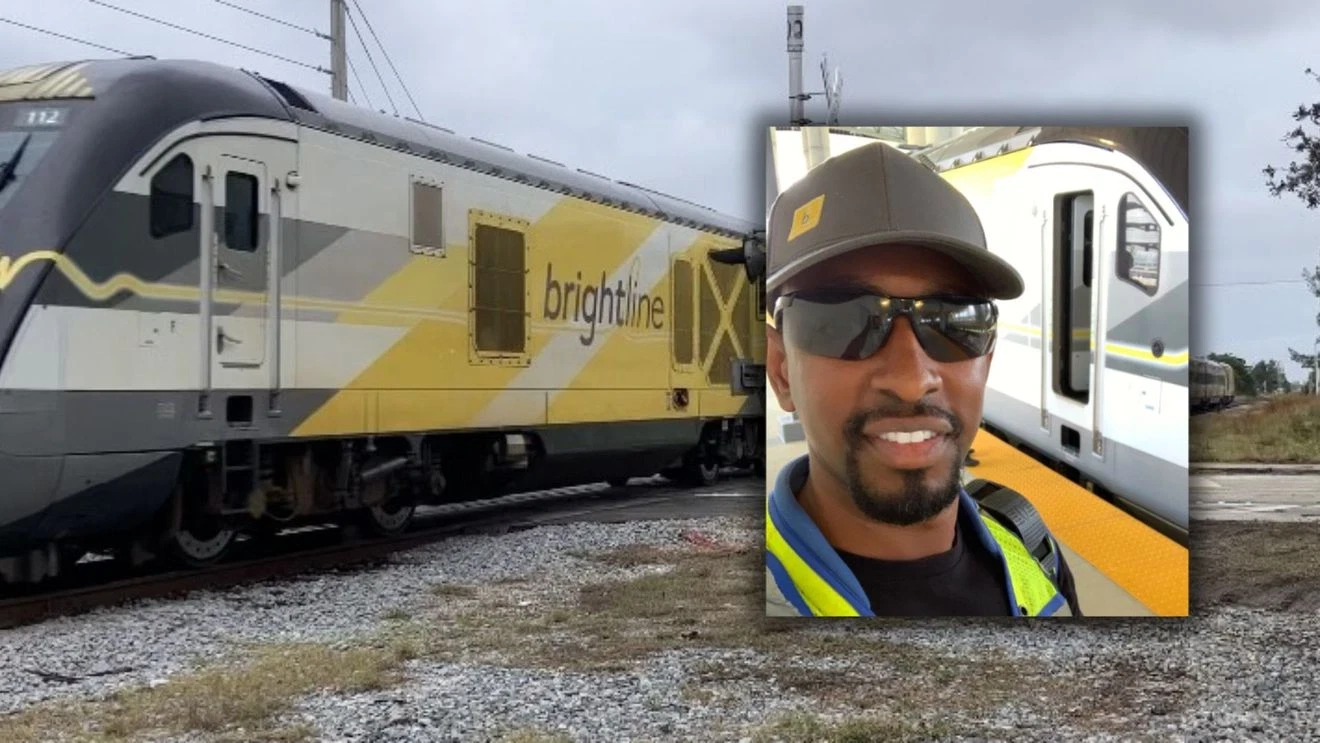
A former Brightline conductor has filed a federal lawsuit seeking $60 million in damages, alleging that years of repeated exposure to fatal train crashes along South Florida’s high-speed rail corridor left him with chronic post-traumatic stress disorder.
Darren J. Brown Jr., a West Palm Beach resident, worked as a Brightline conductor from 2018 to 2023 and claims his job duties routinely placed him at the center of traumatic scenes involving death, severe injury, and destruction, without adequate safeguards or mental health protections.
The lawsuit, filed this week in federal court in West Palm Beach, names Brightline Trains Florida LLC and its parent company, Fortress Investment Group LLC, and raises broader questions about workplace trauma, employer responsibility, and safety practices in high-speed rail operations.
Allegations of Repeated Trauma and Unsafe Practices
According to court records, Darren J. Brown Jr alleges that during his five-year tenure with Brightline he was involved in more than 10 traumatic incidents, including at least seven confirmed fatalities. The complaint states that many of these incidents involved vehicles or pedestrians struck by high-speed trains, resulting in catastrophic scenes with extensive physical destruction and loss of life. Brown contends that exposure to such incidents was not occasional or isolated, but instead became an expected and recurring part of his work experience.
Central to the lawsuit is the claim that Brightline failed to implement adequate safety protocols and trauma-response procedures for conductors and other frontline employees. Brown alleges that after fatal collisions, supervisors routinely ordered him to exit his train and walk through active crash scenes. These scenes allegedly included destroyed vehicles, fires, blood, and human remains. The complaint emphasizes that Brown had no medical, forensic, or emergency-response training, yet was required to navigate these environments without protective equipment, specialized clothing, or decontamination supplies.
One incident highlighted in the lawsuit describes a particularly disturbing allegation: while first responders were still present at an active fatality scene, a second Brightline train was allegedly cleared to pass through the area, running over a victim’s remains. Brown claims this event compounded the psychological harm he was already experiencing and illustrated what he characterizes as a systemic disregard for both employee well-being and scene integrity.
The lawsuit also alleges that Brightline’s operational culture normalized exposure to death and trauma. According to the complaint, conductors became so accustomed to fatal crashes that workers warned one another against requesting additional time off after such incidents, fearing retaliation or negative consequences for their careers. Brown claims that crash-related trauma became so common that employees jokingly referred to Friday wrecks as “golden tickets,” because a single approved mental health day following a collision could effectively result in a three-day weekend.
Read : Father of Alexander Rozos Sues Mission Hospital After Son Killed in Hit-and-Run by Hospital Employee
The complaint presents this language as evidence of a coping mechanism developed in response to what Brown describes as an inadequate and dismissive approach to mental health support. In addition to exposure at crash scenes, Brown alleges that extreme scheduling and on-call requirements contributed to exhaustion and emotional strain. The lawsuit claims supervisors enforced one-hour call times, making it difficult for employees to maintain normal rest patterns.
Read : Model Sues Cannes Film Festival Over Guard Assaulting Her on Red Carpet
According to court documents, some workers reportedly slept in their cars near terminals to ensure they could respond quickly when called, even though they were responsible for operating trains traveling at speeds of up to 125 miles per hour. Brown contends that chronic fatigue combined with repeated exposure to traumatic incidents significantly worsened his mental health.
Legal Claims Under FELA and FMLA
Brown filed the lawsuit under the Federal Employers’ Liability Act, a law that allows railroad workers to seek compensation for injuries caused by employer negligence. Unlike traditional workers’ compensation systems, FELA requires plaintiffs to show that an employer’s negligence played some role in causing their injury, but it also allows for broader recovery of damages, including pain and suffering.
Brown’s complaint argues that Brightline’s alleged failure to provide adequate safety measures, mental health support, and reasonable working conditions directly contributed to his development of PTSD, anxiety, and depression. The lawsuit also references the Family and Medical Leave Act, asserting that Brown sought medical leave after being diagnosed with chronic PTSD but was not granted appropriate accommodations. According to the complaint, Brown requested leave based on medical evaluations indicating that he needed time away from work to address his mental health condition.
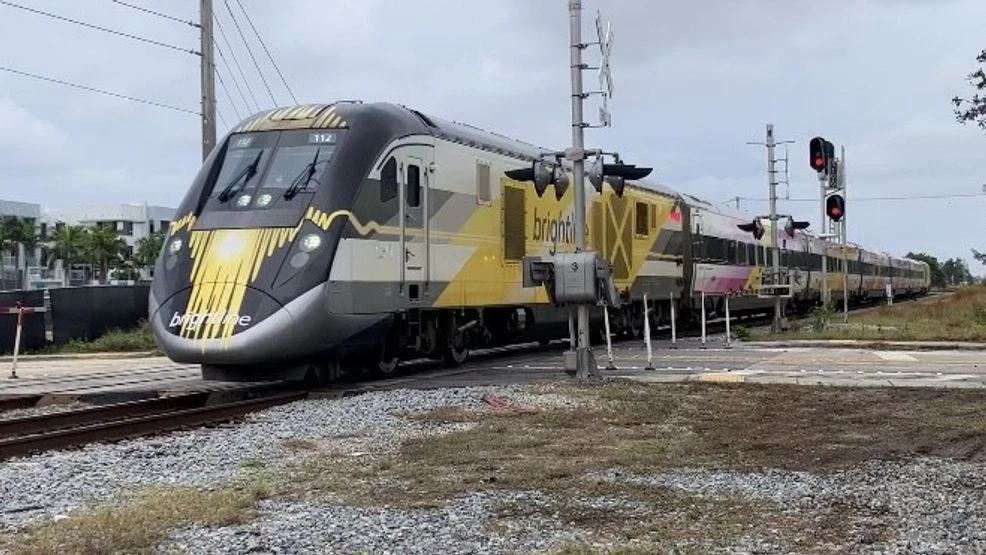
He alleges that Brightline either denied or failed to properly accommodate these requests, leaving him with no viable option other than resigning to protect his health. An employment law attorney, Gregory Sconzo of Palm Beach Gardens, provided commentary on the legal implications of the claims. Sconzo noted that denial of medical leave could potentially worsen an employee’s health condition, though he emphasized that the extent of harm would ultimately be a medical determination.
He also explained that under the Family Medical Leave Act, if a doctor certifies a serious health condition such as PTSD and recommends leave, eligible employees are entitled to up to 12 weeks of job-protected leave, even if that leave is unpaid unless an employer’s policy provides otherwise. Sconzo stated that the law guarantees that an employee’s job will be available upon return, provided the requirements are met.
Brown’s lawsuit seeks both financial damages and injunctive relief. In addition to the $60 million in damages, he is asking the court to order changes to Brightline’s safety practices and trauma-response policies. These requests suggest the case is not only about individual compensation, but also about prompting systemic reforms in how the company handles fatal incidents and supports employees who are exposed to them.
A Specific Crash and a Broader Pattern of Concern
One of the most detailed incidents described in the complaint occurred on Feb. 16, 2022, in Lake Worth Beach. Brown alleges that he was operating a Brightline train at nearly 80 miles per hour when it struck a vehicle that drove around lowered crossing gates. According to the lawsuit, the impact split the car in two. Brown claims he was then ordered to return to the wreckage, where he witnessed the driver, 55-year-old Luis Manuel Paez, crushed and screaming as emergency crews attempted to free him. Brown asserts that this incident continues to haunt him and represents a defining moment in the progression of his trauma.
Read : Family Sues KLM After Allegedly Being Bitten by Bed Bugs on Transatlantic Business-Class Flight
In October 2023, Brown was reportedly diagnosed with chronic PTSD by a clinician contracted by Brightline. The evaluation cited in the complaint allegedly found clinically significant PTSD, anxiety, and depression, noting that Brown had witnessed suicides and severe vehicle collisions during his employment. Despite this diagnosis, Brown claims he did not receive the accommodations or leave he needed to recover, ultimately leading to his resignation.
Brightline has denied wrongdoing and maintains that it operates in compliance with all applicable federal laws and regulations. In a statement provided by its Director of Media Relations, Ashley Blasewitz, the company said it is fully committed to the safety and well-being of train crews and goes beyond federal requirements in supporting employees with compassionate assistance and stress management options, including relief days.
The statement also emphasized that Brightline provides access to a dedicated team of outside health care professionals for individual mental health support, describing elements of the program as voluntary but available to those who wish to use them. The company further stated that it asks everyone, including motorists and pedestrians, to act safely and follow laws around train tracks, characterizing many of the fatal incidents as tragic but avoidable. Brightline has not been found legally liable for any of the more than 150 deaths linked to crashes along its rail corridor since service began in 2018.
The lawsuit emerges amid broader concerns raised by Brightline employees regarding mental health and safety. Earlier this year, train attendants voted to unionize, citing mental health support following fatal incidents as a major issue. That development suggests that Brown’s allegations may resonate beyond his individual experience and reflect wider dissatisfaction among frontline workers about how traumatic events are handled.
As the case moves forward in federal court, it is likely to draw attention from labor advocates, transportation safety experts, and the rail industry more broadly. The outcome could have implications not only for Brightline, but also for how rail operators nationwide address the psychological impact of fatal accidents on their employees. Whether Brown’s claims ultimately succeed will depend on how the court evaluates the evidence of negligence, medical harm, and employer responsibility under FELA and related laws, but the lawsuit has already intensified scrutiny of the human cost of operating high-speed rail in densely populated areas.
Keowin’s been buzzing around, heard good things from a mate. Planning on giving it a whirl this weekend. Heard their bonuses are pretty sweet! I’ll let you know how it goes. Check them out here: keowin