
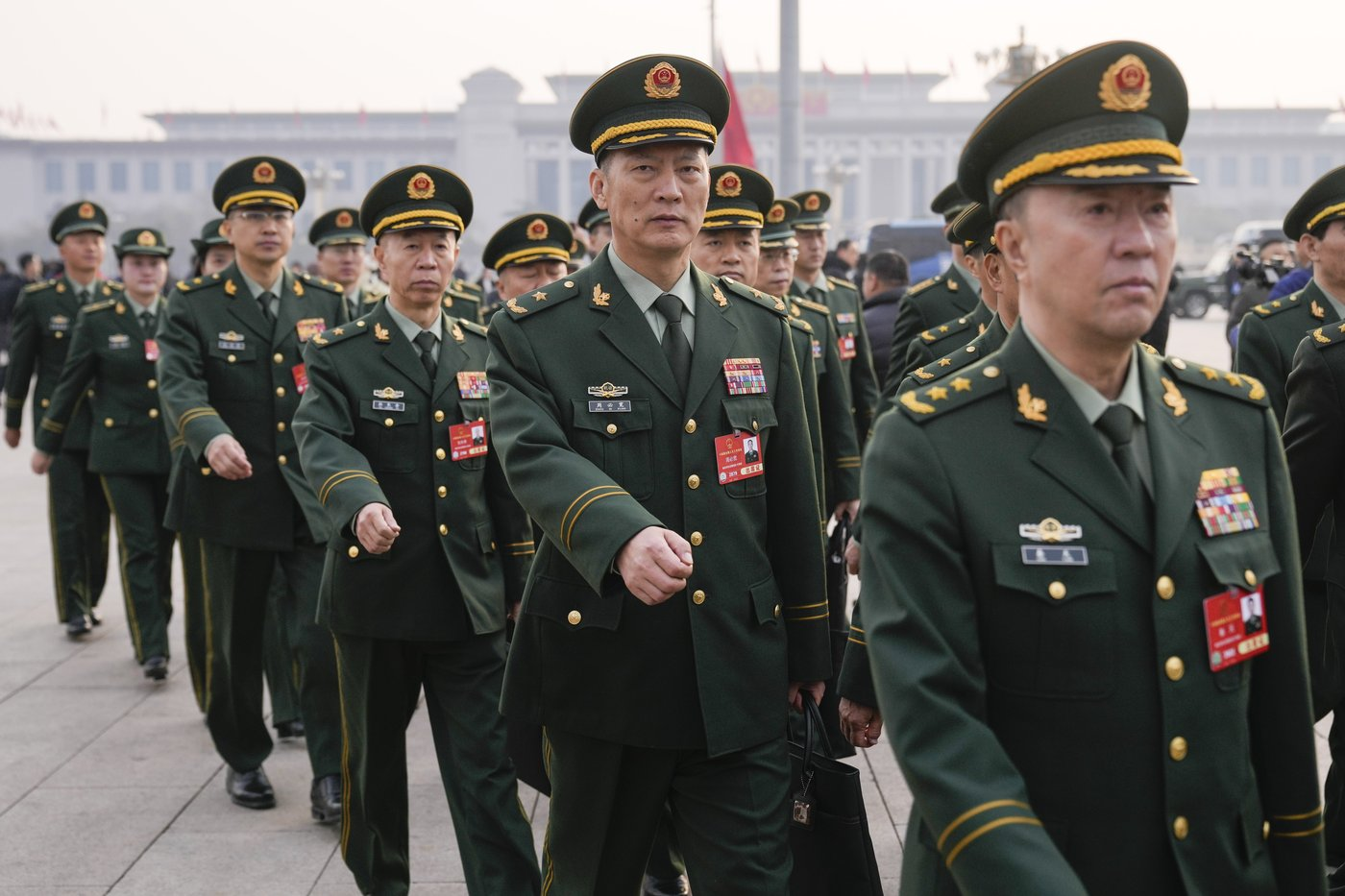
Four Canadians executed in China on drug-related charges have sparked outrage and deepened tensions between Ottawa and Beijing. Earlier this year, four Canadian nationals, who were also dual citizens, faced execution after being convicted of drug crimes in China.
While the identities of these individuals have not been disclosed, Canadian authorities have confirmed the news and expressed strong opposition to the death penalty. The executions have drawn criticism from human rights organizations and have intensified diplomatic strain between the two countries.
China’s Strict Drug Laws and Death Penalty Policies
China is known for its stringent laws on drug-related offenses, which often result in severe punishments, including the death penalty. The country has long maintained a zero-tolerance policy on drug trafficking and smuggling, imposing capital punishment on offenders found guilty of large-scale drug crimes.
According to Chinese authorities, the four Canadians were convicted based on “solid and sufficient” evidence, and the legal procedures were followed in accordance with Chinese law.
Despite Canada’s repeated calls for clemency, China proceeded with the executions, stating that it had fully guaranteed the rights and interests of the convicted individuals. The Chinese embassy in Canada also urged Ottawa to refrain from making “irresponsible remarks” and to respect China’s judicial sovereignty.
While the exact details of the crimes committed by the four Canadians remain undisclosed, Beijing has insisted that the legal process was fair and just. However, the use of the death penalty on foreign nationals is a rare occurrence, raising concerns about possible diplomatic implications.
The Canadian government, along with other international human rights organizations, has consistently condemned the use of the death penalty, particularly in cases involving foreign nationals.
Read : Saudi Arabia Executes Record 101 Foreigners Including 21 Pakistani and 3 Indian
Canada has long maintained a policy of opposing capital punishment in all circumstances, and its officials have worked to advocate for clemency in cases involving Canadian citizens abroad.
Read : Don’t Travel to China: Taiwan Warns Citizens After Execution Threat
Foreign Minister Mélanie Joly confirmed that she had been following the cases closely and had engaged in diplomatic efforts alongside former Prime Minister Justin Trudeau to prevent the executions. Despite these efforts, China remained firm in its decision, highlighting its commitment to enforcing strict drug laws without exceptions.
Diplomatic Fallout and Strained Relations Between Canada and China
The execution of four Canadians has further strained diplomatic relations between Canada and China, which have been tense for several years. The relationship between the two nations took a sharp downturn in 2018 when Canada detained Meng Wanzhou, a Chinese telecom executive, at the request of the United States for alleged violations of U.S. sanctions on Iran.
In response, China arrested two Canadian citizens, Michael Kovrig and Michael Spavor, on espionage charges. This episode, widely perceived as “hostage diplomacy,” created a significant rift between the two countries, leading to years of diplomatic challenges.
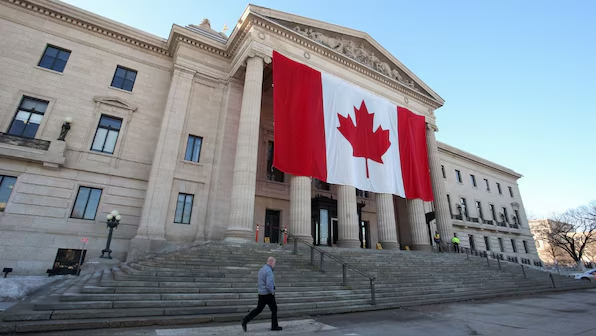
Although Meng Wanzhou was eventually released and returned to China in 2021, the trust between the two nations remained fragile. The recent executions have only exacerbated the situation, adding another layer of tension to the already strained relations.
Canada’s response to the executions has been strong, with officials denouncing the act as “inhumane” and calling for an end to capital punishment worldwide.
Meanwhile, human rights organizations such as Amnesty International Canada have expressed their dismay, calling the executions a “shocking and inhumane” act that further underscores the need for global advocacy against the death penalty.
In addition to the ongoing diplomatic tensions, Canada has raised concerns over China’s alleged interference in Canadian affairs. In 2023, reports surfaced about possible Chinese meddling in Canadian federal elections, with intelligence leaks suggesting covert efforts to influence political outcomes.
Although China denied these allegations, the reports fueled existing skepticism and mistrust between the two governments. More recently, economic disputes have added another layer of friction, with China imposing retaliatory tariffs on Canadian agricultural and food products following Ottawa’s decision to place levies on Chinese electric vehicles, steel, and aluminum. The combination of these factors has created a highly volatile diplomatic landscape between the two nations, making cooperation and dialogue increasingly difficult.
Global Human Rights Concerns and the Future of Canada-China Relations
The executions of the four Canadians have sparked renewed debates on human rights and the use of capital punishment worldwide. While China argues that its legal system ensures due process and adheres to strict judicial standards, international human rights groups remain deeply concerned about the fairness and transparency of trials, particularly for foreign nationals.
The secrecy surrounding the exact details of the cases, coupled with China’s history of restricting information on legal proceedings, has raised questions about whether the accused individuals received fair trials.
Human rights advocates have called for increased international pressure on China to reform its judicial practices and reconsider the use of the death penalty. Canada, along with other Western nations, continues to push for global abolition of capital punishment, emphasizing that such measures violate fundamental human rights.
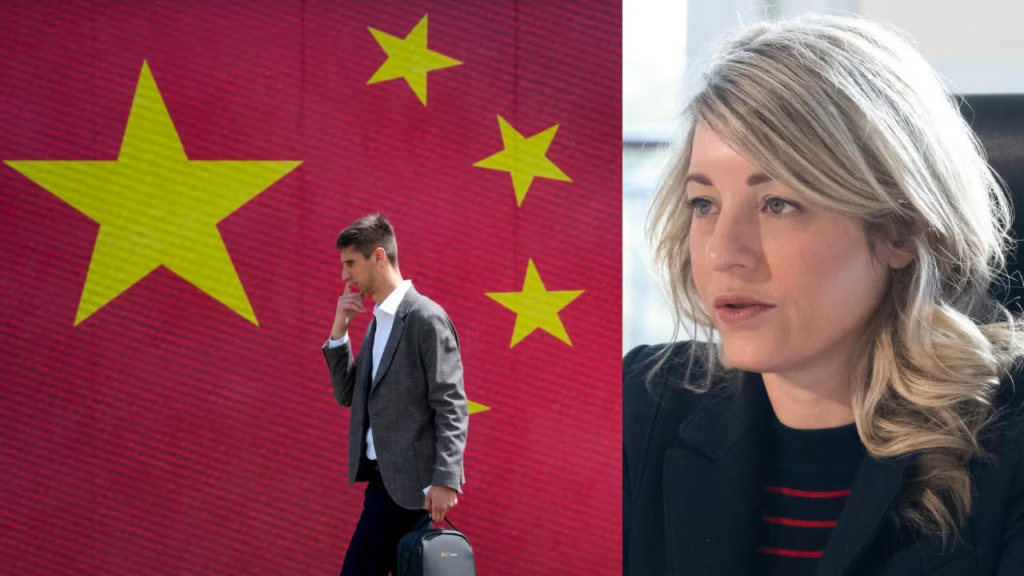
Organizations such as Amnesty International have pointed out that China executes more people annually than any other country, though exact figures remain undisclosed due to state secrecy. This lack of transparency fuels ongoing concerns about potential miscarriages of justice and the broader implications of capital punishment.
As Canada grapples with the aftermath of these executions, policymakers and diplomats are faced with difficult decisions regarding future engagement with China. While both countries have significant economic ties, the growing list of political disputes, human rights concerns, and trade conflicts presents challenges for cooperation.
Canadian officials are likely to continue advocating for clemency in future cases involving Canadian citizens, but the effectiveness of such efforts remains uncertain given China’s firm stance on its judicial sovereignty.
Looking ahead, Canada may seek to strengthen its alliances with like-minded nations to push for broader human rights reforms in China. The diplomatic fallout from these executions could also influence Canada’s foreign policy decisions, including trade partnerships and security collaborations.
Given the broader geopolitical landscape, including ongoing tensions between China and Western nations, Canada may find itself navigating an increasingly complex and challenging relationship with Beijing.
In the wake of these tragic events, the Canadian government has reaffirmed its commitment to opposing the death penalty and advocating for the rights of its citizens abroad. However, the reality of diplomatic negotiations with China remains fraught with difficulties, and the road ahead is likely to be marked by further tensions and challenges.
The executions of the four Canadians serve as a stark reminder of the deep-rooted differences between the two nations’ legal and political systems, highlighting the ongoing struggles of diplomacy, human rights advocacy, and international relations.