
In a surprising turn of events, a four-minute Toilet Break Delayed Over 125 Trains in South Korea, causing disruptions that impacted hundreds of passengers.
This incident on Seoul’s Line 2 highlights deeper issues within the country’s transportation system, particularly concerning labor conditions and operational efficiency. As the story unfolded, it sparked widespread debate about the pressures faced by subway drivers and the overall structure of urban transit systems.
Four Minute Toilet Break Delayed Over 125 Trains
On a seemingly ordinary Monday morning at 8:11 am, a conductor operating on Seoul’s busy Line 2 had to make an urgent stop to use the restroom. With no immediate alternatives available, he halted the train at a station and went to another floor to access the facilities. The entire process took just over four minutes, but the repercussions were far-reaching.
During the brief absence, an engineer stayed behind to watch over the train. However, the conductor’s short break necessitated rescheduling the entire system.
Read : November Covers South Korean Capital with Heavy Snow Blanket: Watch
As a result, 125 trains experienced delays of up to 20 minutes, affecting the schedules of hundreds of passengers during peak hours. Seoul Metro later clarified that while the incident caused inconvenience, the issue was resolved quickly, and major disruptions were avoided.
Read : The Dawn of the Railway Age: The First Train in World History
This unexpected delay exposed the fragile nature of the subway system, where even minor disruptions can cascade into significant logistical challenges. It also shed light on the working conditions of subway conductors, who often face immense pressure with little room for error or personal needs.
Labor Rights and Systemic Challenges
One of the most striking revelations from this incident is the intense working conditions faced by subway conductors. Operating on circular lines, conductors often work for two to three hours without a break.
Although portable toilets are available, they are insufficient in certain situations, forcing drivers to rely on external facilities. This raises important questions about labor rights and the physical demands placed on these essential workers.
Public reaction to the incident was swift and critical. Many expressed shock and dismay at the notion that a single individual bears such a heavy burden, with no immediate support system in place.
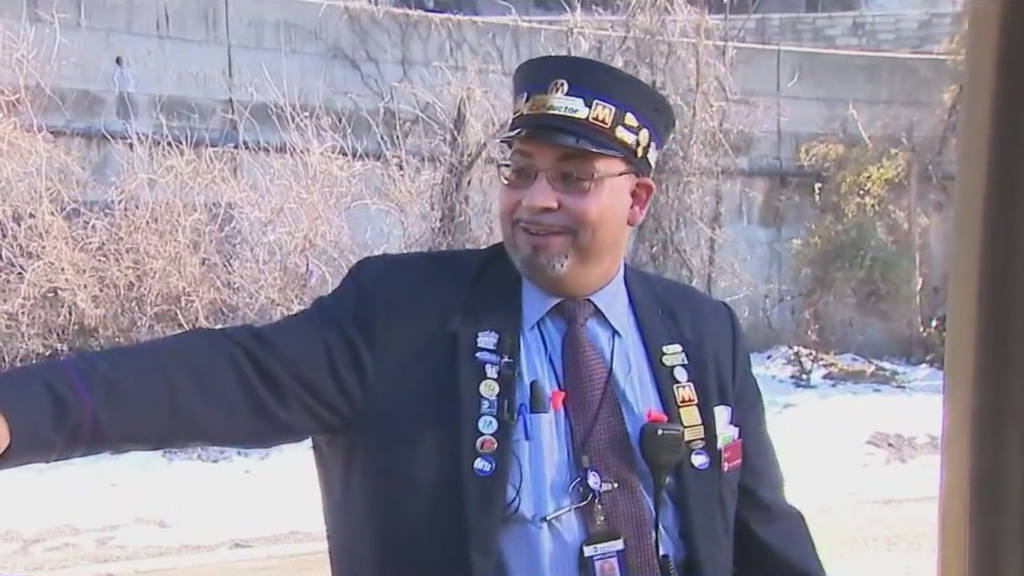
“Although train punctuality and passenger safety are top priorities, a structure that requires one person to take responsibility for everything alone will inevitably reveal its limitations in an emergency situation,” one user commented.
This sentiment underscores a growing concern about the need for systemic changes to ensure both operational efficiency and worker well-being.
In many modern transit systems, support personnel are available to step in during emergencies or unexpected situations. Implementing similar measures in South Korea could alleviate the pressure on conductors and prevent such incidents from disrupting entire networks.
Moreover, it would protect the rights of workers, ensuring they can perform their duties without compromising their health or well-being.
Broader Implications for Urban Transit Systems
This incident is not an isolated event but rather a symptom of broader challenges facing urban transit systems worldwide. The high-pressure environment in which conductors operate is compounded by the need for punctuality and the sheer volume of passengers relying on these services daily. Any disruption, no matter how minor, can have a domino effect, leading to widespread delays and frustration.
In South Korea, this issue is further complicated by concerns about safety and accountability. Recent data revealed that 33 Seoul subway conductors were caught operating trains under the influence of alcohol.
This alarming statistic raises questions about oversight and the measures in place to ensure the safety of passengers. It also highlights the need for a more comprehensive approach to managing human resources within the transit system.
The incident also prompts a reevaluation of the role of automation and technology in modern transit systems. While technological advancements have improved efficiency and safety, they cannot replace the human element entirely.
Conductors and other transit workers play a crucial role in ensuring smooth operations, and their well-being must be a priority. Enhancing support systems, providing adequate rest breaks, and implementing robust safety protocols are essential steps toward creating a more resilient and reliable transit network.
The toilet break incident on Seoul’s Line 2 serves as a wake-up call for South Korea’s transit authorities. It highlights the need for systemic changes to address the pressures faced by subway conductors and ensure the smooth operation of the transit network.
By prioritizing labor rights and implementing support mechanisms, authorities can prevent similar incidents in the future and create a more sustainable and humane work environment.
As urban populations continue to grow and demand for public transportation increases, the challenges facing transit systems will only become more complex. Addressing these issues proactively is essential to maintaining efficiency, safety, and the well-being of both workers and passengers.