
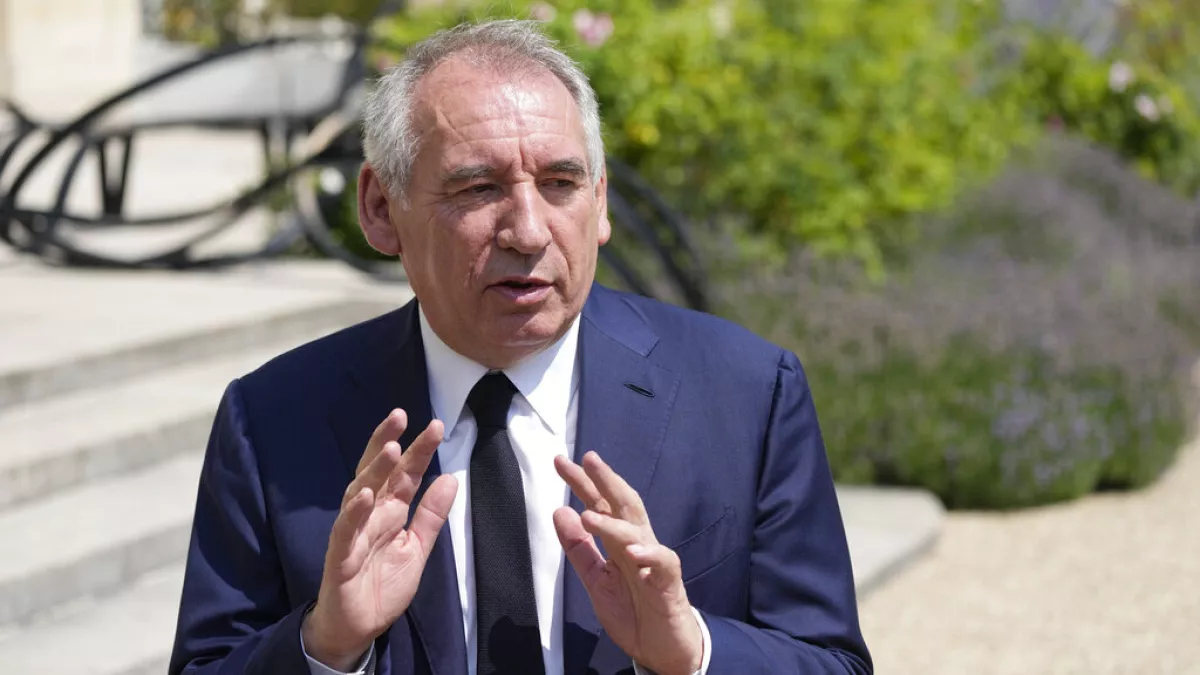
François Bayrou, a seasoned politician and close ally of Emmanuel Macron, steps into the role of prime minister during a tumultuous political crisis in France.
François Bayrou, a veteran centrist politician, has been appointed as France’s new prime minister following the ousting of Michel Barnier’s government.
The political turmoil in France stems from a fractured parliament, which has struggled to find consensus since the inconclusive snap elections held in June.
Bayrou’s appointment is seen as a strategic move by President Macron to stabilize the government and steer the country through its political and economic challenges.
A Seasoned Centrist Takes the Helm
Bayrou, the leader of the centrist MoDem party, is no stranger to French politics. Known for his pragmatic approach and rural roots, the 73-year-old hails from southwestern France and has built a reputation as a “man of the countryside.”
As a former education minister and mayor of Pau, Bayrou has consistently advocated for bridging the gap between politicians and citizens. In his inaugural address, he emphasized the urgency of tackling France’s mounting public debt and restoring trust in the political system.
Read : France Govt Collapse as PM Barnier Loses No-Confidence Vote
His close alliance with Macron, dating back to the president’s rise to power in 2017, underscores his selection for the role. Gabriel Attal, a prominent centrist MP, lauded Bayrou’s ability to navigate political complexities, describing him as a leader with “the art of compromise.”
Read : France Faces Huge Hung Parliament as Left-Wing Trumps Far Right with No Majority
However, Bayrou faces a daunting task: forming a government that can pass a full budget for 2025 while managing deep-seated divisions within parliament.
A Fractured Political Landscape
France’s parliament remains deeply divided among three major factions, none of which hold an absolute majority. The left-wing alliance, though it secured the largest number of votes in the recent election, fell short of gaining a majority.
Meanwhile, Macron’s centrist coalition has weakened, and the far-right National Rally has gained seats, benefiting from tactical voting.
This fragmented political landscape has led to repeated challenges for Macron’s administration. Michel Barnier’s government, which lasted only three months, was ousted after a no-confidence vote. Macron’s goal with Bayrou’s appointment is to avoid a similar fate for the new government.

Political figures across the spectrum have expressed mixed reactions to Bayrou’s ascension. The far-right National Rally, led by Jordan Bardella, has signaled a willingness to work with the new government but warned against crossing “red lines” on budgetary issues.
The Socialist party, on the other hand, has set clear conditions for cooperation, demanding that Bayrou refrain from bypassing parliamentary votes on key legislation.
Despite these overtures, Bayrou faces significant resistance from the left. Manon Aubry of La France Insoumise criticized the appointment as a continuation of Macron’s policies, arguing that it disregards the electorate’s preference for change. Socialist leaders have similarly warned that Bayrou’s selection risks exacerbating the political crisis by perpetuating the status quo.
Challenges Ahead for Bayrou’s Premiership
Bayrou’s primary challenge lies in unifying a fractured parliament to address pressing national issues, particularly the passage of the 2025 budget. With public debt soaring and economic instability looming, he must navigate a politically treacherous landscape to implement meaningful reforms.

Another pressing issue is the erosion of trust between politicians and citizens. Bayrou has acknowledged this challenge, likening his task to “climbing the Himalayas” in terms of political difficulty. His pledge to break down the “glass wall” separating the government from the public reflects a commitment to rebuilding this trust.
However, critics argue that Bayrou’s close alignment with Macron could undermine his ability to enact substantial change. The left-wing opposition has accused him of embodying “Macronism” and continuing policies that have alienated large segments of the population.
Adding to his challenges is the lack of parliamentary support. Even within Macron’s centrist coalition, there are divisions over how to address France’s political and economic crises. Without a clear majority, Bayrou must rely on compromise and negotiation to advance his agenda.

Bayrou’s appointment also highlights deeper systemic issues in French politics. The current crisis has exposed the limitations of the Fifth Republic’s semi-presidential system, which struggles to function effectively without a clear parliamentary majority. This has led to calls for electoral and institutional reforms to prevent similar deadlocks in the future.
François Bayrou’s appointment as France’s new prime minister marks a critical juncture in the country’s political trajectory. As a seasoned centrist with a reputation for pragmatism, Bayrou brings valuable experience to a deeply divided parliament. However, his close ties to Macron and the challenges of governing without a majority raise questions about his ability to deliver meaningful change.
To succeed, Bayrou must navigate a minefield of political divisions, economic challenges, and public discontent. His ability to unite disparate factions and rebuild trust in the political system will determine the success of his premiership and the stability of Macron’s administration. As France grapples with these challenges, Bayrou’s leadership will play a pivotal role in shaping the country’s future.