
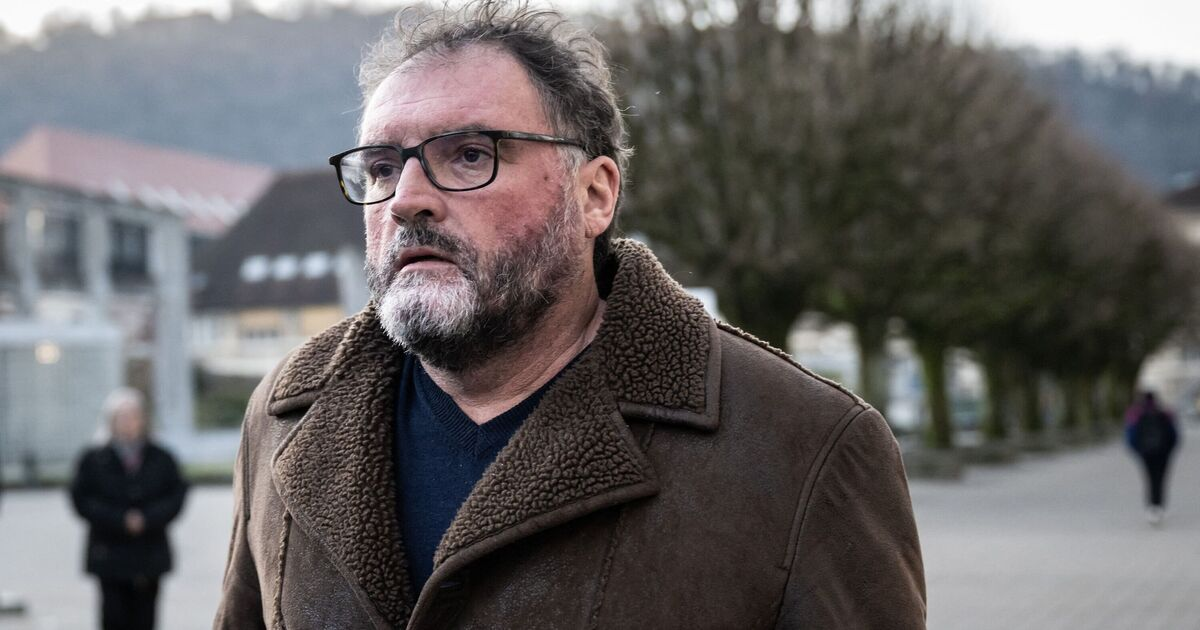
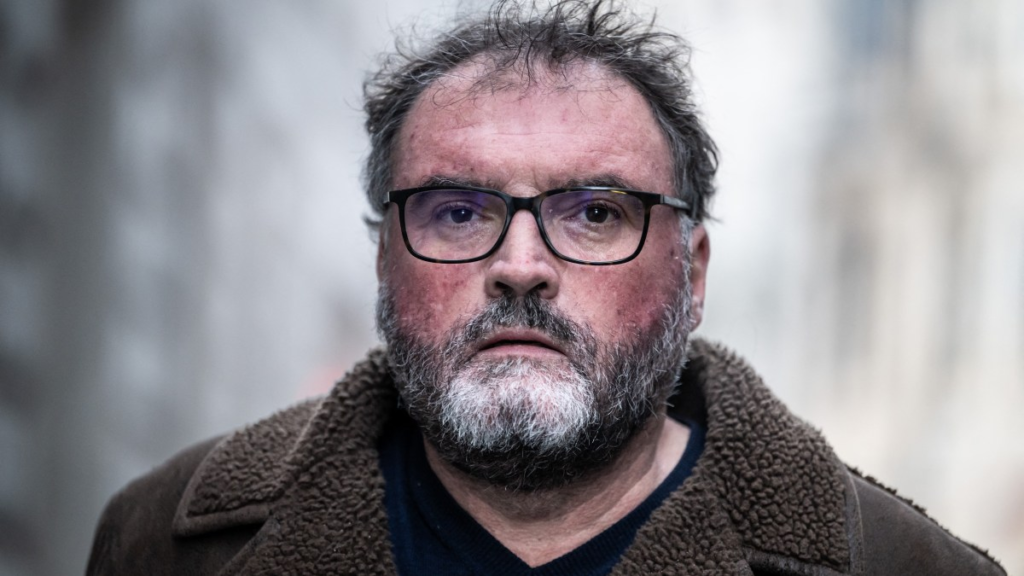
The conviction of Frédéric Péchier marks one of the most disturbing criminal cases ever to confront the French medical system. Once regarded as a gifted and reliable anaesthetist, Péchier was found guilty of deliberately poisoning 30 patients and causing the deaths of 12 over nearly a decade while working in private clinics in eastern France.
Prosecutors described him as a serial killer who exploited the trust inherent in medicine to exercise power, manipulate colleagues, and destroy lives. The court’s decision to sentence him to life imprisonment reflects both the scale of the crimes and the profound betrayal of professional ethics at their core. The case has raised enduring questions about patient safety, institutional oversight, and the psychological dimensions of violence committed under the guise of care.
A Respected Doctor Unmasked as a Serial Poisoner
For years, Frédéric Péchier cultivated the image of a highly competent and dedicated anaesthetist. Colleagues described him as a “star anaesthetist,” and his professional standing allowed him to work in respected private clinics in Besançon between 2008 and 2017. Patients and families entrusted him with their lives during routine and complex surgical procedures, unaware that prosecutors would later argue he was systematically endangering them.
The trial revealed that Frédéric Péchier repeatedly tampered with paracetamol infusion bags or anaesthesia pouches used during operations. By introducing toxic substances, he triggered sudden cardiac arrests in patients who had entered surgery expecting safe and controlled medical care. In at least 12 cases, those cardiac arrests proved fatal. In many others, patients survived only after emergency resuscitation, often sustaining long-term physical and psychological harm.
Investigators examined more than 70 reports of “serious adverse events,” a medical term used for unexpected complications or deaths. While not all were directly linked to criminal acts, prosecutors argued that the pattern of incidents across clinics where Frédéric Péchier worked pointed unmistakably to deliberate poisoning. The victims ranged in age from four to 89, underscoring the indiscriminate nature of the crimes.
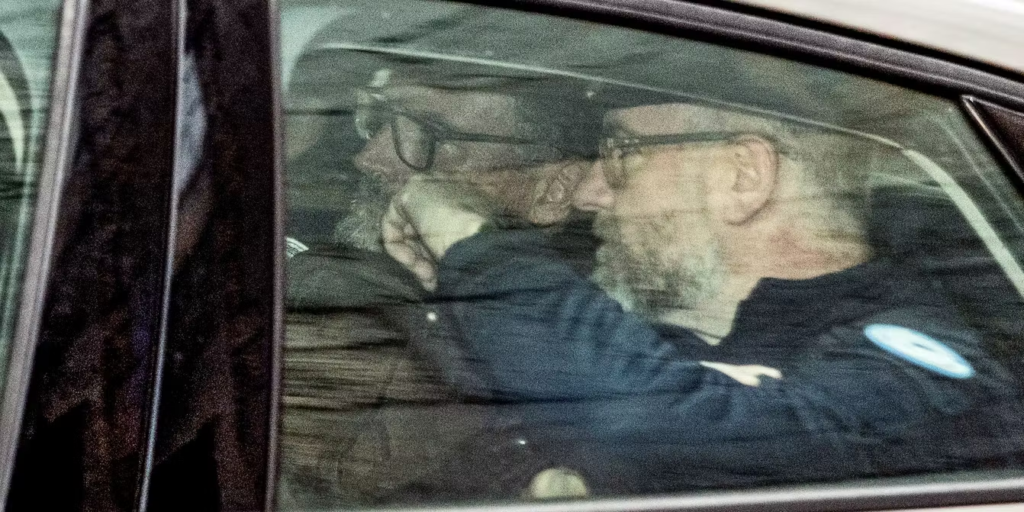
Frédéric Péchier est arrivé à la prison de la Butte à Besançon après avoir été condamné à perpétuité pour l'empoisonnement de 30 patients. https://t.co/reVp4hxTr4 #besançon #doubs pic.twitter.com/TtjNfTga3M
— France 3 Franche-Comté (@F3FrancheComte) December 18, 2025
Despite the weight of evidence presented over a three-month trial, Frédéric Péchier denied all wrongdoing. He maintained that he had never poisoned anyone and rejected the label of “poisoner” outright. Observers in court noted his apparent lack of emotion and empathy, a demeanor that lawyers for the victims said deepened the sense of outrage felt by families and survivors. His denial stood in stark contrast to the prosecution’s portrayal of a man who had turned the operating theatre into a site of calculated violence.
Motives Rooted in Power, Rivalry, and Psychological Control
Central to the trial was the question of why a trained physician would intentionally harm patients entrusted to his care. Prosecutors Christine de Curraize and Thérèse Brunisso argued that Frédéric Péchier’s actions were driven by a complex mix of personal inadequacy, desire for power, and professional rivalry. According to the prosecution, poisoning patients became a means for Péchier to assert dominance over both life and death while simultaneously undermining colleagues he perceived as rivals.
Read : Oxford Student Samuel Williams Charged with Racial Hatred Over ‘Put the Zios in the Ground’ Chant
In several cases, prosecutors said Frédéric Péchier intervened to resuscitate patients he had poisoned. Far from being acts of compassion, these interventions were presented as calculated attempts to conceal his crimes and reinforce an image of competence. By creating crises and then stepping in as a saviour, Péchier could appear indispensable while deflecting suspicion. The courtroom heard that this behavior allowed him to feel “all powerful” in contrast to the visible distress and confusion of fellow doctors facing inexplicable medical emergencies.
The prosecution also emphasized that Frédéric Péchier targeted patients under the care of colleagues with whom he was in competition or conflict. By causing adverse events in their operating rooms, he sought to discredit them professionally, leaving them burdened with guilt, doubt, and reputational damage. Brunisso described this as a “slow and insidious psychological attack” on other doctors, with patients reduced to instruments in a broader campaign of professional sabotage.
Curraize described Frédéric Péchier as having a profound “need for power,” arguing that his crimes were a response to feelings of frustration and inadequacy. Over time, killing and harming patients became “a way of life,” not isolated acts but a sustained pattern of behavior that escalated in severity. Brunisso summarized the prosecution’s position starkly, stating that Péchier was not a doctor who made mistakes, but “a criminal who used medicine to kill.”
Victims, Survivors, and the Enduring Impact of Betrayal
Beyond the legal arguments, the trial was marked by deeply moving testimony from victims and their families, who described lives permanently altered by Péchier’s actions. Among the most harrowing cases was that of Tedy, the youngest victim, who was just four years old when he suffered two cardiac arrests during a routine tonsil operation in 2016. Though he survived, the consequences have followed him into adolescence.
Tedy’s father, Hervé Hoerter Tarby, told the court that what happened to his family felt like a nightmare. He spoke of the fundamental betrayal of trust, explaining that they had believed in medicine and in the professionals tasked with protecting their child. Tedy spent two days in a coma while his mother knelt by his hospital bed, praying for his survival. The family argued that their son had been used as an object in Péchier’s efforts to “settle scores” with colleagues, a notion that intensified their sense of horror.
Now 14, Tedy chose not to testify in person or stand near Péchier in court. Instead, his father read a written statement in which the boy described his ongoing suffering. He spoke of needing more time than his classmates to write and of fearing that the effects of the poisoning would remain with him for life. His words conveyed not only physical challenges but also a lasting awareness that his life had once been deliberately placed in jeopardy.
Another survivor, Sandra Simard, described the aftermath of her 2017 back operation, during which her heart stopped after an anaesthesia pouch was tampered with. She spent several days in a coma and emerged with chronic pain that continues to shape her daily existence. Using a walking stick in court, she explained that her body felt prematurely aged, with pain intensifying toward the end of each day and becoming especially severe during winter. Despite her suffering, she expressed gratitude simply for being alive, a statement that underscored the stark contrast between survival and the quality of life that followed.
Lawyer Morgane Richard, representing several victims, told the jury that Péchier treated patients as “cannon-fodder” and “weapons” in his personal and professional conflicts. Her words captured the profound dehumanization at the heart of the crimes, where individuals seeking healing were transformed into tools for vengeance and self-aggrandizement. She reminded the court of the unimaginable reality faced by the victims: the knowledge that a doctor, someone entrusted to save lives, had instead sought to end them.
The court ultimately accepted the prosecution’s depiction of Péchier as one of the most significant criminals in modern French legal history. His life sentence reflects not only the number of victims but also the calculated and sustained nature of his actions. Though Péchier has 10 days to appeal, the verdict stands as a powerful statement about accountability within the medical profession and the justice system’s response to crimes committed behind the shield of expertise.
The case of Frédéric Péchier leaves an indelible mark on France’s healthcare landscape. It challenges institutions to confront how such actions could persist for years and compels a renewed focus on safeguards designed to protect patients and support ethical medical practice. Above all, it serves as a grim reminder of the vulnerability inherent in medical trust, and of the devastating consequences when that trust is betrayed.