

French Polynesia, an enchanting collection of islands scattered across the South Pacific Ocean, is renowned for its breathtaking landscapes, rich cultural heritage, and luxurious resorts. This French overseas territory encompasses over 100 islands and atolls, each with its unique charm and appeal.
From the striking volcanic peaks of Tahiti to the idyllic coral atolls of the Tuamotu Archipelago, French Polynesia offers an array of experiences that captivate travelers seeking both relaxation and adventure.
Table of Contents
Geography
French Polynesia covers a vast oceanic expanse of approximately 4.1 million square kilometers. Despite its considerable area, the landmass itself is relatively small, consisting of over 100 islands spread across several groups. The territory is divided into five main groups: the Society Islands, the Marquesas Islands, the Tuamotu Archipelago, the Gambier Islands, and the Australs.
The Society Islands, including Tahiti, Bora Bora, and Moorea, are the most famous and frequently visited, known for their dramatic landscapes and luxurious resorts. Tahiti, the largest island in French Polynesia, serves as the central hub of the territory, with its capital, Papeete, providing a vibrant urban experience amidst the island’s natural beauty.
The Marquesas Islands, located to the northeast, are known for their rugged terrain and cultural significance. The Tuamotu Archipelago, a chain of coral atolls, is renowned for its marine biodiversity and exceptional diving opportunities.
The Gambier Islands, situated to the southeast, offer a serene escape with their lush landscapes and historical sites. Each group of islands presents a unique geography, contributing to the diverse and captivating nature of French Polynesia.
States of French Polynesia
French Polynesia is not divided into states like some other countries. Instead, it is an overseas collectivity of France, comprising five administrative subdivisions called archipelagos or island groups. These are:
- Society Islands (Îles de la Société)
- Tuamotu Archipelago (Îles Tuamotu)
- Gambier Islands (Îles Gambier)
- Marquesas Islands (Îles Marquises)
- Austral Islands (Îles Australes)
Each archipelago consists of several islands, but French Polynesia as a whole is not divided into states.
History
French Polynesia’s history is a rich tapestry woven from Polynesian traditions and European exploration. The islands were first settled by Polynesians around 1000 AD, who established complex societies and navigated the vast Pacific Ocean using their sophisticated seafaring skills. These early Polynesian settlers developed a vibrant culture characterized by intricate art, music, and social structures.
The arrival of European explorers in the 18th century marked a turning point in French Polynesia’s history. Captain James Cook’s voyages in the 1760s and 1770s introduced Europeans to the beauty and diversity of the islands. Cook’s detailed accounts and maps heightened European interest in the region, leading to increased exploration and eventual colonization.
In the 19th century, French missionaries arrived in French Polynesia, bringing Christianity and European agricultural practices. The islands became a French protectorate in 1842 and were later annexed by France in 1880. French influence brought significant changes to the region, impacting local customs and introducing new cultural elements.
French Polynesia’s political status continued to evolve throughout the 20th century. In 1946, the territory was designated an overseas collectivity of France, and in 1984, it gained greater autonomy as a French overseas territory. The people of French Polynesia have preserved their rich cultural heritage while benefiting from the political and economic support of France.
Top Ten Must-Visit Destinations
1. Tahiti
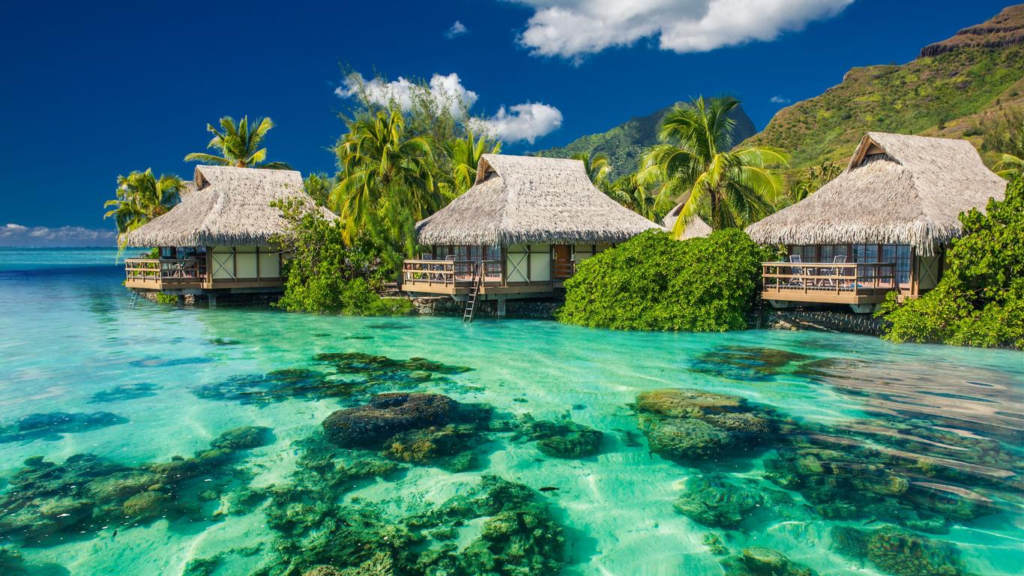
Tahiti, the largest island in French Polynesia, is renowned for its stunning volcanic landscapes and vibrant city life. The island’s diverse attractions include picturesque waterfalls, lush rainforests, and the bustling capital city of Papeete. Visitors can explore the island’s markets, enjoy its beautiful beaches, and experience a blend of traditional Polynesian culture and modern amenities. Tahiti serves as a gateway to the rest of French Polynesia, offering a comprehensive introduction to the territory’s unique charm.
2. Bora Bora
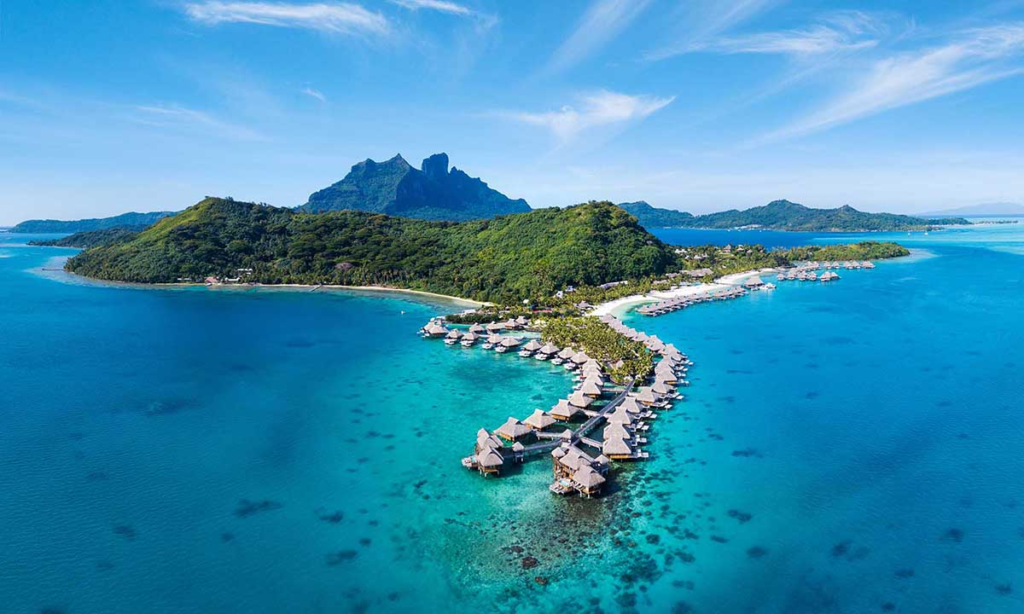
Often referred to as the “Pearl of the Pacific,” Bora Bora is famous for its breathtaking lagoon, crystal-clear waters, and luxurious overwater bungalows. The island’s vibrant coral reefs and turquoise lagoon provide excellent opportunities for snorkeling, diving, and water sports. Bora Bora’s stunning scenery and high-end resorts make it a top destination for honeymooners and those seeking a tropical paradise.
3. Moorea
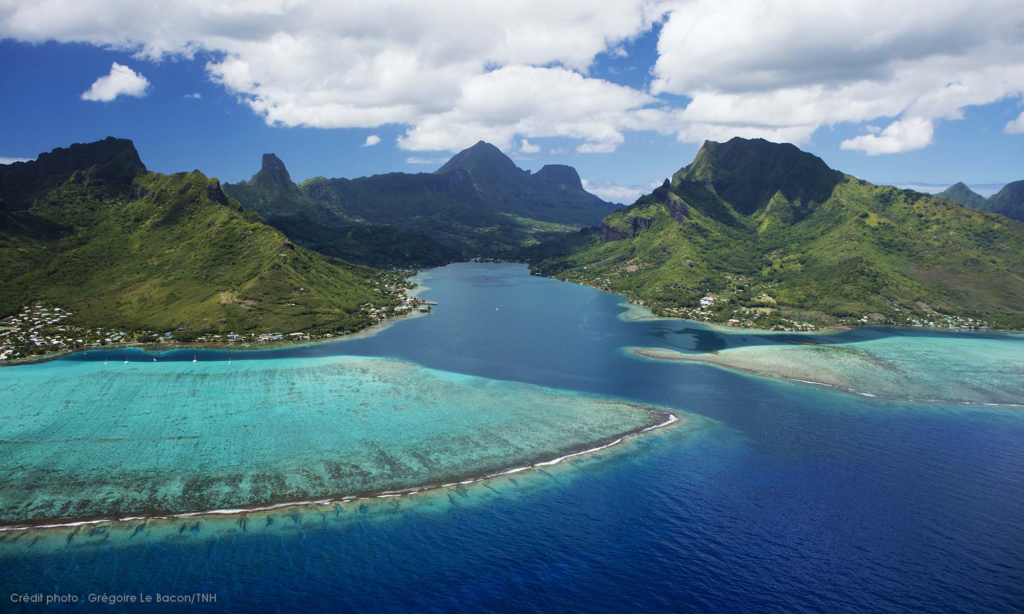
Located just a short ferry ride from Tahiti, Moorea is celebrated for its dramatic mountain landscapes and pristine beaches. The island features the iconic Opunohu Bay and Cook’s Bay, offering breathtaking views and outdoor activities such as hiking and snorkeling. Moorea’s relaxed atmosphere, combined with its natural beauty, makes it a favorite destination for visitors seeking both adventure and tranquility.
4. Rangiroa
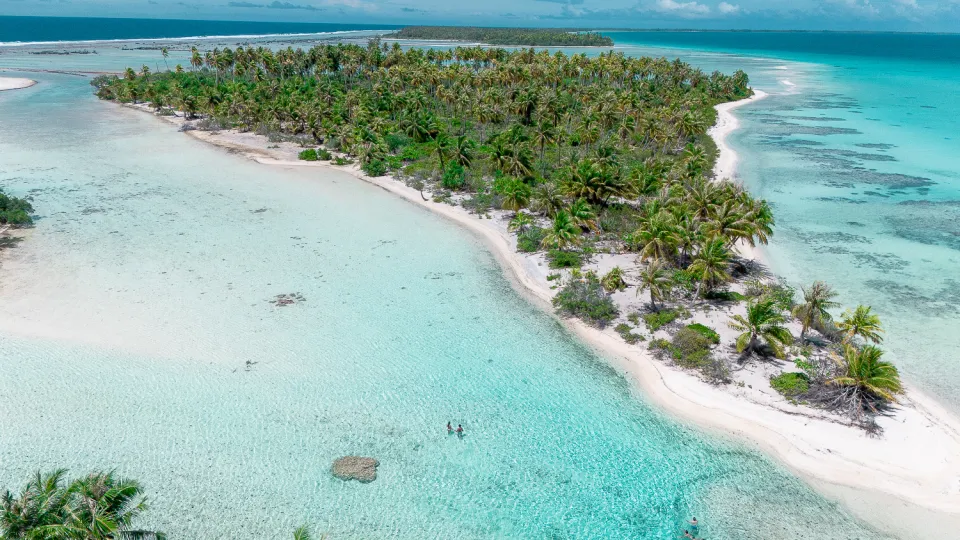
Rangiroa, one of the largest atolls in the world, is renowned for its exceptional diving opportunities and vibrant marine life. The atoll’s clear waters and extensive coral reefs attract divers from around the globe, offering encounters with sharks, rays, and a diverse array of fish species. Rangiroa’s unique environment and underwater wonders make it a premier destination for diving enthusiasts.
5. Huahine
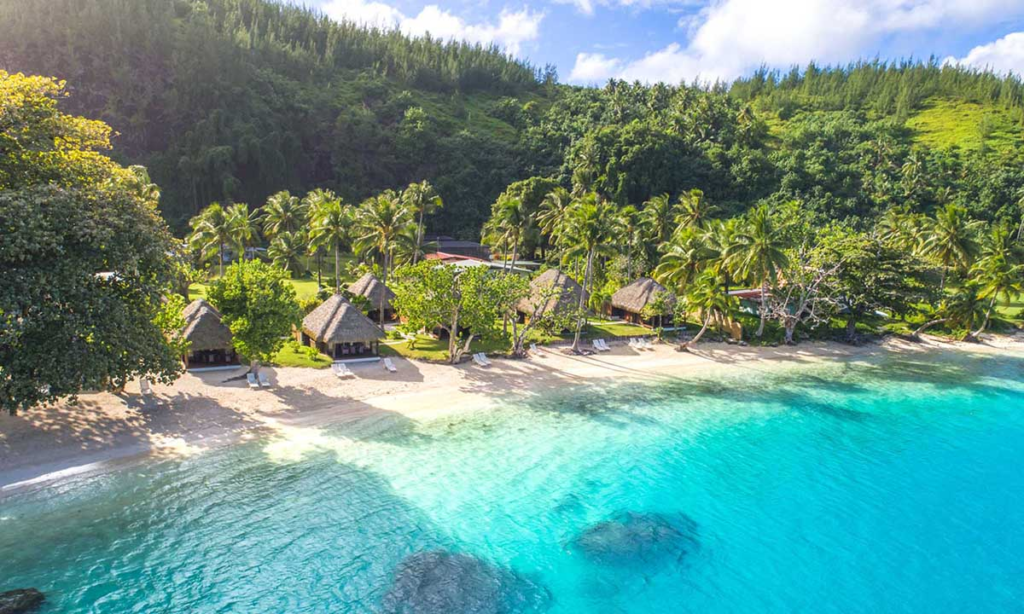
Huahine, known for its lush landscapes and historical sites, provides a more tranquil and authentic Polynesian experience. The island is home to archaeological sites such as ancient marae (temples) and traditional fishing villages, offering insights into the region’s cultural heritage. Huahine’s natural beauty and rich history make it a compelling destination for travelers interested in exploring Polynesian traditions.
6. Taha’a
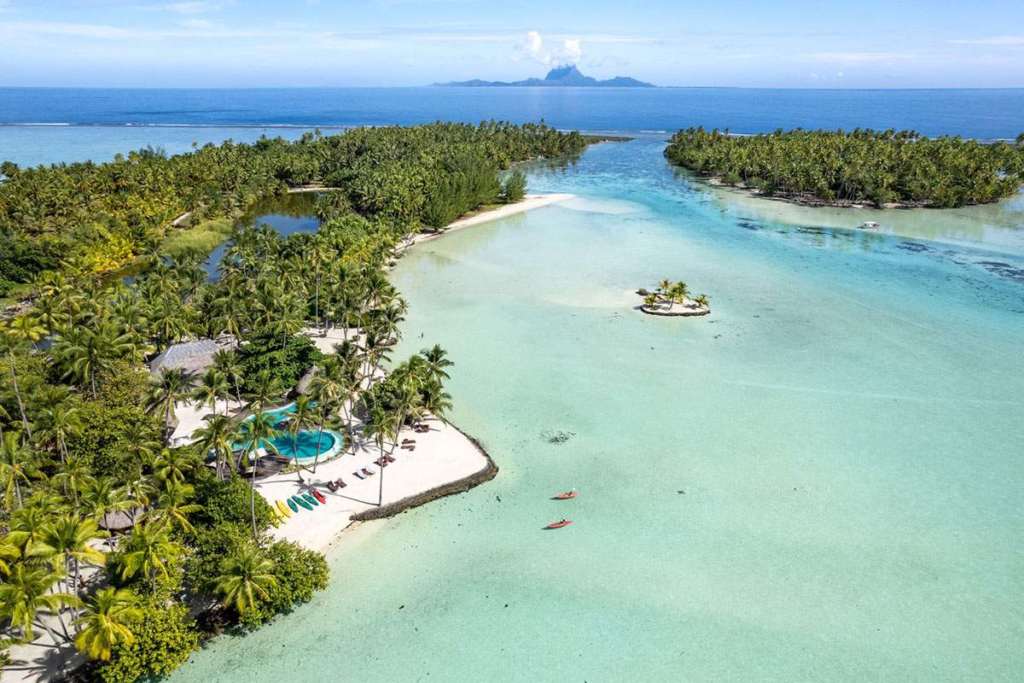
Taha’a, often referred to as the “Vanilla Island,” is renowned for its vanilla plantations and stunning natural scenery. The island’s lush interior, surrounded by a turquoise lagoon and coral reefs, provides a picturesque setting for outdoor activities and relaxation. Visitors can tour vanilla farms, explore pristine beaches, and enjoy the island’s tranquil ambiance, making Taha’a a must-visit destination for those interested in local agriculture and natural beauty.
7. Marquesas Islands
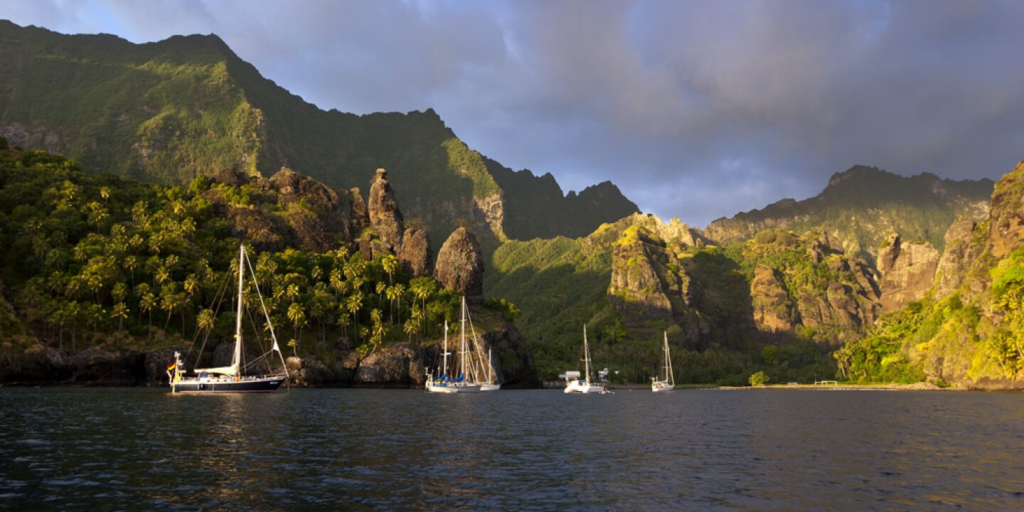
The Marquesas Islands, located in the northern part of French Polynesia, are known for their rugged landscapes and rich cultural heritage. The islands feature volcanic peaks, deep valleys, and dramatic cliffs, offering a stark contrast to the more tropical landscapes of other islands. The Marquesas are also home to a vibrant local culture, with traditional art, music, and ceremonies that provide a unique glimpse into Polynesian life.
8. Gambier Islands
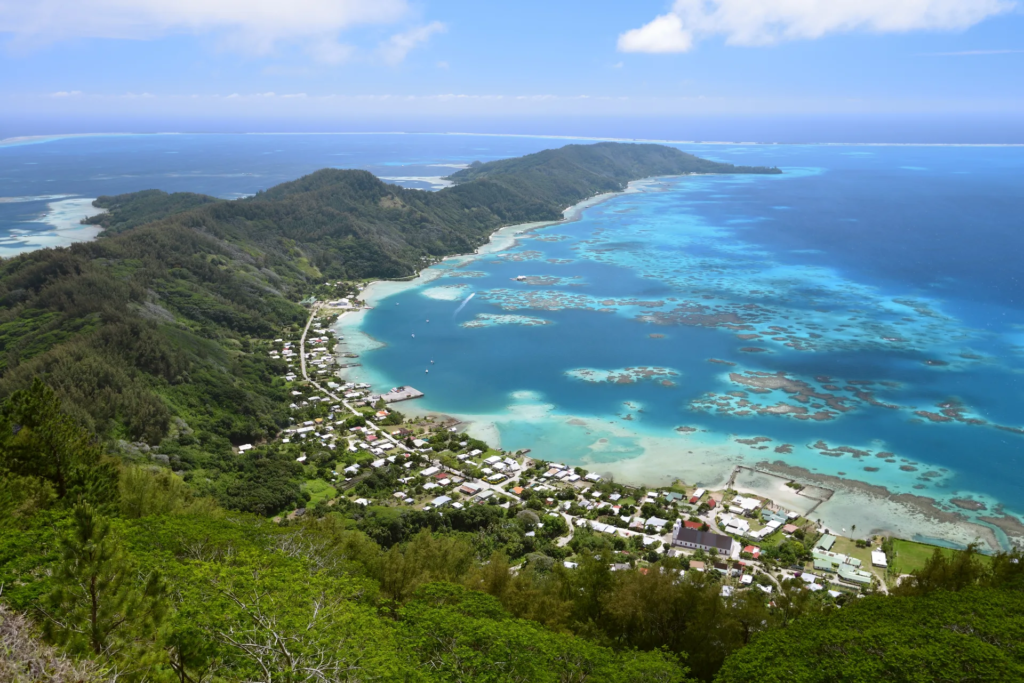
The Gambier Islands, situated in the southeastern part of French Polynesia, are known for their pristine environment and historical significance. The islands’ lush landscapes, clear waters, and historical sites, including the remains of early European missions, offer a serene and culturally rich experience. The Gambier Islands’ remote location and unspoiled beauty make them a hidden gem for those seeking an off-the-beaten-path destination.
9. Raiatea
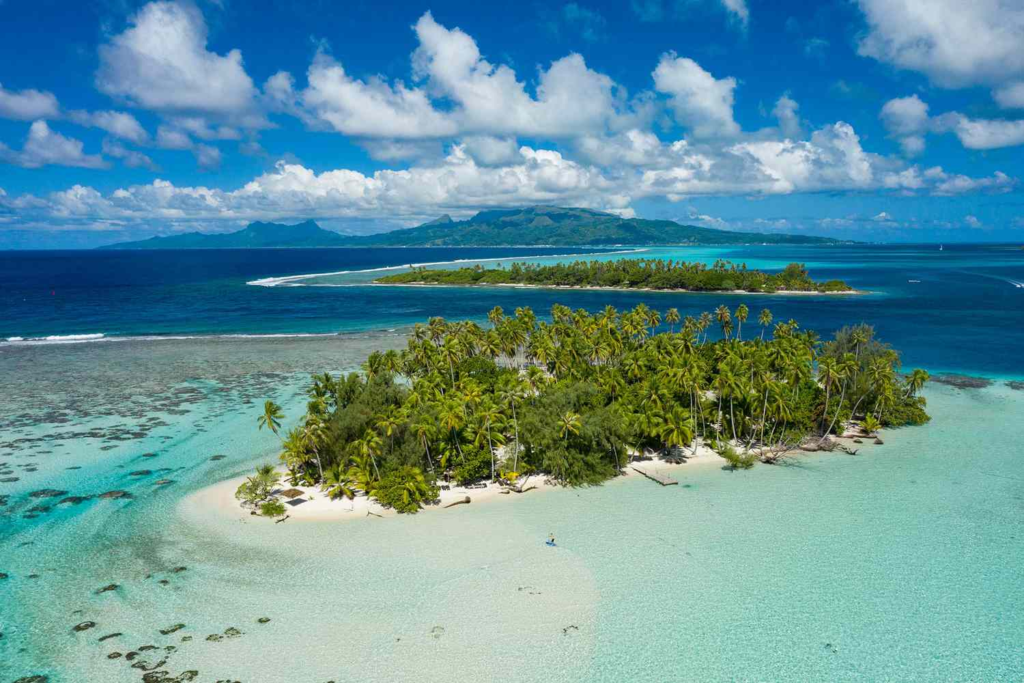
Raiatea, known as the “Sacred Island,” is home to important cultural and historical sites, including ancient marae and traditional Polynesian temples. The island’s lush rainforests, waterfalls, and vibrant coral reefs offer a range of outdoor activities and exploration opportunities. Raiatea’s cultural significance and natural beauty make it a fascinating destination for history and nature enthusiasts.
10. Tahaa
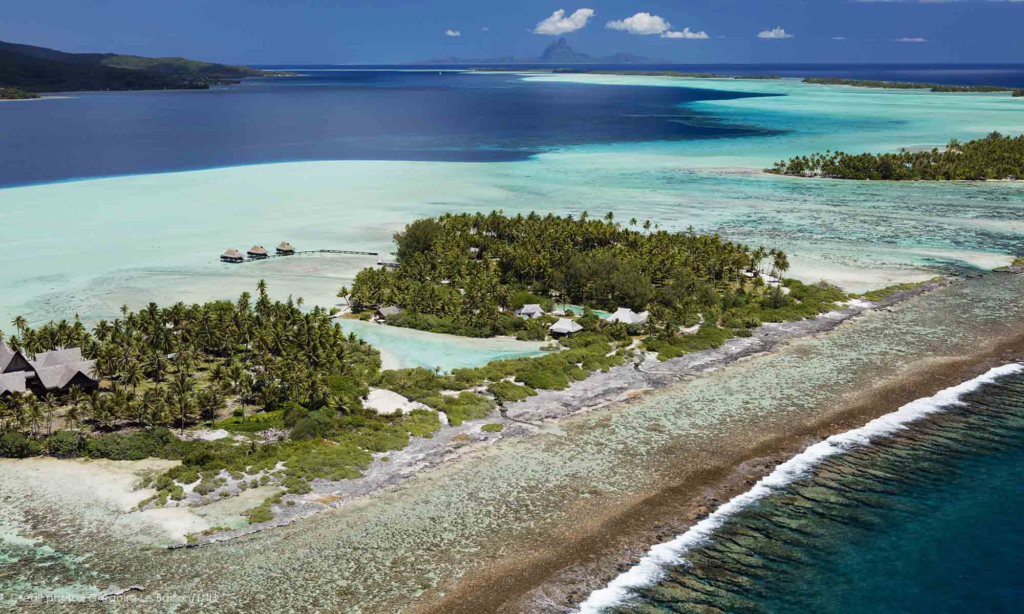
Tahaa, located near Raiatea, is famous for its vanilla plantations and stunning natural scenery. The island’s lush interior, surrounded by a crystal-clear lagoon, provides a picturesque setting for relaxation and exploration. Visitors can tour vanilla farms, enjoy the island’s pristine beaches, and experience the tranquil ambiance of Tahaa, making it a compelling destination for those interested in local agriculture and natural beauty.
Culture
French Polynesia’s culture is a vibrant blend of Polynesian traditions and French influences. Traditional Polynesian practices, including music, dance, and art, are integral to the cultural identity of the islands. Festivals, ceremonies, and local crafts reflect the rich heritage of the region, offering visitors a chance to experience the unique cultural tapestry of French Polynesia.
The primary language spoken in French Polynesia is French, reflecting the territory’s colonial history and administrative ties with France. Tahitian, a Polynesian language, is also widely spoken, particularly in traditional and cultural contexts. The coexistence of French and Tahitian languages highlights the blend of European and Polynesian influences that shape the cultural landscape of French Polynesia.
Festivals
French Polynesia hosts a variety of festivals throughout the year that celebrate the region’s cultural heritage and communal spirit. One of the most notable events is the Heiva I Tahiti, an annual festival held in Tahiti that showcases traditional Polynesian dance, music, and sports.
The festival, which typically takes place in July, draws locals and visitors alike to celebrate Polynesian culture through vibrant performances and cultural exhibitions. Heiva I Tahiti exemplifies the dynamic and enduring traditions that define French Polynesia, providing a lively and immersive cultural experience for attendees.
Economy
Tourism plays a pivotal role in French Polynesia’s economy, driving economic growth and development across the territory. The islands’ stunning natural beauty, luxurious resorts, and unique cultural experiences attract visitors from around the world, making tourism a significant contributor to the local economy.
In addition to tourism, French Polynesia’s economy is supported by agriculture, including the cultivation of vanilla and pearls, as well as fishing. The economic impact of tourism and related industries continues to shape the development and prosperity of French Polynesia, contributing to its status as a premier tropical destination.
Cuisine
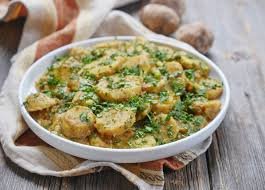
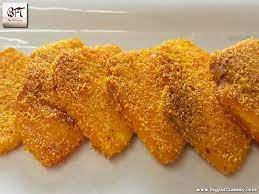
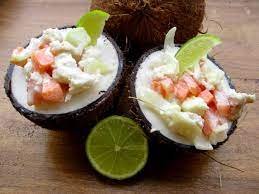
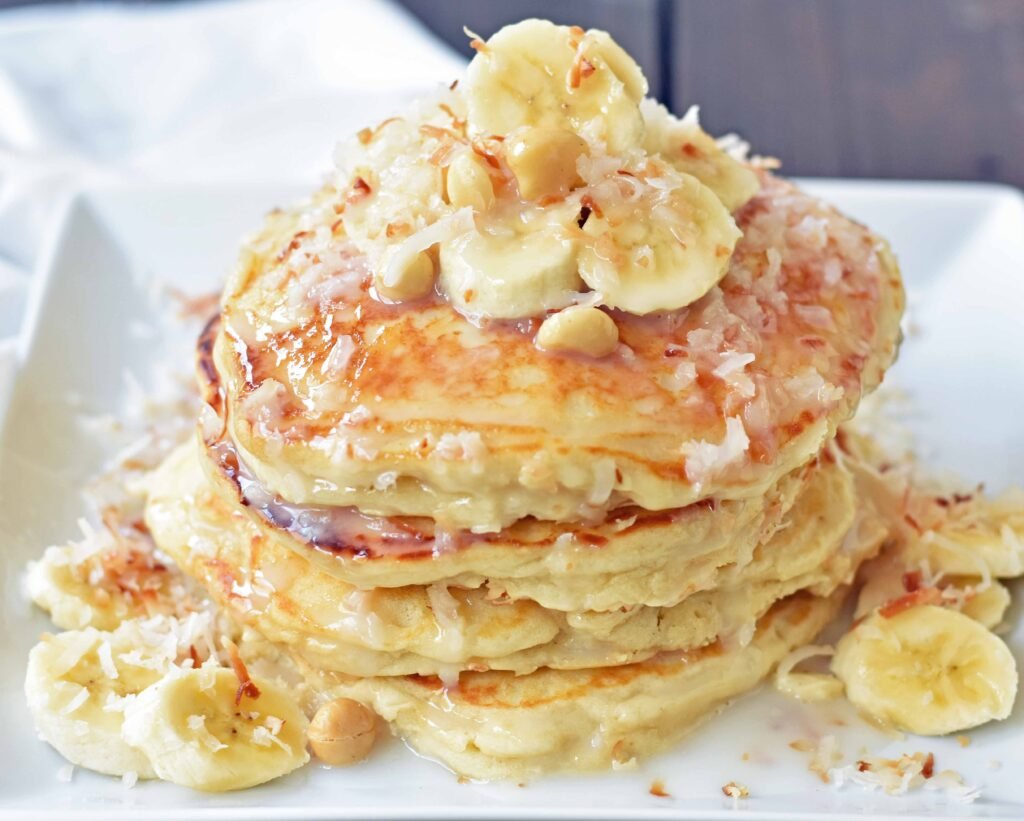
French Polynesian cuisine reflects a blend of Polynesian traditions and French culinary influences. Local dishes often feature fresh seafood, tropical fruits, and root vegetables. Popular specialties include poisson cru (raw fish marinated in coconut milk), mahi-mahi, and a variety of coconut-based dishes. The fusion of native and French ingredients results in a diverse and flavorful culinary experience that highlights the region’s cultural heritage and natural abundance.
Top Eight Most Famous Food


Ten Interesting Facts
- French Polynesia consists of over 100 islands and atolls, scattered across an oceanic area of approximately 4.1 million square kilometers.
- Tahiti is the largest and most populous island in French Polynesia.
- The official languages are French and Tahitian, reflecting the territory’s colonial and Polynesian heritage.
- The islands are renowned for their stunning coral reefs and vibrant marine life, making them a popular destination for diving and snorkeling.
- Bora Bora is famous for its overwater bungalows and turquoise lagoon.
- French Polynesia’s Heiva I Tahiti festival is a major cultural event celebrating Polynesian traditions through dance and music.
- The Marquesas Islands are known for their rugged terrain and historical significance.
- Rangiroa, one of the world’s largest atolls, offers exceptional diving opportunities.
- Tahaa is known for its vanilla plantations, earning it the nickname “Vanilla Island.”
- French Polynesia has been a French overseas territory since 1880 and gained greater autonomy in 1984.
Conclusion
French Polynesia stands as a testament to the natural beauty and cultural richness of the South Pacific. From its pristine beaches and crystal-clear lagoons to its vibrant cultural festivals and historical landmarks, the territory offers a diverse range of experiences that captivate travelers and explorers alike.
Whether seeking relaxation in a luxurious resort, adventure in the lush landscapes, or immersion in Polynesian traditions, French Polynesia provides an unparalleled escape into a tropical paradise. With its stunning scenery, warm hospitality, and rich cultural heritage, French Polynesia continues to enchant and inspire those who venture to its shores.