
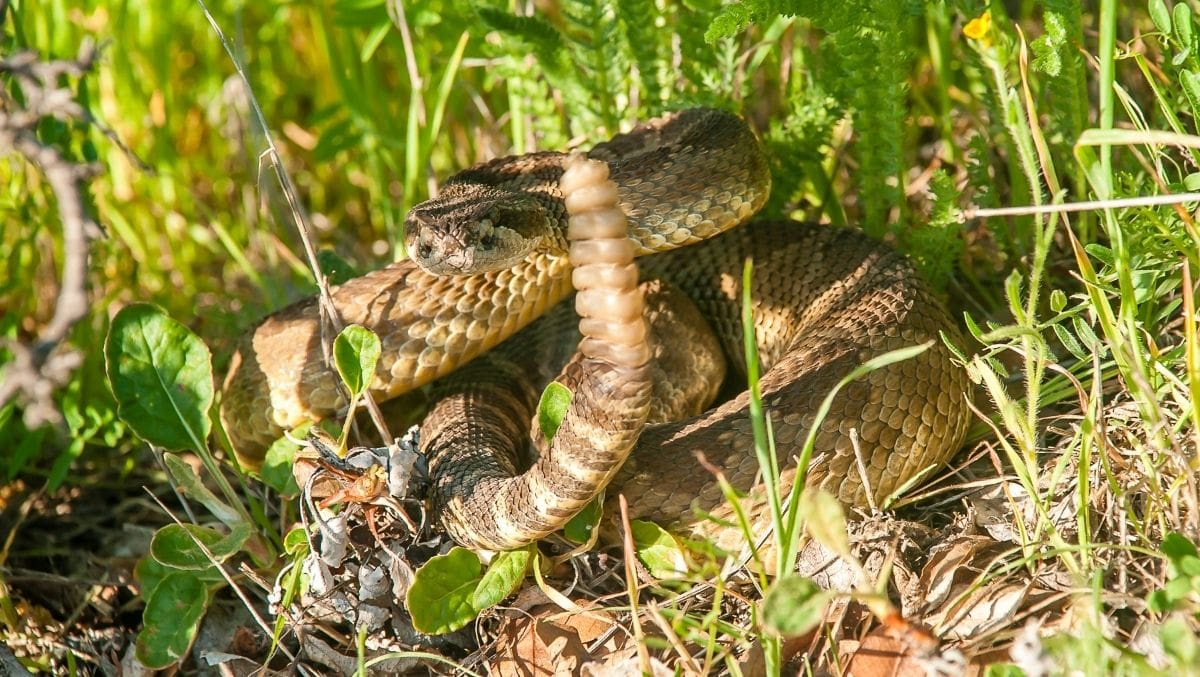
The sudden death of a 46-year-old woman following a rattlesnake bite in Southern California has drawn renewed attention to the risks associated with outdoor recreation in snake-prone regions. Gabriela Bautista, a resident of Moorpark, was hiking at Wildwood Regional Park in Ventura County when the incident occurred on March 14, shortly before noon. What began as a routine outing in a popular natural area turned into a life-threatening emergency that ultimately proved fatal.
Despite rapid response efforts and advanced medical care, Bautista succumbed to the effects of rattlesnake venom toxicity five days later, on March 19. The case underscores the unpredictable nature of wildlife encounters and the importance of awareness and preparedness when venturing into environments where venomous animals are present. Reports indicate that Bautista was airlifted to a hospital shortly after the bite, suggesting that emergency services responded promptly.
However, rattlesnake venom can act swiftly and unpredictably, depending on factors such as the location of the bite, the amount of venom injected, and the victim’s overall health. Medical professionals confirmed that the cause of death was venom toxicity, highlighting the severity of such envenomations even when treated. The incident has also brought attention to a series of recent snakebite cases in the broader Southern California region, pointing to a pattern that may be influenced by seasonal conditions, increased human activity in natural areas, or ecological factors affecting snake behavior.
Rising Incidents of Rattlesnake Encounters in Southern California
The death of Gabriela Bautista is not an isolated event but part of a concerning trend of increased rattlesnake encounters in Southern California. Around the same time as her incident, a teenage girl was bitten by a rattlesnake near the Wendy Drive trailhead in Thousand Oaks. The teenager had fallen off her bike before sustaining the bite in the early evening hours. Emergency responders were required to hike into the area to reach her, demonstrating the logistical challenges often associated with rescue operations in rugged terrain. Fortunately, she survived with minor injuries after being transported to a hospital for treatment.
Another recent case involved a mountain biker, Julian Hernandez, who was bitten while riding on the Quail Hill Trailhead in Orange County. After the bite, Hernandez attempted to reach safety on his own but was eventually overcome by the venom’s effects. He was hospitalized but later fell into a coma and died on March 4. These incidents collectively illustrate the potentially deadly consequences of rattlesnake bites and the varied outcomes depending on the circumstances of each encounter.
Local authorities have reported multiple snakebite cases within a short timeframe. Since March 14 alone, the Ventura County Fire Department has received four reports of rattlesnake bites. In total, nine such incidents have been recorded in the county in 2025. While not all bites result in fatalities, the frequency of these encounters raises concerns about public safety and the need for increased vigilance. Seasonal changes, particularly the transition into warmer weather, are known to bring snakes out of hibernation, increasing the likelihood of human-snake interactions. At the same time, spring often encourages more people to explore hiking trails and outdoor spaces, further elevating the risk.
Read : Why Youngsters Are Struggling with Anger Issues and How to Solve Them
Experts suggest that many snakebites occur when individuals accidentally step too close to a snake or attempt to interact with it. Rattlesnakes are generally not aggressive and prefer to avoid confrontation, but they will strike if they feel threatened. Their natural camouflage can make them difficult to spot, especially on trails surrounded by rocks, dry leaves, or brush. This combination of environmental factors and human behavior contributes to the steady occurrence of such incidents each year.
Understanding the Dangers of Rattlesnake Venom and Emergency Response
Rattlesnake venom is a complex mixture of toxins that can cause significant damage to human tissue and disrupt vital bodily functions. The severity of a bite can vary widely, but common effects include intense pain, swelling, tissue necrosis, and systemic symptoms such as difficulty breathing, nausea, and changes in blood pressure. In severe cases, venom can lead to organ failure or death if not treated promptly and effectively. The case of Gabriela Bautista demonstrates how even with medical intervention, the effects of venom can be overwhelming.
Read : 25-Year-Old Julian Hernandez Dies from Rattlesnake Bite Suffered Over Month Earlier
Medical experts emphasize that immediate hospital care is essential following a venomous snakebite. Antivenom is the primary treatment used to counteract the toxins, and its effectiveness depends on how quickly it is administered. Delays in treatment can allow the venom to spread further through the body, increasing the risk of complications. Importantly, specialists advise against attempting traditional or improvised remedies at the scene, as these can do more harm than good. Actions such as cutting the wound, attempting to suck out venom, or applying tourniquets are not recommended and may worsen the situation.

Instead, the recommended course of action is to remain as calm as possible, limit movement to slow the spread of venom, and seek emergency medical assistance immediately. Keeping the affected limb immobilized and positioned at or slightly below heart level can also help reduce the rate at which venom circulates. The emphasis on rapid transport to a medical facility reflects the critical window in which treatment is most effective.
Emergency response teams in regions like Ventura County are trained to handle such incidents, often utilizing air transport to quickly move patients from remote locations to hospitals. However, even with these resources, outcomes can vary. The complexity of snake venom and individual patient responses means that not all cases can be successfully managed, particularly if the envenomation is severe.
Safety Measures and Awareness for Outdoor Enthusiasts
The recent string of rattlesnake incidents highlights the importance of safety awareness for hikers, bikers, and anyone spending time in natural environments. While encounters with venomous snakes are relatively rare, the consequences can be serious, making preventive measures essential. One of the most effective ways to reduce risk is to stay on designated trails and avoid venturing into tall grass, dense brush, or rocky areas where snakes are more likely to be hiding. Wearing sturdy footwear and long pants can also provide a degree of protection against bites.

Being attentive to surroundings is equally important. Rattlesnakes often give warning signs before striking, such as the distinctive rattling sound produced by their tails. This sound serves as a defensive mechanism, signaling their presence and giving humans an opportunity to back away. However, not all rattlesnakes rattle before striking, so visual awareness remains crucial. Learning to पहचान common characteristics, such as their triangular heads and patterned bodies, can help individuals identify and avoid them.
Time of day can also influence snake activity. Rattlesnakes are more active during warmer parts of the day, particularly in spring and summer. Planning outdoor activities during cooler hours and remaining cautious in shaded or rocky areas can reduce the likelihood of an encounter. Additionally, keeping a safe distance from any snake, regardless of whether it appears dangerous, is a fundamental rule. Attempting to handle or provoke a snake significantly increases the risk of being bitten.
Public education campaigns and clear signage in parks and trails can further enhance safety by informing visitors about potential risks and appropriate precautions. As more people seek outdoor recreation, especially in regions known for their natural beauty, the need for awareness becomes even more critical. Incidents like the death of Gabriela Bautista serve as a reminder that nature, while enriching and enjoyable, also carries inherent dangers that must be respected.
The events in Southern California illustrate the delicate balance between human activity and wildlife habitats. As urban areas expand and outdoor recreation grows in popularity, interactions with wildlife are likely to become more frequent. Understanding these risks and adopting responsible behaviors can help reduce the likelihood of tragic outcomes while allowing people to continue enjoying the natural world safely.