
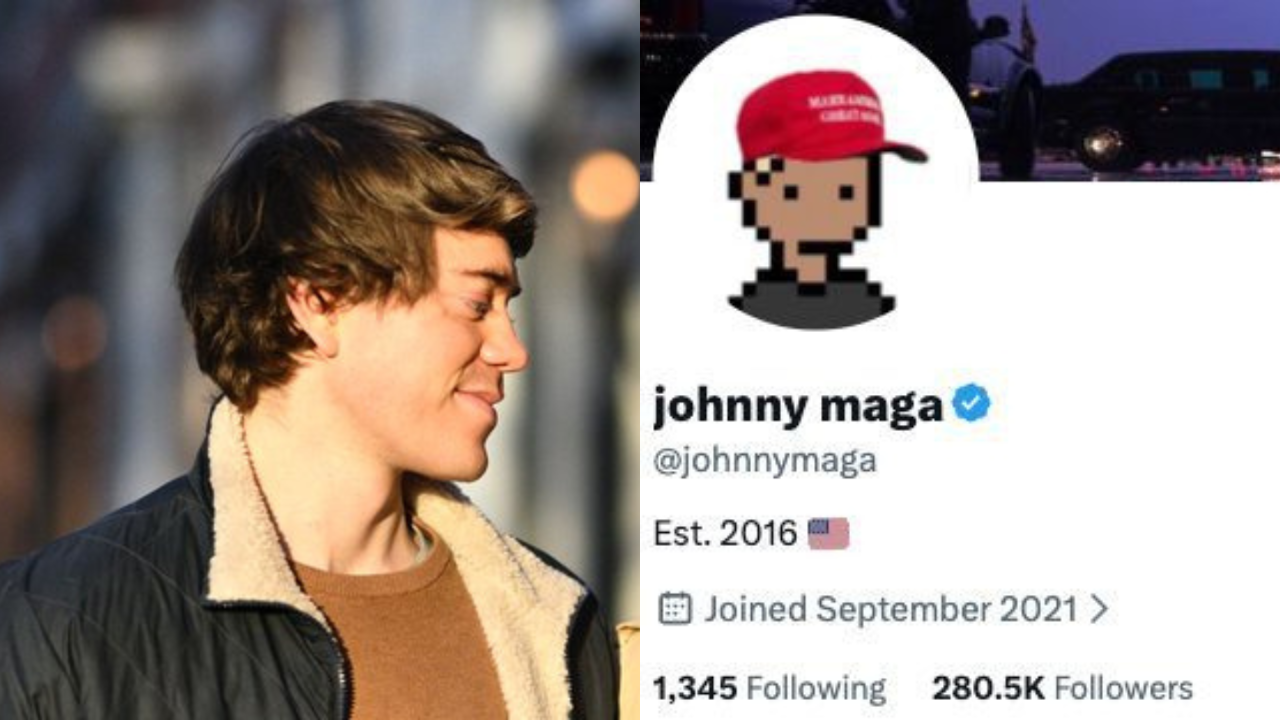
Garrett Wade has emerged at the center of a political and ethical controversy after a report identified him as the alleged operator behind the influential pro-Trump X account known as “Johnny MAGA.” The account, which has amassed nearly 300,000 followers, has long functioned as a high-volume amplifier of pro-Trump messaging, often echoing administration talking points and engaging in sharp attacks on political opponents.
According to reporting, Wade is a taxpayer-funded White House staffer who works within the administration while maintaining a powerful online presence that, until recently, appeared to be that of an independent grassroots supporter. The disclosure has ignited debate about transparency, ethics, and the blurred boundaries between official government roles and partisan advocacy in the digital age.
The account’s anonymity, combined with its aggressive tone and consistent alignment with administration messaging, has raised broader concerns about whether followers were misled about its origins. At the heart of the controversy lies a central question: who is Garrett Wade, and what does his alleged dual role reveal about the intersection of government employment and political influence online?
Garrett Wade’s Role in the White House and Personal Connections
Garrett Wade is described as a White House staffer whose salary is funded by taxpayers, placing him within the official structure of the Trump administration. His role situates him in proximity to policymaking and communications, a detail that has intensified scrutiny over the alleged connection to the “Johnny MAGA” account. While the precise scope of his responsibilities within the White House has not been publicly detailed in the reporting referenced, his employment status alone has been sufficient to spark ethical questions.
In addition to his professional position, Wade is reportedly married to Allison Schuster, who serves as a White House press assistant. This connection further ties him to the administration’s communications apparatus. Critics argue that such proximity to official messaging channels could amplify concerns that the “Johnny MAGA” account was not merely expressing personal political views but potentially operating in alignment with or in support of coordinated messaging strategies.
The report linking Wade to the account cited technical evidence, including the association of one of his phone numbers with the “Johnny MAGA” profile. A source later corroborated that information, strengthening claims that he operated the account. Although neither Wade nor the White House has publicly addressed the allegations, the evidence presented in the report has fueled calls for clarification.
Read : Password Forgotten for 11 Years, Rs 25 Crore Bitcoin Wallet Cracked
The ethical concerns stem from the principle that government employees are expected to maintain a distinction between official duties and partisan political activity. While public servants retain personal political rights, the operation of a large, influential political account that mirrors administration messaging without disclosure introduces a complex debate about transparency and potential conflicts of interest. Observers argue that the issue is not necessarily that a government employee holds political views, but whether an undisclosed role in shaping public opinion under the guise of independent activism undermines public trust.
The Rise and Content Strategy of ‘Johnny MAGA’
The “Johnny MAGA” account became known as a high-engagement, pro-Trump presence on X, formerly known as Twitter. With nearly 300,000 followers, the account consistently posted scheduled content supporting former President Donald Trump, amplifying policy positions, and defending the administration against critics. Its tone was frequently combative, employing sharp language and targeting political opponents with pointed commentary.
In January, the account posted about unrest in Minneapolis, referencing the shooting of Renee Good by ICE agent Jonathan Ross. The post stated: “They’re burning the American flag right now in Minneapolis. And they really expect you to believe that ICE shot an innocent civilian.” The message blended a narrative of disorder with skepticism toward media portrayals of law enforcement actions, a framing consistent with broader pro-Trump messaging strategies that emphasize law and order themes.
Read : Who Is Savannah Chrisley and Why Is She Facing Backlash for Defending Trump on The View?
The account also targeted California Governor Gavin Newsom, mocking him in a post that read: “Gavin Newsom attempts to act hood while meeting Usher in Atlanta. Absolute cornball.” Such posts demonstrate the account’s use of ridicule and cultural commentary to criticize political figures, often employing language designed to provoke engagement and rally supporters.
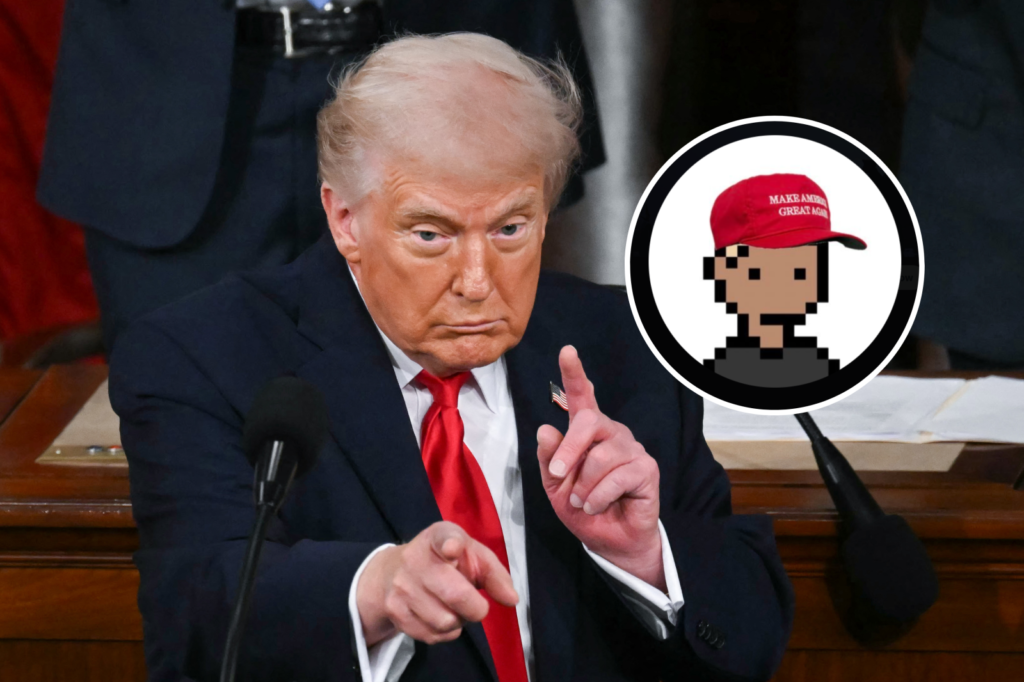
Beyond individual posts, the account’s operational style suggested a structured approach. Reports indicate that content was scheduled regularly, reinforcing administration talking points in a manner that mirrored official communications cycles. This consistency led some observers to question whether the account functioned as an informal extension of White House messaging rather than a spontaneous grassroots voice.
Further allegations have compounded the controversy. A separate report claims that Wade previously described a video depicting former President Barack Obama and former First Lady Michelle Obama as apes as a “masterpiece.” That allegation, if accurate, would intensify concerns about the tone and content associated with the individual allegedly behind the account. Such rhetoric has been widely condemned in political discourse and would raise additional ethical and reputational issues for any government-affiliated figure.
The power of social media accounts like “Johnny MAGA” lies not only in follower counts but also in their ability to shape narratives, influence news cycles, and energize political bases. In a media environment where digital platforms serve as primary sources of information for millions, the perceived authenticity of an account can significantly affect its impact. The suggestion that a high-profile partisan account may have been operated by a White House staffer without disclosure challenges assumptions about the independence of online political voices.
Ethics, Transparency, and the Blurring of Official and Partisan Roles
The central controversy surrounding Garrett Wade is less about partisan alignment and more about transparency and ethical boundaries. Government employees are subject to rules and norms designed to separate official responsibilities from campaign or partisan activities. While individuals retain freedom of expression, undisclosed political advocacy conducted alongside official duties can create perceptions of impropriety.
Critics argue that if a White House staffer operated a major pro-administration account without revealing that affiliation, followers may have believed they were engaging with an independent supporter rather than someone on the government payroll. This perceived lack of transparency is at the core of the backlash. Transparency is widely regarded as essential to maintaining public trust, particularly when public resources are involved.
Read : JetBlue Flight Attendant Thanks President Donald Trump and His Cabinet on Presidents’ Day Flight
The blending of roles also raises broader questions about the evolving nature of political communication. In previous eras, official messaging was more clearly separated from grassroots advocacy. Today, social media platforms enable individuals to operate in multiple capacities simultaneously. A government employee can maintain a personal account that reaches hundreds of thousands of followers, blurring distinctions between private opinion and institutional influence.
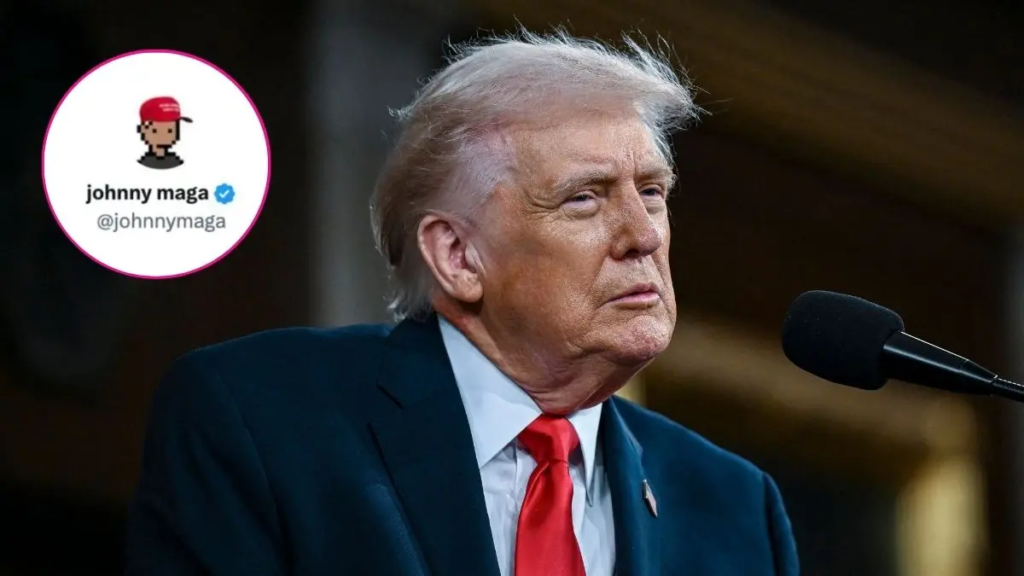
Defenders might argue that political appointees and staffers are inherently partisan and that expressing support for their administration’s policies is neither surprising nor inherently unethical. However, the counterargument emphasizes disclosure and clarity. If an account’s influence derives partly from perceived independence, undisclosed ties to official structures could be seen as misleading.
The situation also touches on broader debates about the role of anonymity in political discourse. Anonymous or pseudonymous accounts often cultivate trust by presenting themselves as authentic grassroots voices. When such accounts are revealed to be operated by individuals with institutional affiliations, it can shift public perception and prompt questions about motive and intent.
As of now, neither Garrett Wade nor the White House has publicly responded to the allegations outlined in the reporting. Without official confirmation or denial, the controversy remains anchored in investigative claims and unanswered questions. The absence of a response has further fueled public discussion, with critics calling for greater clarity and potential review of ethical standards governing staff conduct.
The broader implications extend beyond one individual or account. The case illustrates how digital platforms have transformed political communication, enabling insiders to engage directly with audiences at scale. It also underscores the importance of transparency in an era when online personas can wield significant influence over public opinion.
Garrett Wade’s alleged connection to “Johnny MAGA” represents more than a personal controversy; it reflects the shifting terrain of modern political messaging. Whether further details emerge or official responses are provided, the debate highlights enduring tensions between free expression, partisan advocacy, and the responsibilities that accompany public service in a hyperconnected political landscape.