

The deportation of Andry Jose Hernandez Romero, a gay makeup artist from Venezuela, has ignited a wave of anger and fear among the LGBT+ community and human rights advocates across the United States and beyond.
His removal from the U.S. and subsequent transfer to El Salvador’s notorious Terrorism Confinement Center (CECOT) is not only seen as a miscarriage of justice but as a symbolic indictment of immigration policies that critics argue are rooted in discrimination, xenophobia, and political expediency.
Andry Jose Hernandez Romero, a 31-year-old Venezuelan national, came to the U.S. seeking refuge from persecution. He left Venezuela in 2024, escaping an increasingly hostile environment under President Nicolas Maduro’s regime.
A makeup artist by profession, Hernandez Romero had faced persistent discrimination for his sexual orientation and refusal to align with the political propaganda demands of the government-controlled media.
He had worked for a government-sponsored news channel, where he was pressured to produce content supporting the regime. When he resisted, he was met with threats and harassment from his colleagues and later, from armed groups loyal to Maduro.
Fearing for his life, he fled to the United States and lawfully presented himself at the San Ysidro Port of Entry in California through the CBP One app. Following a successful credible fear interview, Hernandez Romero entered immigration court proceedings and began the asylum process.
Read : Mexico Judge Joel Cano and His Wife Arrested for Hiding Venezuelan Gang Member in Their Home
But instead of finding safety, he was abruptly detained by Immigration and Customs Enforcement (ICE) due to suspicions raised by his tattoos—symbols he has had since childhood, which commemorate his parents and his hometown’s traditional Three Wise Men festival.
These markings were misinterpreted as gang insignia by ICE, who classified him as a member of Tren de Aragua, a Venezuelan gang designated as a terrorist organization by the Trump administration.
Mislabeling, Misjudgment, and Misery
According to court documents and sworn statements from attorneys and family members, Andry Jose Hernandez Romero has never been involved in any criminal activity. His tattoos, which include crowns above the words “mom” and “dad” on his wrists, are rooted in his artistic background and familial devotion.
He has worked in the beauty industry, collaborated on pageants, and maintained a visible online presence featuring these symbols. His mother testified that many members of the local theatre troupe he was a part of also wear similar tattoos to honor the annual festival.
Nonetheless, under ICE’s use of the “Alien Enemies Act Validation Guide,” these tattoos counted for four out of the eight points needed to accuse someone of being part of a gang, and ICE officers had the discretion to deport him based on that score.
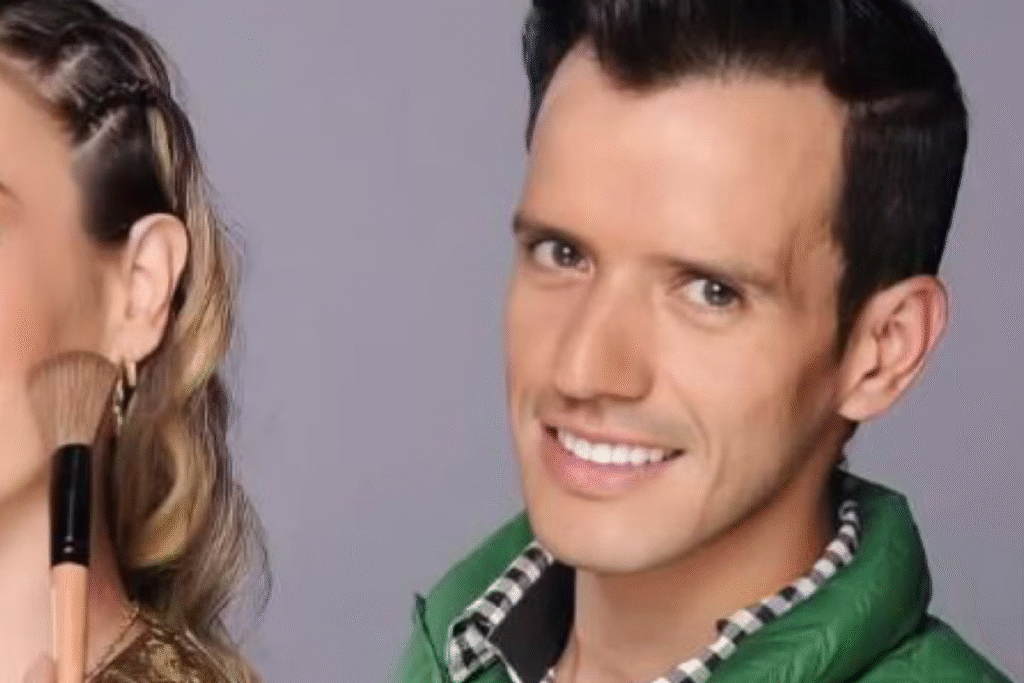
He was swiftly transferred from California to a detention center in Texas, even though his immigration proceedings were ongoing in California and a court hearing was scheduled for March 17. Just two days before the scheduled court appearance, on March 15, he was deported to El Salvador—a country he has no ties to and where he has been placed in one of the world’s most brutal prisons.
CECOT, El Salvador’s Terrorism Confinement Center, is infamous for its harsh and inhumane conditions. Built to house thousands of suspected gang members, the prison has been condemned by human rights organizations for its overcrowding, lack of transparency, and systemic abuse.
Philip Holsinger, a CBS photojournalist who recently visited the prison, captured footage of a man later identified as Hernandez Romero crying out for help, declaring “I’m innocent” and “I’m gay” — a haunting testimony to his vulnerability in such an environment.
An Outcry from the LGBT+ Community and Legal Advocates
Andry Jose Hernandez Romero’s deportation has sparked widespread condemnation and mobilization from advocacy groups, including the Los Angeles LGBT Center and the Human Rights Campaign.
These organizations argue that the Trump administration’s policy of using tattoo-based profiling and summary removals under the Alien Enemies Act is a violation of due process and basic human rights.
Joe Hollendoner, CEO of the Los Angeles LGBT Center, expressed outrage, stating, “Andry came to this country believing in the promise of safety and dignity. Instead, he was met with detention, dehumanization, and ultimately, deportation.”
Kelley Robinson, president of the Human Rights Campaign, echoed similar sentiments, emphasizing that Hernandez Romero deserves protection and should never have been subjected to such a grave miscarriage of justice.
“He has been thrown into a dangerous prison — without due process — at the hands of a cruel administration committed to pushing our communities out of public life,” she said.
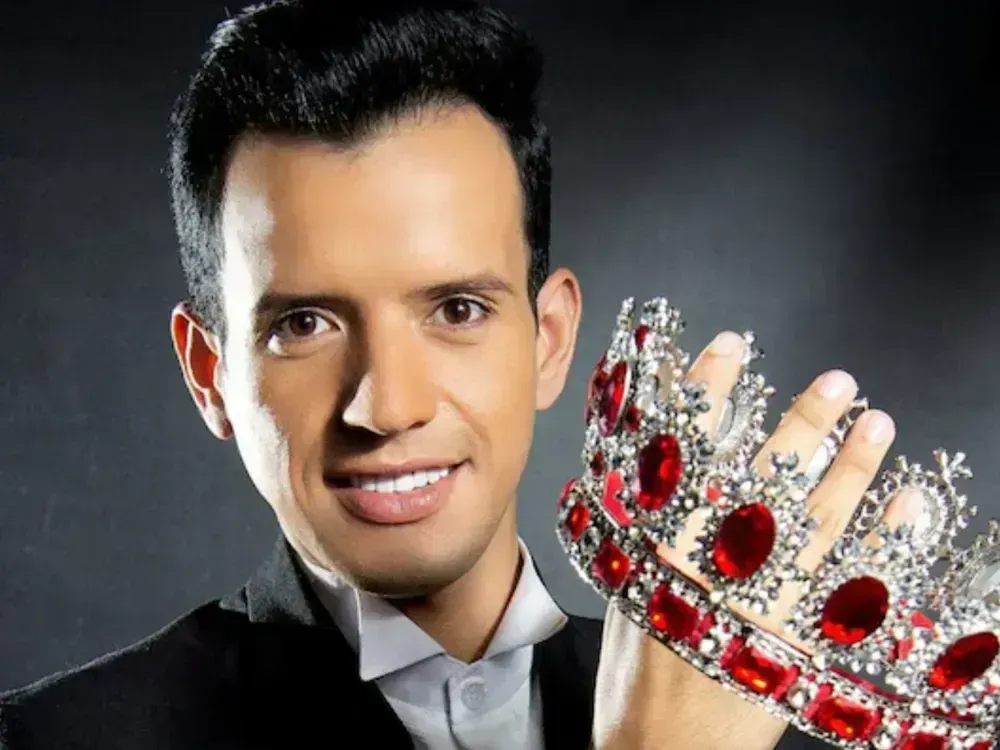
Protests have taken place across the United States, including outside the Permanent Mission of El Salvador to the United Nations in New York. Demonstrators carried photographs of Hernandez Romero and demanded his immediate release and safe return to the U.S.
His case has become emblematic of broader issues within the immigration and asylum system, particularly regarding LGBT+ asylum seekers who are doubly vulnerable—first for their nationality and second for their identity.
The legal battle continues, with Hernandez Romero now named as the lead plaintiff in an amended lawsuit filed by the American Civil Liberties Union (ACLU).
The case challenges the Trump administration’s use of the Alien Enemies Act to justify mass deportations of Venezuelan immigrants without proper legal review. The ACLU argues that the Act’s application in this context is unconstitutional and seeks a court ruling to halt the removals and declare the process illegal.
A Fight for Freedom and a Call for Accountability
At the heart of this deeply troubling case is the question of justice—justice for a man who believed in America’s promise of refuge, and for all asylum seekers who now face the threat of wrongful deportation under opaque and discretionary practices.
Andry Jose Hernandez Romero, a gentle, artistic soul fleeing violence and oppression, is now locked away in one of the harshest prison environments in the Western Hemisphere. He has been separated from his family, cut off from legal counsel, and subjected to the very dangers he risked everything to escape.
His mother, devastated and frightened, remains in contact with his legal team, but she has no concrete knowledge of her son’s wellbeing. “I am terrified for my son’s safety,” she wrote in a statement.

“I do not know how he is being treated, what conditions he is in, or even if he is alive.” Her words capture the anguish of countless families torn apart by immigration enforcement actions that critics argue lack compassion, nuance, or accountability.
The broader implications of Andry Jose Hernandez Romero’s case extend beyond one man. They highlight systemic flaws in immigration policy, particularly the reliance on superficial indicators like tattoos to make life-altering decisions. They raise urgent questions about how LGBTQ+ individuals are treated within the immigration system, and whether due process is being respected amid sweeping anti-immigration agendas.
As activists, attorneys, and lawmakers push for answers, Andry Jose Hernandez Romero’s story is being shared widely, a symbol of the human cost of an immigration system that can, at times, treat vulnerable people as threats rather than as individuals worthy of care and consideration. His continued detention in El Salvador stands as a challenge to the conscience of the nation — a stark reminder that immigration policy is not just a matter of law and order, but of humanity.
Will justice prevail in his case? Will courts intervene to stop such summary deportations and ensure that people like Andry Jose Hernandez Romero are given a fair chance to live in safety? For now, those questions remain unanswered. But one thing is certain: the voices rising in his defense are growing louder, and the demand for justice is echoing far beyond courtrooms and protest grounds.