
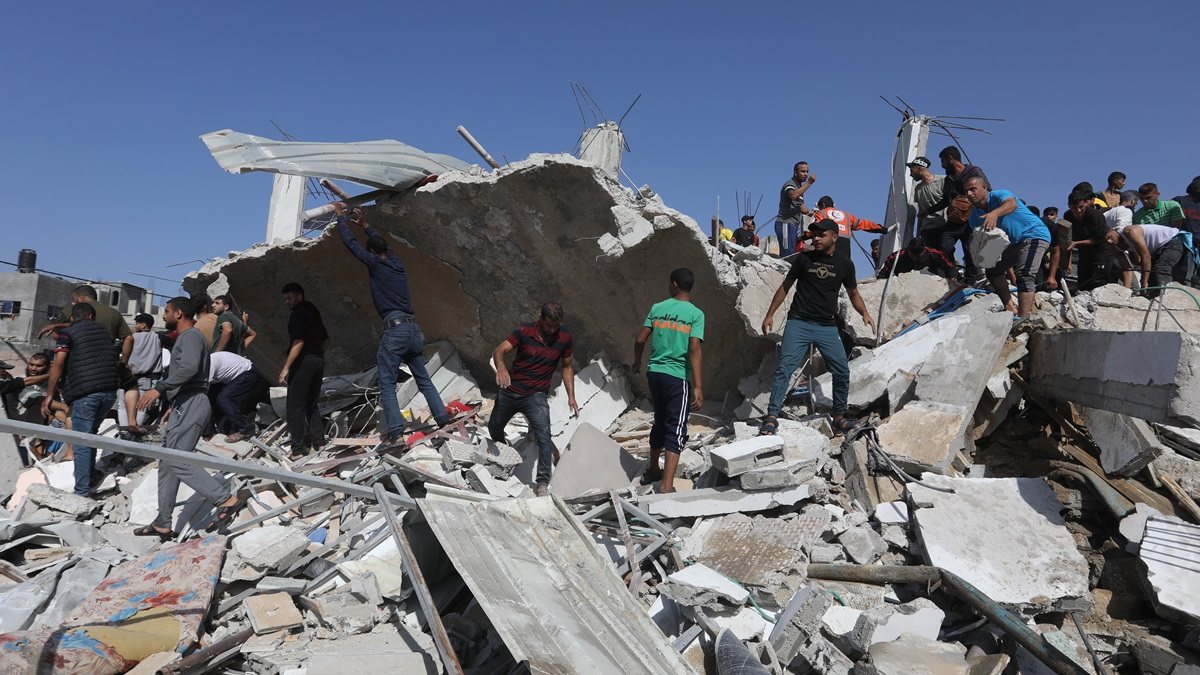
The ongoing conflict between Israel and Hamas has taken a devastating toll on the Palestinian enclave of Gaza, not only in terms of human lives but also on its demographics. According to a recent report by the Palestinian Central Bureau of Statistics (PCBS), Gaza Population decreased by 6% in 2024, representing a loss of approximately 160,000 people.
This sharp decline in population can be attributed to the effects of the war, which has forced hundreds of thousands of Palestinians to flee the region, while others have tragically lost their lives due to Israeli airstrikes and military operations.
As the situation in Gaza continues to escalate, the humanitarian crisis has intensified, leaving the population vulnerable and struggling to survive. This blog will explore the key reasons behind the significant population drop in Gaza, the impact of the war on the residents of the enclave, and how these demographic changes could shape the future of Gaza and its people.
The Impact of the War on Gaza Population
The war between Israel and Hamas, which erupted on October 7, 2023, has devastated Gaza Population. Over the course of the conflict, more than 45,000 Palestinians have been killed, and hundreds of thousands more have been displaced.
The PCBS report highlights that around 100,000 Palestinians have fled Gaza since the war began, seeking refuge in neighboring countries or other parts of the Palestinian territories.
The mass exodus is a result of the relentless Israeli airstrikes, which have destroyed homes, schools, hospitals, and vital infrastructure, making it impossible for residents to continue living in the region.
The loss of life in Gaza has been catastrophic. According to the Palestinian Ministry of Health in Gaza, at least 45,553 Palestinians have been killed in Israeli airstrikes.
Read : Seventh Palestinian Baby Freezes to Death in Gaza
The civilian toll has been especially high, with many of the casualties being women, children, and elderly individuals. The war has also left over 108,000 people injured, many of whom are facing life-threatening injuries and require urgent medical care.
Read : Israel Reportedly Trying to Create Hamas-Free ‘Bubble’ Zones in Gaza
In addition to the physical destruction and loss of life, the war has severely affected Gaza’s healthcare system. The PCBS report revealed that around 60,000 pregnant women in Gaza are in immediate danger due to the lack of adequate healthcare facilities and resources.
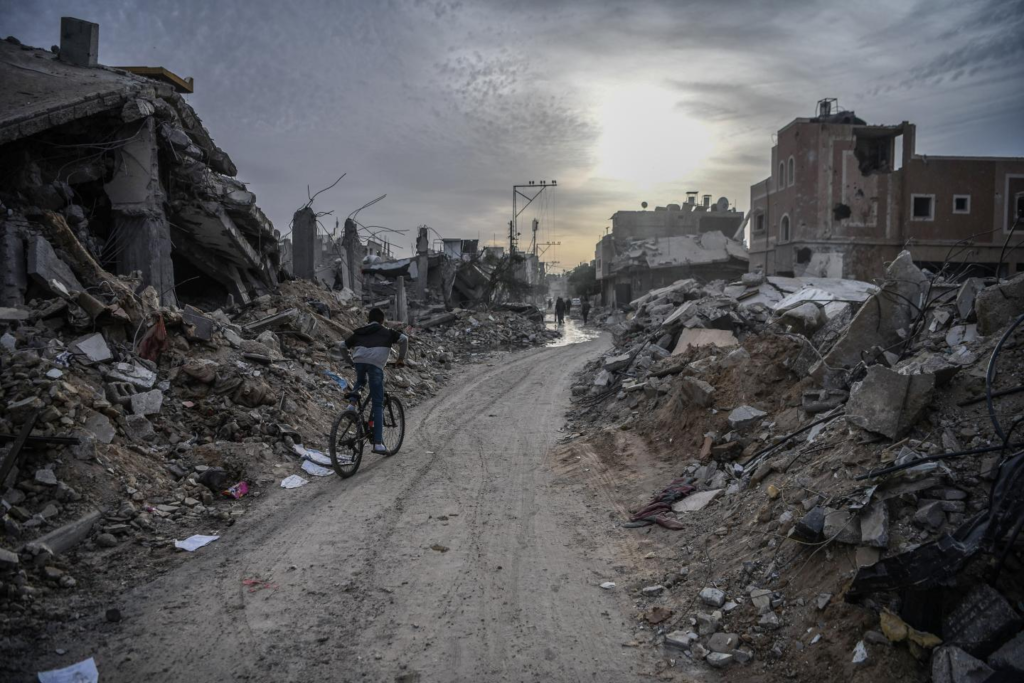
Hospitals are overwhelmed with patients, and the destruction of medical infrastructure has left many people without access to life-saving treatments. With a lack of food, water, and medical supplies, the situation in Gaza has reached a crisis point, with the population facing extreme food insecurity and limited access to basic necessities.
Gaza’s Demographic Changes: The Shift in Population and Age Distribution
The population decline in Gaza is not only a result of emigration and death but also reflects significant changes in the age distribution of the population.
The PCBS report noted that Gaza Population currently stands at approximately 2.1 million, with more than half of that number being children under the age of 18. This age group accounts for 47% of Gaza’s total population, a statistic that underscores the heavy reliance on a young demographic.
However, the ongoing war and its aftermath have placed a tremendous burden on Gaza’s children. The destruction of schools and educational infrastructure, along with the constant threat of airstrikes, has left many children without access to education.
The trauma experienced by young people in Gaza will likely have long-term consequences, affecting their mental and emotional well-being for years to come. The war has also disrupted the growth and development of an entire generation, robbing them of opportunities for a better future.
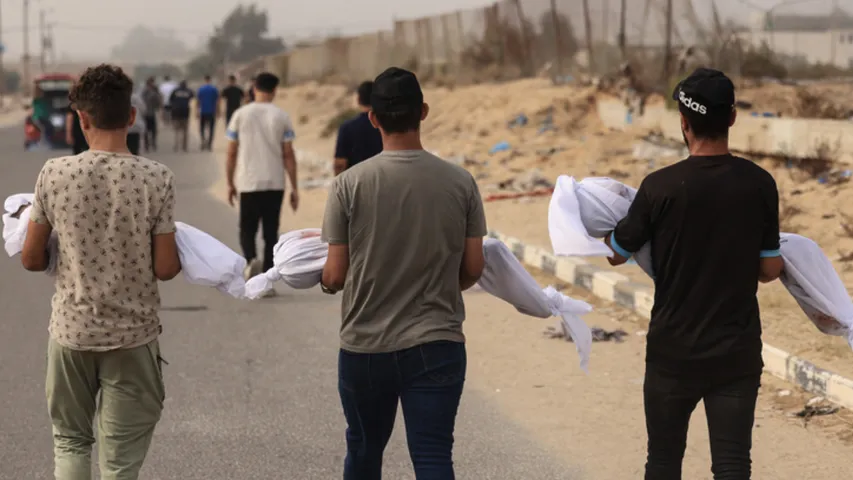
The shift in Gaza’s demographics is further complicated by the lack of healthcare and medical supplies. Many children and pregnant women have been severely affected by the war, with many facing malnutrition, lack of medical care, and psychological trauma.
The growing number of displaced families and refugees has also contributed to the overall decline in Gaza Population, as many people flee to seek safety elsewhere, further straining the region’s already limited resources.
While the future of Gaza Population remains uncertain, these demographic shifts will likely have long-lasting effects on the region. The loss of a significant portion of the population, particularly young people, will create challenges for Gaza’s rebuilding efforts.
The war has not only destroyed physical infrastructure but also devastated the social fabric of the community, leaving scars that may take generations to heal.
The Broader Humanitarian Crisis and Gaza’s Struggle for Survival
The decline in Gaza Population is just one of the many consequences of the ongoing war, which has exacerbated the already dire humanitarian situation in the region.
Gaza has long been grappling with economic hardships, poverty, and a blockade that restricts the movement of people and goods. The war has only worsened these conditions, leaving the population struggling to survive in an increasingly hostile environment.
According to the PCBS report, 96% of Gaza Population is facing high levels of food insecurity. The blockade, combined with the destruction of farmland and agricultural infrastructure, has made it difficult for Gaza’s residents to access sufficient food.
Many families are now dependent on international aid, which is often delayed or insufficient to meet the growing needs of the population. The lack of food, clean water, and medical supplies has created a humanitarian disaster of unprecedented proportions.
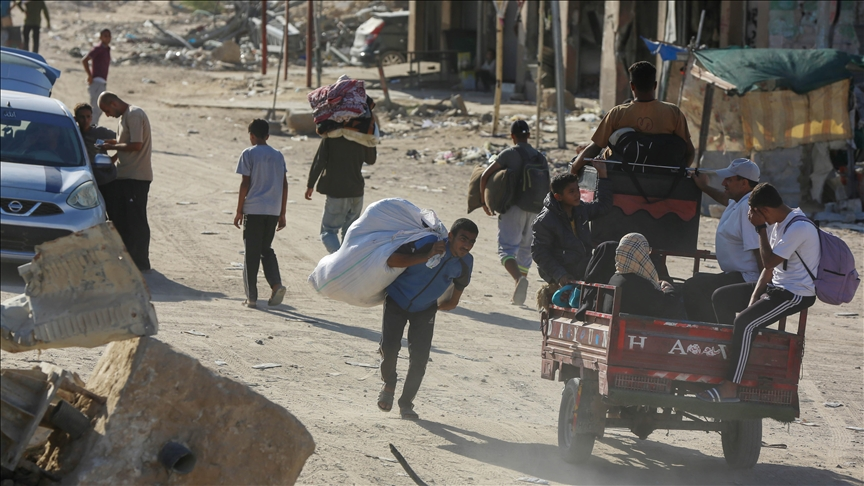
In addition to the immediate physical challenges, the war has also created a climate of fear and uncertainty in Gaza. The constant threat of airstrikes, coupled with the disruption of daily life, has left residents in a state of constant anxiety.
Many people are living in makeshift shelters, struggling to find safety amidst the chaos of the conflict. The psychological toll on the population is immense, with many people experiencing trauma, stress, and depression as a result of the violence and destruction around them.
The international community has expressed concern over the humanitarian crisis in Gaza, with various organizations calling for a ceasefire and greater access for humanitarian aid.
However, despite these appeals, the war continues to rage, and the suffering of Gaza Population shows no signs of abating. As the population continues to decline and the toll on human life increases, the need for urgent humanitarian intervention becomes even more critical.