
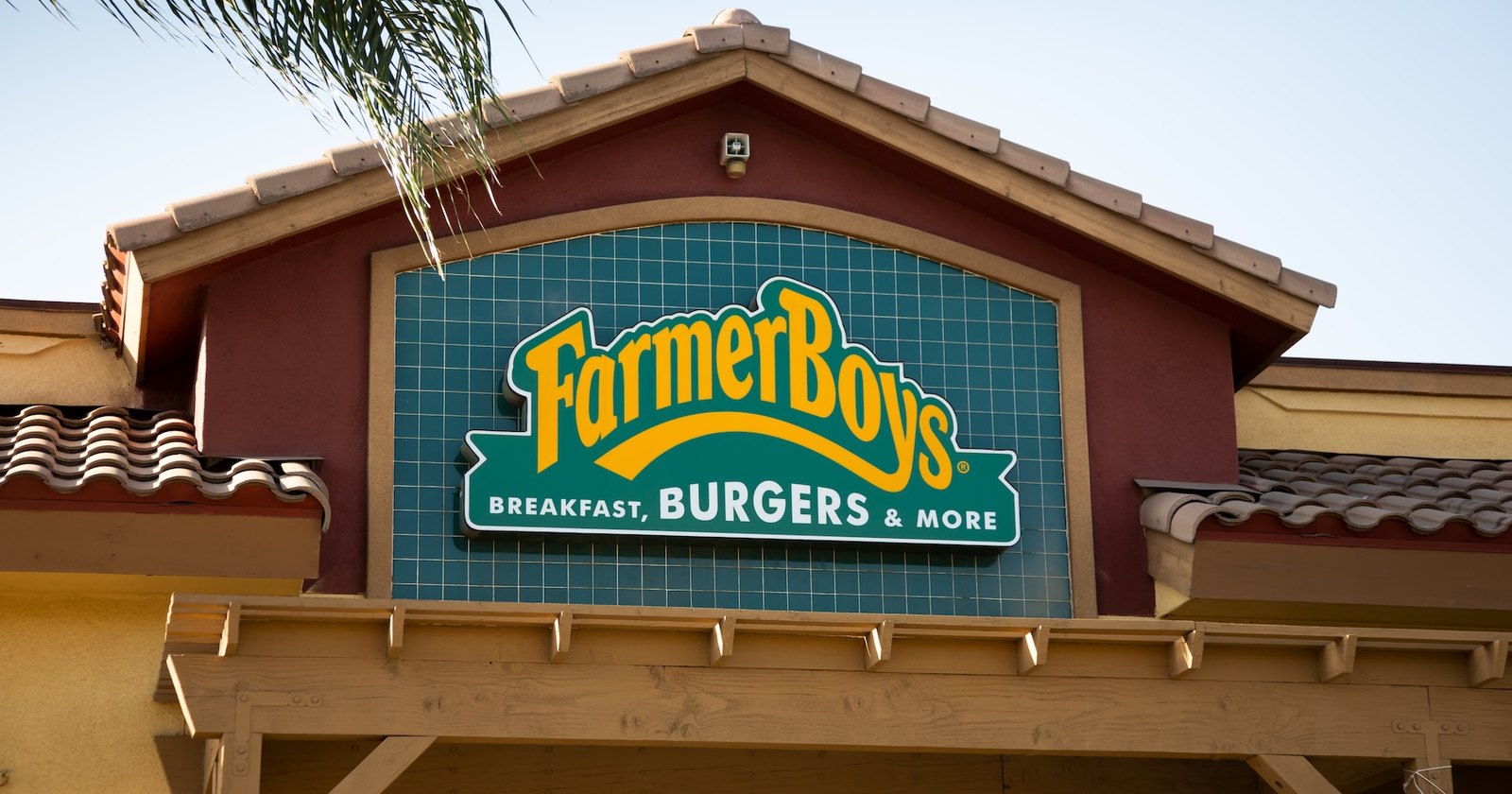
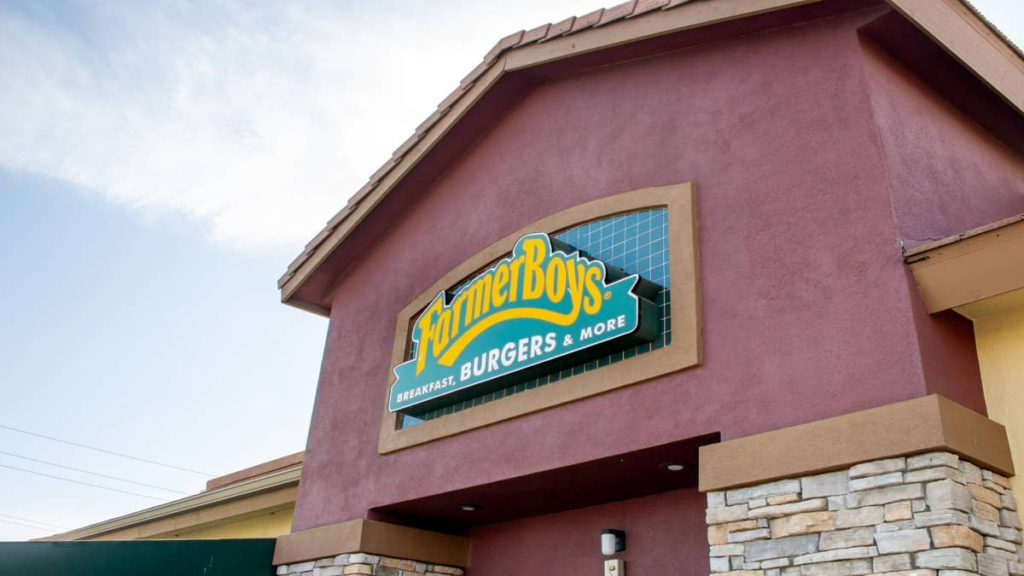
A California-based franchise operator managing a dozen fast-casual burger locations has filed for Chapter 11 bankruptcy protection, underscoring mounting financial pressures within the restaurant industry. Geddo Corp., a 44-year-old franchisee operating 12 outlets across California and Arizona, initiated proceedings on March 31, 2026, in the U.S. Bankruptcy Court for the Central District of California in Santa Ana. The filing reveals a business grappling with liquidity constraints, largely attributed to significant debt obligations tied to merchant cash advance loans.
These financial instruments, often used by small and mid-sized businesses for quick capital, appear to have strained the company’s ability to maintain consistent cash flow, ultimately impacting its ability to meet operational expenses such as vendor payments and rent. The company listed both its assets and liabilities in the range of $1 million to $10 million, indicating a complex financial structure with multiple stakeholders involved.
Among its obligations, approximately $5.2 million in merchant cash advance loans stand out as the most burdensome. These loans, known for their high costs and aggressive repayment structures, have increasingly become a controversial financing option within the restaurant sector. Geddo Corp.’s situation reflects a broader pattern in which franchise operators rely on short-term capital solutions that can quickly escalate into long-term financial distress.
Financial Pressures and the Role of Merchant Cash Advances
Merchant cash advances are often marketed as flexible and accessible funding options, particularly appealing to restaurant operators who may face fluctuating revenue streams. However, the structure of these advances—where repayment is typically tied to daily or weekly revenue withdrawals—can create a cycle of financial strain when business performance declines. For Geddo Corp., lender withdrawals from its accounts significantly reduced available cash flow, leaving the company unable to meet essential obligations such as vendor payments and operational costs.
This issue is not isolated. Across the restaurant industry, especially among franchisees, reliance on such high-interest financing has grown in recent years. While these loans can provide immediate liquidity, they often come with repayment terms that exceed traditional financing costs, making them difficult to sustain over time. In Geddo Corp.’s case, the accumulation of these loans reached a point where repayment obligations outweighed the company’s revenue capacity, effectively pushing it toward insolvency protection.
The company’s list of unsecured creditors further highlights the financial challenges it faces. Its franchisor is among the largest creditors, owed a combined total of over $1 million through various obligations, including a promissory note, back rent, royalties, and an additional loan. Other creditors include equipment leasing firms and private lenders, each representing smaller but still significant liabilities. This distribution of debt illustrates how financial distress can ripple across multiple business relationships, affecting not only the franchise operator but also suppliers, landlords, and financial institutions.
Read : 16 Students Writing Exams Killed After School Collapsed in Nigeria: Watch
The reliance on merchant cash advances also raises questions about financial literacy and risk management within the franchise ecosystem. Many operators enter into these agreements without fully understanding the long-term implications, particularly when multiple advances are taken simultaneously. The compounding effect of these obligations can quickly erode profitability, even for locations that generate steady revenue.
Broader Industry Challenges Facing Burger Chains
Geddo Corp.’s bankruptcy filing comes at a time when the burger industry is facing a range of economic headwinds. Rising labor costs, increasing food prices, and shifting consumer preferences have collectively placed pressure on margins. For franchise operators, these challenges are compounded by fixed costs such as rent and franchise fees, which remain constant regardless of sales performance.
In addition to cost pressures, the industry is also witnessing a strategic recalibration among major chains. Plans to close hundreds of underperforming locations reflect a broader effort to optimize operations and focus on profitability rather than expansion. This trend indicates that even well-established brands are reassessing their footprint in response to changing market conditions.
Read : Penn Brewery Files for Chapter 11 Bankruptcy Protection
For smaller franchise operators like Geddo Corp., these industry-wide shifts can have a disproportionate impact. Unlike larger corporations, franchisees often lack the financial buffers needed to absorb prolonged periods of underperformance. When combined with high-interest debt obligations, even minor declines in revenue can trigger significant financial instability.
Another factor contributing to these challenges is increased competition within the fast-casual and quick-service segments. Consumers now have a wider array of dining options, ranging from healthier alternatives to delivery-focused concepts. This diversification has intensified competition, making it more difficult for traditional burger chains to maintain consistent customer traffic.
Technology and changing consumer behavior have also played a role. The rise of digital ordering, third-party delivery platforms, and shifting dining habits has required restaurants to adapt quickly. For franchise operators already dealing with financial strain, investing in new technologies or adapting to evolving consumer expectations can be particularly challenging.
Geddo Corp.’s situation highlights how these broader industry trends intersect with individual business decisions. While external factors such as economic conditions and competition play a significant role, internal financial strategies—such as reliance on merchant cash advances—can amplify vulnerabilities.
Restructuring Efforts and the Path Forward
Chapter 11 bankruptcy protection provides Geddo Corp. with an opportunity to restructure its debt and operations while continuing to operate its restaurants. This process allows the company to negotiate with creditors, potentially reduce its debt burden, and develop a plan for long-term sustainability. For franchise operators, this legal framework can be a critical tool for avoiding liquidation and preserving business value.
The success of such restructuring efforts often depends on the company’s ability to stabilize its cash flow and address the underlying causes of its financial distress. In Geddo Corp.’s case, this may involve renegotiating or consolidating its merchant cash advance obligations, improving operational efficiency, and reassessing the performance of individual locations. Identifying underperforming outlets and making strategic decisions about closures or improvements could be a key component of its recovery plan.
At the same time, the company will need to rebuild trust with its creditors and business partners. Vendors, landlords, and franchisors play a crucial role in the day-to-day operations of franchise businesses, and maintaining these relationships will be essential for a successful turnaround. Transparent communication and a clear restructuring plan can help facilitate this process.
The broader implications of this case extend beyond a single company. Geddo Corp.’s bankruptcy serves as a cautionary example for other franchise operators, particularly regarding the risks associated with high-cost financing. It underscores the importance of sustainable financial practices and the need for careful evaluation of funding options.
Looking ahead, the restaurant industry is likely to continue evolving in response to economic and consumer trends. Operators who can adapt to these changes while maintaining financial discipline will be better positioned to succeed. For those facing similar challenges, the lessons from Geddo Corp.’s experience may prompt a reevaluation of business strategies and financial management practices.
The outcome of this bankruptcy case will be closely watched, not only by stakeholders directly involved but also by industry observers seeking to understand the evolving dynamics of the fast-casual sector. As Geddo Corp. works through the restructuring process, its ability to emerge as a more stable and sustainable business will depend on both internal reforms and the broader economic environment in which it operates.