
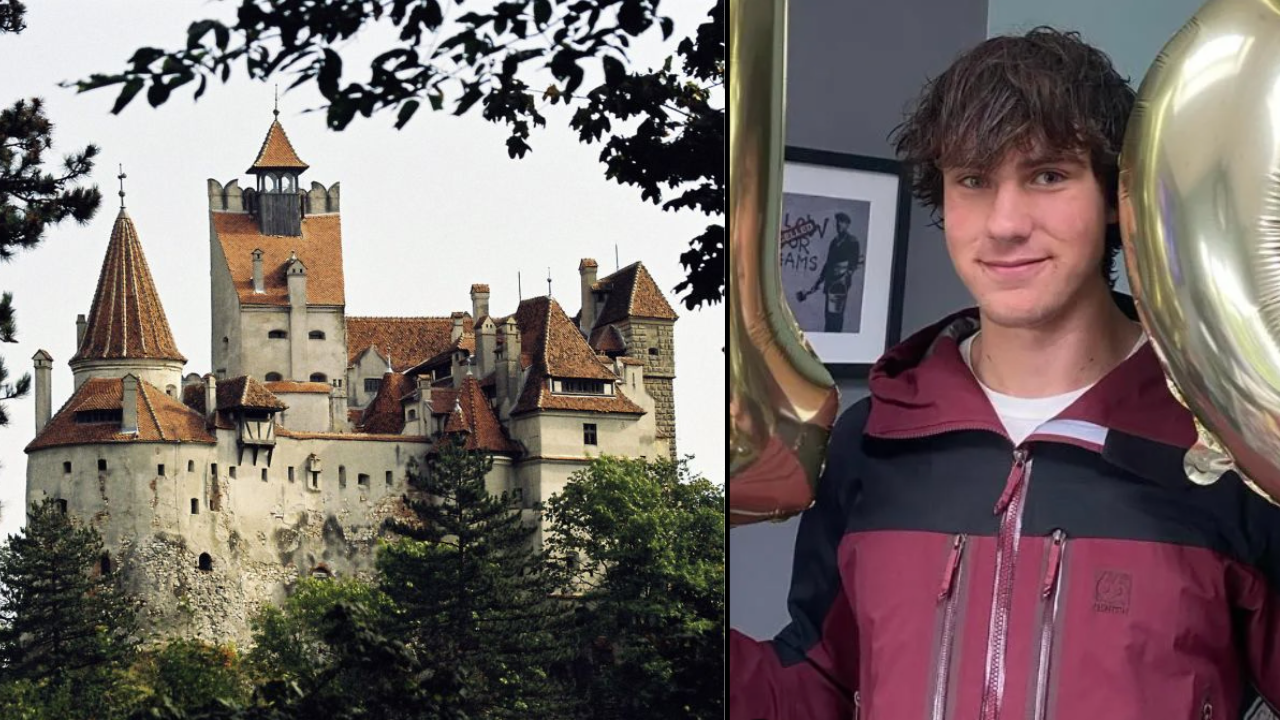
The disappearance of George Smyth, an 18-year-old student from the University of Bristol, has cast a long shadow over his family, friends, and wider communities in the United Kingdom and Romania. What began as a solo hiking trip through one of Eastern Europe’s most dramatic mountain ranges has turned into an unresolved tragedy marked by extreme weather, hazardous terrain, and the agonizing absence of answers.
Nearly two months after George was last heard from, his family has publicly acknowledged their grief, reflecting both the hope that once sustained the search and the painful reality of his continued absence. George went missing on Nov. 14 while hiking in Romania’s Bucegi Mountains, a rugged region of the Southern Carpathians known for sudden weather shifts, steep peaks, and avalanche-prone slopes.
He was reportedly making his way toward the Bran commune near Brașov, a destination globally recognized for Bran Castle, popularly referred to as Dracula’s Castle. The route he chose, while well known to experienced hikers, becomes particularly dangerous in winter conditions, when snow accumulation, fog, and high winds can transform familiar trails into life-threatening environments.
The Disappearance and Emergency Call
According to Romanian authorities, George Smyth was last known to be hiking alone in the Bucegi Mountains when weather conditions deteriorated sharply. On Nov. 23, nine days after setting out, he managed to place an emergency call to Romania’s national emergency number. Rescue officials later said he sounded disoriented, physically exhausted, and was already exhibiting signs of hypothermia. Shortly after that call, he was officially declared missing.
Search operations began soon after, coordinated by Salvamont Brașov, Romania’s mountain rescue service. Sebastian Marinescu, director of Salvamont Brașov, told the BBC that George was believed to be in a very isolated and hard-to-access area. At the time, the region was experiencing extremely severe conditions, including strong winds, heavy snowfall, and dense fog. These factors not only limited visibility but also significantly increased the risk of avalanches, forcing rescuers to proceed cautiously.
During the early stages of the search, George’s backpack was found near the area from which he made his emergency call. According to reports cited by The Times, the backpack contained substantial equipment, including a sleeping bag, a tent, and food supplies. This discovery deepened the mystery surrounding his disappearance, as rescuers struggled to understand why he would have separated from essential survival gear in such hostile conditions.
Marinescu told local media that the presence of this equipment suggested George had been reasonably well-prepared, adding to the uncertainty about what transpired after the emergency call.
Read : Why Venus is Leaking Water into Space Even Today
Despite extensive efforts, including ground searches and monitoring of avalanche-prone zones, no further trace of George has been found. Rescue teams have stated that while active searching has been limited due to safety concerns, specially trained mountain rescuers remain on standby and ready to intervene immediately should new information emerge or weather conditions improve enough to allow renewed operations.
Challenges of the Bucegi Mountains Search
The Bucegi Mountains present some of the most challenging terrain in Romania, particularly during winter months. Peaks rise sharply, trails can disappear under deep snow, and sudden storms are common. For rescue teams, these factors complicate search-and-recovery missions, often making it impossible to access certain areas for weeks or even months at a time.
Officials involved in the search emphasized that the avalanche risk in the area was both high and persistent, with snow continuing to accumulate as winter progressed. Dense fog further reduced visibility, making aerial searches ineffective and ground searches extremely dangerous. In such conditions, even experienced mountaineers face serious risks, and rescue teams must balance urgency with the safety of their personnel.
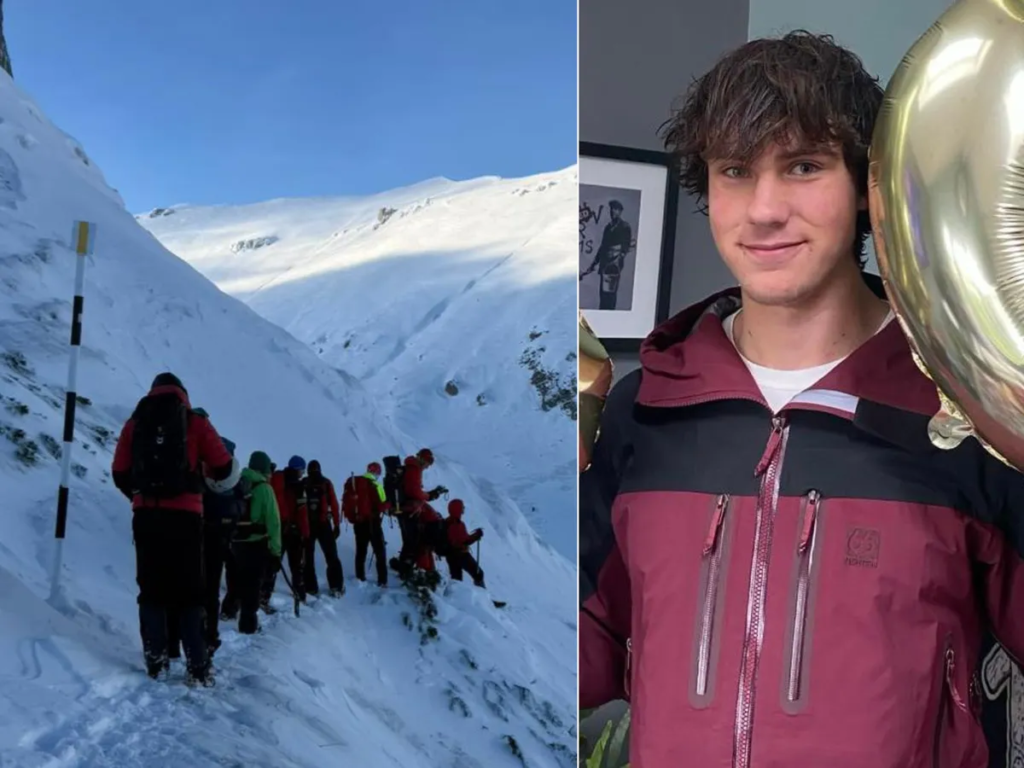
The isolation of the region where George was believed to be hiking has also hindered the search. Unlike popular tourist trails closer to towns or cable car routes, parts of the Bucegi Mountains are rarely traversed during winter. Once a hiker leaves marked paths, locating them becomes exponentially more difficult, particularly after snowfall erases footprints and other signs of passage.
Authorities have not ruled out the possibility that George moved from the location of his emergency call, either in an attempt to seek shelter or while disoriented from hypothermia. Medical experts note that hypothermia can impair judgment, leading individuals to make decisions that may seem illogical, such as discarding equipment or moving in the wrong direction. This possibility has been cited as one explanation for why George’s backpack was found without any sign of him nearby.
While some missing-person cases in mountainous regions are resolved once snow melts and access improves, others remain unanswered for years. Rescue officials have indicated that future searches may be possible when conditions stabilize, but there is no clear timeline for when that might occur.
Family’s Grief and Community Response
Nearly two months after George disappeared, his family released a statement acknowledging what they described as his “sudden loss.” The message was shared via the Facebook page of his rugby team, Newport Salop Rugby Club, and reflected both profound grief and deep appreciation for the support they have received.
In their statement, the family described George as a “phenomenally kind and selfless person,” fiercely loyal to his friends and full of energy and enthusiasm. They spoke of his unique character and the impact he made in his eighteen years, noting that he brought joy and meaning to those around him in ways that will not be forgotten.
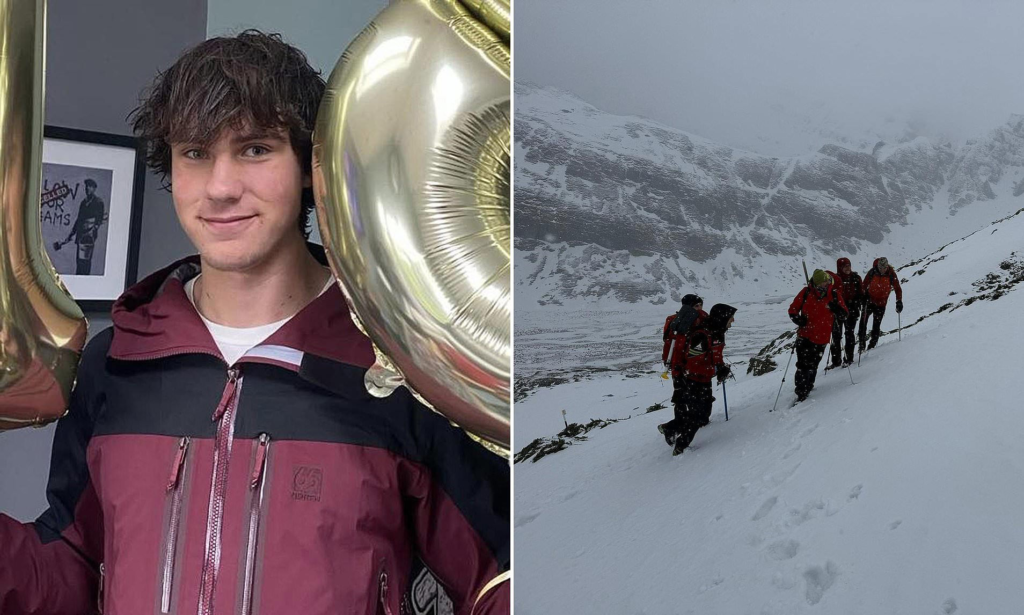
The family also addressed the painful uncertainty surrounding his disappearance. They wrote that it was “cruel beyond belief” that George is now lost to them, while expressing gratitude for the time they shared with him. Their words conveyed the particular anguish faced by families of missing persons, where grief exists alongside lingering hope and unanswered questions.
One of the most poignant lines of the statement reflected the family’s belief that the mountains themselves will eventually release him. “When the mountains that took him are ready to let go, George will be found, and we will bring him home to say goodbye,” they wrote. This sentiment underscores both the emotional toll of waiting and the acceptance that nature, not human effort alone, may determine when answers come.
The family has found some comfort in remembering George through stories shared by friends and loved ones. They invited people to contribute memories, whether short or long, serious or humorous, as a way of honoring his life and preserving his presence within the community. These shared recollections, they said, have helped them reminisce, talk, and even laugh amid overwhelming grief.
Tributes have also come from the University of Bristol, the rugby community, and individuals moved by George’s story across social media. While official institutions declined immediate comment to PEOPLE, the outpouring of personal messages has highlighted how widely George was admired and how deeply his disappearance has resonated.
As winter continues in the Bucegi Mountains, the search for George Smyth remains unresolved. His story stands as a stark reminder of the unpredictability of mountain environments and the profound human cost when adventures take a tragic turn. For now, his family, friends, and rescuers wait, holding on to memories, resilience, and the hope that one day the uncertainty surrounding his disappearance will give way to answers.