
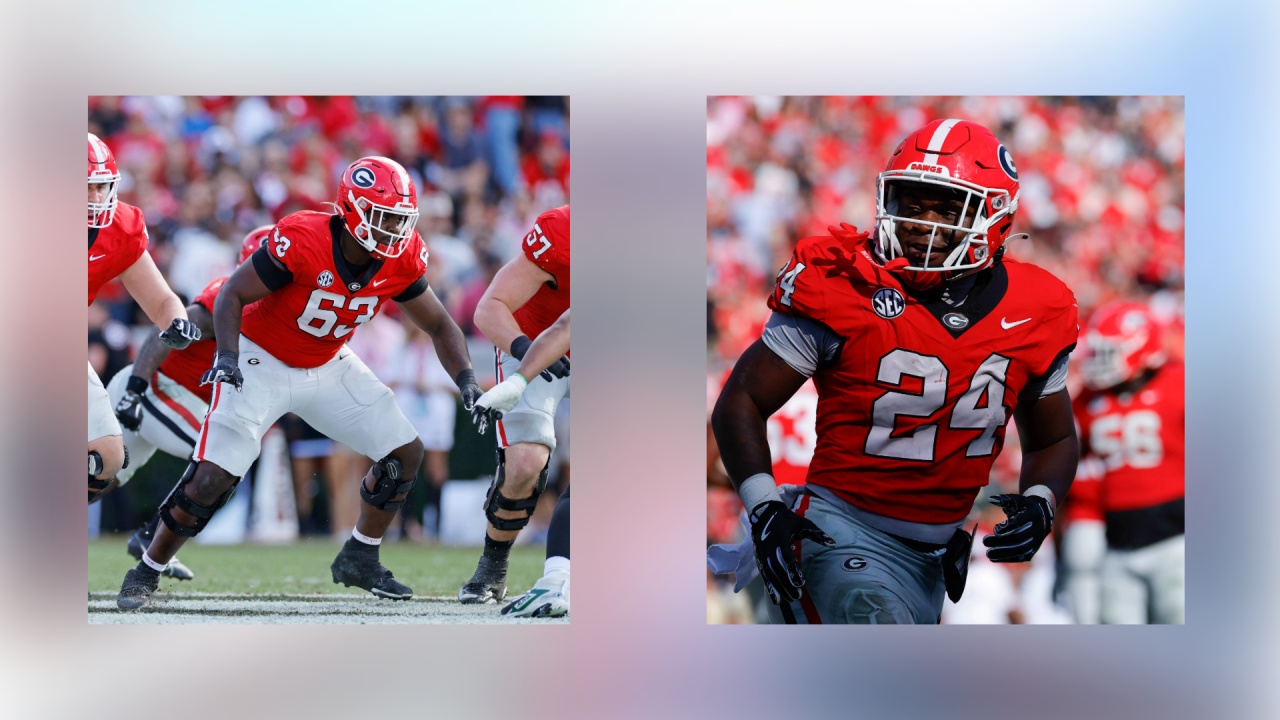
The University of Georgia football program found itself facing unwelcome scrutiny this week after two freshman players were arrested on misdemeanor shoplifting charges in Athens. Offensive lineman Dontrell Glover and running back Bo Walker were taken into custody Friday night following an incident at a local Walmart, just days after the Bulldogs’ high-profile victory in the SEC Championship Game. The arrests come at a moment when Georgia is preparing for a College Football Playoff appearance, adding an off-field distraction to a program already navigating recent legal issues involving other players.
According to reporting by the Athens Banner-Herald, Glover and Walker were booked into the Clarke County Jail on two counts of misdemeanor shoplifting each. Both players were arrested Friday evening and released later that night on bond totaling $1,526. No further details about the alleged items involved or the circumstances surrounding the arrests were immediately released, and the case remains pending as legal proceedings move forward.
The university acknowledged awareness of the situation but declined to offer substantive comment. In a brief statement, Georgia spokesperson Steve Drummond said the athletic department was in the process of gathering additional information and emphasized that it was a pending legal matter. As is typical in such cases, the program has not indicated whether internal disciplinary measures will be taken until the legal process advances further.
Details of the Arrests and Legal Context
The arrests occurred in Athens, the longtime home of the University of Georgia, where student-athletes are subject to both university conduct standards and local law enforcement jurisdiction. Under Georgia law, misdemeanor shoplifting charges can apply when the value of the allegedly stolen merchandise falls below felony thresholds or when aggravating factors are not present. While misdemeanor charges are less severe than felony offenses, they still carry potential penalties, including fines, probation, and possible jail time, depending on the circumstances and prior records.
Glover and Walker were booked and released on bond within a relatively short period, suggesting that the charges did not involve violence or escalation beyond the alleged theft. However, even minor criminal charges can have significant consequences for student-athletes at a major collegiate program. NCAA rules, institutional codes of conduct, and team policies often impose additional consequences independent of the criminal justice system.
The University of Georgia has not yet announced whether the players will face suspensions, team-imposed discipline, or other sanctions. Historically, head coach Kirby Smart has emphasized accountability and adherence to team standards, but disciplinary responses have varied depending on the severity and context of each incident. In similar past cases across college football, players charged with misdemeanors have faced outcomes ranging from temporary suspensions to mandatory counseling or community service.
Read : The Titans of Football: Exploring the World’s Seven Largest Stadiums
The timing of the arrests has also drawn attention. The Bulldogs had just secured the SEC Championship with a win over Alabama, a victory that solidified Georgia’s position as a national title contender. The celebration period following major postseason achievements often places players under heightened public scrutiny, making any off-field issues more visible and potentially more damaging to a program’s public image.
Player Backgrounds and On-Field Contributions
Dontrell Glover and Bo Walker entered the Georgia program with different roles and levels of on-field impact during the 2025 season. Glover, an offensive lineman, emerged as one of the more significant contributors among Georgia’s freshmen. He started 11 games during the season and earned a spot on the All-SEC freshman team, an acknowledgment of his performance and potential. Starting nearly a full season as a freshman at an elite program like Georgia is a notable achievement, particularly along the offensive line, where experience and physical maturity are often critical.
Read : Controversial! Branham High School Students Form Human Swastika on Football Field
Dontrell Glover’s role placed him in the spotlight as part of an offensive unit tasked with protecting the quarterback and establishing the running game in high-stakes matchups. His recognition by conference coaches and media suggested that he was viewed as a foundational player for Georgia’s future, making his arrest particularly concerning from a program-building perspective.
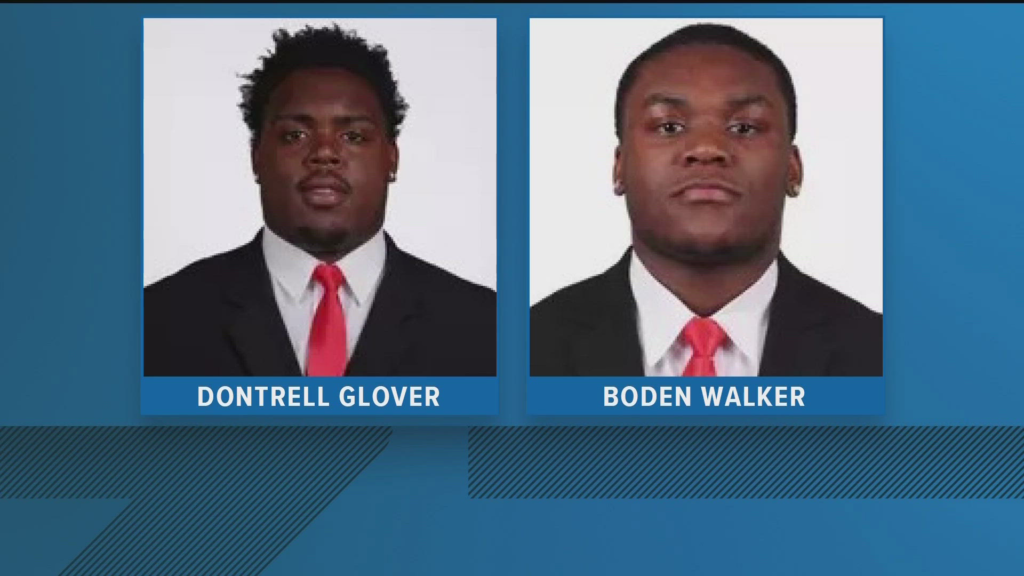
Bo Walker’s on-field contributions were more limited but still meaningful. The freshman running back appeared in six games during the season, rushing for 100 yards and scoring three touchdowns. While he did not hold a starting role, his appearances indicated that the coaching staff trusted him enough to contribute in live game situations, often a sign of developmental promise for younger players in a deep and competitive roster.
Both players were at early stages in their collegiate careers, balancing athletic demands with academic and personal adjustments. For many freshmen, the transition to college athletics includes managing newfound independence, increased visibility, and pressure to perform both on and off the field. Incidents like this often reignite broader discussions about support systems, mentorship, and accountability within high-profile athletic programs.
Broader Implications for the Georgia Football Program
The arrests of Glover and Walker are not occurring in isolation. Just one month earlier, another Georgia offensive lineman, Nyier Daniels, was dismissed from the team after being arrested on more than a dozen criminal charges. Daniels was accused of attempting to flee from police north of Athens, an incident that ultimately led head coach Kirby Smart to remove him from the roster. That case underscored the program’s willingness to take decisive action in response to serious legal issues.
While the charges facing Glover and Walker are far less severe than those in the Daniels case, the cumulative effect of multiple off-field incidents can pose challenges for any program, particularly one with championship aspirations. Repeated legal troubles can prompt increased scrutiny from university leadership, alumni, and fans, as well as from the media and NCAA observers.
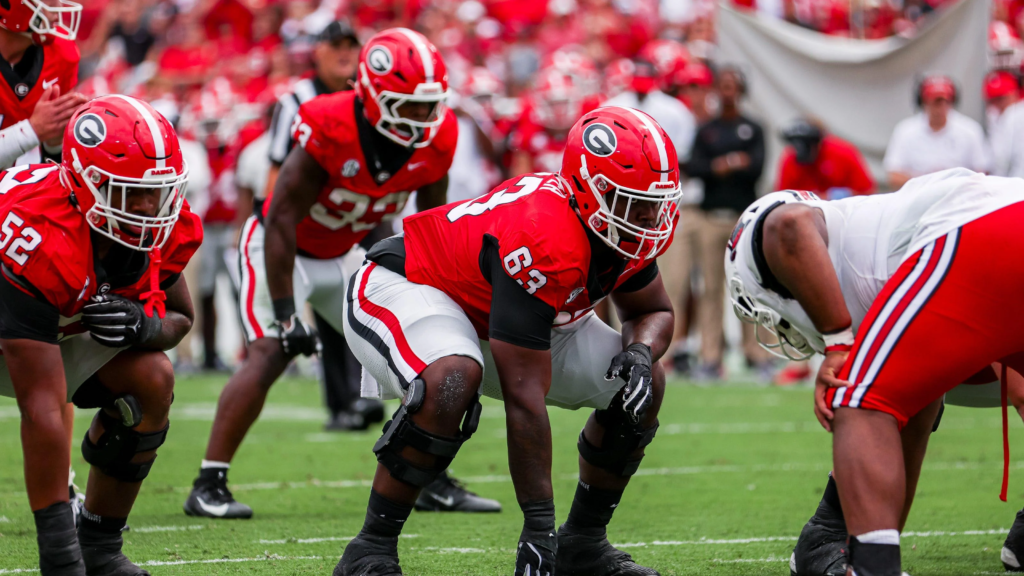
From a competitive standpoint, the immediate impact on Georgia’s upcoming College Football Playoff game remains unclear. The Bulldogs are scheduled to play on January 1 against the winner of the Ole Miss-Tulane matchup in the playoff quarterfinals. If disciplinary measures are imposed before that game, Georgia’s depth and preparation could be affected, especially if Dontrell Glover, a regular starter, is unavailable. Offensive line continuity is often critical in postseason play, where opponents are among the nation’s best.
At the same time, Georgia’s roster depth is among the strongest in college football, a factor that has helped the program maintain consistency despite injuries or personnel changes. Whether that depth extends sufficiently to absorb the loss of a starting freshman lineman, even temporarily, would be tested if suspensions are handed down.
The situation also highlights the ongoing challenge for elite programs of managing large rosters filled with young athletes. Georgia recruits nationally and competes for top talent, many of whom arrive on campus with significant expectations and public attention. Ensuring that players understand legal responsibilities and personal conduct expectations is an ongoing process that extends beyond preseason meetings or written policies.
As the legal process unfolds, the university and coaching staff will likely continue to gather information before determining next steps. The outcome of the misdemeanor cases, whether through dismissal, plea agreements, or other resolutions, may influence how the program responds internally. In the meantime, Georgia remains focused on its postseason goals, even as off-field developments add complexity to an otherwise successful season.
The arrests of Dontrell Glover and Bo Walker serve as a reminder that college football programs operate within broader social and legal frameworks, where success on the field does not shield individuals from accountability off it. How Georgia navigates this situation may shape perceptions of the program’s culture and leadership as much as the results of its playoff run.
Sup folks! jljl533 looks legit enough. Have a gander at jljl533