
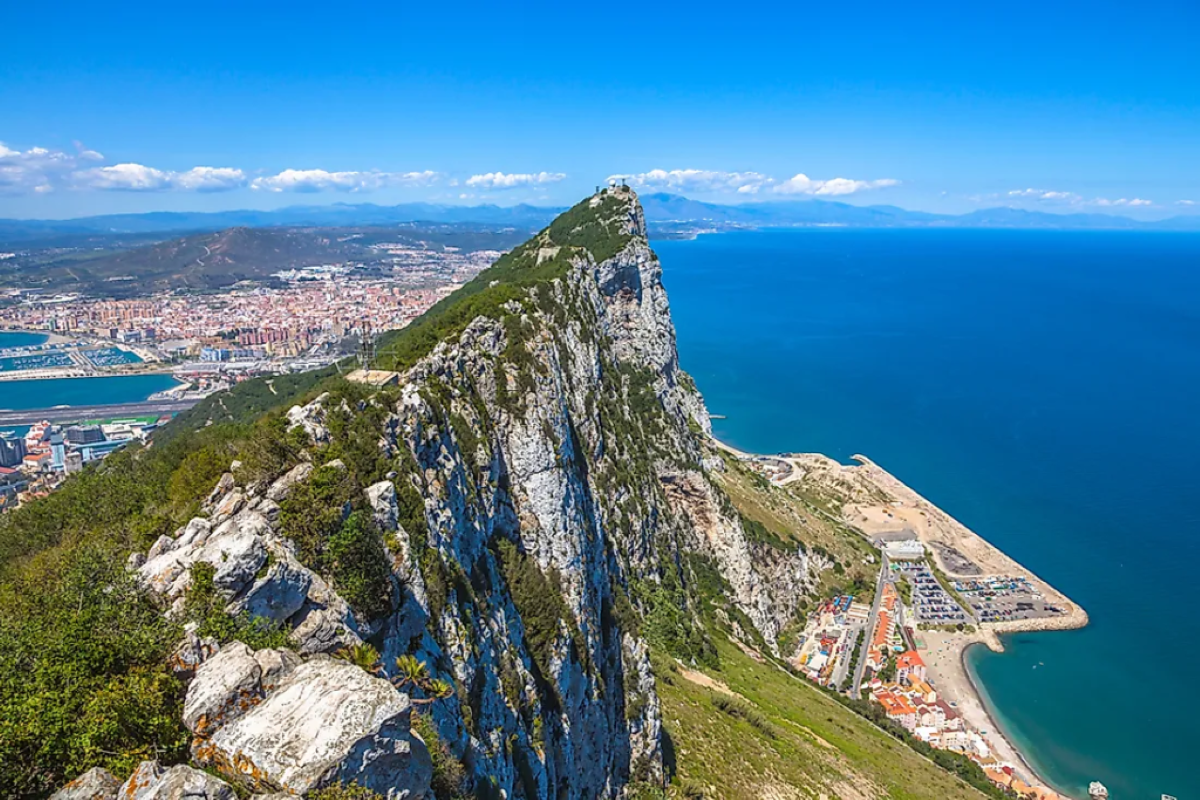
Gibraltar, a British Overseas Territory located at the southern tip of the Iberian Peninsula, is known for its stunning landscapes, rich history, and strategic significance. Covering an area of just 6.7 square kilometers (2.6 square miles), Territory is a unique blend of British and Mediterranean cultures, attracting visitors with its natural beauty and historical landmarks.
Table of Contents
Geography
Territory is situated at the entrance of the Mediterranean Sea, bordering Spain to the north and facing the Atlantic Ocean to the south. The iconic Rock of Gibraltar dominates the landscape, rising to a height of 426 meters (1,398 feet) and providing breathtaking views of the surrounding area. The territory is characterized by its limestone cliffs, coastal beaches, and diverse ecosystems, making it a popular destination for nature enthusiasts.
The location of Territory has historically made it a vital strategic point for naval and military operations. The narrow Strait of Gibraltar, just 13 kilometers (8 miles) wide at its narrowest point, separates Europe from Africa and serves as a crucial passage for ships traveling between the Atlantic Ocean and the Mediterranean Sea. This geographical significance has shaped Territory’s history and development over the centuries.
States of Gibraltar
This Territory does not have states like a larger country; instead, it is a British Overseas Territory. It is governed as a single entity and does not have subdivisions such as states or provinces. The territory is divided into 14 districts, but these are not considered states. Here’s a table listing the districts:
| No. | District |
|---|---|
| 1 | Alameda |
| 2 | Catalan Bay |
| 3 | Central Gibraltar |
| 4 | Eastside |
| 5 | Glacis |
| 6 | Gibraltar Town |
| 7 | Moorish Castle |
| 8 | Ocean Village |
| 9 | South District |
| 10 | Upper Town |
| 11 | Westside |
| 12 | Camp Bay |
| 13 | Sandy Bay |
| 14 | Queensway |
History
The history of This Territory dates back thousands of years, with evidence of human habitation since prehistoric times. The Rock of Gibraltar was known to the ancient Greeks and Romans, who referred to it as one of the Pillars of Hercules. The territory has seen a variety of rulers throughout its history, including the Moors, who occupied Gibraltar for several centuries.
In 1704, during the War of the Spanish Succession, British forces captured Gibraltar, and it was ceded to Britain in the Treaty of Utrecht in 1713. Since then, Gibraltar has remained a British territory, with its strategic position playing a crucial role in naval warfare and trade during the 18th and 19th centuries.
The Great Siege of Gibraltar (1779-1783) marked a significant event in the territory’s history when Spanish and French forces attempted to reclaim it from British control. The British successfully defended Gibraltar, solidifying its status as a key military stronghold.
Throughout the 20th century, Gibraltar continued to play a strategic role during both World Wars. The territory’s unique status and location have led to ongoing political discussions between Britain and Spain, with Spain asserting its claim over Gibraltar. Despite this, the residents of The territory have consistently expressed their desire to remain a British territory.
Top Ten Most Famous Places to Visit
The Rock of Gibraltar
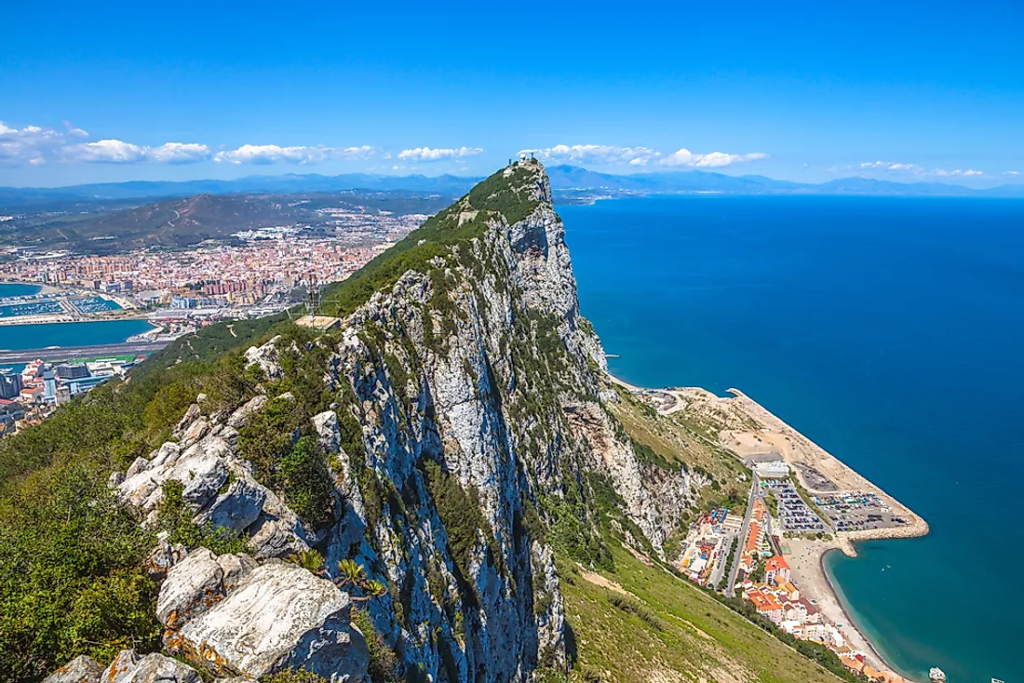
The Rock of Gibraltar is the most iconic landmark in the territory, offering stunning panoramic views of the surrounding area. Visitors can take a cable car to the summit, where they can explore the nature reserve and encounter the famous Barbary macaques. The rock is also home to a network of tunnels and caves, adding to its historical significance.
St. Michael’s Cave

St. Michael’s Cave is a breathtaking natural wonder located within the Rock of Gibraltar. The cave features impressive stalactites and stalagmites, and its interior is illuminated with colorful lights, creating a magical atmosphere. Visitors can explore the cave’s chambers and learn about its geological history.
The Moorish Castle
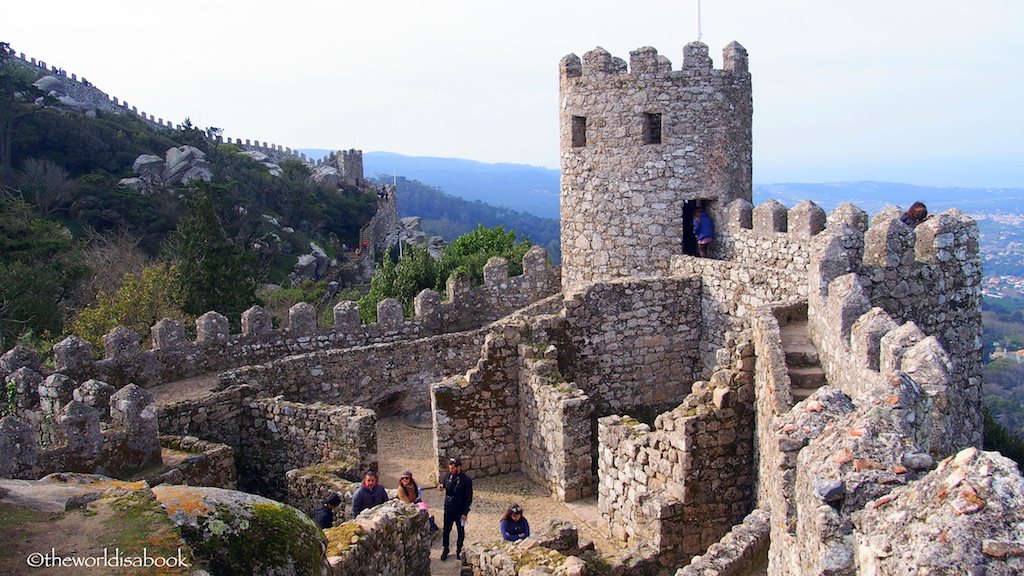
The Moorish Castle, built during the 8th century, is a historic fortress that showcases Gibraltar’s Islamic heritage. The castle features impressive towers and walls, offering visitors a glimpse into the territory’s past. The views from the castle provide a stunning backdrop for photographs.
The Great Siege Tunnels
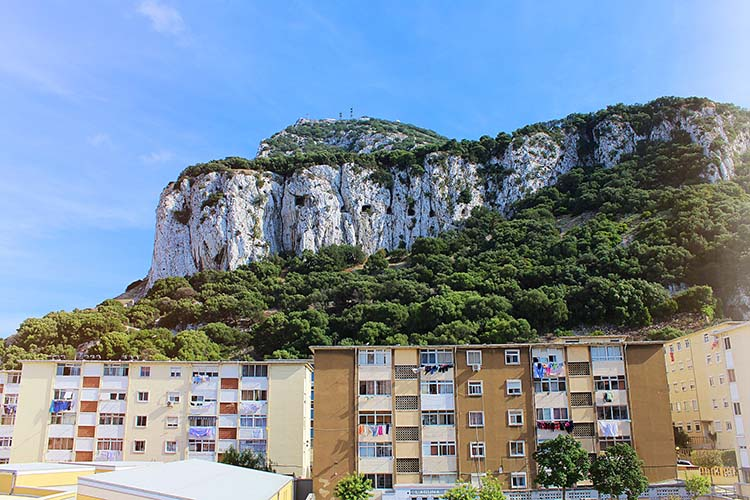
The Great Siege Tunnels are a remarkable feat of engineering, created during the Great Siege of Gibraltar. Visitors can explore these tunnels, which were used for military purposes during the siege. The tunnels provide insight into the territory’s military history and the challenges faced by the British defenders.
Europa Point
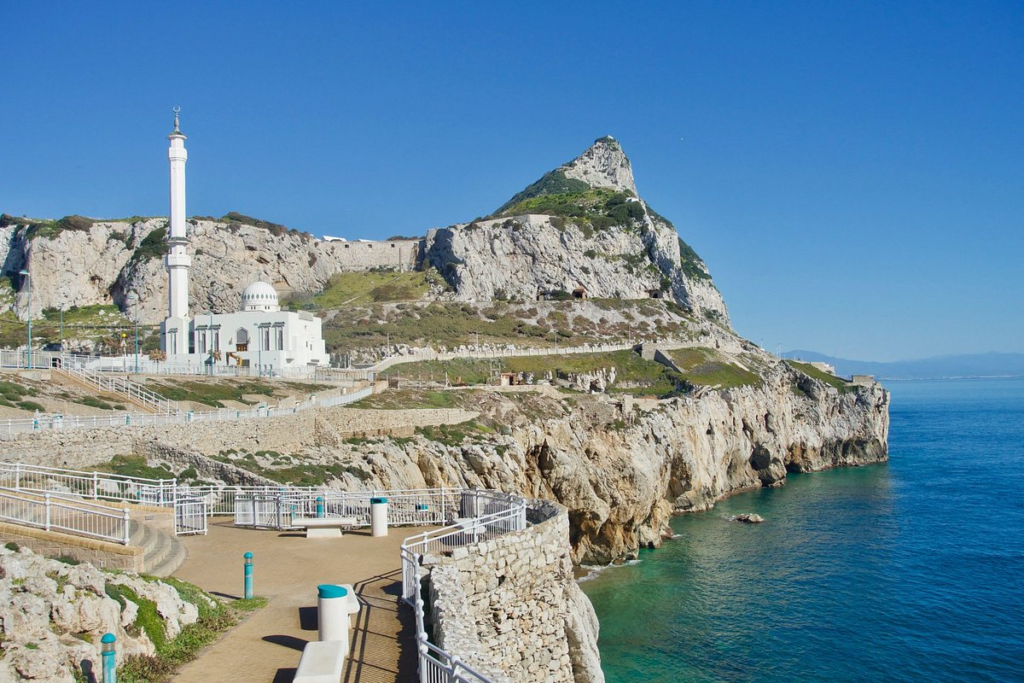
Europa Point is the southernmost point of Gibraltar, offering breathtaking views of the Mediterranean Sea and the coast of Africa. The iconic lighthouse at Europa Point is a popular spot for visitors, who come to enjoy the stunning scenery and watch for ships passing through the Strait of Gibraltar.
The Gibraltar Nature Reserve
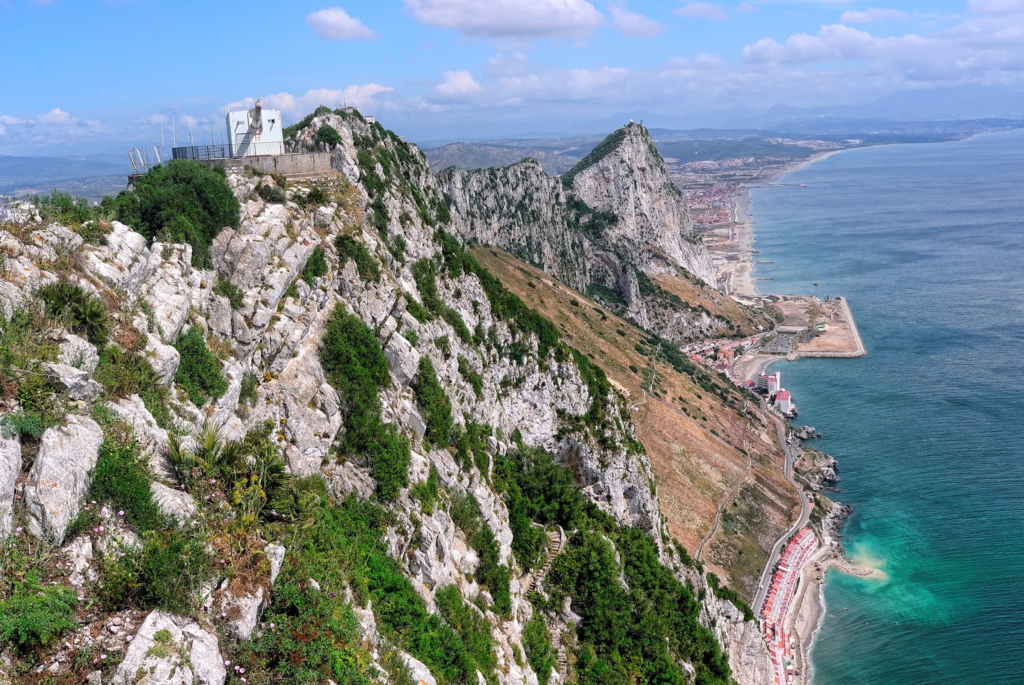
The Gibraltar Nature Reserve encompasses a large area of the Rock and is home to diverse flora and fauna. Visitors can hike through the reserve, exploring its scenic trails and observing the unique wildlife, including the famous Barbary macaques. The reserve provides an excellent opportunity for nature lovers to connect with the local ecosystem.
The Gibraltar Museum
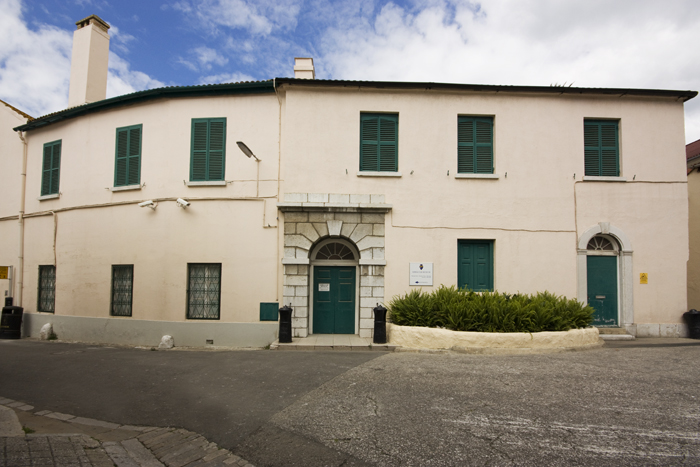
The Gibraltar Museum offers a fascinating insight into the territory’s history, culture, and natural environment. The museum features a collection of artifacts, including archaeological finds and displays related to Gibraltar’s military history. Visitors can learn about the rich heritage of the territory through engaging exhibits.
The Cathedral of Saint Mary the Crowned
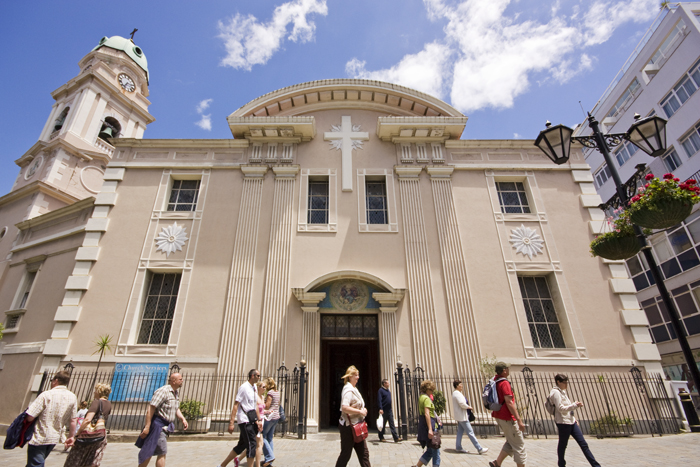
The Cathedral of Saint Mary the Crowned is a historic church located in the heart of Gibraltar. Built in the 15th century, the cathedral features stunning architecture and beautiful stained glass windows. It serves as a place of worship and a significant cultural landmark in the territory.
Ocean Village
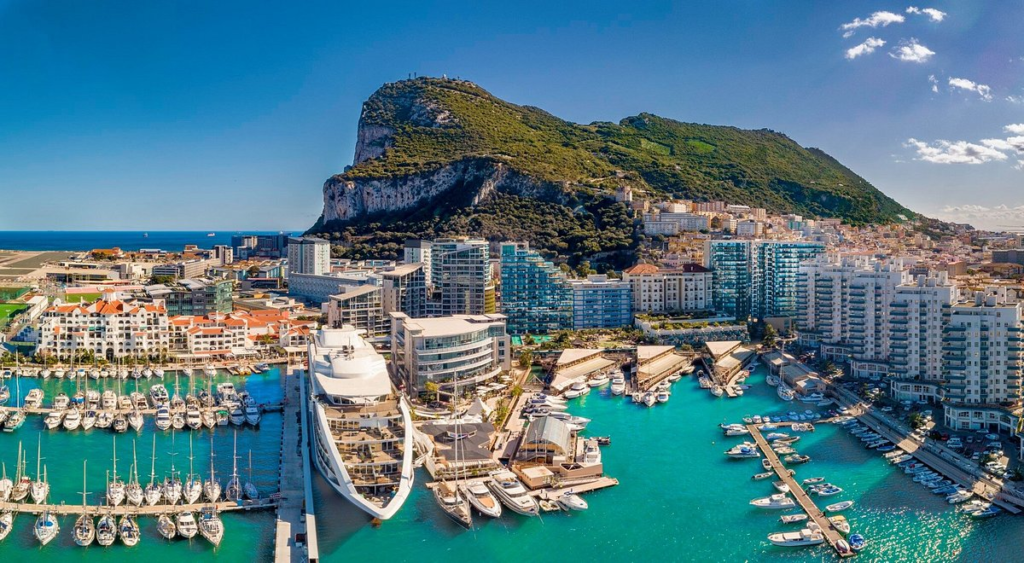
Ocean Village is a vibrant marina and entertainment complex that offers a variety of dining, shopping, and leisure options. Visitors can stroll along the waterfront, enjoy a meal at one of the many restaurants, or relax by the marina while taking in the picturesque views.
The Peace Statue
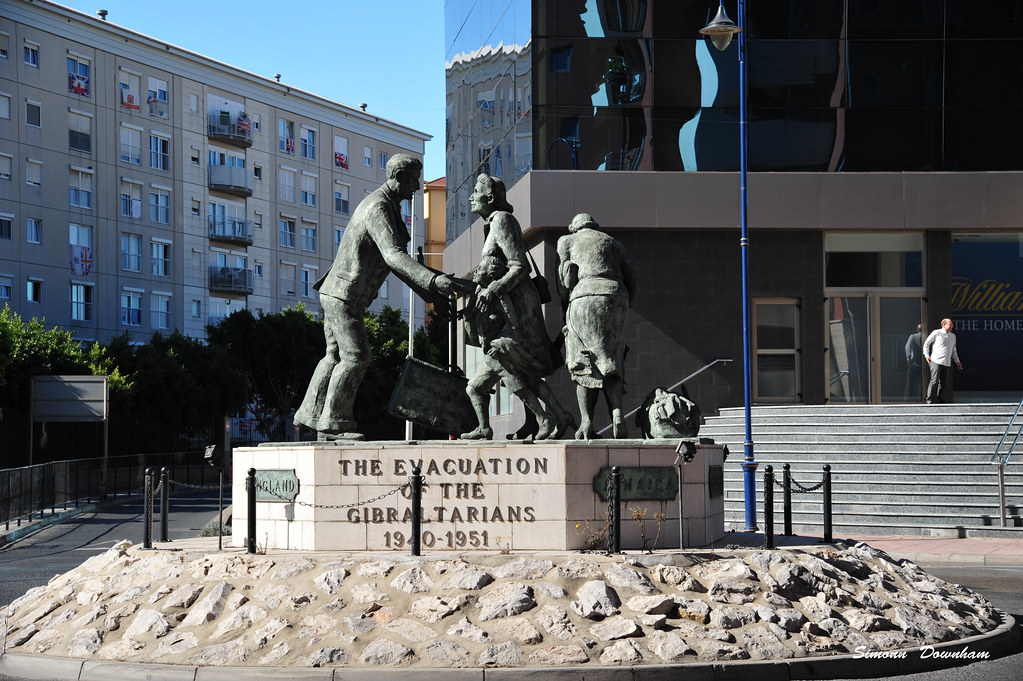
The Peace Statue, located at the entrance to the Gibraltar harbor, is a symbol of the territory’s commitment to peace and reconciliation. The statue, which depicts a soldier and a child, serves as a reminder of Gibraltar’s history and its desire for a harmonious future.
Culture
The official language of The territory is English, which is widely spoken among the population. Due to its geographical location and historical influences, Spanish is also commonly used, particularly among the local Spanish-speaking community. Additionally, Gibraltarians often speak a unique dialect known as Llanito, which incorporates elements of English, Spanish, and various Mediterranean languages, reflecting the territory’s multicultural heritage.
Gibraltar’s lifestyle is characterized by a blend of British and Mediterranean influences. The residents enjoy a relaxed pace of life, with a strong sense of community and family values. The territory hosts a variety of cultural events and festivals throughout the year, celebrating its diverse heritage.
The territory take pride in their rich history and traditions, often reflecting on their unique identity as a British territory with deep-rooted ties to Spain. The local cuisine is a reflection of this cultural fusion, featuring traditional dishes from both British and Mediterranean cuisines.
The territory boasts a rich tapestry of traditions and customs that celebrate its multicultural heritage. Major festivals, such as the Gibraltar Music Festival and National Day, bring the community together to celebrate local culture and history. The annual National Day, celebrated on September 10, marks the anniversary of a referendum in which Gibraltarians overwhelmingly voted to remain British.
The territory also hosts various religious and cultural events, showcasing its diverse population. The fusion of British and Mediterranean traditions is evident in local celebrations, cuisine, and daily life.
Festivals
The territory hosts a variety of festivals throughout the year, celebrating its culture and heritage. One of the most significant events is National Day, observed on September 10, where residents participate in parades, concerts, and community activities to commemorate their identity as Gibraltarians.
Other notable festivals include the Gibraltar Music Festival, which features local and international artists, and the Gibraltar Jazz Festival, showcasing talented jazz musicians. These events provide opportunities for residents and visitors to come together, enjoy live performances, and celebrate the vibrant culture of Gibraltar.
Economy
The territory economy is primarily driven by tourism, financial services, shipping, and online gaming. The territory attracts millions of visitors each year, drawn by its historical landmarks, natural beauty, and duty-free shopping. The financial sector is robust, with a focus on international business and services, providing a favorable environment for companies to operate.
Additionally, The territory’s strategic location makes it an essential shipping hub, facilitating trade and commerce in the region. The government has actively promoted the development of the online gaming industry, contributing significantly to the local economy.
Tourism
Tourism plays a crucial role in Gibraltar’s economy, with millions of visitors flocking to the territory to explore its unique attractions. Popular tourist sites, such as the Rock of Gibraltar, the Gibraltar Nature Reserve, and the historic sites, draw travelers from around the world.
The territory’s mild climate, stunning landscapes, and rich cultural heritage make it an appealing destination for tourists seeking diverse experiences. The government has invested in improving infrastructure and promoting events to enhance the visitor experience and sustain the growth of tourism in Gibraltar.
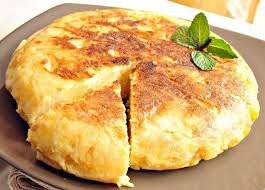
Top Ten Most Famous Food






Interesting Facts About
- The territory is home to the only wild monkeys in Europe, known as Barbary macaques.
- The Rock of Gibraltar is a UNESCO World Heritage site.
- The territory has a population of approximately 34,000 residents.
- The territory is famous for its unique blend of British and Mediterranean cultures.
- The iconic lighthouse at Europa Point is one of the oldest in the region.
- The territory has a 24-hour border with Spain, allowing easy access between the two.
- The territory’s name is derived from the Arabic word “Jabal Tariq,” meaning “Mountain of Tariq.”
- The territory is strategically positioned at the entrance of the Mediterranean Sea, controlling naval traffic.
- The Great Siege of Gibraltar lasted for over three years, making it one of the longest sieges in history.
- The territory celebrates its National Day on September 10, commemorating its desire to remain British.
Future Perspective
The future of The territory is focused on maintaining its unique identity while navigating the challenges posed by its geographical and political situation. As a British Overseas Territory, The territory aims to strengthen its economy through tourism, financial services, and online gaming while fostering positive relations with neighboring Spain.
The government is committed to sustainability and environmental conservation, ensuring that the natural beauty of the territory is preserved for future generations. By promoting cultural heritage and enhancing the visitor experience, The territory seeks to remain a vibrant and attractive destination in the Mediterranean.
Conclusion
Gibraltar is a captivating destination that offers a unique blend of history, culture, and stunning landscapes. From the iconic Rock of Gibraltar to its rich cultural traditions, the territory has much to offer visitors. As a British Overseas Territory with a diverse heritage, Gibraltar continues to thrive as a tourist hotspot while maintaining its distinct identity. With its strategic location and commitment to sustainability, Gibraltar is poised for a promising future, attracting travelers from around the world to explore its treasures.