
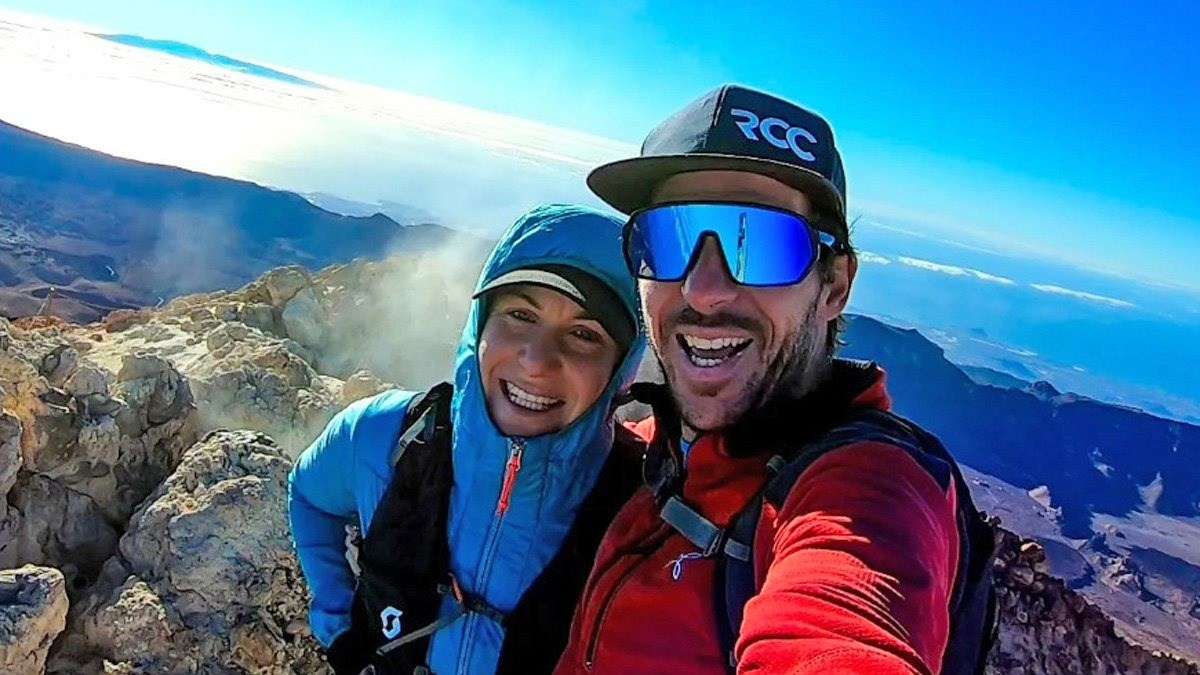
The tragic death of a young woman on Austria’s highest mountain has drawn intense public attention, legal scrutiny, and ethical debate within alpine communities across Europe and beyond. A climber was convicted of gross negligent manslaughter after his girlfriend died from hypothermia during a winter ascent of Grossglockner in January 2025. The case has become a stark example of how extreme environments, personal judgement, and legal responsibility can intersect in fatal ways.
The man, identified in court proceedings only by his first name and initial due to Austrian privacy laws, received a five-month suspended sentence along with a substantial financial penalty. The court acknowledged his previously clean record and personal loss as mitigating factors. However, the ruling ultimately concluded that his decisions during the climb placed his partner in a situation that proved fatal. The proceedings examined not only what happened on the mountain that night but also broader questions about responsibility in high-risk environments where experience levels differ between climbers.
Evidence presented during the trial included rescue testimony, weather conditions, previous incidents involving the climber, and video footage captured from mountain webcams and a police helicopter. The sequence of events revealed a prolonged struggle near the summit in extreme winter conditions, culminating in a delayed call for help and the climber’s decision to leave his partner behind while he continued to the summit and descended. These details formed the basis of the prosecution’s argument that he had failed in a duty of care expected from the more experienced member of the climbing pair.
The Fatal Ascent and Changing Conditions
The climb took place in one of the most unforgiving alpine environments in Central Europe. Winter conditions on Austria’s highest peak can change rapidly, with strong winds, extreme cold, and treacherous terrain posing constant threats even to highly skilled mountaineers. On the night of the incident, temperatures hovered well below freezing, with wind chill intensifying the danger significantly. Prosecutors stated that winds reached speeds capable of destabilising climbers and worsening the risk of exposure.
According to the court record, the couple continued their ascent late into the evening despite deteriorating conditions. Webcam footage showed their headlamps moving slowly across the mountain face, confirming that they were still climbing hours after nightfall. At one point, a police helicopter passed overhead, and investigators later testified that no distress signals were sent. The absence of a call for assistance at that stage became a critical element of the prosecution’s case.
The defence argued that, at that moment, both climbers believed they were capable of continuing safely and were close to reaching the summit. However, testimony indicated that the situation shifted rapidly. Near the top, exhaustion and exposure severely weakened the woman, leaving her unable to proceed or descend independently. Rescue personnel later described the environment as harsh enough to quickly overwhelm anyone lacking the necessary strength and winter climbing experience.
Eventually, the climber contacted mountain police shortly after midnight. The nature of that call was disputed in court. Rescuers characterised it as insufficiently urgent, while the defence maintained that the climber did request assistance and was responding to a rapidly developing emergency. By that time, however, conditions had already become life-threatening.
Read : Top Ten Countries Which Eat the Most Chocolate: Switzerland Tops the list
The prosecution argued that critical time had been lost. They maintained that earlier intervention or a decision to turn back could have prevented the fatal outcome. The court ultimately agreed that continuing upward under such conditions, particularly with a partner less capable of managing extreme winter terrain, constituted a failure of responsible judgement.
Experience, Responsibility, and the Decision to Leave
Central to the trial was the difference in skill and experience between the two climbers. Testimony from expert witnesses and the presiding judge emphasised that the man was regarded as an accomplished mountaineer, while his partner’s experience in severe winter conditions was far more limited. The court concluded that this imbalance created an implicit duty of care on his part, particularly once conditions worsened.
One of the most controversial aspects of the case was his decision to leave her on the mountain while he continued to the summit and descended on the opposite side to seek help. Prosecutors argued that abandoning a weakened climber in extreme cold drastically reduced her chances of survival. They maintained that staying with her, providing shelter, or calling for immediate rescue earlier would have been the appropriate course of action.
The defence presented a different interpretation. They argued that the woman herself urged him to go for help and that he believed reaching assistance as quickly as possible offered her the best chance of survival. In their account, the situation had become chaotic and urgent, forcing him to choose between remaining in place with no communication or moving rapidly to alert rescuers.
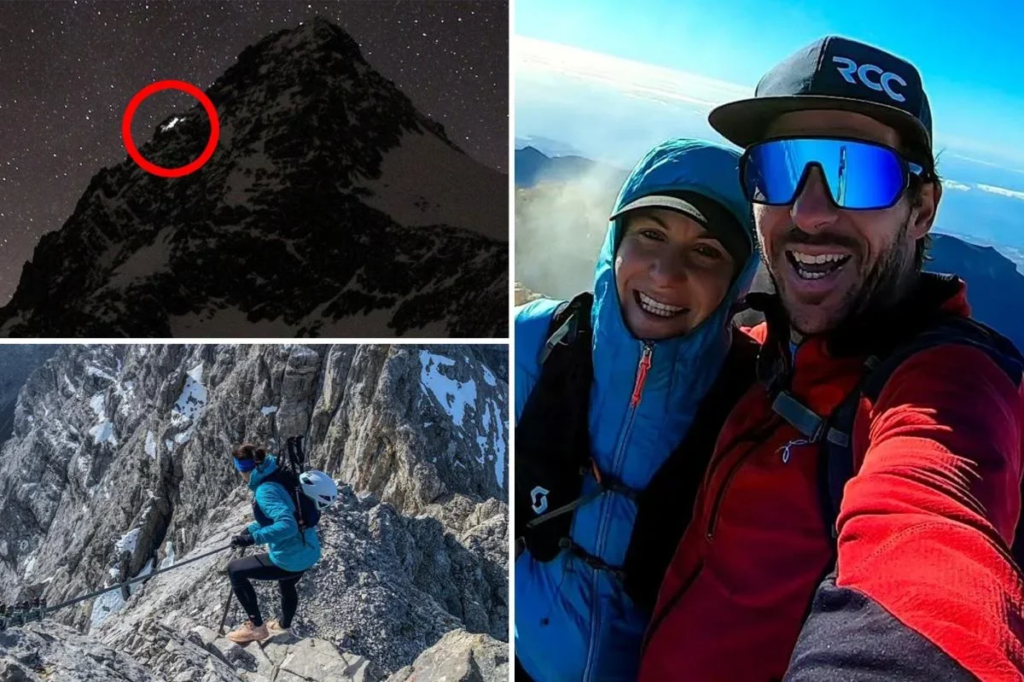
Additional testimony complicated the narrative. A former partner of the climber described a previous incident during which she had been left behind on another ascent of the same mountain after becoming disoriented and exhausted. Her account suggested a pattern of behaviour in which he prioritised forward progress even when companions struggled. Although this earlier event did not form the basis of the charges, it influenced the court’s assessment of his judgement and decision-making.
Rescue teams later discovered the woman’s body suspended upside down against a rock face, where she had remained exposed to the freezing wind. According to rescuers, a slight change in wind strength might have caused her to fall over the steep southern face. The physical position in which she was found highlighted the severity of the environment and the vulnerability of anyone left immobilised under such conditions.
The court determined that the climber’s experience should have enabled him to recognise the danger earlier and respond differently. His actions were not judged to be intentional harm but rather a negligent failure to act with the level of care expected from someone with advanced alpine expertise.
Legal Consequences and Wider Debate
The conviction has prompted significant discussion within mountaineering circles and the wider public about the limits of personal responsibility in extreme sports. High-altitude climbing has long been associated with risk, self-reliance, and difficult decisions made under pressure. However, the legal system’s involvement in this case reflects a growing willingness to scrutinise those decisions when they lead to preventable death.
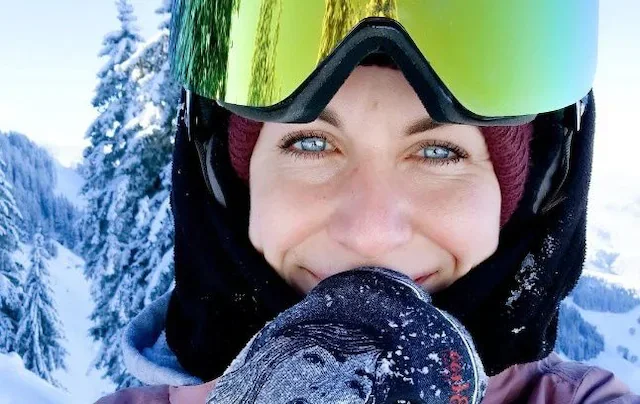
The court considered several mitigating factors when determining the sentence. The climber had no prior criminal record and had suffered the loss of a partner with whom he had shared the expedition. The intense public attention surrounding the case, including criticism on social media, was also taken into account. Nonetheless, the court emphasised that personal loss does not negate responsibility for decisions that place others in foreseeable danger.
Observers have noted that the case raises complex questions about the boundary between individual risk and legal accountability. When two adults voluntarily undertake a dangerous climb, determining responsibility for a fatal outcome is rarely straightforward. Yet the court concluded that experience and leadership within a climbing partnership carry obligations that extend beyond personal survival.
The ruling has also renewed discussion about informal guiding relationships. Even when climbers are not officially operating as professional guides, disparities in skill can create expectations of leadership. The prosecution argued that the more experienced climber effectively assumed that role during the expedition, making him responsible for decisions about whether to proceed, retreat, or seek assistance.
The case remains subject to appeal, leaving open the possibility of further legal examination. Regardless of the outcome, it has already become a reference point in debates about mountaineering ethics, risk assessment, and the responsibilities of experienced climbers toward less capable partners. For many within the alpine community, the tragedy underscores how quickly ambition and confidence can collide with the unforgiving realities of high mountain environments.