
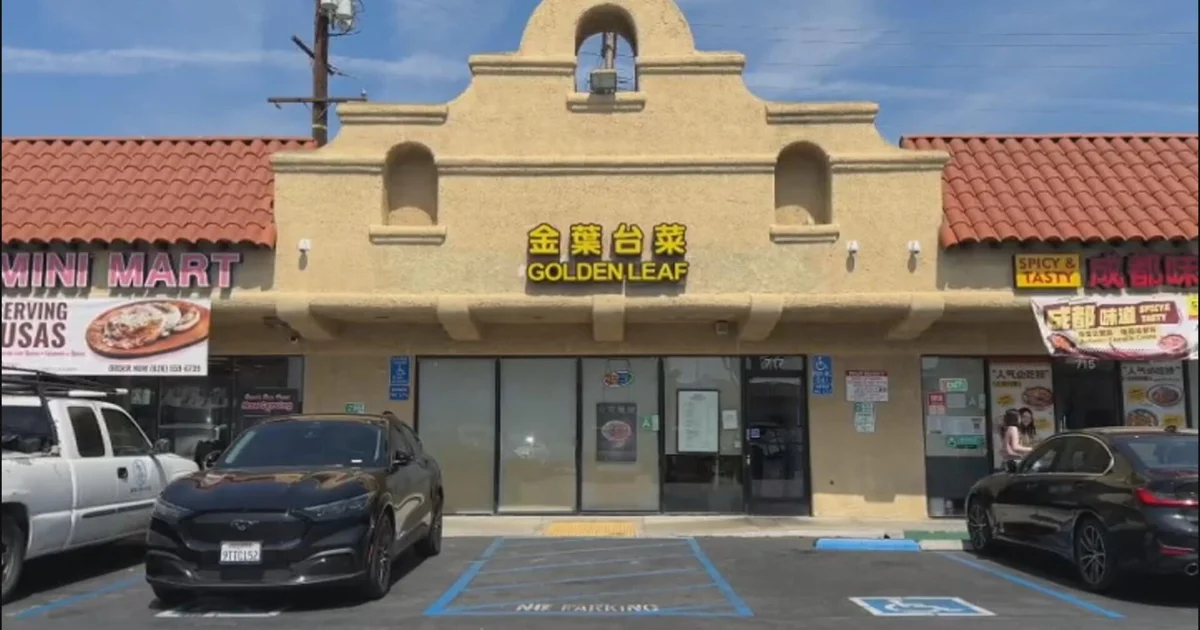
A longstanding neighborhood restaurant in San Gabriel has found itself at the center of a cultural and regulatory clash after being forced to stop serving one of its most iconic offerings. Golden Leaf restaurant, a family-owned establishment known for traditional Taiwanese cuisine, has discontinued its popular “stinky tofu” dish following complaints about its odor and the imposition of $1,200 in city-issued fines. The situation has sparked debate not only about local enforcement practices but also about the challenges immigrant-owned businesses face when balancing cultural authenticity with community standards.
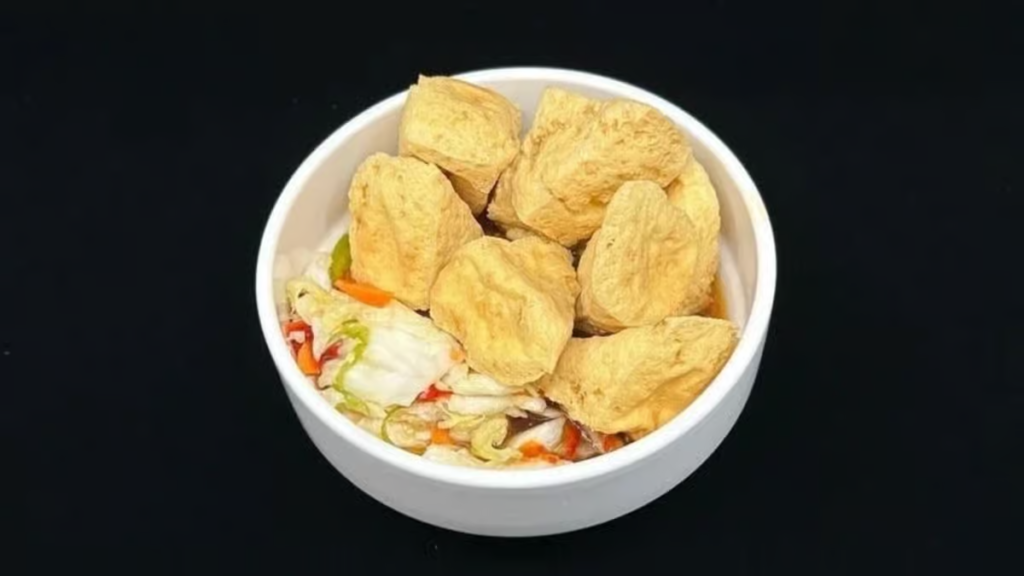
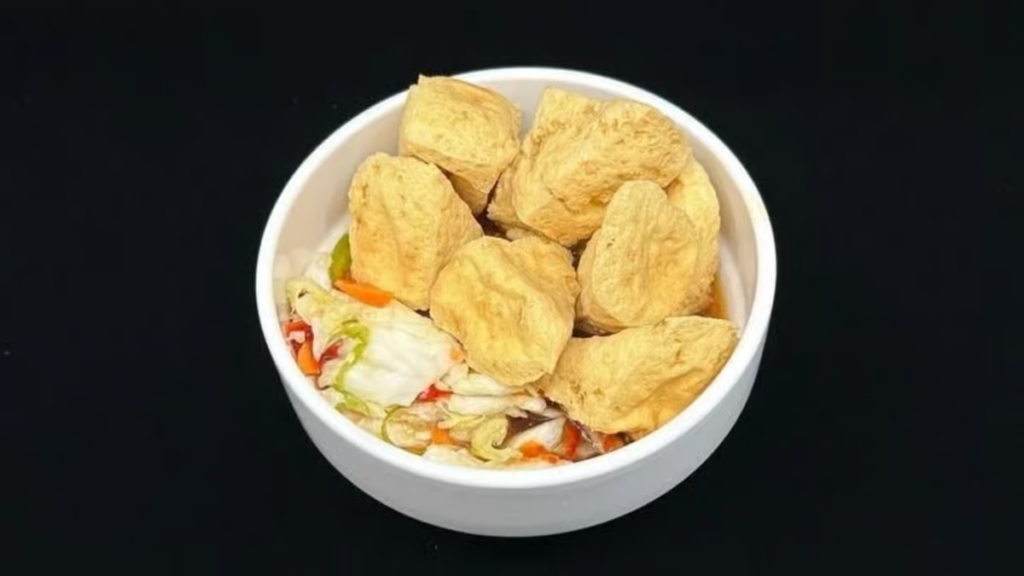
For owner David Liao, the issue goes beyond a single menu item. Stinky tofu, known for its pungent aroma and deep-rooted cultural significance, has long been a staple of Taiwanese street food and home cooking. At Golden Leaf, it was more than just a dish—it represented a connection to heritage, a draw for loyal customers, and a meaningful portion of the restaurant’s identity and revenue. The removal of the dish, therefore, has created both financial strain and emotional frustration for the business and its patrons.
A Cultural Staple Meets Community Resistance
Stinky tofu is widely recognized as one of Taiwan’s most distinctive culinary exports. Fermented to achieve its signature smell, the dish is beloved by those familiar with its flavor profile, even as its strong odor can be off-putting to the uninitiated. For many Taiwanese immigrants and enthusiasts of the cuisine, the smell is not a deterrent but an invitation—an indicator of authenticity and comfort.
Golden Leaf began serving stinky tofu shortly after opening, and from 2014 to 2017, the dish became one of its most popular offerings. According to Liao, it accounted for nearly 20 percent of the restaurant’s revenue, underscoring its importance to both the business and its customer base. However, the situation changed when a nearby resident lodged a complaint about the smell, prompting the city to intervene.
Despite the restaurant’s efforts to continue serving the dish responsibly, the complaint led to mounting pressure from local authorities. Faced with the threat of fines, Liao ultimately removed stinky tofu from the menu in 2017. The decision marked a turning point for the restaurant, which had to adjust its offerings while managing the disappointment of regular customers who had come to expect the dish.
Read : Scientists Find 155 Million-Year-old Fossil of Ophiactis hex
In 2025, Liao attempted to reintroduce stinky tofu on a limited basis, offering it just once a week in hopes of minimizing potential disruptions. However, the effort was short-lived. Another complaint triggered a renewed response from the city, resulting in multiple fines totaling $1,200 and effectively ending the dish’s return.
Regulatory Challenges and Lack of Clear Guidelines
One of the central issues raised by Liao is the lack of clear and measurable standards for odor regulation. Unlike noise ordinances, which rely on quantifiable metrics such as decibel levels, odor complaints often fall into a more subjective category. This ambiguity has left Liao questioning how the city determines whether a smell constitutes a violation and what steps businesses can take to comply.
Read : Governor Sarah Huckabee Sanders Asked to Leave Little Rock Restaurant
Liao has expressed frustration that city officials did not conduct an in-person assessment inside the restaurant to evaluate the situation firsthand. Instead, he was advised to install a ventilation system capable of filtering out the odor before it could escape into the surrounding area. The proposed solution, however, comes with a steep price tag—estimated at around $100,000—with no guarantee that it would resolve the issue or prevent future complaints.
This uncertainty has placed the restaurant in a difficult position. Investing in an expensive system without assurance of compliance could pose a significant financial risk, particularly for a small, family-run business. At the same time, failing to take action leaves the restaurant vulnerable to continued fines and restrictions.
Liao has emphasized that his goal is not to challenge or circumvent local regulations but to understand and follow them. Without clear guidelines, however, he believes it is nearly impossible to do so. His concerns highlight a broader issue faced by many businesses operating in culturally diverse communities, where traditional practices may not always align neatly with existing regulatory frameworks.
The situation also raises questions about consistency in enforcement. According to Liao, other restaurants in San Gabriel have served stinky tofu without encountering similar problems. This disparity has contributed to his perception that the rules are not being applied uniformly, adding another layer of complexity to an already challenging situation.
Community Reactions and Broader Implications
The controversy surrounding Golden Leaf has elicited a range of responses from the local community. Some residents acknowledge that the smell of stinky tofu can be strong, particularly for those unfamiliar with the dish. At the same time, many emphasize its cultural significance and argue that it should be preserved as part of the area’s diverse culinary landscape.
Read : Elias L. Lavelle Detained After Allegedly Stabbing Woman Inside Restaurant
San Gabriel is home to a sizable Taiwanese population, and for many in the community, stinky tofu is more than just food—it is a reminder of home, tradition, and shared experiences. Supporters of the restaurant have pointed out that cultural differences in cuisine are to be expected in a multicultural city and that tolerance is essential for coexistence.
Nearby business owners have also weighed in on the issue. Thomas Purscelley, who operates a neighboring liquor store, has publicly stated that he has never noticed the smell and was unaware that the dish was being prepared next door. His perspective contrasts with that of the complaining neighbor and raises further questions about the extent and impact of the odor.
For Golden Leaf, the inability to serve stinky tofu has had tangible consequences. Beyond the loss of a significant revenue stream, the restaurant faces the challenge of maintaining its identity without one of its defining dishes. Customers continue to ask for it daily, according to Liao, underscoring the ongoing demand and the gap left by its absence.
The case also highlights the delicate balance between individual preferences and collective interests. While residents have the right to raise concerns about their environment, businesses also rely on the ability to operate in ways that reflect their cultural heritage. Finding a middle ground that respects both perspectives is often easier said than done.
In the absence of clear policies, situations like this can escalate into prolonged disputes, leaving both parties dissatisfied. For cities with diverse populations, developing more precise guidelines for issues such as odor control could help prevent similar conflicts in the future. Such measures would provide businesses with a clearer understanding of expectations while ensuring that community concerns are addressed in a fair and consistent manner.
As Golden Leaf navigates this ongoing challenge, the story serves as a reminder of the complexities inherent in maintaining cultural traditions within a regulated environment. For Liao and his customers, the hope remains that a solution can be found—one that allows the restaurant to bring back its signature dish without further penalties. Until then, the absence of stinky tofu on the menu stands as a symbol of the broader tensions between tradition, regulation, and community coexistence.