
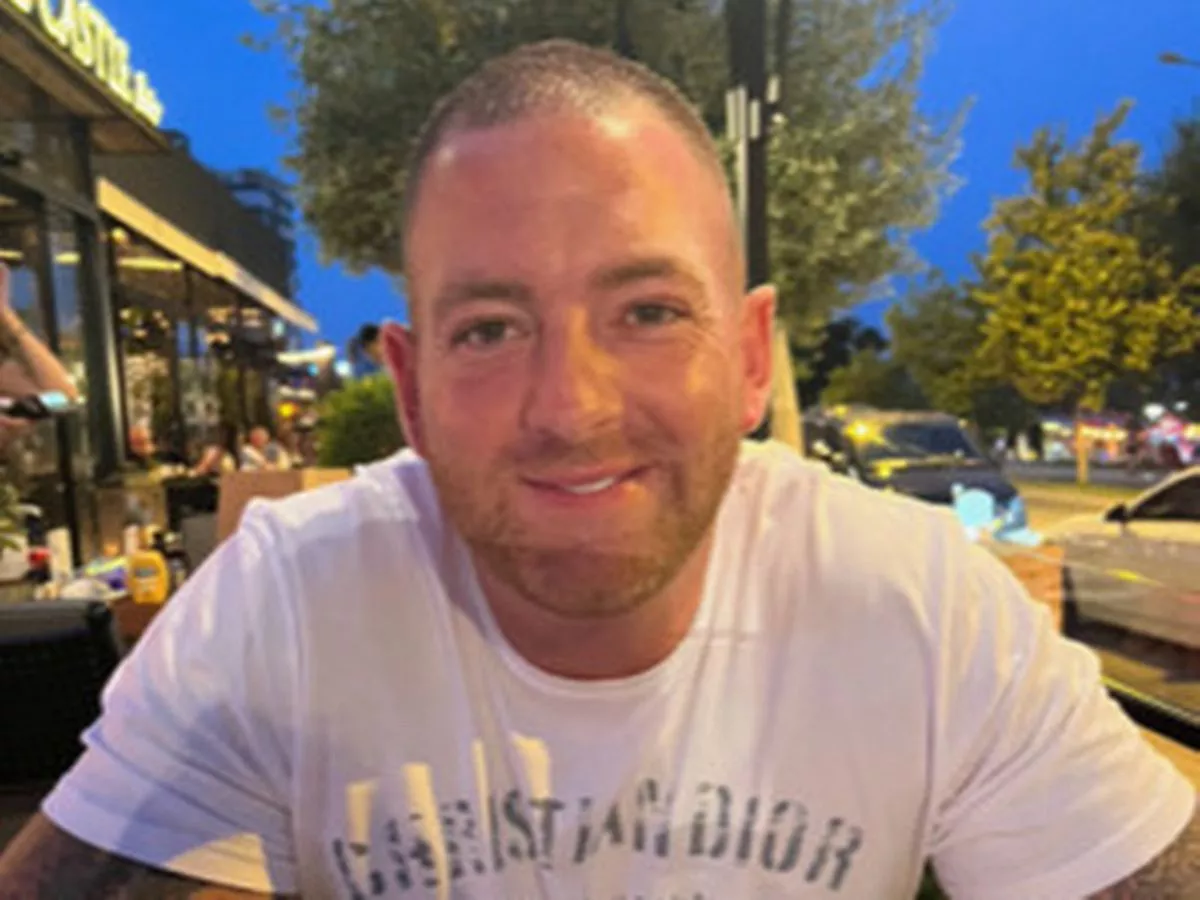
The tragic death of Stephen Reardon in July 2023 has led to serious repercussions for two police officers from Devon & Cornwall Police. Pc Grant Mackenzie and Dean Hunkin have been dismissed for gross misconduct over the handling of the arrest and transportation of Mr Reardon, a suspected drunk driver, who later died in custody.
The disciplinary panel ruled that the officers’ actions breached the standards expected of police officers and significantly undermined public trust in the force. The case has raised critical questions about police conduct, accountability, and the procedures followed when dealing with vulnerable detainees.
The Incident and Arrest of Stephen Reardon
Stephen Reardon was arrested on July 13, 2023, in St Austell, Cornwall, on suspicion of driving while unfit through drink or drugs and failing to provide a sample of breath. Upon arrest, Reardon was handcuffed and placed in the back of a police van for transport to Newquay Police Station. During the journey, he reportedly became unwell, signaling a medical emergency that required immediate attention.
Despite his deteriorating condition, the officers transported him to the custody unit, where they administered first aid in the station yard before calling an ambulance. Reardon was subsequently taken to a hospital, but tragically, he was pronounced dead shortly after arrival. The sudden death of Reardon has drawn significant public attention and scrutiny over the conduct of the arresting officers and their response to his medical needs while in custody.
Following the incident, Devon & Cornwall Police made an immediate referral to the Independent Office for Police Conduct (IOPC), demonstrating the gravity of the situation and the necessity of an independent investigation. The IOPC conducted a thorough review of the officers’ actions and the circumstances surrounding Reardon’s death, leading to a misconduct hearing to determine whether the officers had adhered to professional standards.
Misconduct Panel Findings and Dismissal
The misconduct panel evaluated the actions of Pc Grant Mackenzie and Dean Hunkin and determined that their conduct constituted gross misconduct. Both officers were accused of failing to exercise their duties responsibly and of breaching the standards expected of a police officer in the exercise of their duties toward a detainee.
Pc Mackenzie was dismissed without notice, and although Pc Hunkin had already left the police service, the panel ruled he would have been dismissed without notice had he still been a serving officer. The panel’s decision reflects the severity of the officers’ failings and highlights the accountability measures in place for law enforcement personnel.
Read : Former PCSO Zoe Watts Jailed for Trying to Make 3D Printed Gun
Assistant Chief Constable Glen Mayhew emphasized the impact of the officers’ actions on public trust, stating that their conduct undermined confidence in the police force and failed to fulfill their responsibilities toward Mr Reardon. He expressed sympathy for Reardon’s family and friends and acknowledged the seriousness of the incident. The swift action taken by Devon & Cornwall Police, including the referral to the IOPC, demonstrates a commitment to transparency and accountability in the face of a critical and tragic incident.
Read : Man Attacks Police Officer Guarding Israeli Embassy in Serbia with Crossbow: Shot Dead
The panel’s ruling also included a directive to submit the officers’ details to the College of Policing Barred List, effectively banning them from returning to police work. This measure ensures that individuals found guilty of gross misconduct cannot re-enter the profession, maintaining the integrity of the police force and public confidence in law enforcement.
Implications for Police Conduct and Public Trust
The death of Stephen Reardon and the subsequent dismissal of Pc Mackenzie and Pc Hunkin underscore the vital importance of appropriate conduct, adherence to procedures, and prioritizing the welfare of detainees in police custody. Cases such as this bring to light the responsibilities of law enforcement officers in handling vulnerable individuals, particularly those experiencing medical distress during detention.
The incident has significant implications for training and operational procedures within the police force. Ensuring officers are equipped to recognize and respond promptly to medical emergencies is crucial, as is the necessity of maintaining professional standards and respecting the rights and wellbeing of detainees. Failures in these areas can have fatal consequences, as tragically seen in the case of Mr Reardon.
Public trust in policing institutions is deeply influenced by incidents of misconduct, particularly those involving loss of life. The misconduct panel’s decision to dismiss the officers reflects a commitment to holding individuals accountable and reinforces the principle that gross misconduct will not be tolerated within the police service. Transparency, accountability, and swift action in such cases are essential to restoring and maintaining public confidence.
The case also highlights the role of independent oversight bodies such as the IOPC in investigating and addressing police misconduct. Independent investigations are critical in providing impartial assessments of incidents, ensuring that officers are held accountable, and offering the public reassurance that justice is pursued without bias.
As Mr Reardon’s family prepares for the forthcoming inquest, the full circumstances surrounding his death will continue to be examined, offering further insights into how police practices can be improved to prevent similar tragedies in the future. The case serves as a sobering reminder of the profound responsibility that comes with police duties and the potentially severe consequences of failing to adhere to established protocols and professional standards.

In conclusion, the dismissal of Officers Grant Mackenzie and Dean Hunkin following the death of Stephen Reardon is a landmark case highlighting the importance of accountability, professionalism, and the duty of care within policing. It reinforces the need for strict adherence to protocols, immediate and effective responses to emergencies, and independent oversight to ensure justice and maintain public trust.
While the incident is a tragedy for the family of Mr Reardon, it also serves as a critical learning point for the police service, emphasizing the need for continual improvement in training, conduct, and the safeguarding of individuals in custody. The Devon & Cornwall Police’s cooperation with the IOPC and the subsequent misconduct findings reflect a commitment to transparency and accountability.
The banning of the officers from future policing underscores the seriousness with which gross misconduct is treated, ensuring that public trust in law enforcement is not eroded by preventable lapses in duty. This case will likely influence policing standards and practices, serving as a crucial example for officers across the UK and reinforcing the imperative to uphold the highest professional standards in all circumstances.
The incident also prompts broader reflection on how police forces handle arrests involving intoxicated or vulnerable individuals. Training, procedures, and oversight must continually evolve to ensure that officers are fully prepared to manage complex and high-risk situations safely, reducing the likelihood of tragedies like the death of Stephen Reardon. Through rigorous accountability measures and ongoing improvements in policing standards, incidents of misconduct can be minimized, ensuring that officers act with integrity, responsibility, and respect for the individuals in their care.
Ultimately, the case of Stephen Reardon and the dismissal of Officers Mackenzie and Hunkin serve as a powerful reminder of the critical responsibility borne by police officers and the high stakes of their actions. By learning from this incident and implementing systemic improvements, law enforcement agencies can better protect detainees, uphold professional standards, and maintain the trust and confidence of the communities they serve.