
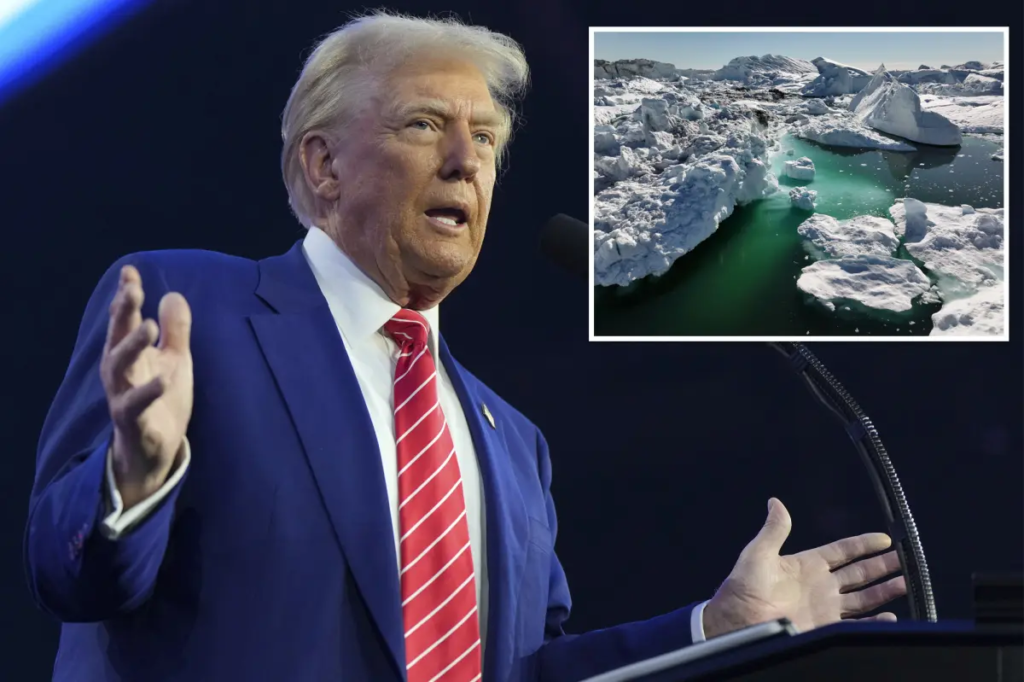
In a striking resurgence of a controversial idea, President-elect Donald Trump has rekindled his ambition to purchase Greenland, a semi-autonomous territory of Denmark, igniting a wave of stern rebuttals from Greenlandic and Danish leaders alike.
This proposal, reminiscent of Trump’s first term, has reignited debates over sovereignty, national identity, and the geopolitical implications of territorial acquisition.
Greenland’s Prime Minister Múte Egede’s emphatic rejection of Trump’s overtures underscores a broader resistance to commodifying land with profound cultural and historical significance.
Greenland’s Unyielding Stance
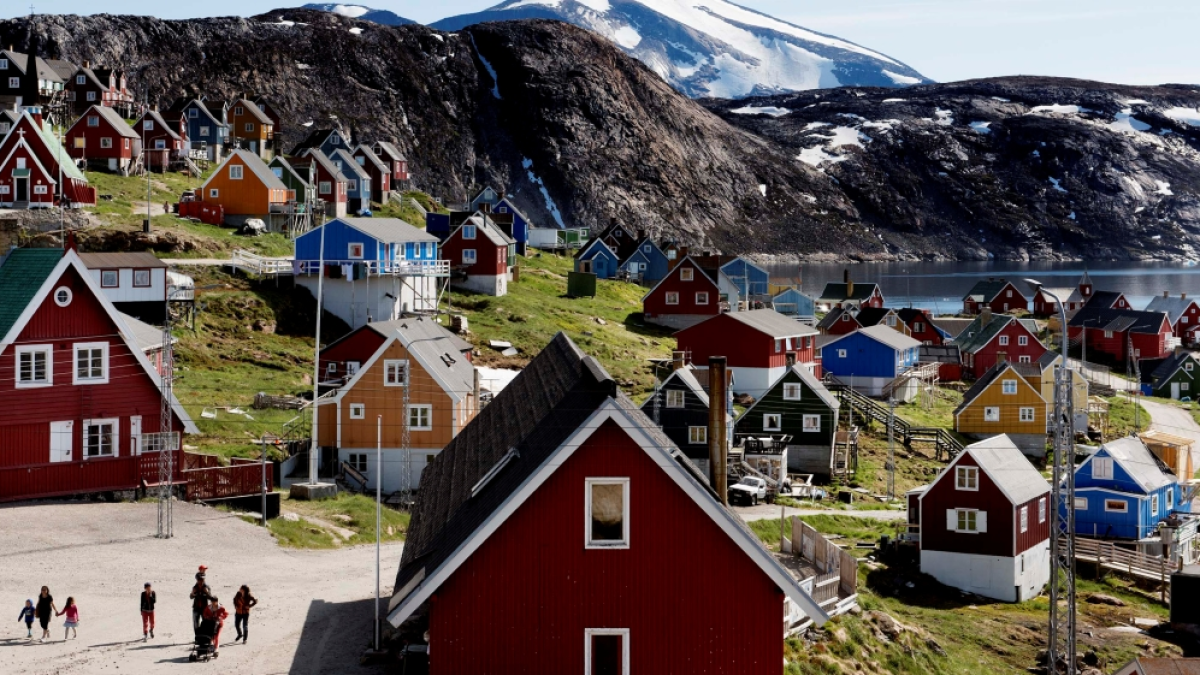
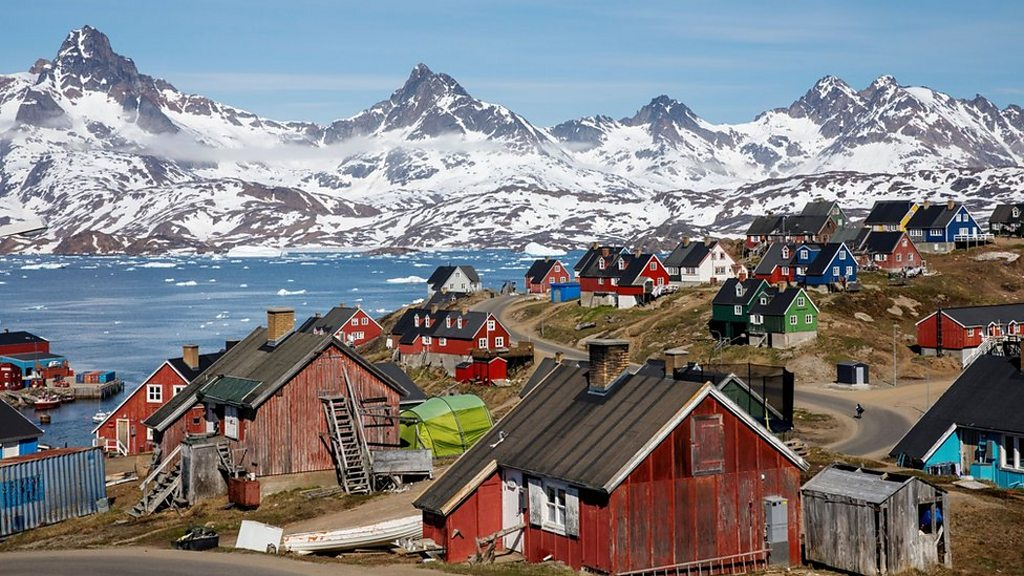
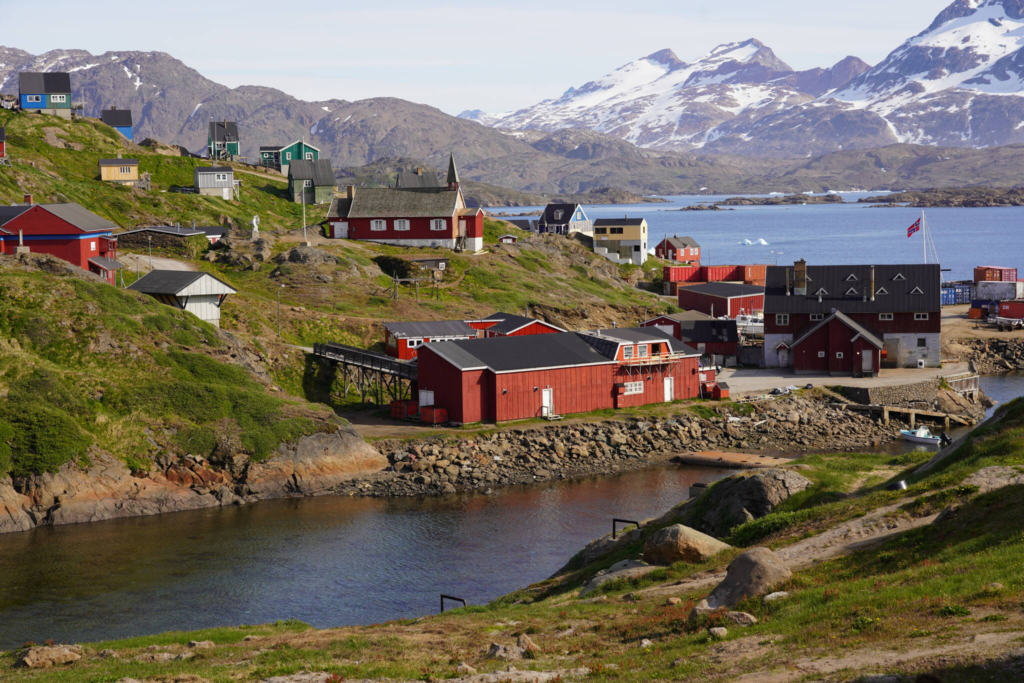
Greenland, the world’s largest island, holds a pivotal position in the Arctic due to its strategic location and untapped natural resources. Its semi-autonomous status under Denmark grants it self-rule in most domestic affairs, while Denmark handles defense and foreign policy.
In response to Trump’s renewed interest, Prime Minister Egede issued a categorical statement asserting Greenland’s sovereignty and unwavering commitment to self-determination.
“Greenland is ours. We are not for sale and will never be for sale,” Egede declared, emphasizing the island’s enduring struggle for freedom and autonomy.
Read : Greenland: The World’s Largest Island
This firm stance reflects Greenland’s broader aspiration to preserve its unique cultural identity and maintain its authority over its land and resources. Egede’s words resonate deeply with Greenlanders, who view such propositions as affronts to their sovereignty and independence.
Read : ‘Absolute Necessity,’ Says Donald Trump on US Owning Greenland
Trump’s rationale for pursuing Greenland is grounded in strategic and economic considerations. He has frequently highlighted the island’s importance for national security and its potential role in global geopolitics. However, Greenlandic leaders have consistently viewed these overtures as dismissive of their autonomy and history.
The Danish Perspective
Denmark, as Greenland’s parent nation, has also strongly opposed the idea of selling the island. Danish Prime Minister Mette Frederiksen, who famously called Trump’s initial proposal “absurd” in 2019, reiterated her stance, dismissing the renewed interest as equally implausible.
Frederiksen’s rejection reflects Denmark’s responsibility to safeguard Greenland’s sovereignty and the broader principles of territorial integrity in international relations.
The notion of selling Greenland is not only politically untenable but also fundamentally at odds with Denmark’s relationship with the territory.
The Danish government has invested heavily in supporting Greenland’s development, particularly in areas such as infrastructure, education, and healthcare. Selling the island would represent a betrayal of this longstanding partnership.
Denmark’s rejection of the proposal also aligns with broader European sentiment. Territorial acquisitions reminiscent of colonial-era practices are widely regarded as anachronistic in modern geopolitics. The idea of commodifying land and its people has drawn criticism for its disregard of human rights and international law.
A Geopolitical Ripple Effect
Trump’s proposal has far-reaching implications that extend beyond Greenland and Denmark. By reviving the concept of territorial acquisition, he has inadvertently sparked discussions about sovereignty, global power dynamics, and the legacy of imperialism.
Greenland’s strategic location in the Arctic makes it a focal point for geopolitical competition among major powers, including the United States, Russia, and China.
The island’s vast natural resources, particularly its rare earth minerals and potential oil reserves, further heighten its strategic value. For Trump, acquiring Greenland represents an opportunity to strengthen U.S. influence in the Arctic and secure access to these resources.
However, such ambitions are fraught with ethical and political challenges. Greenlandic leaders have repeatedly emphasized their right to self-determination and their desire to manage their resources independently. Any attempt to undermine this autonomy would not only violate international norms but also risk alienating Greenland’s population.
Trump’s rhetoric has also drawn criticism from neighboring nations, particularly Canada. His proposal to annex Canada as the 51st U.S. state, though likely intended as a provocative jest, underscores a broader trend of dismissing the sovereignty of other nations.
Canadian Prime Minister Justin Trudeau has remained steadfast in defending his country’s independence, rejecting any suggestion of U.S. annexation.
In addition to Greenland, Trump has set his sights on the Panama Canal, calling for its return to U.S. control. His threats to reclaim the canal have sparked a fierce response from Panama’s leadership, who view the waterway as a symbol of their sovereignty and national pride.
The renewed controversy surrounding Trump’s interest in Greenland highlights the enduring tensions between geopolitical ambitions and the principles of sovereignty and self-determination.
For Greenland, Denmark, and other nations facing similar challenges, the response to such proposals serves as a reaffirmation of their commitment to preserving their autonomy and cultural identity.
The proposal to purchase Greenland may have captured headlines, but its rejection underscores a fundamental truth: sovereignty and self-determination are not commodities to be bought and sold. For Greenland and its people, the message is clear: their land and their future are not up for negotiation.