
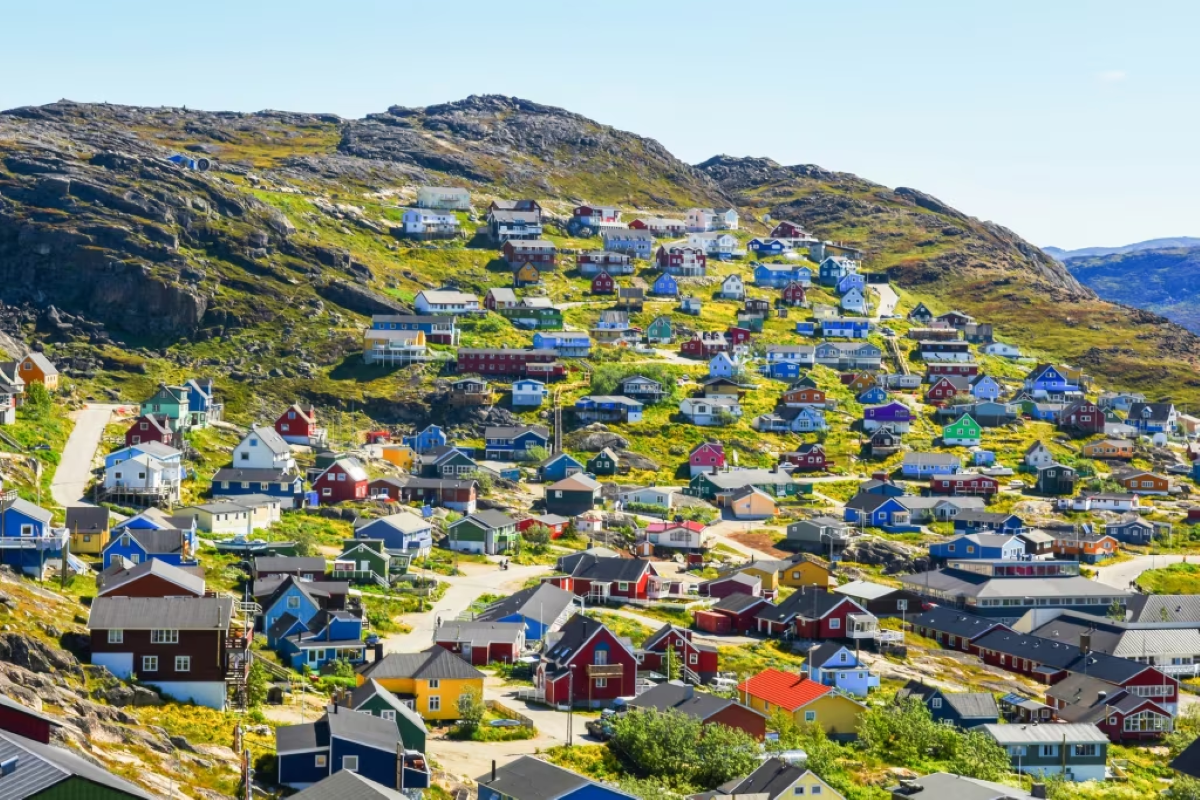
Greenland, the world’s largest island, is an autonomous territory within the Kingdom of Denmark, known for its breathtaking glaciers, vibrant culture, and unique Arctic landscapes. Covering an area of approximately 2,166,086 square kilometers (836,331 square miles), Greenland is mostly covered by an ice sheet, which gives it its distinctive frozen beauty. Despite its vast size, it has a small population, primarily concentrated along the southwestern coast.
Table of Contents
Geography
Located in the Arctic region, this mesmerizing island is situated between the Arctic and Atlantic Oceans, approximately 2500 kilometers (1550 miles) from the North Pole. The island is bordered by the Arctic Ocean to the north, the Greenland Sea to the east, and the Atlantic Ocean to the south and west. Its terrain is dominated by the Greenland Ice Sheet, which covers about 80% of the island, creating a dramatic contrast with the coastal areas.
Greenland’s coastline features stunning fjords, towering cliffs, and numerous islands, making it a picturesque destination for adventurers and nature lovers. The highest peak, Gunnbjørn Fjeld, rises to 3,694 meters (12,119 feet) in the east, while the lowlands along the coast offer opportunities for settlement and fishing. The climate varies significantly, with an Arctic climate in the interior and a milder maritime climate in the coastal regions.
States Of Greenland
Greenland is an autonomous territory within the Kingdom of Denmark and is not divided into states. Instead, it is divided into municipalities. As of 2024, it has five municipalities:
| No. | Municipality | Administrative Center |
|---|---|---|
| 1 | Avannaata | Ilulissat |
| 2 | Kujalleq | Qaqortoq |
| 3 | Qeqertalik | Aasiaat |
| 4 | Qeqqata | Sisimiut |
| 5 | Sermersooq | Nuuk |
These municipalities are responsible for local governance and administration across the vast and sparsely populated island.
History
Greenland’s history dates back over 4,500 years, with the first inhabitants being the Saqqaq culture, who relied on hunting and fishing for survival. The island saw several waves of settlement, including the Thule people, who arrived around the 10th century and are considered the ancestors of the modern Greenlandic Inuit.
In the late 10th century, Norse explorers, led by Erik the Red, established settlements in southwestern Greenland. These settlements thrived for several centuries but eventually declined due to climate change, resource depletion, and conflicts with the Inuit population. The Norse culture gradually disappeared, and Greenland became isolated from Europe.
In the 18th century, Denmark-Norway sought to re-establish ties with Greenland, leading to renewed contact and the establishment of colonial rule. Greenland became a Danish colony in 1814 following the Napoleonic Wars. In 1953, it was granted the status of an integral part of the Kingdom of Denmark, leading to greater political representation and economic development.
In 1979, Greenland gained home rule, allowing for increased autonomy and self-governance. Today, it continues to navigate its relationship with Denmark while striving for greater independence and sustainability.
Top Ten Most Famous Places to Visit
Ilulissat Icefjord
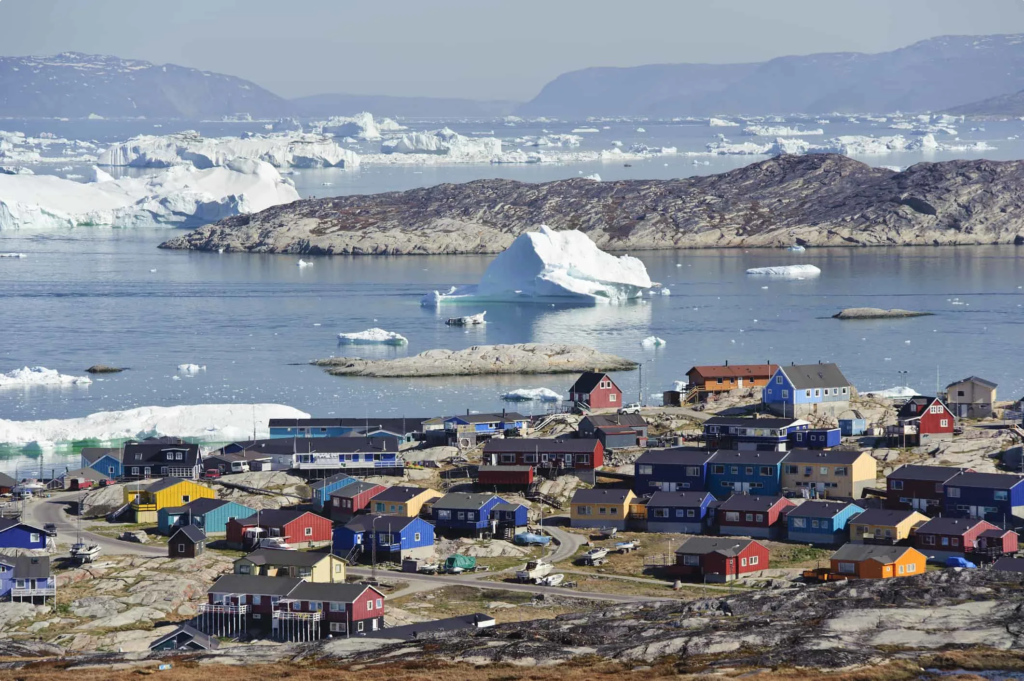
Ilulissat Icefjord is a UNESCO World Heritage Site and one of most iconic destinations. Located near the town of Ilulissat, this stunning fjord is famous for its towering icebergs, which calve from the Greenland Ice Sheet. Visitors can take boat tours to witness the breathtaking scenery and the natural phenomenon of icebergs breaking off and floating into the ocean.
Nuuk
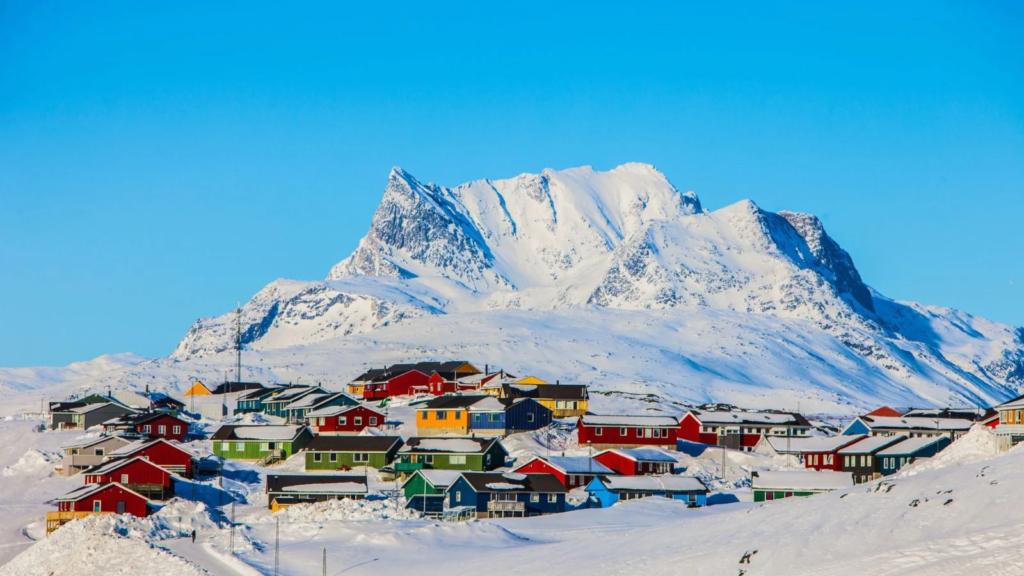
Nuuk, the capital of Greenland, is a vibrant city that combines modern amenities with traditional Inuit culture. Visitors can explore the National Museum, which showcases the island’s history and cultural heritage, as well as the stunning Sermitsiaq Mountain, providing panoramic views of the city and surrounding landscapes. Nuuk offers a range of restaurants, shops, and cultural events.
Disko Island
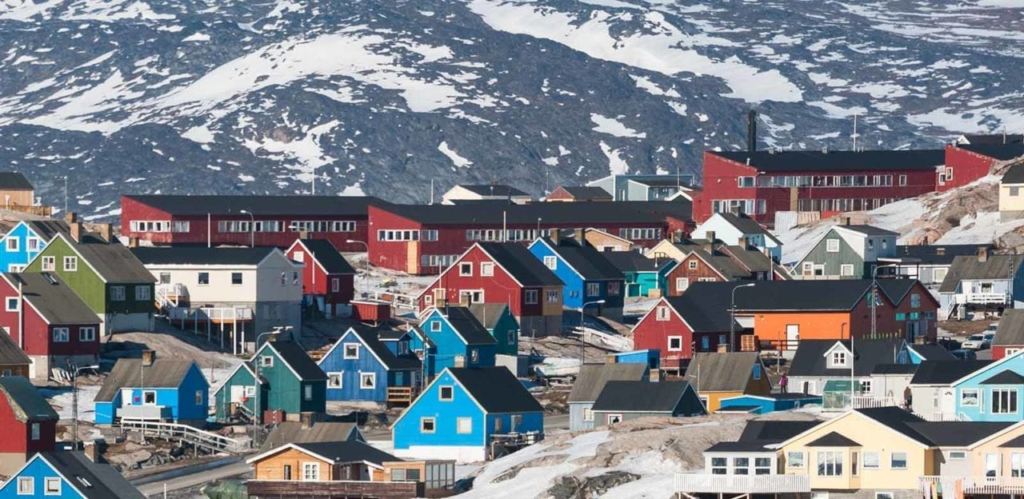
Disko Island, located off the west coast of this island, is known for its diverse landscapes, including volcanic mountains, glaciers, and lush valleys. The island is a popular destination for hiking and offers stunning views of the surrounding fjords. Visitors can explore the quaint town of Qeqertarsuaq and experience the local culture and traditions.
Kangerlussuaq
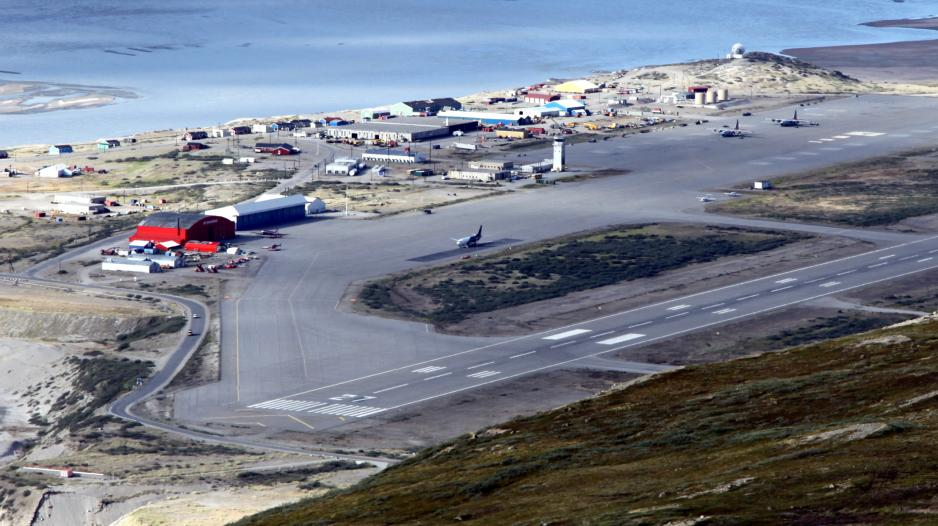
Kangerlussuaq is a former U.S. military base turned airport, serving as a gateway to Greenland’s interior. The surrounding area features a unique combination of tundra and glaciers, making it a popular destination for outdoor enthusiasts. Visitors can embark on guided tours to explore the nearby ice cap and witness the stunning scenery.
Qaqortoq
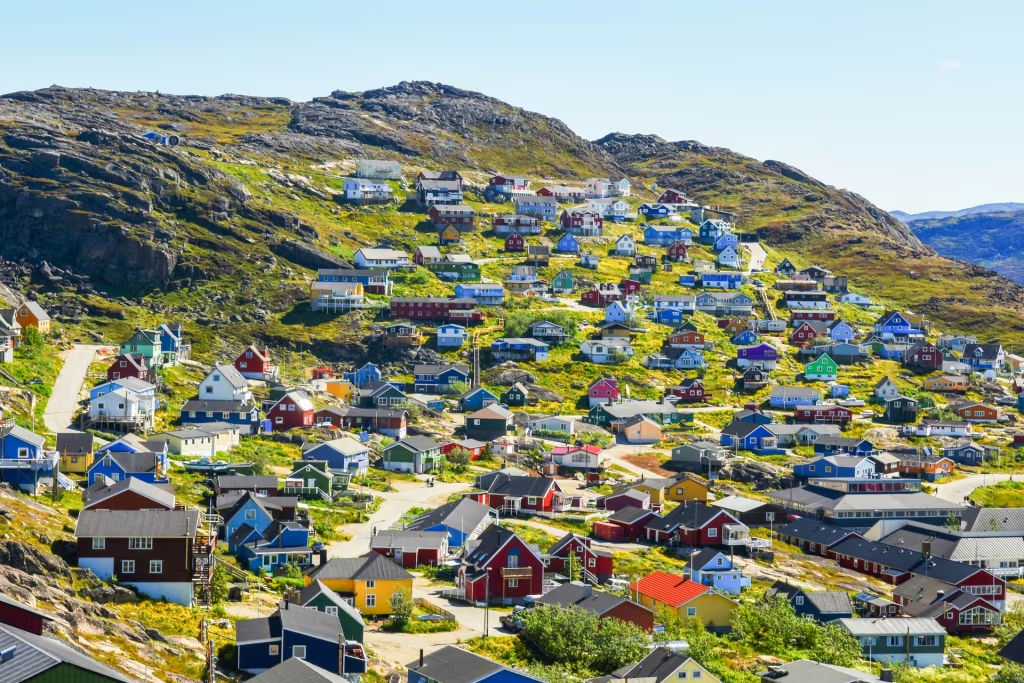
Qaqortoq, the largest town in southern Greenland, is known for its colorful houses and charming harbor. The town offers a glimpse into traditional Greenlandic life, with opportunities to explore local art, crafts, and cuisine. Visitors can take guided tours to nearby sites, including the impressive Qaqortoq Sculpture Park.
Tasiilaq
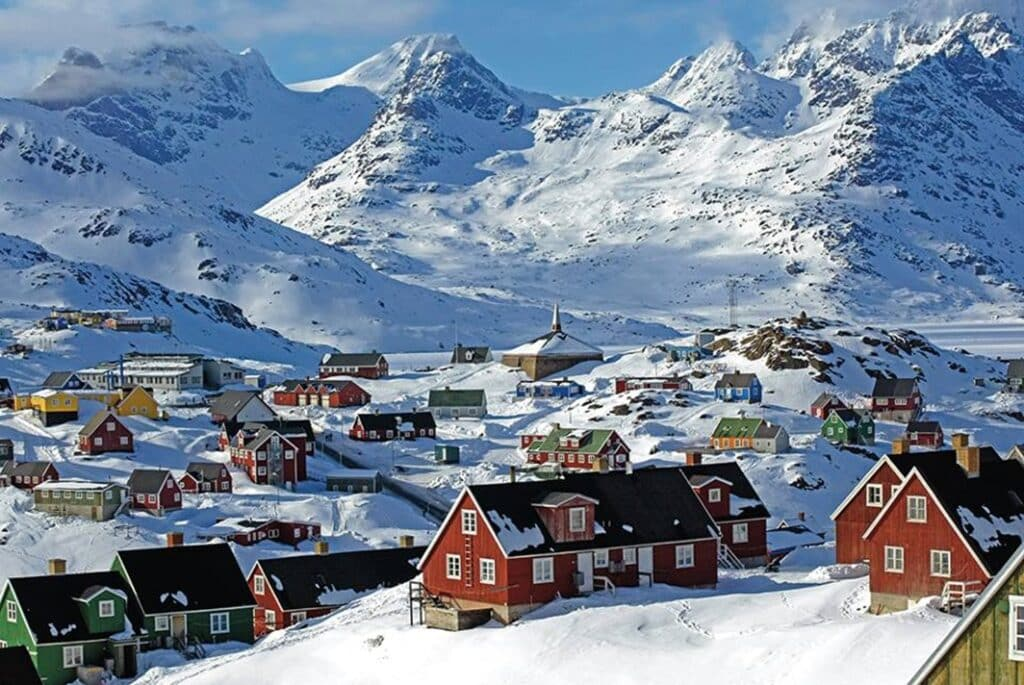
Tasiilaq, located in eastern of this island, is known for its stunning landscapes and vibrant Inuit culture. Surrounded by mountains and fjords, the town offers a range of outdoor activities, including hiking, kayaking, and dog sledding. Visitors can immerse themselves in the local culture by visiting the Tasiilaq Museum and experiencing traditional festivals.
Greenland National Museum
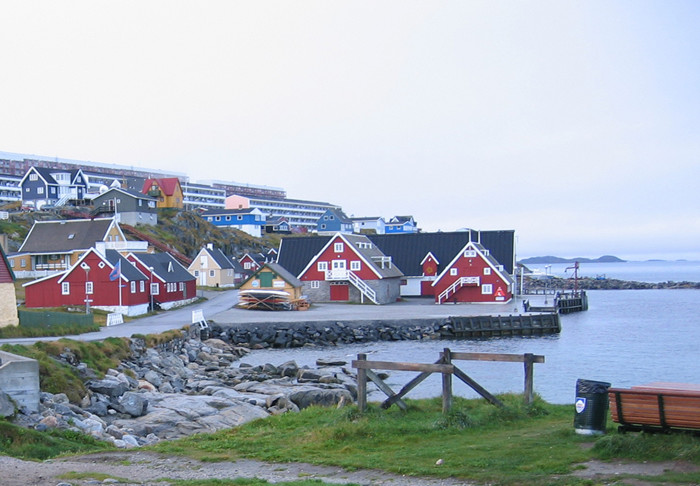
The Greenland National Museum, located in Nuuk, is the country’s oldest and largest museum. It features a diverse collection of artifacts, showcasing the history and culture of Greenland’s indigenous people, including the famous mummies of Qilakitsoq. The museum offers guided tours and educational programs for visitors interested in learning about Greenland’s heritage.
North Greenland
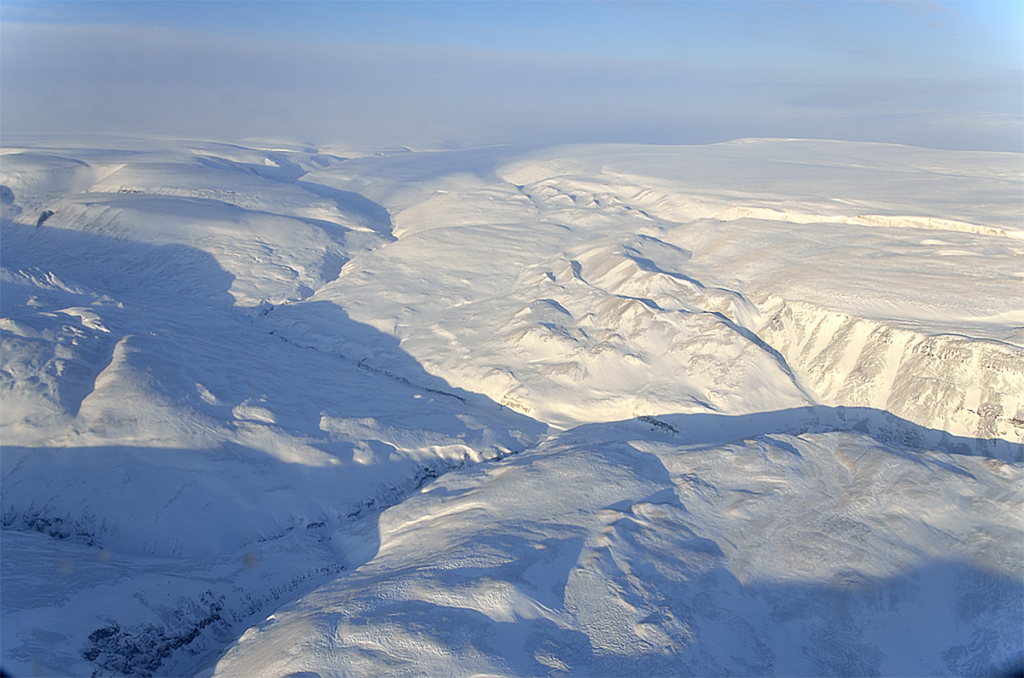
North Greenland is a remote and stunning region, known for its dramatic landscapes and Arctic wildlife. Visitors can explore the northernmost towns, such as Qaanaaq and Upernavik, and experience the unique culture of the Inuit people. The area offers incredible opportunities for outdoor adventures, including glacier hikes and wildlife watching.
Ilulissat
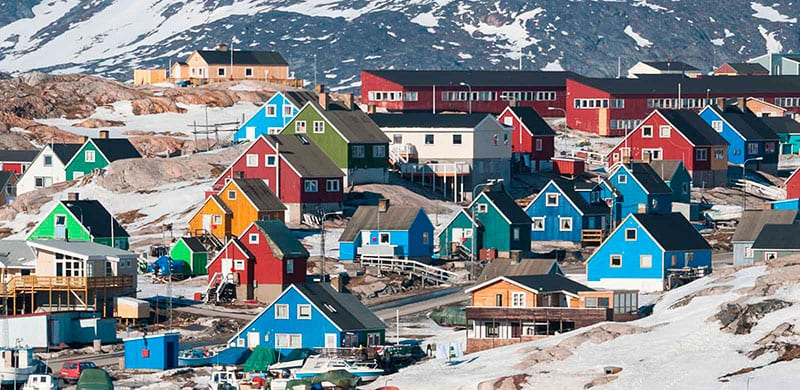
Ilulissat is a charming town located near the Ilulissat Icefjord. Visitors can explore its picturesque streets, enjoy local cuisine, and witness the incredible beauty of the nearby icebergs. The town serves as a base for outdoor activities, including kayaking, hiking, and whale watching.
Kulusuk Island
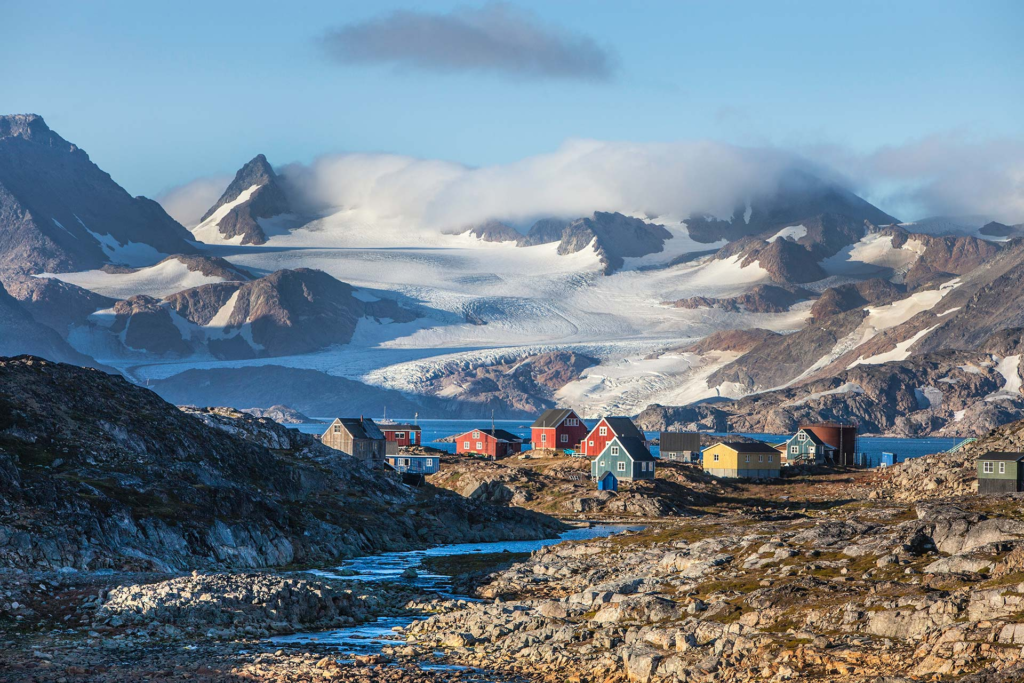
Kulusuk Island is known for its stunning landscapes and rich Inuit culture. Visitors can take guided tours to explore the island’s unique wildlife, glaciers, and traditional settlements. Kulusuk also serves as a gateway to eastern Greenland, providing opportunities for outdoor adventures and cultural experiences.
Culture
The official language of this island is Greenlandic (Kalaallisut), an Eskimo-Aleut language. Greenlandic is characterized by its unique grammar and extensive use of suffixes, making it distinct from other languages. Danish is also widely spoken, especially in urban areas and among the older population, due to Greenland’s historical ties with Denmark.
The lifestyle in this island is deeply connected to the natural environment and traditional practices. Many residents rely on fishing, hunting, and gathering for their livelihoods, continuing the traditions of their ancestors. The culture places a strong emphasis on community and family, with social gatherings and cultural events playing a central role in daily life.
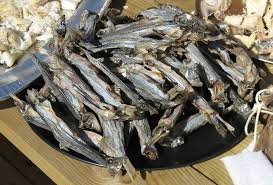
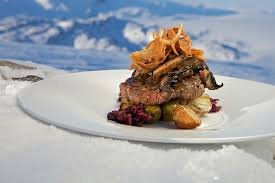
Greenlandic cuisine reflects the island’s natural resources, with seafood, reindeer, and seabirds featuring prominently. Traditional dishes include seal meat, whale blubber, and fish prepared using age-old methods. Festivals and celebrations often involve communal feasting and sharing of food, reinforcing the importance of community bonds.
This island has a rich tapestry of traditions and customs, influenced by its Inuit heritage. The culture is celebrated through music, dance, and storytelling, with traditional drum dancing being a significant aspect of social gatherings. Many festivals, such as the National Day on June 21, showcase the vibrant culture and unity of the Greenlandic people.
Craftsmanship is also an essential part of Greenlandic culture, with residents creating intricate items using local materials such as bone, wood, and fur. Traditional clothing, known as “kamiks,” is often handcrafted and reflects the unique artistic expression of the people.
Festivals
Greenland hosts several lively festivals throughout the year, celebrating its rich culture and heritage. One of the most significant events is the National Day, celebrated on June 21. The day is marked by various activities, including traditional music and dance performances, sports competitions, and communal feasting, bringing communities together in celebration.
Other notable festivals include the Qasigiannguit Festival, which features music, art, and cultural events, and the Nuuk Nordic Festival, showcasing performances by local and international artists. These festivals provide opportunities for residents and visitors to experience the unique traditions and vibrant culture of Greenland.
Economy
Greenland’s economy is primarily based on fishing, hunting, and tourism. The fishing industry is vital, with shrimp, fish, and other seafood being significant exports. The government promotes sustainable practices to protect marine resources and ensure the long-term viability of the industry.
Tourism has been steadily growing, attracting visitors interested in the island’s natural beauty and rich culture. The government is actively working to develop sustainable tourism initiatives that benefit local communities while preserving Greenland’s unique environment.
Tourism
Tourism in this island is a growing sector, attracting adventurers, nature lovers, and cultural enthusiasts. Visitors are drawn to the island’s stunning landscapes, opportunities for outdoor activities, and rich cultural experiences. Guided tours, eco-tours, and cultural events provide travelers with authentic insights into Greenland’s way of life.
Accommodations range from hotels and guesthouses to traditional Inuit lodges, offering a variety of options for visitors. The tourism industry is committed to sustainability, ensuring that the natural beauty of Greenland is preserved for future generations while providing unforgettable experiences for travelers.
Top Eight Most Famous Food




Interesting Facts
- The island is the world’s largest island, with a land area of 2,166,086 square kilometers (836,331 square miles).
- About 80% of Greenland is covered by the Greenland Ice Sheet, the second-largest ice body in the world.
- The highest peak in Greenland is Gunnbjørn Fjeld, reaching an elevation of 3,694 meters (12,119 feet).
- The island has a small population of around 56,000 residents, primarily living along the southwestern coast.
- The official language is Greenlandic (Kalaallisut), with Danish also widely spoken.
- The traditional Greenlandic diet includes seal, whale, fish, and reindeer, reflecting the island’s natural resources.
- The capital of Greenland is Nuuk, which is home to about one-third of the island’s population.
- The island has no roads connecting towns, making boats and helicopters essential for transportation.
- The island experiences extreme seasonal variations, with continuous daylight during summer and long periods of darkness in winter.
- The island has a rich cultural heritage, celebrated through traditional music, dance, and craftsmanship.
Future Perspective
The future of this island holds promise, with a focus on sustainable development and preservation of its unique environment. As global interest in climate change and eco-tourism grows, aims to attract responsible travelers while protecting its natural resources. The government is committed to balancing economic growth with cultural preservation, ensuring that future generations can enjoy the beauty and heritage of this remarkable island.
Conclusion
This island is a captivating destination that offers a unique blend of stunning landscapes, rich culture, and vibrant traditions. From the majestic icebergs to the warmth of its communities, the island invites travelers to explore its hidden gems. With a commitment to sustainability and preserving its cultural identity, it stands as a testament to the beauty of the Arctic and the resilience of its people.