
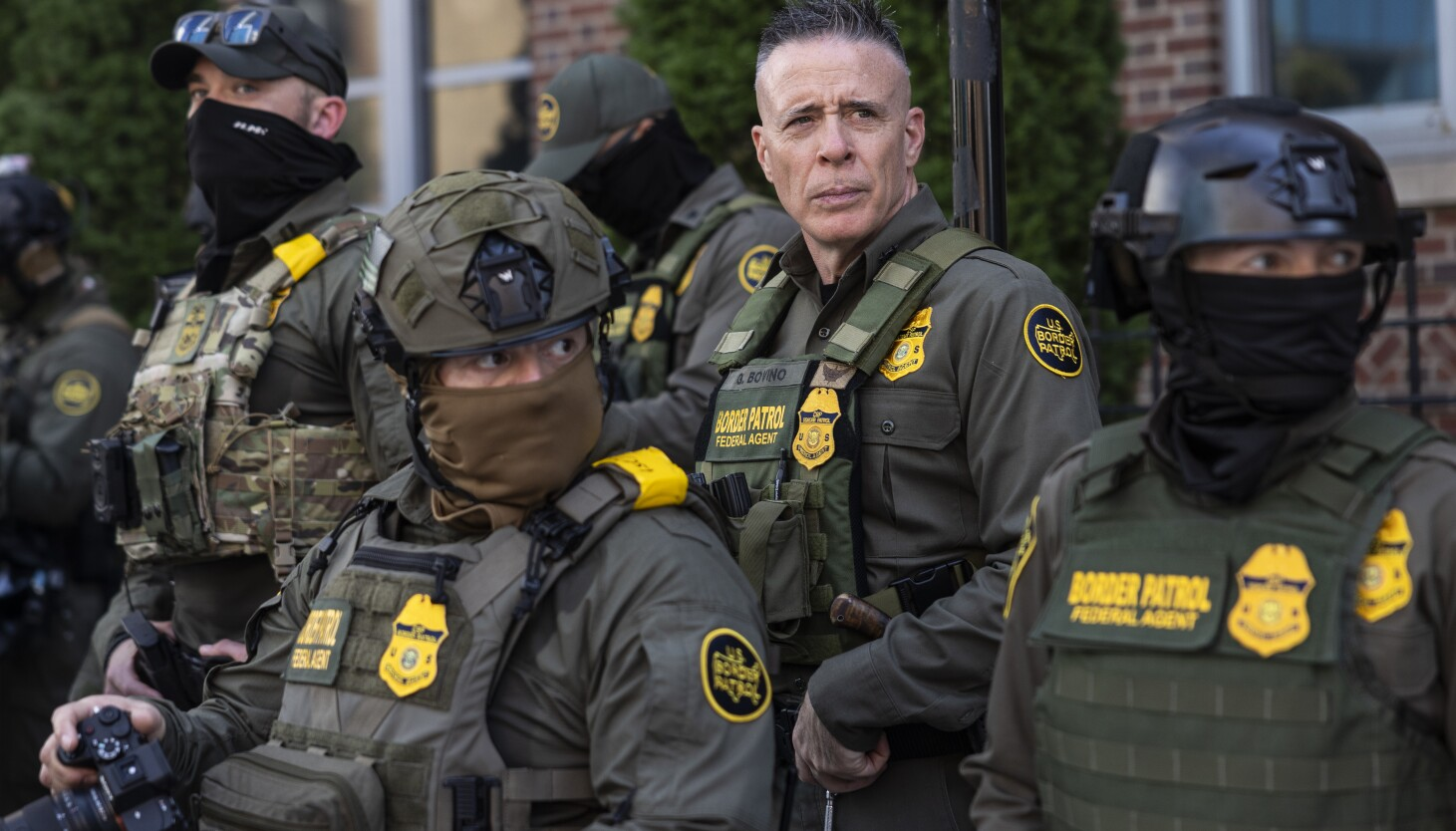
Gregory “Greg” Bovino, a long-serving U.S. Border Patrol official, has emerged as one of the most controversial figures in the Trump administration’s renewed immigration enforcement campaign following the fatal shooting of 37-year-old ICU nurse Alex Pretti in Minneapolis. Once elevated as a symbol of aggressive federal action against undocumented immigration, Bovino now finds himself abruptly removed from his high-profile role as “commander at large” and reassigned to his previous post in El Centro, California, where officials expect he will soon retire.
The sudden change, confirmed by a Department of Homeland Security official and others familiar with the matter, has intensified scrutiny of both Bovino’s leadership style and the broader tactics employed by federal agents during recent operations in major U.S. cities.
The controversy surrounding Bovino extends beyond a single incident. His career has been defined by a militarized approach to immigration enforcement that has drawn praise from hardline supporters and condemnation from state leaders, civil rights advocates, and immigrant communities. The killing of Alex Pretti, captured in videos later verified by major news outlets, has become a focal point for debate over accountability, use of force, and the political direction of the administration’s mass-deportation strategy.
A Career Shaped by Aggressive Immigration Enforcement
Gregory Bovino is a veteran of the U.S. Border Patrol with decades of service, widely known within the agency for his tactical background and uncompromising enforcement philosophy. Prior to his recent national role, Bovino served as the Chief Patrol Agent for the El Centro Sector in Southern California, a region that has long been central to border security operations. His tenure there coincided with heightened emphasis on rapid-response tactics, intelligence-led enforcement, and coordination with elite units.
Bovino is a former member of BORTAC, the Border Patrol’s elite tactical unit often compared to military special operations teams. His experience with BORTAC shaped much of his professional identity and later leadership style. He also played a role in developing the agency’s Marksman Observer training program, an initiative designed to improve long-range surveillance and tactical response capabilities. Supporters within DHS have described him as disciplined, operationally focused, and deeply committed to officer safety.
Under the Trump administration, Bovino became increasingly prominent as the face of aggressive interior enforcement operations. He led initiatives such as Operation Midway Blitz in Chicago and later Operation Metro Surge, which expanded Border Patrol activity far beyond the southern border into major metropolitan areas. These operations relied heavily on unmarked vehicles, rapid sweeps, and surprise encounters, tactics that critics argue blurred the line between immigration enforcement and paramilitary policing.
Bovino himself coined the phrase “Turn and Burn” to describe this enforcement approach, emphasizing speed, surprise, and decisive action. While the phrase resonated with some within federal law enforcement, it alarmed state and local officials who viewed it as emblematic of an overly aggressive posture toward civilian populations. Governors Gavin Newsom of California and Kathy Hochul of New York were among those who publicly criticized Bovino’s methods, accusing federal agents under his command of inflaming tensions and undermining trust in immigrant communities.
His public profile grew further during federal operations in Minneapolis, where Bovino was frequently seen on the ground directing agents. It was there that another controversy emerged over his appearance: Bovino wore a long, double-breasted olive-green “greatcoat,” a standard-issue Border Patrol winter dress uniform dating back decades.
Read : The Woman With “world’s biggest cheeks” Is Now Looking For Boyfriend
Critics, including Governor Newsom, derided the look as “Nazi cosplay,” while Bovino defended it as an official uniform he had worn at ceremonies under both Republican and Democratic administrations. Though seemingly superficial, the episode reinforced perceptions of Bovino as a symbol of militarized federal authority.
The Fatal Shooting of Alex Pretti
The event that ultimately placed Greg Bovino at the center of national controversy occurred on January 24 in Minneapolis, during a federal immigration operation overseen by his command. Alex Pretti, a 37-year-old ICU nurse at the Minneapolis VA hospital and a licensed gun owner, was fatally shot by Border Patrol agents on Nicollet Avenue. According to official statements from Border Patrol leadership and White House adviser Stephen Miller, Pretti was described as a “domestic terrorist” who allegedly approached agents with a handgun and posed an imminent threat.
However, video footage verified by major news organizations quickly challenged that account. The videos show Pretti holding a cell phone, not a firearm, as he appeared to move toward agents while attempting to assist a woman who had been pushed to the ground during the operation. Pretti was shot at least ten times, according to reports, and died at the scene. The stark contrast between official claims and visual evidence sparked widespread outrage and demands for independent investigations.
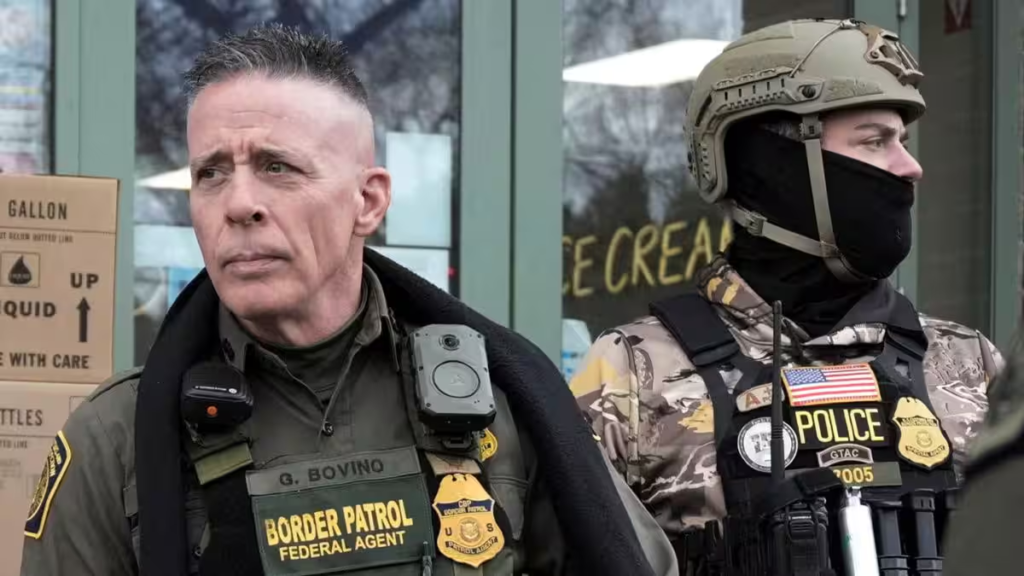
As the commanding official during the Minneapolis operation, Bovino became a focal point for criticism. Civil rights groups questioned the rules of engagement used by Border Patrol agents operating far from the border, while local officials expressed concern over federal officers conducting armed operations in residential neighborhoods. Minneapolis Mayor Jacob Frey confirmed that he spoke with President Trump following the shooting, and Trump later stated publicly that he was reviewing “everything” related to Pretti’s death.
The fallout was swift. Reports emerged that some federal officers would be withdrawn from Minnesota, and that Bovino himself was among those expected to depart. The Associated Press reported that Bovino was being relieved of his duties, though DHS later clarified that he remained a “key part of the President’s team.” Despite that assertion, Bovino was removed from his commander-at-large role and reassigned to El Centro, effectively sidelining him from national operations.
Further complicating matters, CNN reported that DHS suspended Bovino’s access to his official social media accounts, a move often associated with internal discipline or efforts to limit public messaging during sensitive investigations. While DHS has not publicly detailed any formal disciplinary action, the combination of reassignment, loss of command in Minnesota, and restricted communications has been widely interpreted as a demotion in all but name.
Political Fallout and a Tactical Shift
The controversy surrounding Greg Bovino has coincided with signs of a broader recalibration within the Trump administration’s immigration strategy. In a series of social media posts following the shooting, President Trump suggested a shift in tone, stating that he had spoken with Minnesota Governor Tim Walz and that the two were now on “a similar wavelength.” This marked a notable departure from earlier White House rhetoric that blamed Walz for inciting violence during protests against federal operations.
Trump also announced that Tom Homan, the former acting ICE director and newly designated “border czar,” would travel to Minnesota to assume command of the federal mobilization there. The decision effectively removed Bovino from operational leadership in the state and placed responsibility in the hands of a figure seen as more politically seasoned, if equally hardline. The move was interpreted by many observers as an effort to contain political damage while maintaining the administration’s commitment to enforcement.
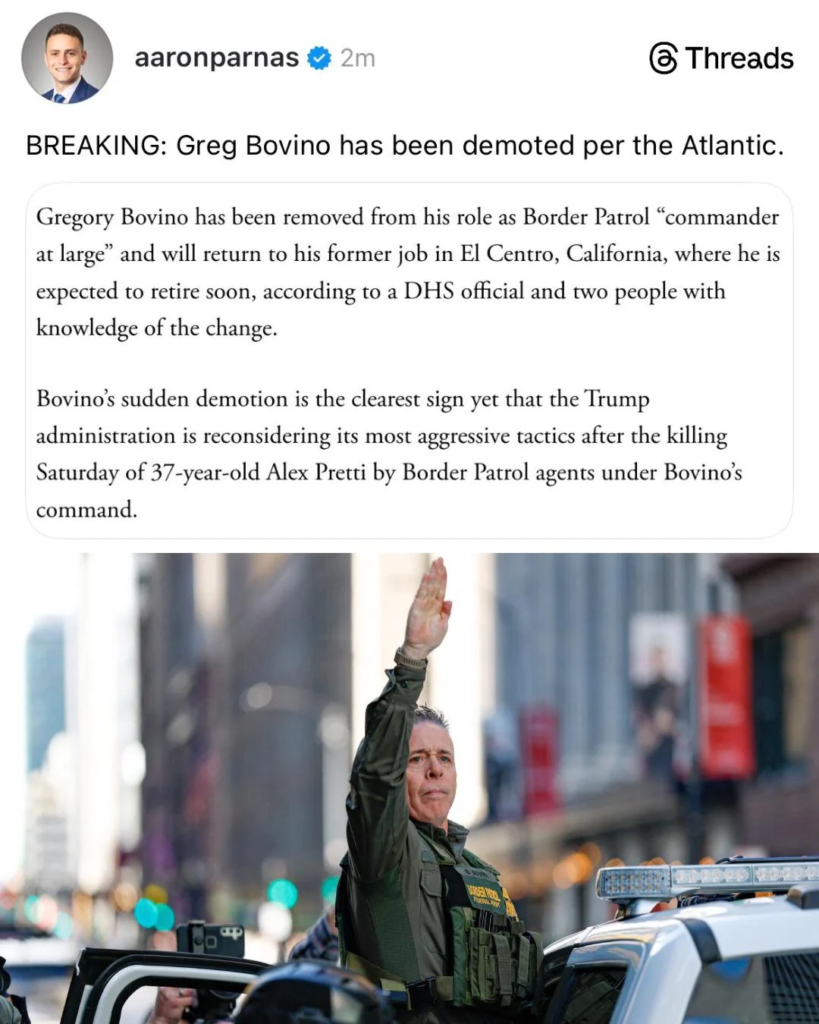
Within DHS, Bovino’s reassignment has reportedly placed his top supporters at risk as well. Homeland Security Secretary Kristi Noem and her close adviser Corey Lewandowski, both described as Bovino’s strongest backers, are said by individuals familiar with internal discussions to be facing potential removal from their positions. While no official announcements have been made, the reports underscore the extent to which the Pretti shooting has destabilized leadership dynamics within the department.
At the heart of the controversy is a fundamental question about accountability. DHS Assistant Secretary Tricia McLaughlin has stated that Bovino has not been formally relieved of his duties, emphasizing his continued role within the administration. Yet the practical reality of his reassignment, coupled with the transfer of command authority in Minnesota, suggests that the administration is seeking distance from both Bovino and the tactics he represents.
For critics, the case of Greg Bovino illustrates the risks of deploying heavily armed federal agents in civilian settings under aggressive enforcement mandates. For supporters, he remains a career law enforcement officer caught in the political crossfire following a tragic and contested incident. As investigations into Alex Pretti’s death continue, Bovino’s future appears increasingly tied to the outcome of those inquiries and to the administration’s willingness to reassess the methods that brought him to prominence.
Whether Greg Bovino’s removal from the national spotlight represents a temporary adjustment or a lasting shift in federal immigration enforcement remains unclear. What is certain is that the fatal shooting of Alex Pretti has transformed Bovino from a symbol of hardline policy into a central figure in a national debate over the limits of force, the role of Border Patrol beyond the border, and the political consequences of aggressive immigration tactics.