

Guatemala, often referred to as the “Heart of the Mayan World,” is a country that captivates with its rich history, vibrant culture, and breathtaking landscapes. Nestled in the heart of Central America, Guatemala is a land of contrasts, where ancient Mayan ruins stand amidst lush jungles and towering volcanoes. The country’s unique blend of indigenous traditions and Spanish colonial influences creates a vibrant cultural tapestry that is both fascinating and diverse.
Table of Contents
Geography
Guatemala is located in Central America and shares borders with Mexico to the north and west, Belize and the Caribbean Sea to the northeast, Honduras to the east, and El Salvador to the southeast. The country also has a coastline along the Pacific Ocean to the south.
Covering an area of approximately 108,889 square kilometers, Guatemala boasts a diverse topography that includes mountains, forests, lakes, and rivers. The country is known for its dramatic landscapes, particularly its volcanic terrain. Guatemala is home to 37 volcanoes, three of which—Pacaya, Fuego, and Santiaguito—are still active.
The most famous of these is the Pacaya Volcano, located near the capital city of Guatemala City. The highlands, where many of the country’s indigenous communities reside, are characterized by fertile valleys and stunning lakes, such as Lake Atitlán, which is surrounded by volcanoes and traditional Mayan villages.
States of Guatemala
Guatemala is divided into 22 departments, not states. Each department has its own capital and is the equivalent of a state in other countries. Here is a list of Guatemala’s 22 departments along with their capitals in table form:
| No. | Department | Capital |
|---|---|---|
| 1 | Alta Verapaz | Cobán |
| 2 | Baja Verapaz | Salamá |
| 3 | Chimaltenango | Chimaltenango |
| 4 | Chiquimula | Chiquimula |
| 5 | El Progreso | Guastatoya |
| 6 | Escuintla | Escuintla |
| 7 | Guatemala | Guatemala City |
| 8 | Huehuetenango | Huehuetenango |
| 9 | Izabal | Puerto Barrios |
| 10 | Jalapa | Jalapa |
| 11 | Jutiapa | Jutiapa |
| 12 | Petén | Flores |
| 13 | Quetzaltenango | Quetzaltenango |
| 14 | Quiché | Santa Cruz del Quiché |
| 15 | Retalhuleu | Retalhuleu |
| 16 | Sacatepéquez | Antigua Guatemala |
| 17 | San Marcos | San Marcos |
| 18 | Santa Rosa | Cuilapa |
| 19 | Sololá | Sololá |
| 20 | Suchitepéquez | Mazatenango |
| 21 | Totonicapán | Totonicapán |
| 22 | Zacapa | Zacapa |
History
The country has a rich and complex history that dates back thousands of years. It was once the center of the ancient Mayan civilization, one of the most advanced cultures in the pre-Columbian Americas. The Mayans were known for their sophisticated knowledge of astronomy, mathematics, and architecture, and they built impressive cities like Tikal, which served as major political, economic, and religious centers.
The Mayan civilization reached its peak between 250 and 900 AD, but many of their cities were abandoned by the time the Spanish arrived in the 16th century. In 1523, Spanish conquistadors led by Pedro de Alvarado began the conquest of The country. The Spanish colonization brought significant changes to the region, including the introduction of Christianity and the establishment of a colonial economy based on agriculture and mining.
The indigenous population was greatly reduced due to disease and exploitation, and the Spanish imposed their language and culture on the people. Despite these challenges, many indigenous communities managed to preserve their traditions and languages, which are still evident in The country today. Guatemala gained independence from Spain in 1821, along with other Central American countries.
The 19th and 20th centuries were marked by political instability, including dictatorships, revolutions, and civil war. The Guatemalan Civil War, which lasted from 1960 to 1996, was a particularly dark period in the country’s history, resulting in the loss of hundreds of thousands of lives. The peace accords signed in 1996 marked the beginning of a new era for The country, but the country continues to face challenges related to poverty, inequality, and crime.
Top 10 Must-Visit Destinations
Tikal

Located in the northern region of Petén, Tikal is one of the most significant archaeological sites of the ancient Mayan civilization. The ruins, set amidst a lush rainforest, include towering pyramids, temples, and plazas. Tikal was once a major political, economic, and military center, and today, it is a UNESCO World Heritage Site.
Antigua Guatemala

A UNESCO World Heritage Site, Antigua Guatemala is a beautifully preserved colonial city surrounded by volcanoes. Known for its cobblestone streets, colorful buildings, and historic churches, Antigua was the capital of Guatemala until a devastating earthquake in 1773. The city is a cultural hub, with vibrant markets, museums, and festivals.
Lake Atitlán

Lake Atitlán, often described as the most beautiful lake in the world, is surrounded by volcanoes and traditional Mayan villages. The lake is a popular destination for travelers seeking natural beauty, adventure, and cultural experiences. Visitors can explore the lake by boat, hike the surrounding mountains, or immerse themselves in the local culture.
Chichicastenango Market
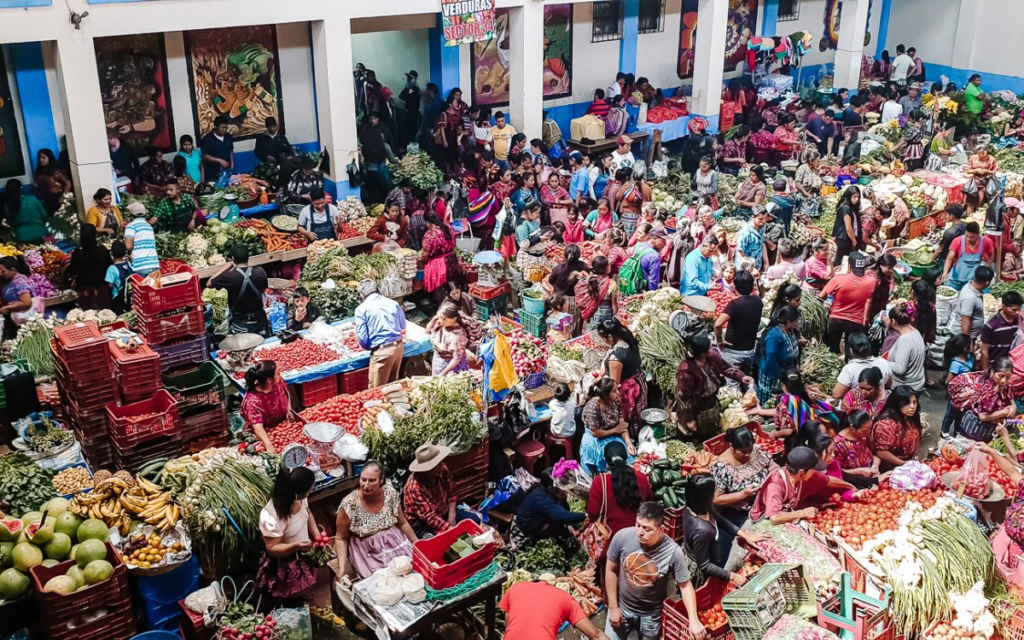
Located in the highlands of Guatemala, the Chichicastenango Market is one of the largest and most colorful markets in Central America. The market is a vibrant showcase of traditional Mayan crafts, textiles, and foods. Visitors can experience the lively atmosphere, barter with local vendors, and observe traditional ceremonies.
Pacaya Volcano
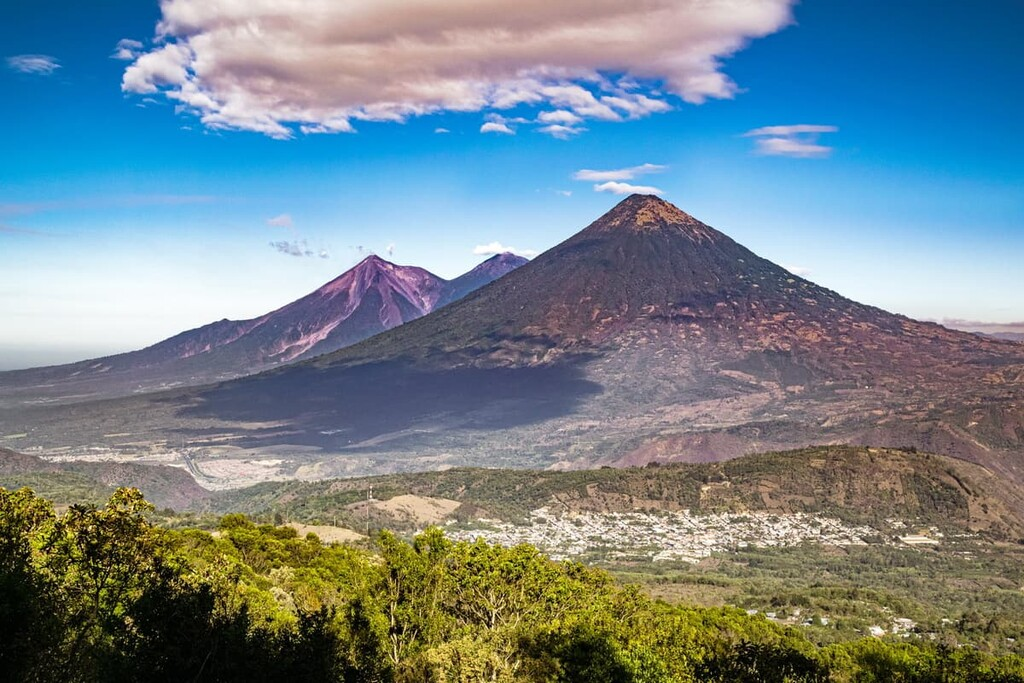
The Pacaya Volcano is one of Guatemala’s most active volcanoes and a popular destination for hikers and adventure seekers. Located near Guatemala City, Pacaya offers a unique opportunity to hike up to the crater and witness the glowing lava flows. The views from the summit are spectacular, with panoramic vistas of the surrounding landscape.
Semuc Champey
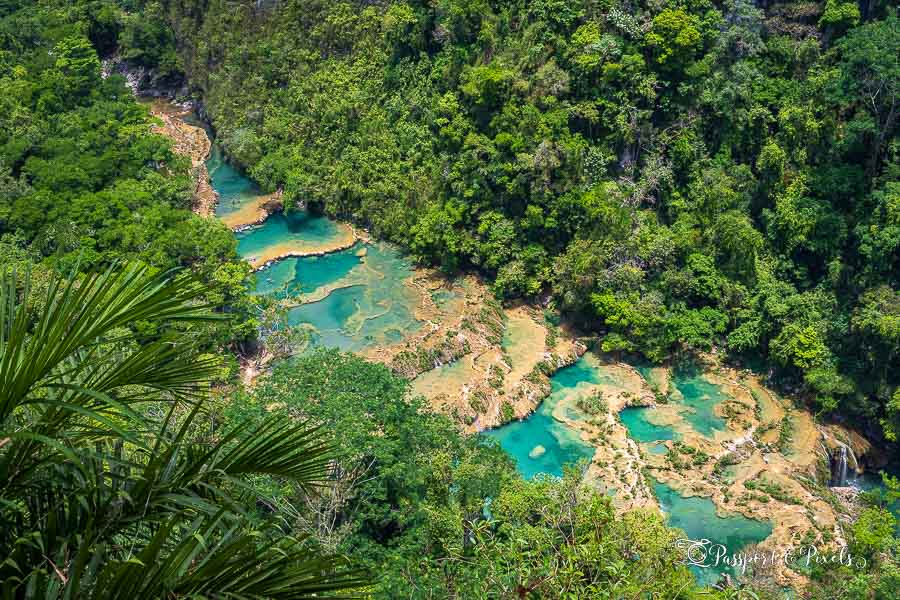
Semuc Champey is a natural wonder located in the Alta Verapaz region of Guatemala. It is a series of stepped turquoise pools atop a natural limestone bridge. The area is a haven for nature lovers and adventure enthusiasts, offering opportunities for swimming, tubing, and exploring the nearby caves.
Livingston
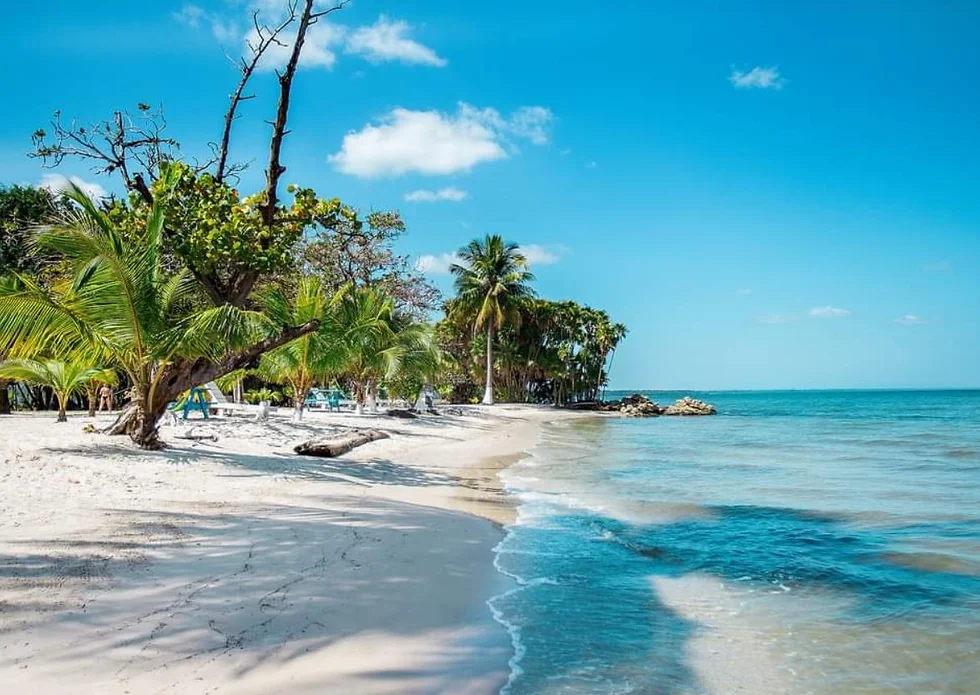
Livingston is a small coastal town on the Caribbean coast of Guatemala, known for its Afro-Caribbean culture and laid-back vibe. The town is only accessible by boat and offers a unique blend of Garifuna, Mayan, and Spanish influences. Visitors can enjoy the local cuisine, explore the nearby beaches, or take a boat trip up the Río Dulce.
Quetzaltenango (Xela)

Quetzaltenango, also known as Xela, is the second-largest city in Guatemala and a center of indigenous culture and education. The city is surrounded by volcanoes and offers a mix of modern amenities and traditional charm. Xela is also a popular destination for language learners, with numerous Spanish schools offering immersive programs.
Monterrico

Monterrico is a coastal town on the Pacific Ocean, known for its black sand beaches and conservation efforts to protect sea turtles. The town is a popular destination for beachgoers, surfers, and wildlife enthusiasts. Visitors can participate in turtle conservation projects, relax on the beach, or explore the nearby mangroves.
El Mirador
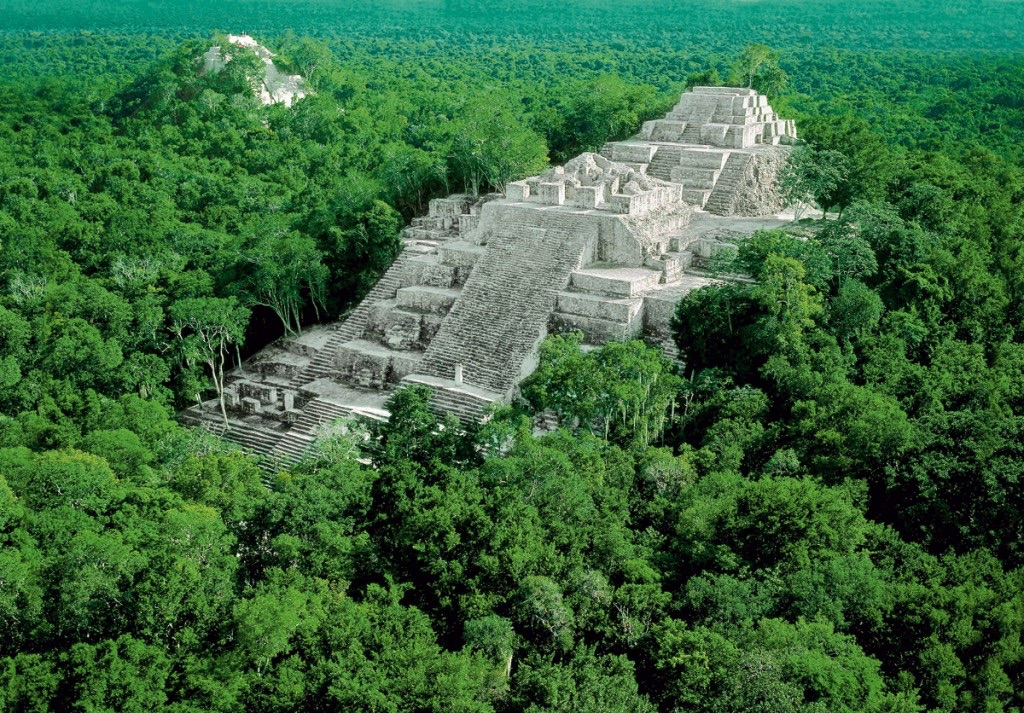
El Mirador is an ancient Mayan city located deep in the jungles of northern Guatemala. It is one of the largest and oldest Mayan cities, dating back to 1000 BC. El Mirador is home to the largest pyramid in the world by volume, La Danta. The site is remote and can only be accessed by a multi-day trek through the jungle, making it a destination for adventurous travelers.
Culture
Guatemala’s culture is a rich tapestry woven from its indigenous heritage, Spanish colonial influences, and contemporary traditions. The country is home to 23 officially recognized indigenous languages, with K’iche’, Q’eqchi’, and Kaqchikel being the most widely spoken. Spanish is the official language, but many Guatemalans are bilingual, speaking both Spanish and their indigenous language.
Traditional clothing, known as traje, is an important part of Guatemalan culture and varies by region. Women’s traje typically includes a woven blouse called a huipil and a skirt called a corte, while men may wear trousers and a shirt with traditional patterns.
Each community has its unique patterns and colors, which often reflect their history and beliefs. Religion also plays a significant role in Guatemalan culture, with Catholicism being the dominant faith, although many indigenous people practice a blend of Catholic and traditional Mayan beliefs.
Festivals
The country is a country that celebrates its culture and history through a variety of festivals, each with its unique customs and traditions. One of the most significant festivals is Semana Santa (Holy Week), which is celebrated with elaborate processions, intricate alfombras (carpets made of sawdust and flowers), and religious ceremonies.
Antigua Guatemala is particularly famous for its Semana Santa celebrations, attracting visitors from around the world. Another important festival is the Day of the Dead, known locally as Día de los Muertos. Celebrated on November 1st and 2nd, this festival honors deceased loved ones with colorful altars, offerings, and visits to cemeteries.
The town of Santiago Sacatepéquez is known for its giant kite festival, where enormous kites are flown to communicate with the spirits of the dead. Other notable festivals include Independence Day on September 15th and the traditional Mayan New Year, celebrated with ceremonies and rituals in indigenous communities.
Economy
The country has a diverse economy that is primarily based on agriculture, manufacturing, and services. The country is one of the largest producers of coffee, sugar, and bananas in the world, and these commodities play a crucial role in its economy. Agriculture employs a significant portion of the population, particularly in rural areas, and is a major source of export revenue.
In addition to agriculture, Guatemala’s economy has seen growth in the manufacturing sector, particularly in textiles and apparel, which are exported to the United States and other countries. The service sector, including tourism, finance, and telecommunications, has also expanded in recent years.
Tourism, in particular, is an important source of income, with visitors drawn to Guatemala’s natural beauty, cultural heritage, and archaeological sites. Despite economic growth, The country faces challenges such as poverty, inequality, and reliance on remittances from Guatemalans living abroad.
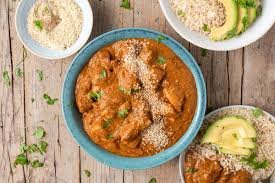
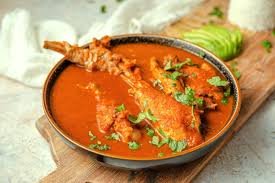
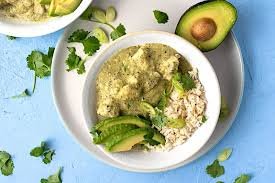
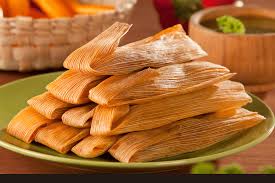
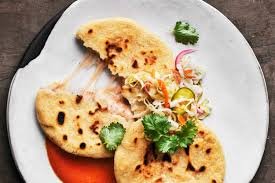
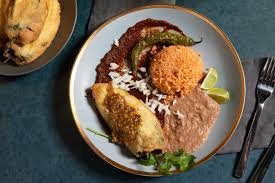
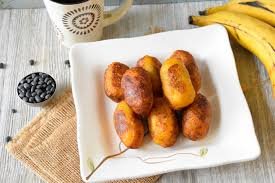
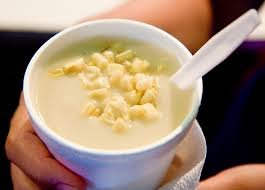
Top Eight Most Famous Food
Ten Interesting Facts About Guatemala
- Guatemala is home to 37 volcanoes, three of which are still active.
- The ancient Mayan city of Tikal is one of the largest archaeological sites in the world.
- Guatemala’s national bird, the quetzal, is also the name of the country’s currency.
- The Guatemalan town of Chichicastenango hosts one of the largest indigenous markets in Central America.
- Guatemala is one of the few countries where jade was mined by the ancient Maya.
- The colorful buses known as “chicken buses” are a popular form of transportation in Guatemala.
- The traditional Mayan calendar, the Haab’, is still used by some indigenous communities in Guatemala.
- Lake Atitlán is the deepest lake in Central America, with a depth of over 340 meters.
- Guatemala is the largest producer of cardamom in the world.
- The country’s name, Guatemala, is derived from the Nahuatl word “Quauhtlemallan,” meaning “land of many trees.”
Conclusion
Guatemala is a country that offers a rich tapestry of experiences for travelers, from exploring ancient Mayan ruins and hiking active volcanoes to immersing oneself in vibrant indigenous cultures and enjoying the natural beauty of its landscapes. With its diverse geography, rich history, and welcoming people, Guatemala truly is the heart of the Mayan world.