
Gujarat has positioned itself as a driving force behind India’s economic ambitions, with Chief Minister Bhupendra Patel setting a bold target for the state to become a USD 3.5 trillion economy by 2047.
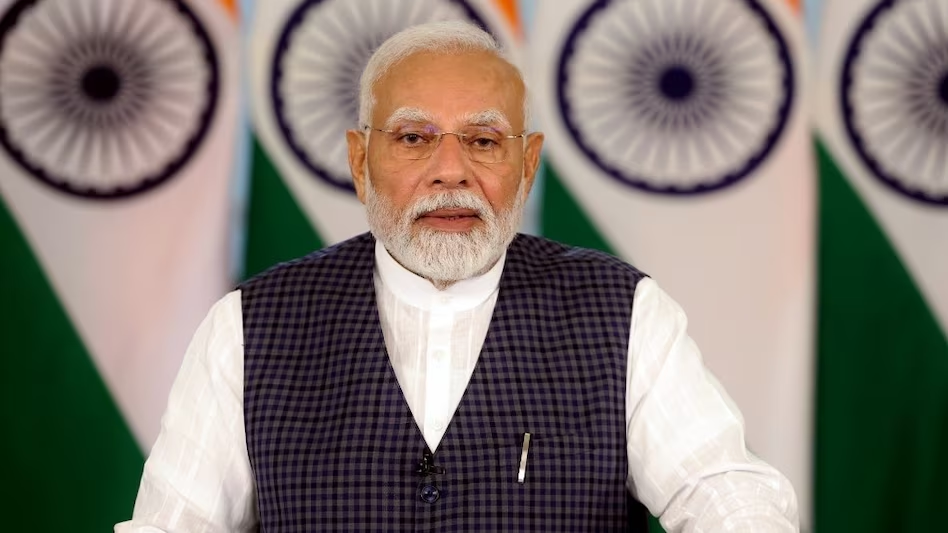
Reflecting the vision of Prime Minister Narendra Modi, who has emphasized initiatives like Make in India, Digital India, and Skill India, Gujarat’s ongoing development is seen as instrumental in India’s broader economic aspirations.
Through policies fostering innovation, investment, and industrial growth, state’s trajectory toward 2047 is underscored by significant accomplishments and future goals.
Gujarat as India’s Growth Engine
Chief Minister Bhupendra Patel emphasized Gujarat’s role as a “growth engine” that has not only kept pace with India’s economic development but has also proactively created opportunities amidst challenges. Over the past 23 years, the state has transformed itself through a policy-driven approach that appeals to investors and innovators alike.
This transformation is evident in state’s rapid industrialization and in its strategic alignment with Prime Minister Modi’s vision for a developed India by 2047.
Patel’s government has engaged industry leaders in dialogues focusing on sustainable economic expansion, industrial modernization, and enhanced job creation, ensuring that Gujarat’s growth benefits the state and contributes to India’s global competitiveness.
In recognizing the efforts of Prime Minister Modi’s leadership, CM Patel linked state’s developmental strategy with national initiatives such as Make in India and Digital India. These programs have played a vital role in reshaping India’s industrial landscape and advancing digital literacy and manufacturing capabilities.
Read : Kutch Becomes Gold in Embryo Transfer: First Ever Twin Calf Incarnate, First Event in Gujarat
Read : Gir Forest to Rann of Kutch: Navigating Gujarat’s Natural Wonders
With these initiatives as a foundation, the state aims to accelerate its economic growth and support the national vision of becoming a USD 32 trillion economy by 2047. As a pioneer in policy and innovation, the state continues to lead India’s growth story, integrating traditional industries with emerging sectors like semiconductors and renewable energy.
Policy-Driven Success and Industrial Investment
Gujarat’s success in attracting foreign direct investment (FDI) has solidified its position as one of India’s top economic contributors. The state has crafted policies that promote transparency, ease of business, and regulatory support, making it an attractive destination for investors globally.
Significant FDI inflows have gone into industries like green hydrogen, renewable energy, and semiconductors, reflecting state’s commitment to sustainable growth and technological advancement.
These investments signify the state’s dedication to addressing climate change challenges and reducing dependency on traditional energy sources, thus aligning with India’s sustainable development goals.
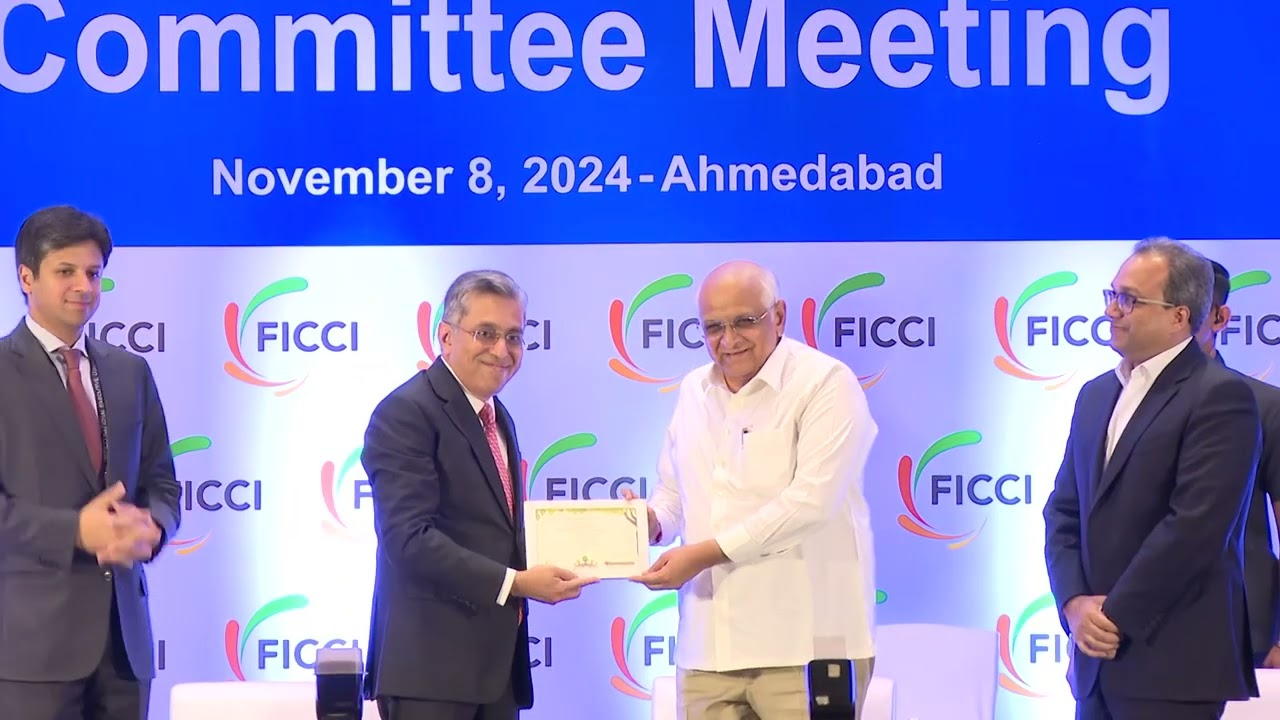
Dr. Anish Shah, President of the Federation of Indian Chambers of Commerce and Industry (FICCI), lauded Gujarat for its contribution to India’s economic landscape, highlighting that the state accounts for 30 percent of national merchandise exports and 40 percent of maritime cargo despite representing only 5 percent of India’s population.
This disproportionate contribution underscores the effectiveness of Gujarat’s industrial policies and its relentless pursuit of economic expansion. With an annual growth rate of 12 percent sustained over the years, Gujarat exemplifies the potential for policy and industry synergy.
Dr. Shah expressed FICCI’s commitment to partnering with Gujarat in its journey toward becoming a USD 1 trillion economy, paving the way for India’s broader economic aspirations.
Harsha Vardhan Agarwal, Senior Vice President of FICCI, also expressed appreciation for the Gujarat government’s forward-thinking vision. He emphasized FICCI’s ongoing commitment to deepen its collaboration with the state to achieve these ambitious targets.
This strong partnership between the government and industry is instrumental in fostering an ecosystem that encourages innovation, economic growth, and improved standards of living.
Collaborative Vision for Future Economic Growth
Rajiv Gandhi, Chair of FICCI’s Gujarat State Council, emphasized that Gujarat’s policy and industry alignment has been key to its success in industrial progress, supporting job creation and improved quality of life for its residents.
He pointed out that the state’s unique approach to integrating policy frameworks with industry needs has catalyzed economic growth and established this state as a model for other states aiming to attract investment and foster industrialization.
Gujarat’s government actively works with key industry stakeholders to address challenges, enhance industrial opportunities, and develop solutions that promote sustainable economic expansion.

The FICCI National Executive Committee Meeting, attended by prominent industry leaders, was a crucial platform for discussing these strategies and further aligning Gujarat’s growth with India’s economic targets. The meeting underscored the need for collaboration across sectors and the importance of a shared vision in propelling India’s development.
Harsha Vardhan Agarwal, recently named FICCI’s President-Elect, stressed FICCI’s resolve to support Gujarat’s economic trajectory, reinforcing the collaborative vision between the government and industry that is vital to achieving it’s USD 3.5 trillion economy goal by 2047.
Gujarat’s economic ambitions serve as a testament to India’s potential for exponential growth and global influence. With its progressive policies, robust industrial base, and commitment to sustainability, the state is on track to achieve its economic target, symbolizing hope and opportunity for the entire nation.
The state’s achievements illustrate the power of a well-coordinated strategy that merges governmental support with industry expertise, setting a benchmark for India’s growth journey toward 2047.