
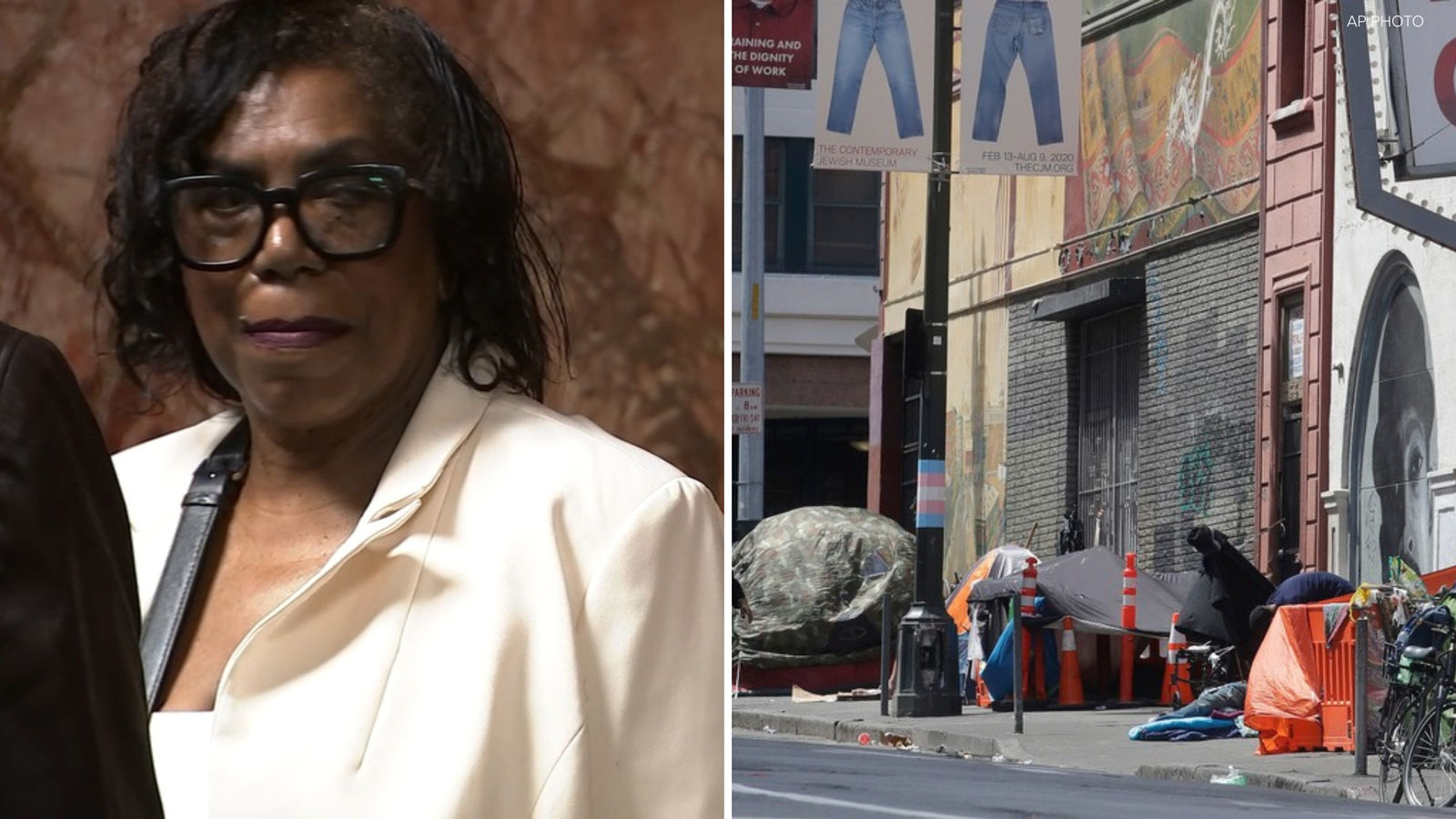
The former chief executive officer of a San Francisco-based homeless services nonprofit is facing multiple felony charges following allegations that she misappropriated more than $1.2 million in public funds intended to assist vulnerable residents. Prosecutors allege that Gwendolyn Westbrook, 71, used her leadership position at the United Council for Human Services to divert money for personal expenses over a four-year period.
The charges have intensified scrutiny over financial oversight within nonprofit organizations that manage substantial government contracts aimed at addressing homelessness. As cities across the United States continue to allocate billions of dollars toward housing and social support programs, the case underscores growing concerns about accountability and governance in the nonprofit sector.
Gwendolyn Westbrook is scheduled to be arraigned on nine felony counts, including misappropriation of public funds, grand theft, and filing false California tax returns. According to the district attorney’s office, she allegedly exercised near-exclusive financial control over the nonprofit’s accounts, allowing her to conduct unauthorized transactions without sufficient checks and balances. The allegations come after years of controversy surrounding both Westbrook and the organization she led, raising broader questions about regulatory enforcement and financial transparency in publicly funded charities.
Allegations of Financial Misconduct and Felony Charges
Prosecutors allege that between 2019 and 2023, Gwendolyn Westbrook engaged in a pattern of financial misconduct that included unauthorized self-payments, improper cash withdrawals, and fraudulent reimbursement claims. These actions allegedly diverted public money meant to support homeless and low-income individuals into her personal use. Court documents indicate that the funds in question were largely derived from city contracts awarded to the nonprofit for operating services such as a soup kitchen and shelter programs.
The charging documents describe a systematic misuse of funds rather than isolated transactions. Authorities contend that Westbrook used nonprofit accounts to purchase luxury vehicles and make high-end retail purchases at stores including Louis Vuitton and Neiman Marcus. The scale and duration of the alleged misconduct suggest significant lapses in financial oversight within the organization.
Prosecutors assert that her near-exclusive financial authority over the nonprofit’s accounts enabled her to execute these transactions without immediate detection. Among the nine felony charges, the misappropriation of public funds carries particular weight, as it pertains directly to taxpayer money allocated for essential social services. The grand theft charge reflects the substantial monetary value allegedly involved, while the tax-related allegations indicate that some of the diverted funds may not have been properly reported on state tax filings.
Read : New Zealand’s Walking Tree Wins the 2024 Tree of the Year Award
If convicted, Westbrook could face significant penalties, including imprisonment and financial restitution. Efforts to obtain comment from Westbrook and the nonprofit have reportedly gone unanswered, and an attorney representing her had not been identified at the time the charges were announced. Her arraignment is expected to provide the first formal opportunity for her to respond to the allegations in court.
A History of Controversy Surrounding Leadership
The current charges are not the first time Westbrook or the United Council for Human Services has faced scrutiny. Media reports indicate that in 1997, Westbrook was accused of stealing thousands of dollars from a cash box at a parking lot owned by the San Francisco Port, where she was employed at the time. While details about the outcome of that earlier incident remain limited in public records, it marked an early episode of controversy in her professional history.
Further concerns emerged in 2015 when regulators reportedly discovered unsanctioned blackjack tables operating in the back of a charity bingo hall run by the nonprofit. The presence of unauthorized gambling activities raised compliance issues and cast doubt on internal governance practices. Although the nonprofit continued to operate and secure city contracts afterward, the incident highlighted weaknesses in regulatory oversight.
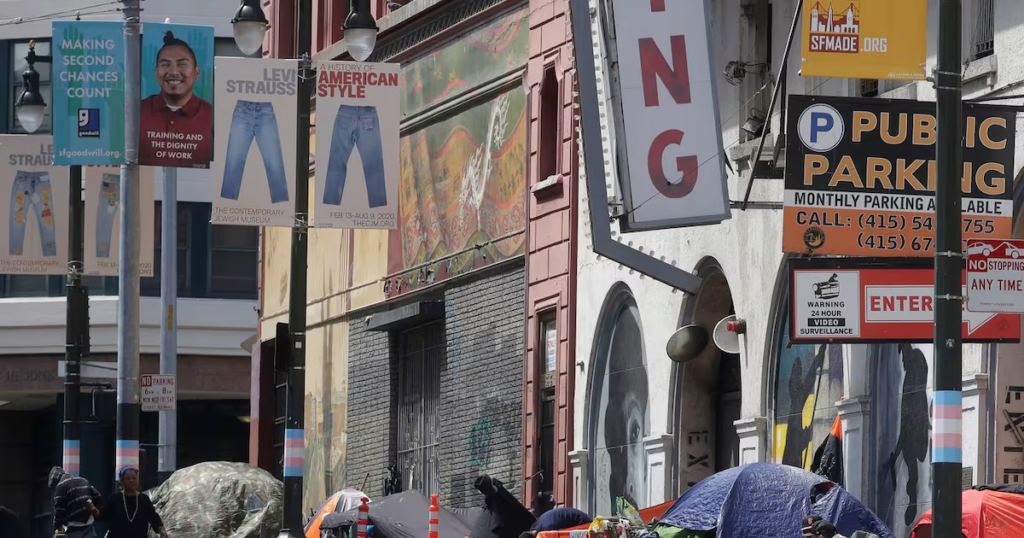
Westbrook led the organization for nearly two decades before her dismissal in 2023. During that time, the nonprofit collected millions of dollars in city funding to provide services aimed at reducing homelessness. Such funding typically comes with strict reporting requirements and auditing standards intended to ensure that public resources are used appropriately. However, the allegations suggest that internal controls may have been insufficient to prevent or detect financial irregularities over an extended period.
The longevity of her tenure, combined with near-exclusive financial control, may have created an environment in which oversight mechanisms were limited or ineffective. Nonprofit governance experts often emphasize the importance of independent board supervision, transparent accounting systems, and external audits to safeguard against fraud and mismanagement. The case raises questions about whether these safeguards were adequately implemented or enforced within the organization.
Broader Implications for Publicly Funded Homeless Services
The charges against Westbrook emerge at a time when public spending on homelessness services is under intense examination. Cities such as San Francisco have allocated substantial budgets to address housing instability, emergency shelter capacity, and supportive services for vulnerable populations. These funds are often distributed through nonprofit organizations that serve as intermediaries between government agencies and individuals in need.
When allegations of financial misconduct arise within such organizations, they can undermine public trust in the broader system of service delivery. Taxpayers expect that funds earmarked for homelessness prevention and relief will be used directly to support those experiencing hardship. Cases involving alleged misuse of public money may prompt calls for tighter oversight, enhanced auditing procedures, and more rigorous vetting of nonprofit leadership.
Read : BSNL Achieves Record-Breaking 1st Profit Since 2007
The Westbrook case is not occurring in isolation. In Los Angeles, a separate investigation has led to federal and state fraud charges against the chief executive of another homeless services nonprofit. In that case, prosecutors allege that millions of dollars intended for charitable work were used to finance a luxury lifestyle, including high-value real estate and expensive vehicles. While each case involves distinct facts and legal proceedings, the pattern of alleged misconduct has heightened concerns about governance standards across the nonprofit sector.
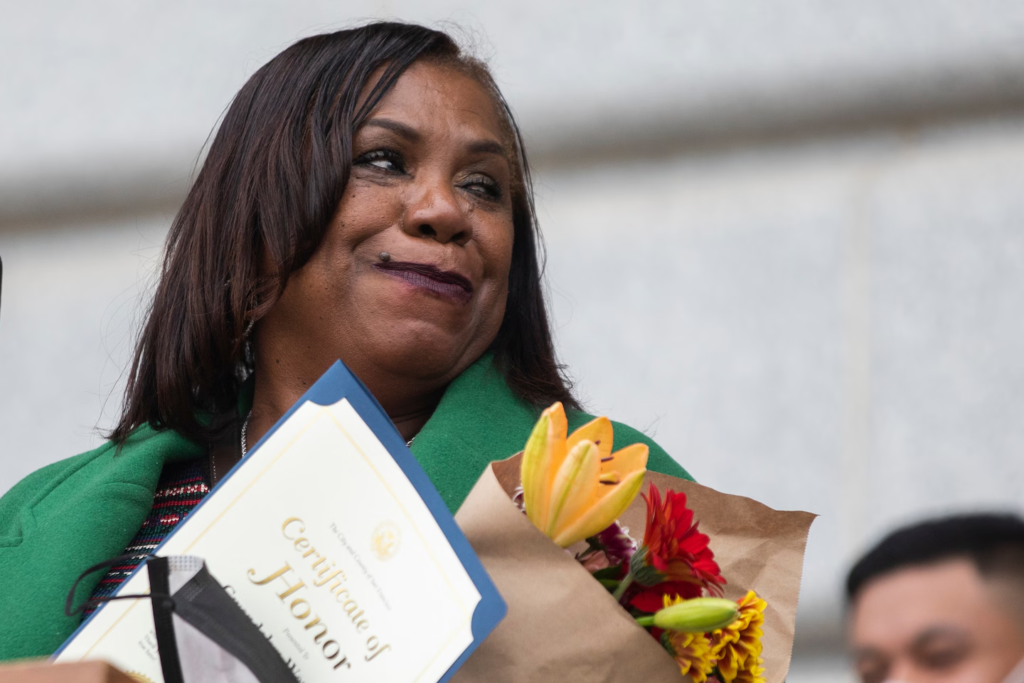
Experts note that nonprofit organizations managing government contracts operate in a complex regulatory environment. They must comply with municipal, state, and federal requirements while also maintaining operational flexibility to deliver services effectively. However, the concentration of financial authority in a single executive can create vulnerabilities if adequate internal controls are not in place. Best practices typically include separation of financial duties, regular independent audits, and transparent reporting to governing boards and funding agencies.
The unfolding legal process in Gwendolyn Westbrook’s case will likely provide further details about how the alleged scheme operated and how it was eventually uncovered. Prosecutors must demonstrate not only that funds were misused but also that the actions were intentional and unlawful. The defense, if presented, may challenge the characterization of transactions or argue procedural deficiencies in the investigation.
Regardless of the outcome, the case underscores the high stakes involved in administering public funds dedicated to social welfare programs. Homelessness remains a pressing issue in many urban centers, with local governments investing heavily in outreach, shelter, and supportive housing initiatives. Effective stewardship of these resources is essential to maintaining both program effectiveness and public confidence.
As the arraignment proceeds and the legal process unfolds, policymakers and regulators may reexamine existing oversight frameworks. Potential reforms could include more frequent financial audits, stricter conflict-of-interest policies, and enhanced training for nonprofit boards. Such measures aim not only to prevent fraud but also to ensure that charitable organizations can continue to serve vulnerable communities with integrity and accountability.
For the individuals who rely on services provided by organizations like the United Council for Human Services, the allegations represent more than a financial controversy. They touch on the stability and reliability of programs designed to provide food, shelter, and support during times of crisis. Ensuring that public funds reach their intended beneficiaries remains a central concern as authorities pursue the case through the judicial system.