
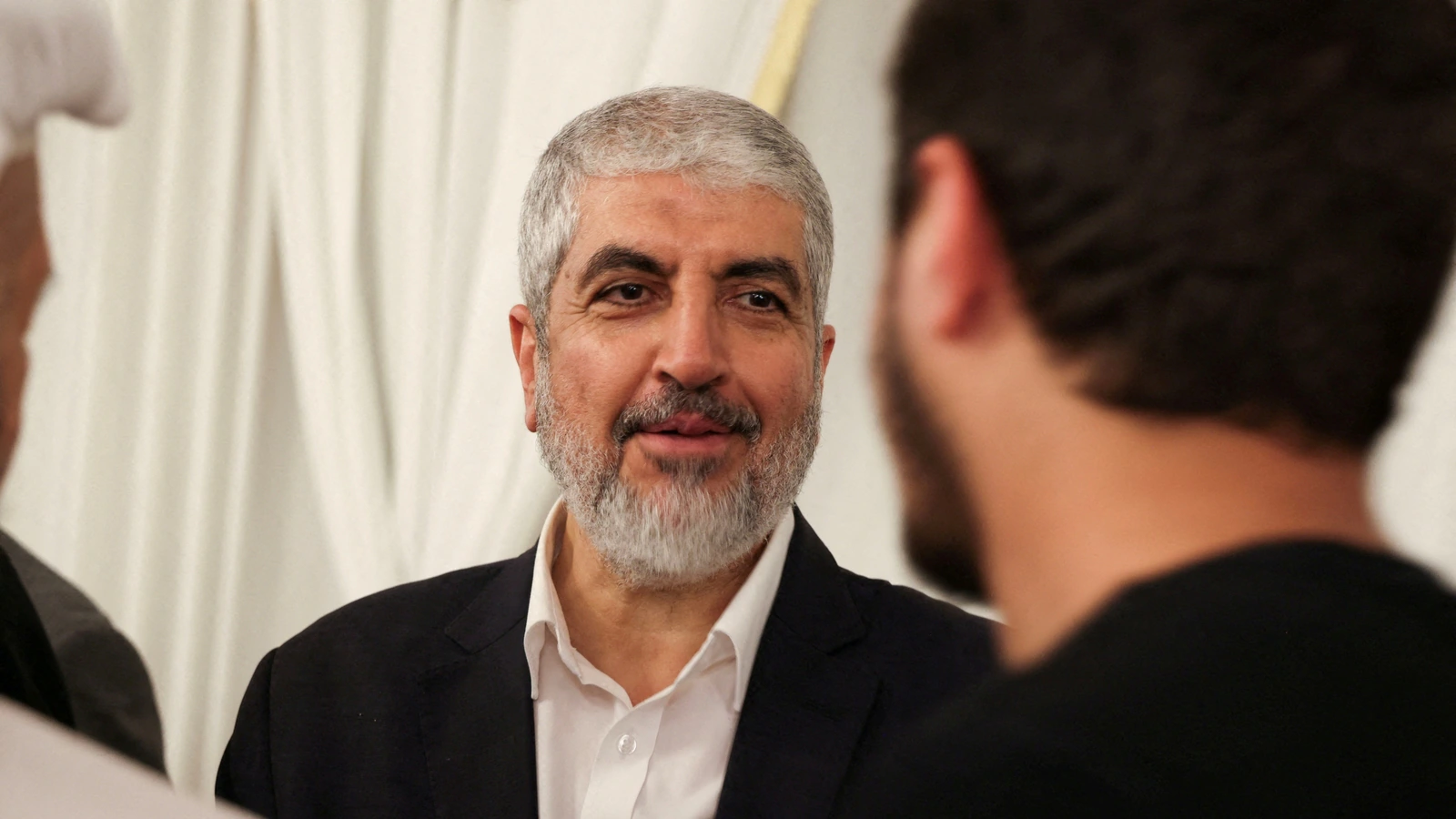
Hamas, the Palestinian militant group designated as a terrorist organization by the United States, the European Union, and several other countries, made a high-profile appearance at an “anti-India” conference in Pakistan-occupied Kashmir (PoK).
The event, held on February 5, coincided with Pakistan’s annual Kashmir Solidarity Day, a state-sponsored propaganda exercise aimed at challenging India’s sovereignty over Jammu and Kashmir.
Hamas representatives were given a VIP welcome, with members of Jaish-e-Mohammed (JeM) and Lashkar-e-Taiba (LeT) escorting them in a grand procession featuring luxury SUVs, bikes, and even horses.
The participation of Hamas in the “Kashmir Solidarity and Hamas Operation ‘Al Aqsa Flood’ Conference” has raised significant concerns among Indian authorities and security experts.
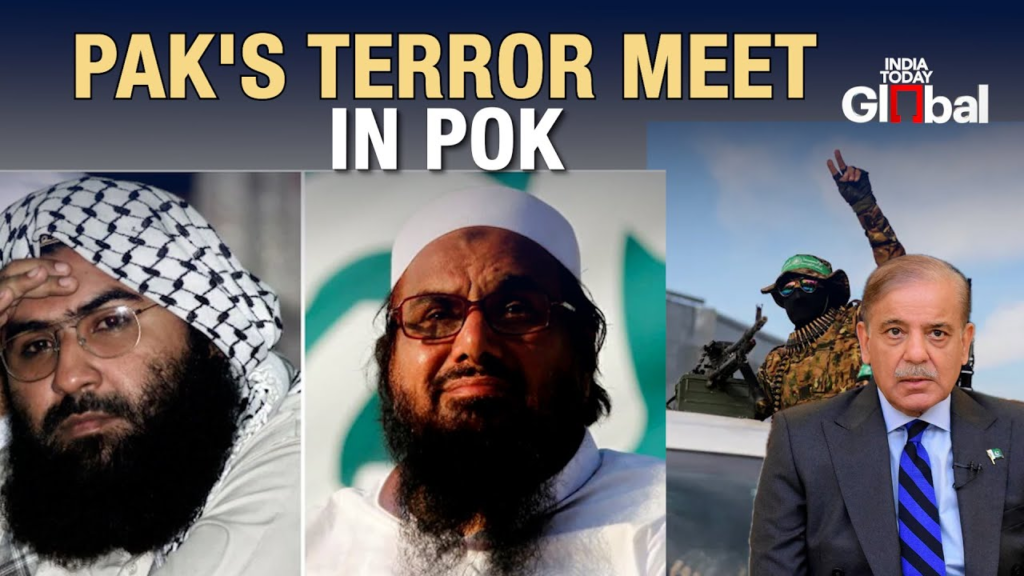
The Vishwa Hindu Parishad (VHP), a prominent Hindu nationalist organization in India, has expressed apprehension that Pakistan may now seek Hamas’s assistance in orchestrating terrorist attacks in Jammu and Kashmir.
VHP spokesperson Vinod Bansal emphasized that this development could signal a new phase of collaboration between Pakistan-based terrorist groups and international organizations like Hamas, potentially escalating security threats in the region.
This event has also drawn international attention, with media outlets highlighting the unprecedented nature of Hamas’s involvement in South Asian affairs.
Analysts suggest that Hamas’s presence in Pakistan-occupied Kashmir (PoK) may be part of a broader strategy to internationalize the Kashmir issue and link it with global Islamist movements.
Such developments could complicate the security dynamics in South Asia, necessitating heightened vigilance and strategic responses from India and its allies.
Hamas Strengthens Ties with Pakistani Terror Groups
The presence of this terrorist group at this gathering signals a growing alignment between the group and Pakistan-based jihadist organizations such as Jaish-e-Mohammed and Lashkar-e-Taiba, both of which have been responsible for numerous terrorist attacks in India, including the deadly 2001 Indian Parliament attack and the 2008 Mumbai attacks.
Read : Police Officer Shot Dead on 1st Day of Polio Vaccination Drive By Pakistani Taliban
The Hamas delegation, led by Dr. Khalid Al-Qadoumi, the group’s representative in Iran, was greeted with rose petals upon arrival, underscoring the reverence with which they were received by these militant factions.
The conference was attended by top figures from Pakistan’s terrorist network, including Talha Saif, the brother of JeM chief Masood Azhar, and Asghar Khan Kashmiri, a senior JeM commander. Their presence at the event, alongside this terrorist group, raises concerns about the possible coordination of terrorist activities across different regions.
🚨 HAMAS HAS A NEW SAFE HAVEN 🚨
— Utsav Sanduja 🦅🇺🇸 (@UtsavSanduja) February 6, 2025
PAKISTAN! 🇵🇰
Hamas terrorists are now being openly hosted & protected by Pakistan—a country that still receives U.S. foreign aid and holds “Major Non-NATO Ally” status!
📍 LOCATION: Shaheed Sabir Stadium, Pakistan Occupied Kashmir
📅 EVENT:… pic.twitter.com/M2OEp4TzzE
Intelligence sources have long warned of this terrorist group seeking to expand its influence beyond the Middle East, and this latest development suggests a concerted effort to strengthen its foothold in South Asia by forging ties with Pakistan-based jihadist outfits.
Pakistan’s Duplicity on Terrorism and Diplomacy
While Pakistan extended a red carpet welcome to Hamas and other terrorist leaders at the PoK conference, its Prime Minister Shehbaz Sharif simultaneously made a diplomatic overture to India, stating that Pakistan wanted to resolve the Kashmir issue through dialogue.
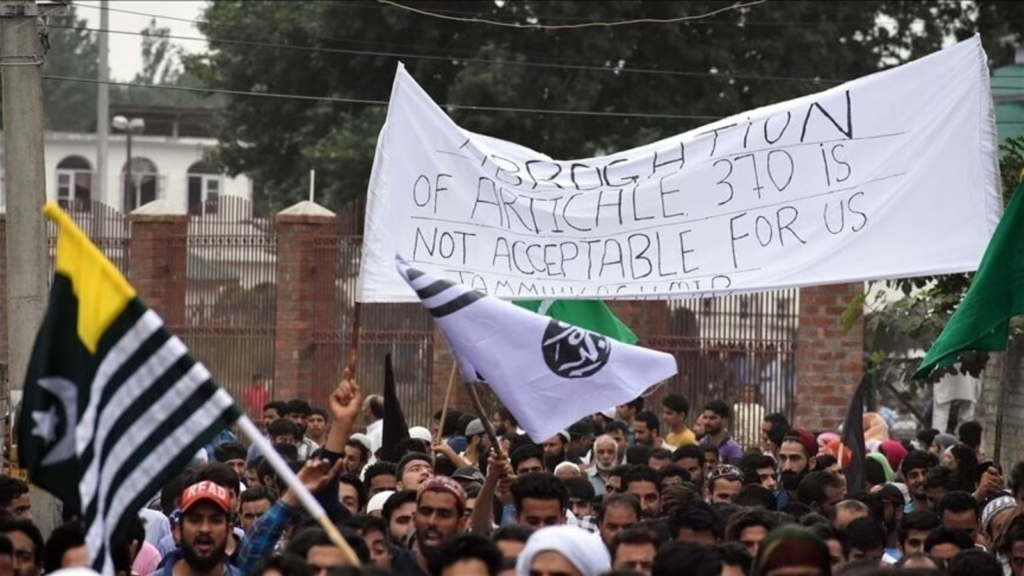
This contradiction exposes Pakistan’s long-standing duplicity—on the one hand, it claims to seek peaceful resolution through talks, while on the other, it actively supports and provides a safe haven for terrorist organizations that threaten regional stability.
India has consistently maintained that Jammu and Kashmir is an integral part of the country and that cross-border terrorism remains the primary obstacle to peace in the region.
The presence of Hamas at a conference dedicated to pushing Pakistan’s anti-India agenda highlights the country’s continued patronage of global terrorist networks.
As Hamas attempts to extend its reach into South Asia, its collaboration with JeM and LeT could pose a significant security threat not just to India but to the entire region.