
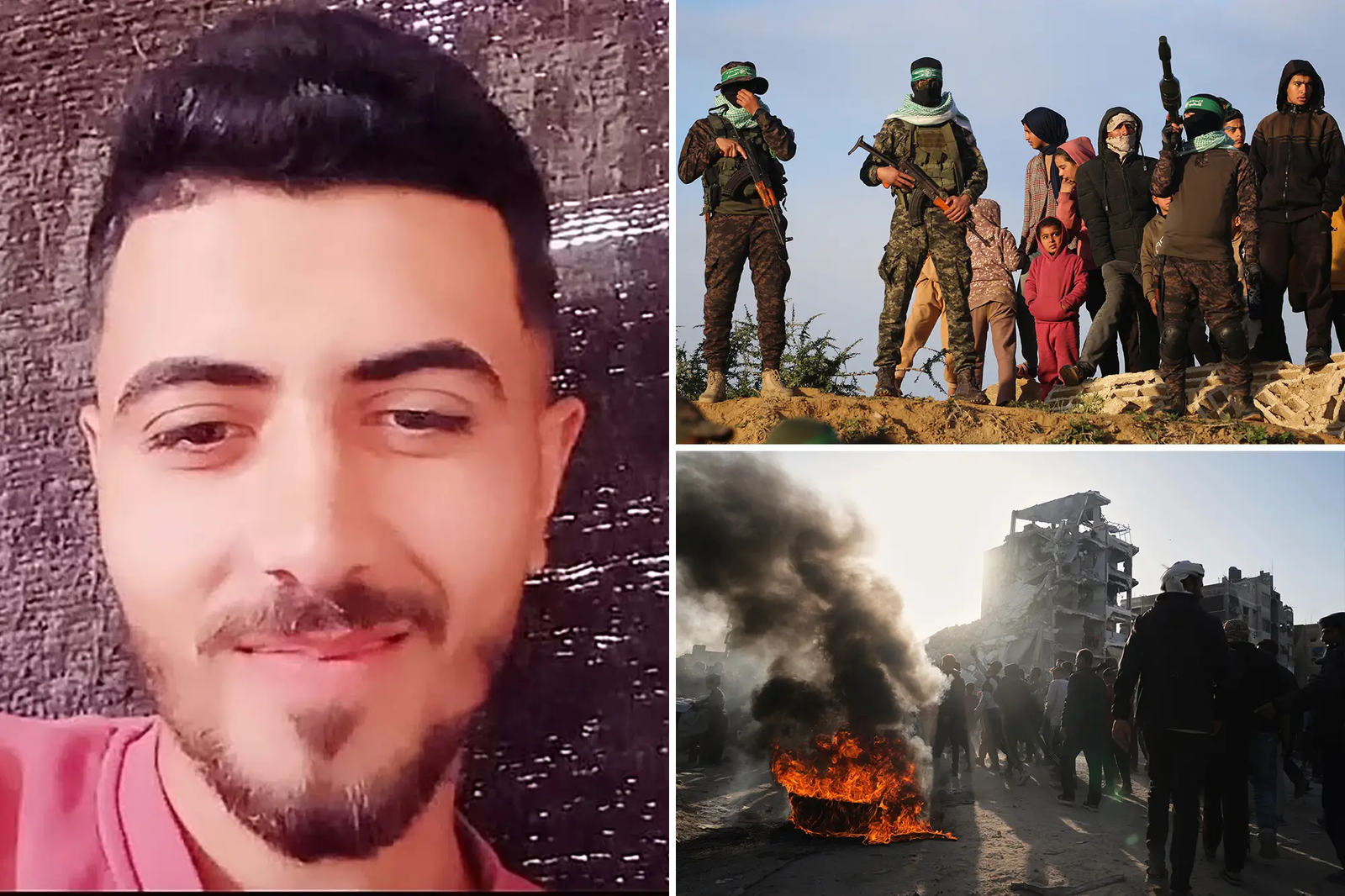
The Gaza Strip has long been under the iron grip of Hamas, the Islamist militant group that seized control of the region in 2007. Over the years, reports of human rights abuses, suppression of dissent, and brutal crackdowns on opposition voices have surfaced repeatedly.
The recent case of Uday Al Rabay, a 22-year-old Palestinian man, who was allegedly tortured to death by Hamas operatives and whose body was dumped at his family’s doorstep, has reignited outrage against the militant organization.
The killing serves as a gruesome reminder of the climate of fear that Hamas has instilled in Gaza, where any dissent against its rule is met with swift and brutal consequences.
A Brutal Warning to Protesters
Uday Al Rabay’s death came in the wake of growing protests against Hamas, an unprecedented development in the Gaza Strip. Protests against the group have been rare due to its totalitarian control and the severe repercussions that await those who dare to challenge its authority. However, with the ongoing war and worsening humanitarian crisis, frustration has boiled over, and more people have started to voice their opposition.
According to reports, Uday was actively participating in one such protest when he was abducted by Hamas operatives. Witnesses say that he had spoken out against the militant group, criticizing its governance and the suffering it has inflicted on the Palestinian people.
Hamas fighters, in an effort to silence him and intimidate others, took him away and subjected him to hours of merciless torture. His body, showing clear signs of severe beating and abuse, was later left at his family’s home as a chilling message to those who might consider following in his footsteps.
Family members and friends of Uday were left devastated by the brutal execution. The images of his battered corpse circulated on social media and messaging platforms, further fueling anger and resentment towards Hamas.
Read : Israel Reportedly Trying to Create Hamas-Free ‘Bubble’ Zones in Gaza
His funeral, held amidst heavy surveillance by Hamas operatives, became an emotional gathering where attendees openly chanted anti-Hamas slogans—a rare and courageous act given the oppressive environment in Gaza.
Rising Dissent Against Hamas
Hamas has ruled Gaza with an iron fist since 2007 after forcibly ousting the Palestinian Authority. While the group originally gained support due to frustration with the corruption of the rival Fatah party, its governance has been marked by economic hardship, widespread poverty, and continuous cycles of conflict with Israel.
Despite its claims of fighting for Palestinian liberation, many residents of Gaza have grown disillusioned with Hamas’ brutal tactics and failure to improve their living conditions.
Public frustration has been growing steadily, particularly in the wake of the October 7, 2023, Hamas-led attack on Israel, which resulted in a severe Israeli military response.

With thousands of civilians killed and Gaza’s infrastructure decimated, many Palestinians have started questioning Hamas’ leadership and its motives. As casualties mount and living conditions worsen, more people are openly expressing their dissatisfaction.
The protests that Uday participated in were part of a larger movement demanding an end to the war and a change in leadership. The demonstrators called for Hamas to release Israeli hostages in hopes of securing a ceasefire and preventing further destruction.
Some went even further, demanding the complete removal of Hamas from power. These protests, despite the risks involved, signal a significant shift in public sentiment and growing opposition to Hamas’ rule.
Hamas’ Violent Grip on Power
Hamas has consistently responded to any form of dissent with brute force. Over the years, there have been numerous reports of activists, journalists, and ordinary citizens being arrested, tortured, or even executed for criticizing the militant group. The case of Uday Al Rabay is not an isolated incident but rather part of a long-standing pattern of suppression.
Hamas’ control extends beyond physical violence; it also employs strict media censorship, surveillance, and propaganda to maintain its grip on power.
Independent journalism is nearly impossible in Gaza, as reporters who challenge Hamas’ narrative face severe consequences. Those suspected of collaborating with Israel or even speaking out against Hamas’ policies are often branded as traitors and subjected to harsh punishments.

The terror group’s brutality is not limited to Palestinians alone. Hamas has also been responsible for targeting humanitarian workers, foreign journalists, and even aid organizations operating in Gaza. Reports indicate that international aid meant for civilians is often diverted to support Hamas’ military activities, further exacerbating the suffering of the people.
Despite the widespread fear, many Palestinians continue to resist Hamas’ rule. The growing dissent, as evidenced by the protests and opposition voices emerging from within Gaza, presents a significant challenge to Hamas’ authority. However, as the case of Uday Al Rabay tragically illustrates, those who dare to speak out risk paying the ultimate price.
The horrific murder of Uday Al Rabay serves as a stark reminder of the oppressive and violent rule of Hamas in Gaza. His brutal death was not just an act of vengeance but a calculated attempt to instill fear among the population and crush any form of resistance.
However, despite the risks, the increasing number of protests and voices calling for change suggest that Hamas’ grip on power is being challenged like never before.
As international attention remains focused on the broader conflict between Israel and Hamas, the suffering of ordinary Palestinians under Hamas’ rule must not be ignored.
The people of Gaza deserve a future free from violence, fear, and authoritarianism. The death of Uday Al Rabay may have been intended as a warning, but it has instead ignited further outrage and strengthened the resolve of those demanding justice and freedom.