

The conflict between Israel and Hamas has reached a tense and dangerous turning point, with Hamas issuing a chilling warning that could have severe repercussions.
In a statement dated November 22, the Palestinian militant group threatened to “neutralize” hostages if Israel attempts another rescue operation, similar to the June mission that successfully freed four captives from Gaza’s Nuseirat camp.
This threat highlights the volatile and complex dynamics of hostage situations in conflict zones and the immense human cost involved.
The Context: A Dangerous Standoff
Hamas’ threat underscores the peril faced by hostages and the extreme measures the group is prepared to take. The internal document, revealed by Reuters, directed Hamas operatives to follow these instructions without regard for potential repercussions.
The message conveyed a grim determination: any attempt by Israel to rescue captives would be met with lethal consequences. According to Hamas, Israel bears responsibility for the fate of the hostages, framing any military action as a direct provocation.
This statement comes against a backdrop of increasing tension in the region. Israeli Defense Minister Israel Katz recently suggested that pressure on Hamas was mounting, raising hopes for a possible negotiated hostage deal.
Read : Hamas Releases Video Footage of Israeli Hostage Crying, Begging For Help: Watch
However, the threat of violence casts a shadow over these efforts, complicating the already fragile negotiations. The situation is further exacerbated by the memories of previous operations and their consequences, which have left deep scars on both sides.
The Nuseirat Rescue Operation: A Costly Victory
The current standoff is rooted in the events of June, when Israeli forces carried out a high-risk operation in Gaza’s Nuseirat camp. During this mission, hostages Noa Argamani, Almog Meir Jan, Andrey Kozlov, and Shlomi Ziv were rescued after being held captive since October 7.
Their abduction from the Nova music festival, where Hamas militants launched a brutal attack, had shocked the world and intensified calls for decisive action.
Read : Mohammed Deif: Hamas Leader and Mastermind of October 7 Attack on Israel’s Ben Gurion University
The rescue operation, involving the Israel Defense Forces (IDF), Shin Bet, and Israeli police, was meticulously planned and executed. Yet, it came at a significant cost. Commander Arnon Zamora lost his life during the mission, which was later renamed Operation Arnon in his honor.
The operation also resulted in a tragic loss of civilian life, with over 270 Palestinians killed. This high death toll has fueled further animosity and accusations, with both sides blaming each other for the collateral damage.
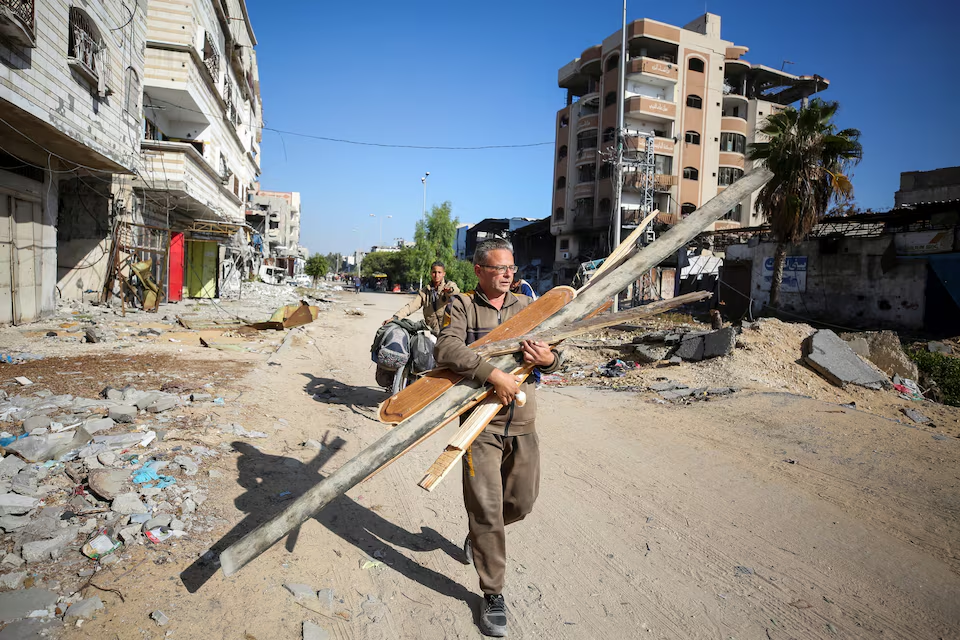
The success of the Nuseirat operation was a rare glimmer of hope for families of hostages, but it also set a dangerous precedent. Hamas’ latest threat suggests that any future rescue attempt will be met with even fiercer resistance, potentially endangering more lives.
This raises critical ethical and strategic questions: How can Israel balance the imperative to rescue its citizens with the risk of provoking further violence? And what role does the international community play in mediating these high-stakes situations?
The Human Cost: Lives in the Balance
The threat from Hamas is not an empty one. The group has demonstrated its willingness to follow through on such warnings in the past. Just three months after the Nuseirat rescue, six hostages were murdered in a tunnel in Rafah, reportedly executed by Hamas militants. This brutal act underscored the vulnerability of captives and the ruthless tactics employed by their captors.
For the families of hostages, the situation is a nightmare. Each passing day brings a mix of hope and fear, as negotiations stall and military options carry immense risks.
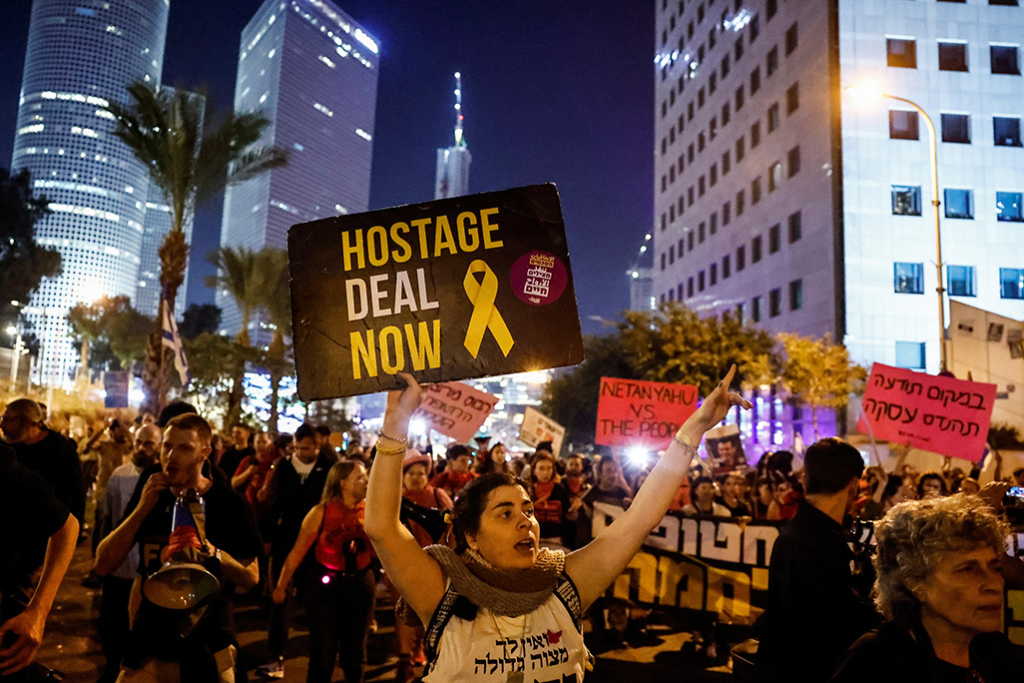
The psychological toll on these families is profound, as they grapple with the uncertainty of their loved ones’ fate. Meanwhile, the broader population in both Israel and Gaza continues to suffer the consequences of a conflict that seems to have no end in sight.
The humanitarian crisis in Gaza adds another layer of complexity. Civilian casualties, infrastructure destruction, and a lack of basic resources have created a dire situation.
Any military operation, no matter how targeted, risks exacerbating this crisis and further alienating the international community. For Israel, the challenge is to navigate this minefield while maintaining its commitment to protecting its citizens.
The Path to Resolution
The threat issued by Hamas highlights the need for a multifaceted approach to the hostage crisis. Military operations, while sometimes necessary, come with significant risks and often lead to unintended consequences.
Diplomatic efforts must be intensified, with international mediators playing a crucial role in facilitating dialogue between the two sides.

Pressure from the international community could help bring about a negotiated solution. Countries with influence over Hamas, such as Qatar and Egypt, could play a pivotal role in brokering a deal.
At the same time, Israel must consider the long-term implications of its actions, balancing the need for immediate rescue operations with the broader goal of achieving lasting peace and stability.
Ultimately, the resolution of this crisis will require a combination of military precision, diplomatic skill, and humanitarian concern. The stakes could not be higher.
Each life in captivity represents a human tragedy, and the decisions made in the coming days and weeks will have far-reaching consequences.