
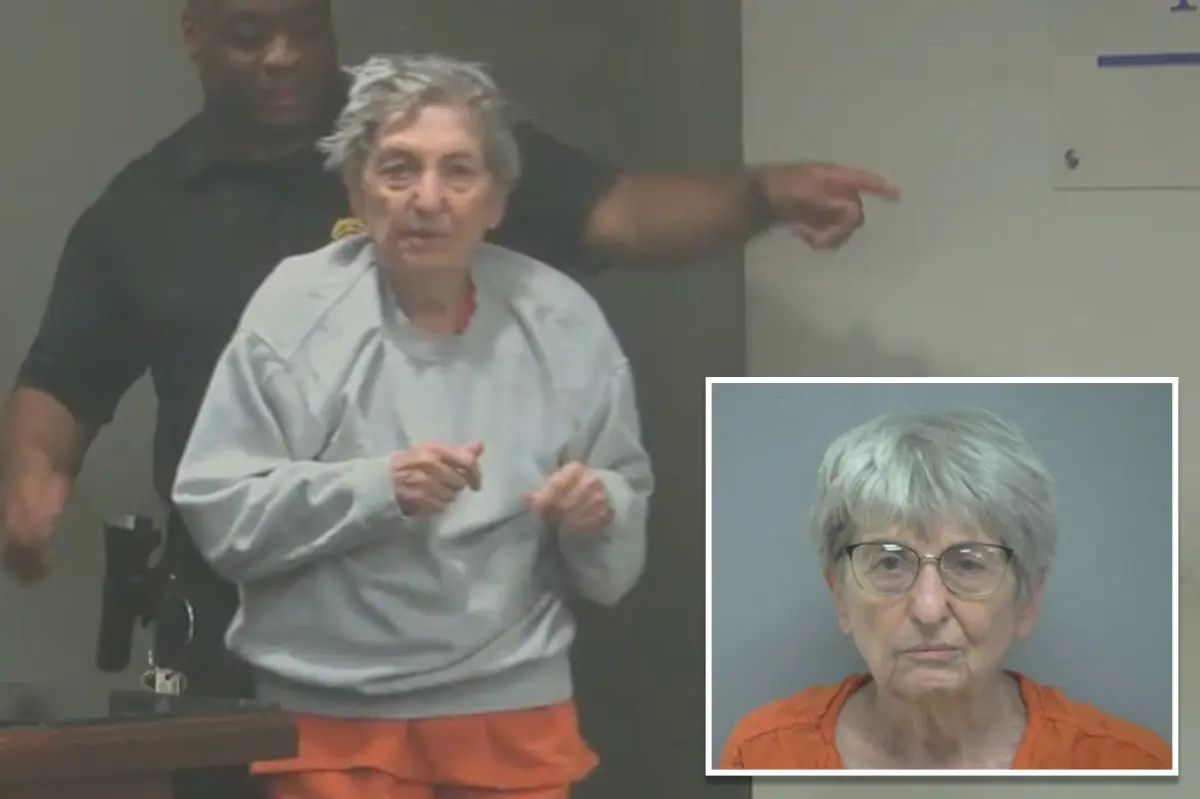
In a tragic and deeply unsettling case that has shocked the quiet retirement community of Sun City, South Carolina, 82-year-old Harriet Kay Recker stands accused of murdering her 81-year-old husband, Dennis Recker, at a Hilton Head Island nursing home.
Once described by friends and neighbors as one of the kindest and most gracious residents in the area, Recker is now facing charges of murder and possession of a weapon during a violent crime following what authorities allege was a carefully premeditated act. The incident, which occurred on September 12 at the Preston Health Center, has raised painful questions about aging, emotional despair, and the hidden burdens carried by elderly couples navigating end-of-life challenges.
The shooting has left a close-knit community stunned, as residents and acquaintances struggle to reconcile the image of a beloved neighbor with the grim reality of her alleged actions. As investigators piece together the evidence—including multiple handwritten notes suggesting forethought and emotional turmoil—a more complex picture is emerging of an elderly woman pushed to the edge by grief, fear, and a sense of overwhelming helplessness.
A Day That Began With Care Ended in Tragedy
The events of September 12 unfolded quietly at first. According to court testimony and reports from local news outlets, Dennis Recker had been admitted to the Preston Health Center just one day prior to the shooting. He was struggling with health issues that required professional care—conditions serious enough that his wife could no longer manage them alone at home. Friends described the couple as devoted to each other and deeply bonded after decades of marriage, but the emotional strain of declining health and the reality of separation had begun to weigh heavily on Harriet.
That morning, a neighbor who had offered to drive the couple to the facility joined them in settling Dennis into his new room. The atmosphere appeared calm, if subdued. Nothing in Harriet’s demeanor suggested an impending act of violence. But only moments after the neighbor stepped out of the room, a gunshot echoed through the hallway. When they returned, they found Harriet Kay Recker standing near her husband, holding a firearm. Dennis had been shot once in the chest.
Witnesses told investigators that before losing consciousness, Dennis appeared shocked and uttered the words, “She shot me.” Despite immediate life-saving efforts by staff and emergency personnel, he succumbed to his injuries soon after. The quiet routine of the nursing home was shattered, leaving residents and employees alike shaken by the sudden eruption of violence in a place devoted to care and healing.
When questioned by authorities, Harriet Kay Recker reportedly remained calm and cooperative. She is said to have told investigators, “He was a good man,” and described the situation as “a sad situation.” Her tone, witnesses noted, was one of resignation rather than anger—a detail that has fueled speculation about her state of mind leading up to the shooting.
Evidence of Planning and Emotional Desperation
As detectives began their investigation, what they discovered suggested that the shooting may have been the result of deliberate planning rather than a momentary lapse of control. In her purse, officers found a handwritten note describing her emotional struggles and feelings of being overwhelmed. Similar letters were found at her home and had been sent to a neighbor. The contents of these notes paint a haunting portrait of despair and confusion.
“To you all, this has just been too much for me,” one note read, according to court testimony. “I so wish I could do it with the wonderful family we have, so many good friends. We can’t have a life without someone, and that someone can’t be me, as I am not strong enough or smart enough to do all this.”
Read : Gaming Giants: The Top 10 Most Played Games Worldwide
Investigators also reviewed financial documents and other materials that appeared to show Recker had been managing increasing logistical and emotional pressures in the months leading up to the incident. The content of the notes indicated not only premeditation but also a possible desire to end both her husband’s suffering and her own—a tragic intersection of love, despair, and distorted reasoning often seen in “mercy killing” cases among elderly couples.
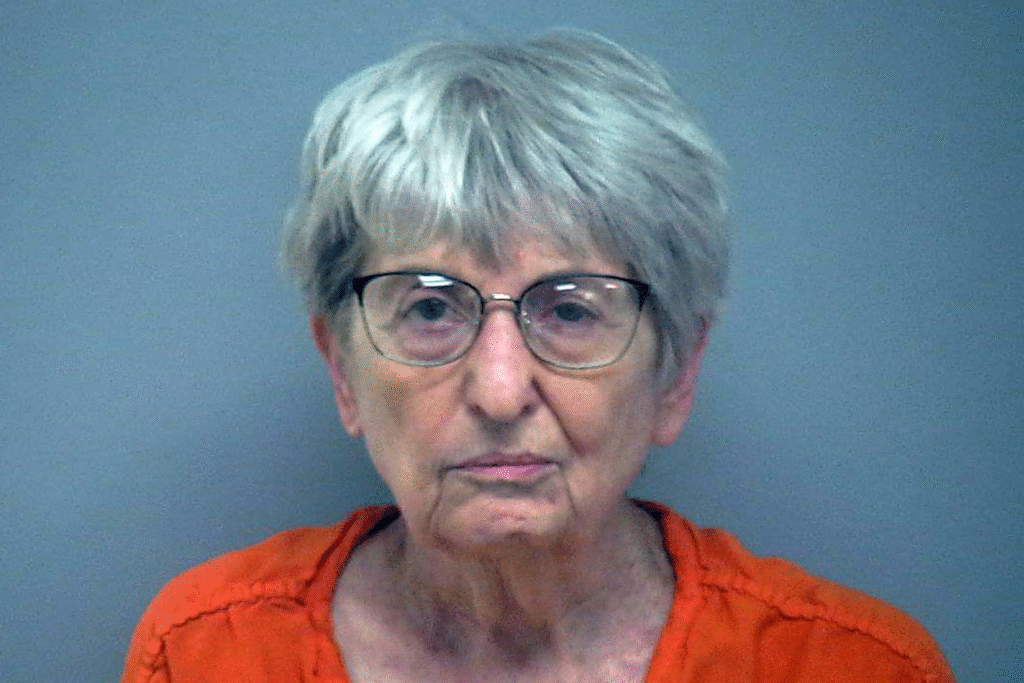
However, law enforcement officials have emphasized that there is no evidence Dennis wished to die or that his wife acted at his request. Instead, prosecutors are treating the case as a premeditated homicide motivated by emotional distress. The Beaufort County Sheriff’s Office stated that the cumulative evidence—handwritten notes, financial arrangements, and interviews with neighbors—suggests that Harriet Kay Recker planned the act in advance and brought the firearm to the facility with the intent to use it.
The existence of the gun itself raised further questions. Family members told deputies they were unaware that Harriet Kay Recker owned or had access to a firearm, and neighbors corroborated that she had never been seen handling one. How she obtained the weapon remains under investigation. The incident underscores the broader issue of firearm accessibility among elderly individuals, particularly those experiencing cognitive decline, depression, or caregiver burnout.
Following her arrest, Harriet Kay Recker was booked into the Beaufort County Jail and denied bond. She has reportedly remained quiet and withdrawn in custody. The court has ordered a comprehensive mental health evaluation to determine her competency to stand trial—a process that may reveal more about her psychological state at the time of the shooting. Legal experts note that the presence of the notes could complicate any defense based on diminished capacity, as premeditation often negates arguments of temporary insanity or confusion.
Shock and Sympathy in the Sun City Community
For those who knew the Reckers, the tragedy has been almost impossible to comprehend. In Sun City, a peaceful retirement community known for its strong sense of neighborly connection, Harriet Kay Recker was widely regarded as a model resident—kind, generous, and always ready to help. Her reputation as “the nicest person in Sun City” has made the allegations even more incomprehensible to those who interacted with her regularly.
Ted Dwemoh, a local pest control technician who serviced the couple’s home, told reporters that he was “dumbfounded” when he learned of the charges. “When I saw her picture, I was dumbfounded, like there is no way that this woman did what they are saying she did,” he said. “She would try and help you out with anything. When you went to her house to do pest control, she would walk and talk with you, give you snacks and water. She’s the nicest person in Sun City.”
Neighbors echoed similar sentiments, describing a couple who appeared devoted to one another and who often volunteered at community events. Friends said Harriet Kay Recker had recently shown signs of emotional exhaustion, though few realized the extent of her distress. One resident noted that she seemed particularly affected by Dennis’s declining health and had expressed worry about his future care. Still, no one suspected that her anguish might manifest in violence.
The case has sparked difficult conversations within the retirement community about mental health, caregiver strain, and the hidden emotional toll of aging. Many residents have quietly expressed empathy for Harriet Kay Recker, even as they acknowledge the horror of her alleged actions. To them, she is a tragic figure rather than a villain—a woman undone by love, fear, and despair in the twilight of her life.

Experts on elder mental health say the case underscores a growing and often overlooked crisis among aging couples. Caregiver burnout, social isolation, and feelings of helplessness can combine to create a dangerous mix, particularly when firearms are accessible. Geriatric psychologist Dr. Linda Hayworth, commenting generally on such cases, noted that “older caregivers often feel trapped between their loyalty to a spouse and their inability to continue providing care. Without adequate support, they can begin to believe that ending life—either their own or their loved one’s—is the only escape from unbearable stress.”
Although not commenting on the Recker case specifically, Hayworth emphasized the need for better community outreach, mental health resources, and routine screening for depression among older adults, particularly those caring for ill partners. “We often assume older people are coping simply because they’ve lived long lives,” she said. “But emotional suffering in later years can be just as intense, if not more so.”
As the investigation continues, prosecutors have remained cautious about speculating on motive, stating only that the evidence suggests deliberate planning and emotional distress. The sheriff’s office has confirmed that no additional suspects are involved and that the firearm has been recovered as evidence. Autopsy results confirmed that Dennis died from a single gunshot wound to the chest.
The case is expected to move slowly through the courts, given Harriet Kay Recker’s age and the need for psychiatric evaluation. Legal analysts predict that her defense team may pursue arguments centered on diminished capacity, extreme emotional disturbance, or even a form of “compassionate homicide.” However, South Carolina law does not recognize mercy killing as a legal defense to murder, meaning the case will likely hinge on her mental state and intent at the time of the shooting.
For now, the Preston Health Center has resumed normal operations, though the staff remains deeply affected by the event. Administrators have reportedly increased security and offered counseling services to employees and residents who witnessed the aftermath. The incident has also prompted renewed scrutiny of safety procedures and visitor policies in assisted living facilities across the region.
The community of Sun City continues to grapple with the loss of one of its own—twice over. In the eyes of many, both Dennis and Harriet Kay Recker are victims: one of physical violence, the other of despair. What began as a gesture of care—admitting a loved one to a facility for professional support—ended in irreversible tragedy. The handwritten words found among Harriet’s belongings, “This has just been too much for me,” now echo with haunting clarity through a community searching for understanding and healing.