
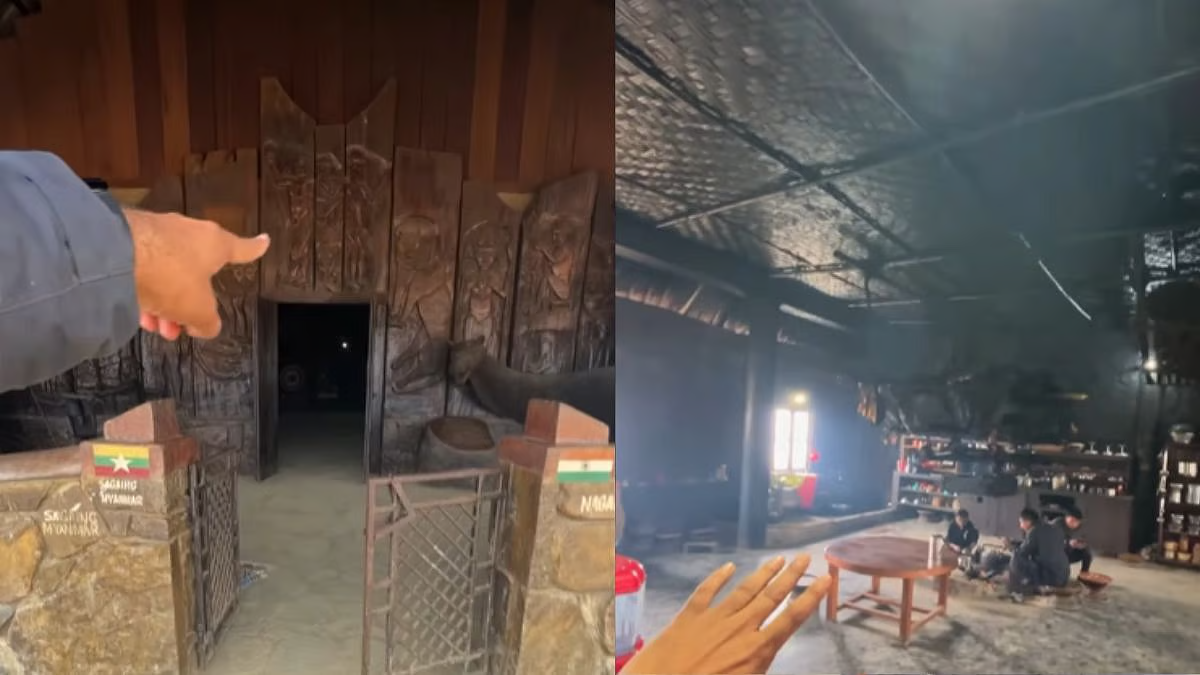
The world is full of fascinating places, but few can compare to the uniqueness of a house that straddles two different countries. Most Unique House That Has Kitchen In Myanmar and Bedroom In India, like Imagine waking up in India and having breakfast in Myanmar without ever leaving your home!
This extraordinary house, located in Longwa village in Nagaland, India, is a living example of how borders can sometimes blur, allowing people to experience life in two nations simultaneously. The residence of the village chief, known as the “King,” stands as a symbol of the deep cultural ties and historical connections between the two regions.
This house has recently gone viral, thanks to a vlog capturing its distinct geographical and political identity. In this blog, we will delve deeper into the history of Longwa village, the unique status of the region, and the internet’s reaction to this astonishing home.
Longwa Village: A Borderland Like No Other
Longwa village is one of the most intriguing places in Nagaland, a state in northeast India. Situated along the Indo-Myanmar border, this village is home to the Konyak tribe, a Naga ethnic group known for their warrior heritage.
What sets Longwa apart from other border towns is its geographical location. The international boundary between India and Myanmar runs right through the village, dividing homes and even families between the two nations. Despite this division, the people of Longwa share a strong cultural bond that transcends national borders.
The house of the village chief (or “Angh,” as he is traditionally called) is the most well-known structure in the village. This residence is quite literally split between two countries, with the kitchen located in Myanmar and the bedrooms in India.
The chief himself enjoys a unique status, as he exercises authority over villages on both sides of the border. This unusual arrangement is a testament to the indigenous traditions that predate modern political boundaries.
Read : Milling Village: Hometown of DeepSeek’s Founder Liang Wenfeng Turns into a Tourist Hotspot
Another fascinating aspect of Longwa is its people’s access to both nations without the need for strict travel documentation. Under the Free Movement Regime (FMR) between India and Myanmar, residents of border villages can travel up to 16 kilometers into each other’s territory without requiring a visa.
This arrangement allows locals to live and work in both countries, reflecting a harmonious coexistence that defies conventional border politics.
The Internet Reacts: A Viral Sensation
Social media has played a significant role in bringing Longwa village and its unique house to global attention. A recent vlog by Instagram influencer Akshay Jangid introduced millions of viewers to this extraordinary location. He called it “India’s most unique house” and documented the seamless transition between the two countries within a single home.
In the viral video, Jangid walks through the house, showing how stepping from one room to another means crossing an international boundary. His caption read: “Longwa village, Nagaland – India ke Indo-Myanmar border pe basaa ek anokha gaon, jaha India ka most unique ghar hai, jiske bich me se border nikalta hai” (Longwa village, Nagaland – A unique village located on the India-Myanmar border, where India’s most unique house stands, with the border running right through it).
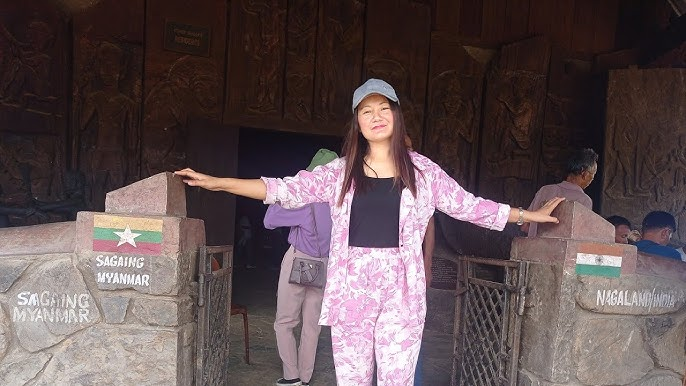
The post quickly garnered thousands of likes and comments, with netizens expressing their amazement at the existence of such a house. Many viewers were fascinated by the idea of living in two countries at once. Some joked about the possibility of evading laws by simply stepping into the next room, while others marveled at how the villagers navigate such a complex border situation.
Travel enthusiasts were particularly intrigued, expressing their desire to visit this remarkable village and experience its dual-nationality way of life. The video has sparked discussions about borders, cultural unity, and the everyday life of people living in divided regions.
Life in a House with Two Nationalities
For the residents of Longwa, living in a house that belongs to two countries is not as strange as it might seem to outsiders. The people of the village have adapted to their unique circumstances and continue to lead their daily lives without much difficulty.
Students from the village often cross the border to attend school, and many villagers work in Myanmar while residing in India. The fluidity of movement between the two countries has allowed them to maintain their traditional way of life despite the modern political landscape.
The house itself is a powerful symbol of this coexistence. Unlike conventional homes that exist within the confines of a single nation, this residence embodies a blend of two different sovereignties.
The kitchen being in Myanmar means that meals are technically prepared in another country, while the bedrooms in India ensure that the family sleeps under Indian jurisdiction. This unusual setup has sparked curiosity and admiration worldwide, as it represents a rare instance of geographical and political harmony.
Another interesting aspect of life in this border village is the governance structure. The village chief, whose house is the main attraction, wields authority over territories on both sides of the border.
This means he has influence in both India and Myanmar, reinforcing the deep-rooted cultural ties between the Konyak people. Despite modern national divisions, the chief’s leadership remains respected across the international boundary.
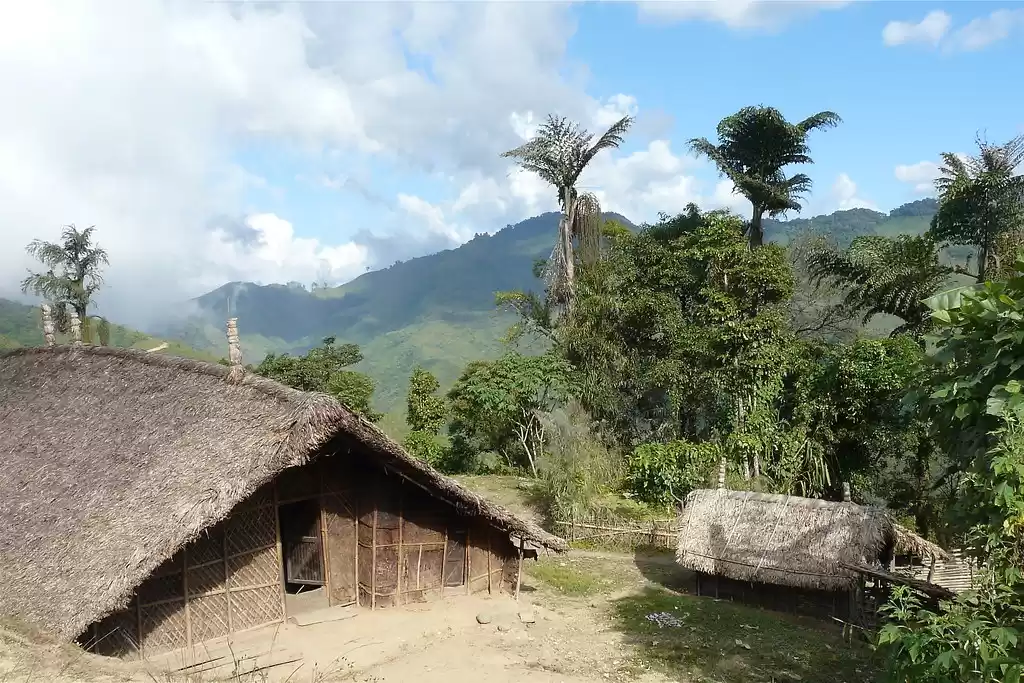
The special status of this region under the Free Movement Regime has also allowed villagers to enjoy the benefits of both countries. They can engage in cross-border trade, access services from either side, and maintain familial ties without the restrictions that typically come with international borders.
This has enabled the residents of Longwa to thrive despite being physically divided by a man-made boundary. As this house continues to gain popularity on social media, more travelers are becoming interested in visiting Longwa village.
Tourism in the region has been gradually increasing, with adventure seekers and history enthusiasts eager to witness this one-of-a-kind home. Visitors to the village are often greeted with warmth by the locals, who are proud to share their unique way of life. The blend of cultures, traditions, and political history makes Longwa a truly special place that challenges conventional notions of borders and nationality.
In conclusion, the house with a kitchen in Myanmar and bedrooms in India is more than just a quirky geographical anomaly—it is a testament to the resilience and adaptability of the people of Longwa village. Their ability to navigate life in two countries with ease showcases the power of cultural unity and mutual respect.
As the world continues to take interest in this remarkable location, Longwa remains a shining example of how borders, though drawn on maps, do not have to define the way people live their lives. If you ever find yourself in Nagaland, a visit to this incredible house is a must—it is, without a doubt, one of the most unique homes in the world.