
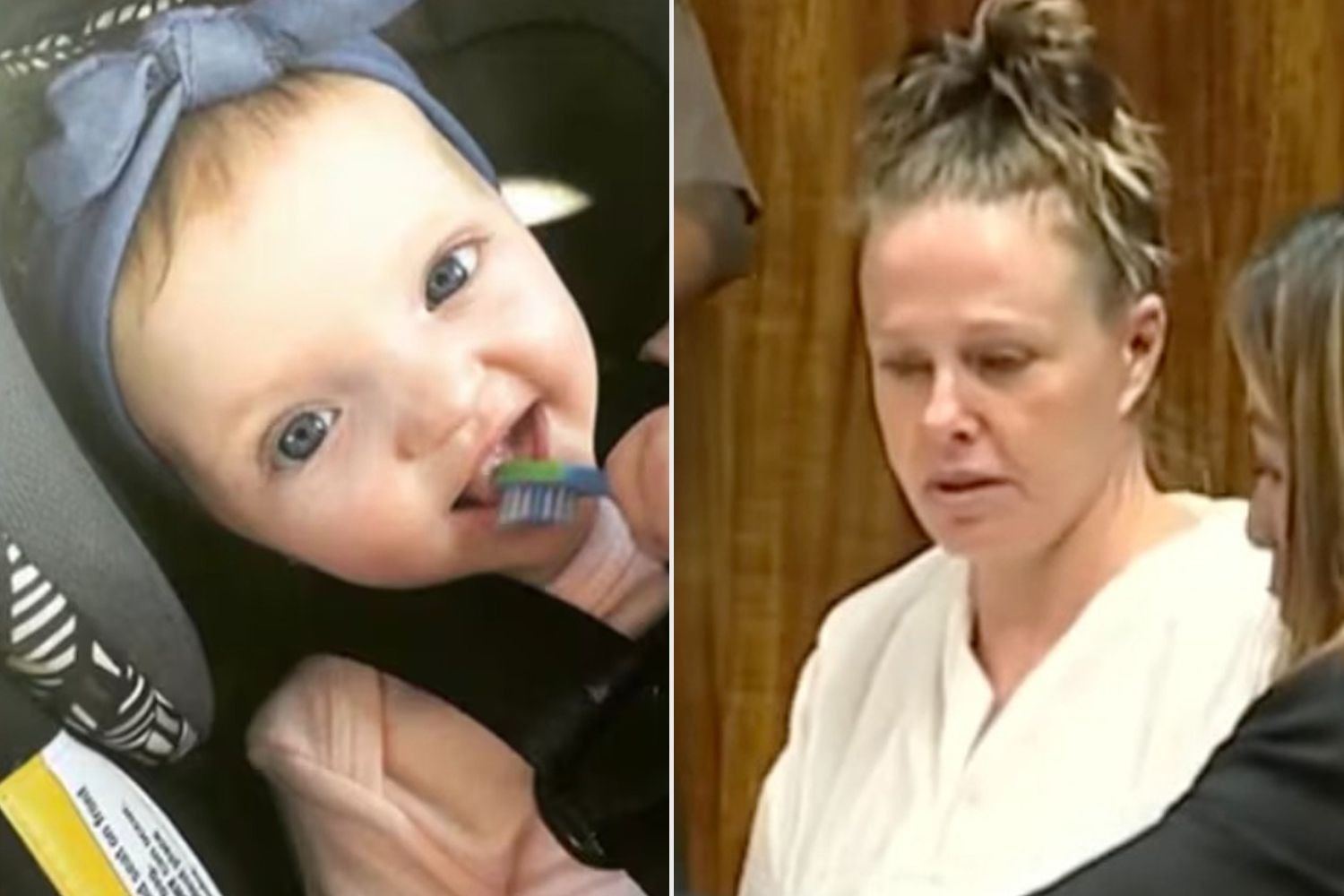
The serene image of Hawaii was shattered in 2019 when a heartbreaking tragedy unfolded in a quiet neighborhood. The sudden death of a 7-month-old baby girl named Abigail Lobisch while in the care of her babysitter, Dixie Villa, shocked the community and left an indelible scar on the family.
What was initially a routine babysitting arrangement turned into an unimaginable nightmare that has since drawn national attention and sparked conversations about childcare, medication misuse, and justice. More than six years later, the legal battle has ended with a sentence that many see as justice served, even though the pain of loss remains forever.
Dixie Villa, who had been watching over Abigail and other young children, administered a fatal dose of diphenhydramine, an antihistamine found in Benadryl. The drug is widely available and commonly used for allergy relief, but experts and medical guidelines strongly warn against giving it to children under the age of six without a doctor’s prescription.
For Abigail, the misuse of this medication proved fatal. The incident prompted a rigorous legal investigation, an emotional courtroom battle, and eventually, a 20-year prison sentence for Dixie Villa, bringing an end to a long-awaited verdict.
The Case Against Dixie Villa and the Search for Accountability
The court proceedings leading up to the sentencing of Dixie Villa were drawn out and emotionally charged. Villa was arrested and charged with manslaughter in July 2019, five months after Abigail’s death. The charges stemmed from an autopsy report that clearly identified diphenhydramine toxicity as the cause of death.
This finding established that Abigail had received a dangerous and unauthorized amount of the drug, a fact that played a central role throughout the legal proceedings.
During the trial, Deputy Prosecuting Attorney Tiffany Kaeo highlighted the recklessness of Villa’s actions. The prosecution painted a picture of a caregiver overwhelmed by the responsibility of tending to four children under the age of five, including Abigail and her 2-year-old brother, along with Villa’s own two young children.
According to reports, Villa gave diphenhydramine to pacify Abigail while handing iPads to the other children to keep them occupied. Kaeo emphasized that Villa had other options — she could have contacted the child’s mother, Anna Lobisch, for help or backup. Instead, she chose to medicate the baby with a drug that was never meant for infants.
Read : Johnson & Johnson Ordered to Pay $260 million to U.S. Cancer Patient Blaming Its Baby Powder
Villa’s defense attorney, Megan Kau, presented alternative theories during the trial. She argued that others — including Abigail’s own parents — could have administered the drug, either knowingly or inadvertently. One theory suggested that the mother might have had diphenhydramine in her system from taking Tylenol PM and passed it through breastfeeding.
Read : There Is a Monster Under the Bed: Kansas Child Complains to Babysitter — Here’s What Happened Next
However, prosecutors rebutted this claim with evidence indicating that Villa was the only adult with direct access to the baby at the time and had the motive and means to administer the drug in an attempt to manage multiple children.
Following her arrest in 2019, Villa was initially released on bail. However, after a jury found her guilty in November 2023, her bail was increased to $500,000 and she was immediately taken into custody. Her sentencing hearing in May 2025 marked the end of a long legal battle but opened up renewed grief for the family.
A Mother’s Grief and the Court’s Final Judgment
Inside the Oahu Circuit courtroom on the day of sentencing, emotions ran high. Anna Lobisch, Abigail’s mother, addressed the court, breaking down in tears as she described the pain and void left by her daughter’s death. “My life has been defined by grief,” she said. “The pain of living without Abby is a heavy weight I will carry every single day for the rest of my life. My heart has never stopped hurting.”
Despite her own suffering, Anna remained composed as she watched the judge deliver the final verdict. Circuit Court Judge Faaunga Toʻotoʻo acknowledged the difficulty of the case, recognizing the emotional weight it carried.
Still, he emphasized that the facts were clear, and the law was unambiguous. “This should not have happened,” he stated firmly. He ruled that the maximum penalty of 20 years in prison was the only sentence appropriate for Villa’s actions.

Prosecutor Tiffany Kaeo, who had pursued the case since its early stages, also spoke passionately at the hearing. She pointed out that Villa had a clear opportunity to avoid tragedy. “The defendant could have easily called Anna that night to take back her children, and she didn’t. She made a choice, and now she should have to deal with the consequences of her choice.”
Villa’s defense attorney argued for leniency, requesting 10 years of probation rather than prison time. She cited Villa’s clean criminal record, her role as the full-time caregiver for two children — including one with special needs — and her contributions to the community since 2019. But those pleas were ultimately rejected by the judge, who saw the need for a sentence that reflected the gravity of the offense.
Lessons from a Tragedy: Child Safety, Justice, and Closure
The tragic death of Abigail Lobisch and the subsequent conviction of Dixie Villa has left a lasting impression not only on the family involved but on the broader community and even the nation. It serves as a somber reminder of the importance of proper childcare and the risks of misusing over-the-counter medications.
Diphenhydramine, though common and easily accessible, poses serious risks when used inappropriately, especially in infants. The case brought national awareness to the dangers of administering medications without medical advice, and it has prompted conversations among parents and caregivers about best practices in childcare.
Legal experts following the case have also highlighted how justice can be a long, painful process. For six years, the Lobisch family lived in uncertainty, waiting for accountability.
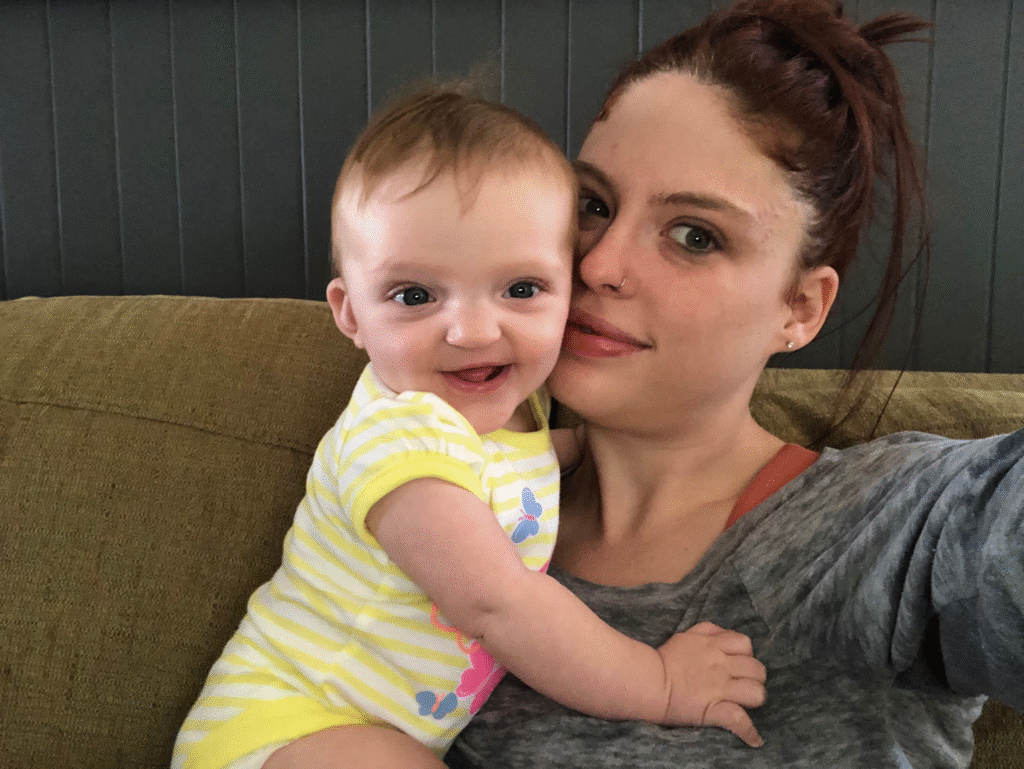
While Dixie Villa was free on bail for most of that time, the family’s grief continued to grow, with every legal delay adding to their emotional burden. Kaeo acknowledged this during her closing remarks, saying, “Six years is a long time to wait for justice, and while justice has been delayed, we hope this is not justice denied.”
As the case now moves toward the potential for appeal, the community waits to see whether the verdict will stand. In the meantime, the family can find a small measure of closure, knowing that a long and painful chapter has finally reached its conclusion.
For Anna Lobisch, the courtroom decision brings some comfort, but nothing can replace the child she lost. In her own words after the sentencing, she said, “I’m so relieved that it’s over. I’m happy with what happened in there.” Her statement reflects not just relief that justice was served, but perhaps also the beginning of a new phase in her healing journey.
The story of Abigail Lobisch and Dixie Villa has deeply impacted many people, from grieving parents and legal professionals to those who simply followed the case from afar. It is a sobering tale of how a moment’s decision can lead to irreversible consequences — and a reminder of the heavy responsibilities entrusted to those who care for our youngest and most vulnerable.