

In a heartbreaking development that has stunned fans and the entertainment community, the family of Taylor Wily, best known for his beloved role as Kamekona Tupuola on the CBS reboot of Hawaii Five-0, has filed a wrongful death lawsuit against a Las Vegas-based medical transport company. The suit, lodged in Clark County District Court on September 26, 2025, accuses GMTCare, LLC, of negligence that led to severe injuries and ultimately Wily’s death on June 20, 2024, at the age of 56.
Taylor Tuli Wily, a Hawaii native who rose from sumo wrestling rings to television stardom, was reportedly dropped from a malfunctioning wheelchair lift while being transported in a van, striking his head on the pavement and suffering a traumatic brain injury. This incident, which occurred on October 3, 2023, has now become the focal point of a legal battle seeking accountability for what the plaintiffs describe as preventable tragedy. As details emerge from the court filings, the case sheds light not only on Wily’s remarkable life but also on critical issues in patient transport safety.
The lawsuit represents a formal step by Taylor Wily’s grieving family to hold those responsible accountable, amid ongoing investigations into the circumstances of his final months. Wily, who also appeared in the Magnum P.I. reboot, had been dealing with health challenges prior to the accident, including mobility issues that necessitated wheelchair use.
The complaint details how the alleged mishandling exacerbated his condition, leading to a cascade of medical complications that proved fatal. Legal experts familiar with such cases note that proving causation between the fall and death will be central to the proceedings, potentially setting precedents for non-emergency medical transport standards. For now, the filing marks a poignant chapter in the legacy of a man whose on-screen warmth endeared him to millions.
The Tragic Incident: A Wheelchair Lift Failure in Las Vegas
The events leading to Taylor Wily’s death trace back to a routine non-emergency medical transport on October 3, 2023, outside an office complex at 3012 S. Durango Drive in Las Vegas. According to the lawsuit filed by Wily’s estate, his widow Halona Wily, and their two children—daughter Tula and son Young—employees of GMTCare were loading Wily into a wheelchair-accessible van when the lift platform suddenly malfunctioned. The ramp, described in court documents as poorly maintained and improperly operated, gave way, causing Wily’s wheelchair to tumble backward and eject him onto the concrete sidewalk.
Taylor Wily, who weighed over 400 pounds and relied on the wheelchair due to prior knee injuries from his wrestling days, struck his head directly on the pavement. The impact resulted in immediate and severe trauma, including a traumatic brain injury that caused bleeding and swelling in the brain. Emergency responders were called to the scene, and Wily was rushed to a nearby hospital, where he underwent emergency surgery. Initial reports from the lawsuit indicate that he suffered fractures to his skull and vertebrae, along with concussions that impaired his cognitive functions and mobility even further.
Read : Drug-Driver Matthew Cumpsty Avoids Jail Despite Causing Tractor to Smash Into Row of Homes
Witnesses, including unnamed GMTCare staff cited in the complaint, allegedly failed to secure the wheelchair properly or inspect the lift mechanism before operation, violating standard safety protocols for patient transport. Following the accident, Taylor Wily was transferred to a rehabilitation facility in Las Vegas, where he spent several weeks recovering from the acute effects of the fall. Medical records referenced in the suit detail ongoing symptoms such as chronic headaches, dizziness, seizures, and progressive neurological decline. By early 2024, these complications had worsened, confining him to bed rest and requiring constant care.
Read : Payal Kapadia’s ‘All We Imagine as Light’ Wins Grand Prix Award at 77th Cannes
The family alleges that GMTCare’s negligence not only caused the initial injury but also delayed critical intervention, as the company’s employees reportedly took several minutes to respond effectively after the drop. This delay, the plaintiffs argue, allowed the brain injury to become irreversible. The incident occurred during what was supposed to be a simple transfer for a doctor’s appointment, highlighting the vulnerabilities faced by patients with disabilities in outsourced transport services. As of the lawsuit’s filing, no criminal charges have been brought against the company or its staff, but the civil action demands a full accounting of maintenance logs and training records for the vehicle involved.
Taylor Wily’s Storied Career: From Sumo Rings to Hawaiian Shores
Taylor Tuli Wily’s journey to fame was as larger-than-life as the characters he portrayed. Born Teila Tuli in 1968 in Laie, Hawaii, Wily grew up immersed in Polynesian culture, which later infused his acting roles with authentic warmth and humor. In the late 1980s, he left Hawaii for Japan to pursue a career in sumo wrestling, adopting the ring name Takamikuni. Standing at 6 feet 1 inch and weighing up to 460 pounds, Wily quickly rose through the ranks, competing professionally for several years.
His powerful physique and unyielding spirit made him a standout, though chronic knee injuries forced his retirement in the mid-1990s. Sumo provided Wily with discipline and a global perspective, experiences he often credited for shaping his resilient persona. Transitioning back to the United States, Wily ventured into mixed martial arts, debuting in the inaugural UFC 1 tournament in 1993 under the name Teila Tuli. Billed as a sumo heavyweight, he faced Dutch kickboxer Gerard Gordeau in a bout that lasted just 26 seconds.
Gordeau’s infamous high kick knocked out one of Wily’s front teeth, marking the first knockout in UFC history and ending Wily’s MMA career on a dramatic note. Undeterred, Wily pivoted to acting, leveraging his imposing presence and infectious charisma. His breakout came in 2008 with a memorable role as a hotel worker in the romantic comedy Forgetting Sarah Marshall, opposite Jason Segel and Kristen Bell, where his comic timing stole scenes. Wily’s defining role arrived in 2010 when he was cast as Kamekona Tupuola in the CBS reboot of Hawaii Five-0.
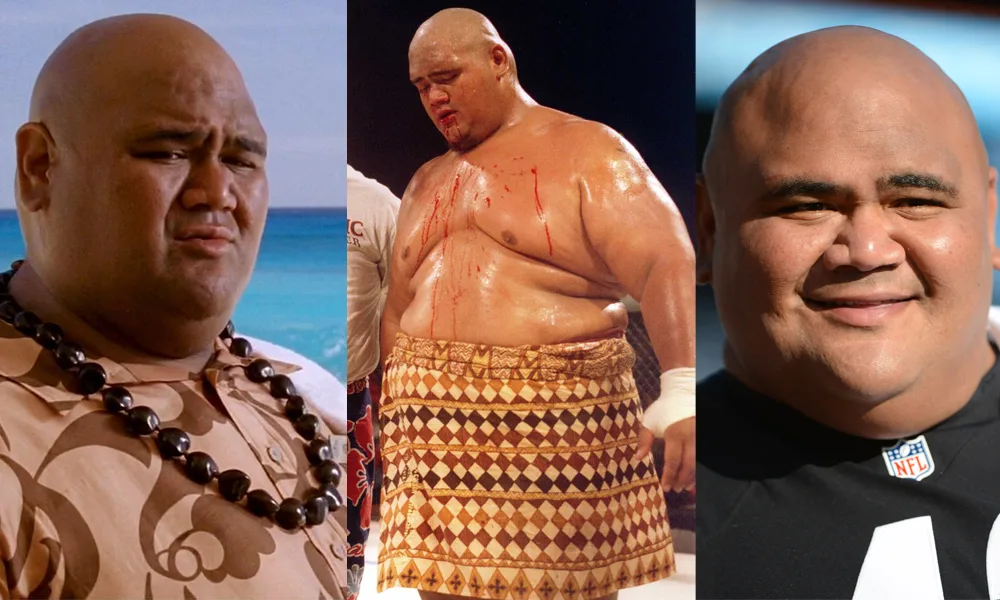
As the jovial confidential informant and food truck owner, Kamekona became a fan favorite, appearing in over 100 episodes across 10 seasons until the show’s end in 2020. The character, often seen peddling shave ice or providing comic relief amid high-stakes investigations, allowed Wily to showcase his Hawaiian roots through local slang, humor, and cultural nods. His performance earned praise for humanizing the series and boosting its appeal in the islands.
Wily reprised the role in the 2018 Magnum P.I. reboot, further cementing his status as a staple of Hawaiian television. Beyond these, he guest-starred in shows like Lost and The Big Bang Theory, always bringing a grounded, affable energy. Wily’s career spanned sports, combat, and entertainment, amassing a net worth estimated in the low millions and a legacy of breaking barriers for Polynesian performers in Hollywood. Tributes upon his passing highlighted not just his talent but his mentorship of up-and-coming actors from Hawaii.
Legal Battle and Family’s Path Forward: Seeking Justice and Reform
The wrongful death lawsuit against GMTCare, LLC, represents more than a quest for financial compensation—it’s a call for systemic change in the non-emergency medical transport industry. Filed by the Richard D. Harris Law Firm on behalf of Wily’s estate, the complaint names the company, its unnamed employees, and associated entities as defendants. It accuses them of multiple counts of negligence, including failure to maintain equipment, inadequate staff training, and breach of duty of care.
The plaintiffs seek unspecified damages for medical expenses, lost wages, emotional distress, and funeral costs, which could reach into the millions given Wily’s earning potential and the family’s ongoing needs. Central to the case is establishing a direct link between the October 2023 fall and Wily’s death eight months later in Hurricane, Utah. Court documents cite autopsy reports and expert medical testimony indicating that the brain injury triggered a series of health declines, including infections, blood clots, and organ failure.
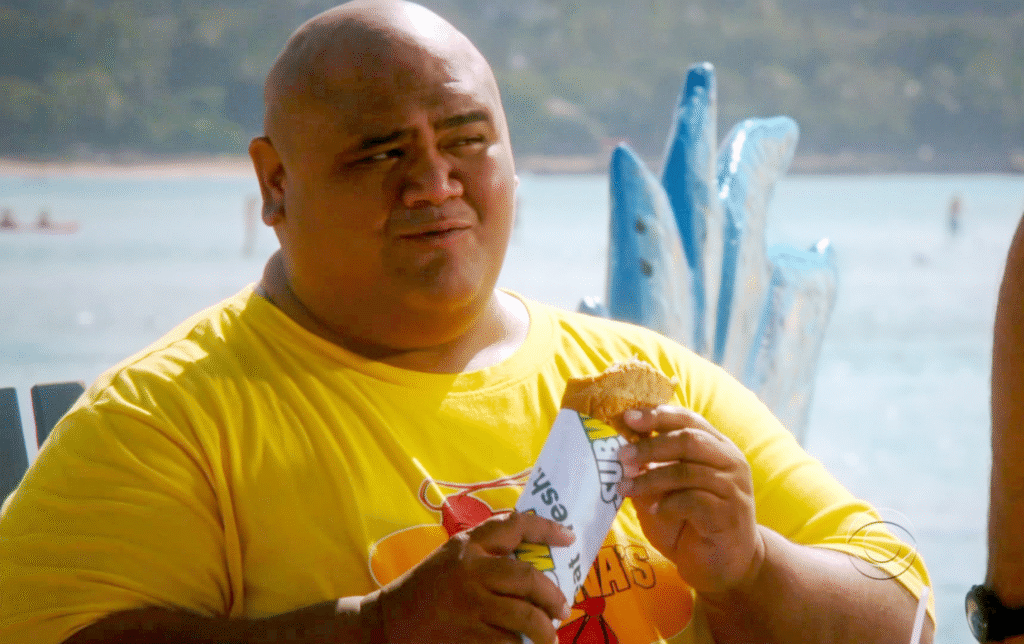
Wily’s pre-existing conditions, such as diabetes and joint issues from wrestling, were noted but deemed non-fatal without the trauma. The lawsuit also alleges that GMTCare operated the van without proper certifications, a claim that could invite regulatory scrutiny from Nevada’s health department.
As the case progresses, expected to go to trial in late 2026, discovery phases will likely uncover internal emails, incident reports, and video footage from the scene, if available. For Halona Wily and her children, the suit is a means of honoring Taylor’s memory while advocating for safer practices. In a statement embedded in the filing, the family expressed profound grief, noting how Wily’s “accolades dim in comparison to the loss felt by his wife, children, and ohana.”
They have vowed to donate any awarded funds to Hawaiian youth programs in theater and sports, echoing Wily’s commitment to his community. GMTCare has not issued a public response, but legal observers anticipate a vigorous defense, possibly involving counterarguments on Wily’s health history. This high-profile case could influence industry standards, prompting audits of wheelchair lifts and mandatory simulations for operators nationwide. As hearings loom, Taylor Wily’s story continues to resonate, transforming personal sorrow into a catalyst for preventing future tragedies in vulnerable care sectors.
References:
Deca durabolin dosage beginner
References:
https://git.konsulterna.nu/lourdesopas395
References:
Muscle growth stacks
References:
http://www.aionesight.com/nicholasrasco5
References:
Gnc legal steroids
References:
http://47.113.149.107:10110/angelesrunyan
References:
How much does dianabol cost
References:
https://affiliateincome.top/mypayingsites/member.php?action=viewpro&member=MargartDas
References:
Muscle stack gnc
References:
https://git.dotb.cloud/juliennevardon