
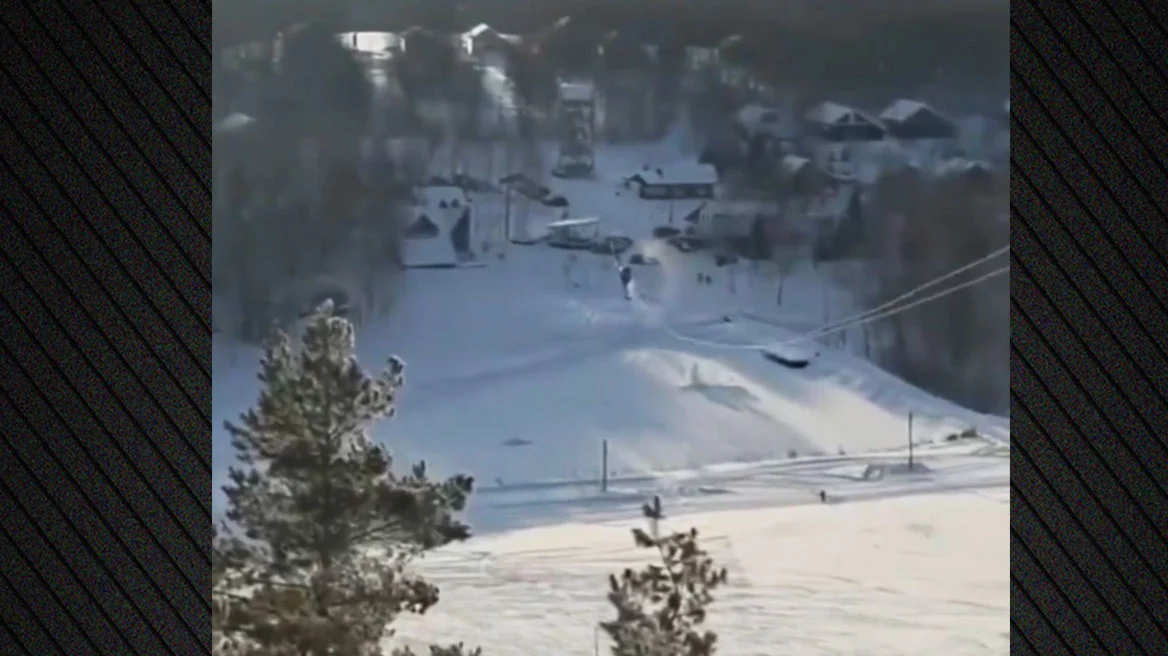
A fatal helicopter crash near one of Russia’s well-known winter recreation zones has claimed the lives of two senior figures from the regional transport sector, sending shockwaves through Perm Krai’s business and logistics community. The incident occurred near the Ashatli-Park ski and recreation area, a popular destination for winter sports and leisure activities, when a privately operated Robinson R44 light helicopter went down during a low-altitude flight. Both occupants were killed instantly, according to Russian media and emergency service reports.
The crash has drawn national attention not only because of its proximity to a busy recreational site, but also due to the prominence of those on board. Among the deceased was Ilyas Gimadutdinov, a transport tycoon and founder of Tattranskom, a logistics and freight company that plays a significant role in regional supply chains.
Also killed was Elmir Konakov, a senior executive at the same firm, responsible for overseeing vehicle convoys and long-haul transport operations. Authorities have launched a formal investigation, with aviation safety, authorization procedures, and possible pilot error among the factors under scrutiny.
Circumstances of the Crash Near Ashatli-Park
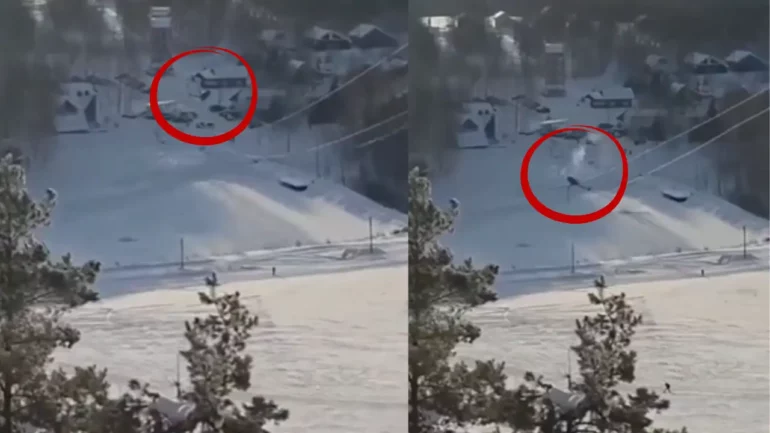
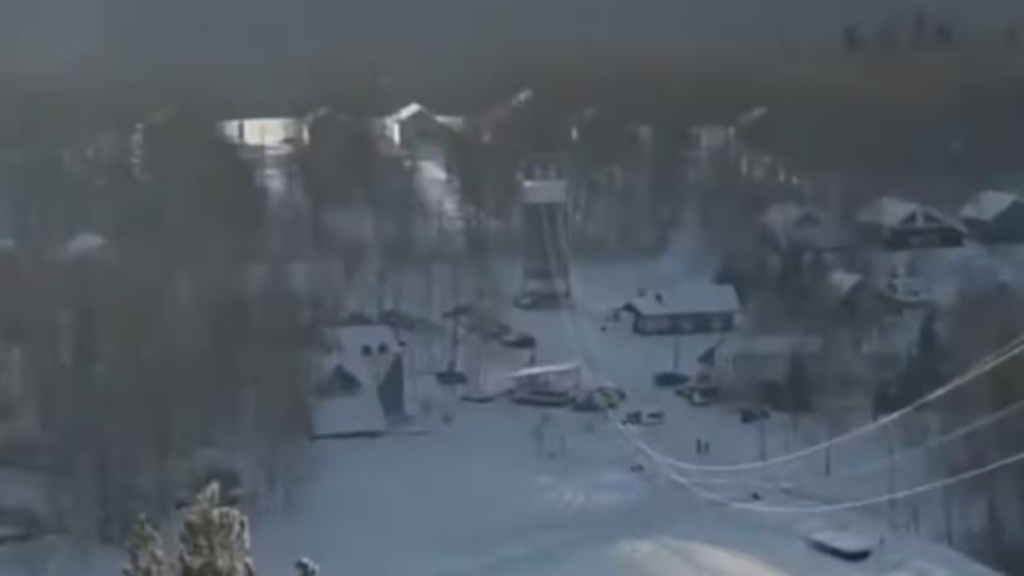
According to preliminary information released by investigators and cited by local media, the helicopter was flying at a low altitude close to the ski slopes of the Ashatli-Park resort when it struck overhead cables. These cables are believed to be part of the resort’s lift or related infrastructure, which typically spans open areas above ski runs and access paths. The collision reportedly caused the aircraft to lose stability and crash shortly afterward, leaving no chance of survival for those on board.
Witnesses in the area described hearing a loud impact followed by the sound of the helicopter descending rapidly. Given the popularity of Ashatli-Park, especially during the winter season, the crash raised immediate concerns about the safety of visitors and staff. Authorities later confirmed that no one on the ground was injured, despite the aircraft coming down near active recreational zones. Emergency services were quickly dispatched, securing the crash site and restricting access to ensure public safety and preserve evidence.
The Robinson R44 is a widely used light helicopter, commonly employed for private travel, aerial surveys, and training flights. While generally regarded as reliable when operated within safety guidelines, the model, like all light aircraft, requires strict adherence to altitude regulations and obstacle awareness, particularly in mountainous or infrastructure-dense environments such as ski resorts. Investigators are examining whether the flight path complied with civilian aviation rules and whether sufficient clearance was maintained from known obstacles.
"Damn it, James Bond has arrived!" A helicopter spectacularly crashed in russia (not Bond's, but a russian millionaire's).
— Reasonable Fella 🇺🇦 united 🇺🇲 (@TheReasonable66) January 7, 2026
It's known that the pilot of the helicopter, Ilyas Gimadutdinov, who encountered power lines during his flight, is the founder of a large transport… pic.twitter.com/xHoIYuY5PF
Weather and visibility conditions at the time of the crash are also under review. While no extreme weather was immediately reported, winter conditions in Perm Krai can include reduced visibility, low cloud cover, and challenging light conditions, all of which can complicate low-altitude manoeuvring. Officials have stated that no definitive conclusions will be drawn until a full technical and operational assessment is completed, including a review of flight authorization documents and pilot credentials.
Profile of Ilyas Gimadutdinov and Tattranskom
Ilyas Gimadutdinov was a prominent figure in the regional transport and logistics industry, known for building Tattranskom into a significant mid-sized operator serving Perm Krai and several oil- and gas-producing regions of Russia. Founded under his leadership, the company established itself as a key logistics provider for industrial and energy-sector clients, handling freight movement across long distances and often in challenging environments.
Tattranskom reportedly generates annual revenues amounting to billions of rubles, reflecting its scale and importance within the regional economy. The company’s operations include managing large vehicle fleets, coordinating convoy logistics, and ensuring the timely delivery of goods critical to industrial production and energy extraction. Such work requires extensive planning, regulatory compliance, and close coordination with clients operating in remote or infrastructure-limited areas.
Read : Rescue Helicopter Crashes on Mount Kilimanjaro Killing All Five On Board
Gimadutdinov was widely regarded as a hands-on owner, involved not only in strategic decisions but also in operational oversight. His leadership style emphasized reliability and continuity, qualities highly valued in sectors where delays or disruptions can have significant economic consequences. The loss of such a figure is expected to have an immediate impact on Tattranskom’s internal management and longer-term strategic direction.
Elmir Konakov, the second victim of the crash, played a crucial role within the company’s operational structure. As a senior executive overseeing vehicle convoys and long-haul transport, he was responsible for coordinating complex logistics operations across vast distances. His expertise lay in managing fleets, scheduling routes, and ensuring compliance with transport regulations, making him an integral part of Tattranskom’s day-to-day functioning.
Together, Gimadutdinov and Konakov represented both the strategic and operational pillars of the company. Their simultaneous loss creates a significant leadership vacuum, raising questions about succession planning and continuity. Industry observers note that while Tattranskom has an established management team, replacing the experience and institutional knowledge held by these two figures will be a considerable challenge.
Investigation, Safety Questions, and Broader Implications
Transport prosecutors have opened a formal investigation into the crash, focusing on several key areas. One of the primary questions is whether the flight was properly authorized and conducted in accordance with civilian aviation regulations. In Russia, as elsewhere, private helicopter operations are subject to specific rules regarding flight plans, altitude limits, and proximity to populated or infrastructure-heavy areas. Investigators will examine whether these requirements were fully met.
Pilot error is another potential factor under consideration. Low-altitude flying near ski resorts carries inherent risks, particularly when cables, pylons, and other obstacles are present. Investigators will assess whether the pilot had adequate situational awareness, whether navigation systems were functioning correctly, and whether visual cues may have been impaired. Any history of similar incidents or reported safety concerns involving the aircraft or pilot may also form part of the inquiry.
Technical aspects of the helicopter itself are being reviewed, including maintenance records and any prior mechanical issues. Although initial reports suggest the crash was triggered by a collision with cables rather than an in-flight failure, investigators typically conduct comprehensive examinations to rule out contributing technical faults. This process may involve analyzing recovered components and reviewing service logs.
The crash has also reignited broader discussions about aviation safety near recreational areas. Ski resorts often feature extensive infrastructure, including lift systems, cables, and towers, which can pose hazards to low-flying aircraft. While such areas are generally marked on aviation charts, visibility and environmental factors can still create dangerous conditions. Aviation experts have long emphasized the need for strict enforcement of minimum altitude rules in such zones to reduce the risk of accidents.
From a regional perspective, the deaths of Gimadutdinov and Konakov represent a significant blow to the local transport sector. Perm Krai relies heavily on efficient logistics to support its industrial base, particularly in oil and gas production. Disruptions to leadership within a major logistics provider can have ripple effects, potentially affecting supply chains and contractual relationships. While Tattranskom is expected to continue operations, the transition period may be closely watched by clients and competitors alike.
Authorities have reiterated that no official cause of the crash has yet been confirmed and have urged against speculation until the investigation is complete. The findings, once released, are likely to influence future regulatory guidance and operational practices for private helicopter flights, particularly in regions combining industrial activity with recreational tourism.
As emergency services continue to secure the site and investigators work through the evidence, the incident stands as a stark reminder of the risks associated with aviation in complex environments. For the families, colleagues, and business partners of those killed, it marks a sudden and tragic end to influential careers, while for the wider industry, it underscores the ongoing importance of rigorous safety standards and oversight.