

For centuries, Mount Adams, Washington’s largest active volcano, has remained dormant, its towering peak standing silently amidst the Cascade Range. However, recent seismic activity has sent shockwaves through the scientific community, raising concerns about the possibility of a major volcanic event. Scientist on High Alert for Massive Mount Adams Eruption as Volcano Gets Rattled by Earthquakes
Experts have been closely monitoring the 12,000-foot stratovolcano, which has been rattled by a series of earthquakes. While there is no definitive sign of an imminent eruption, the increase in tremors has prompted heightened vigilance among scientists and emergency responders.
Mount Adams: A High-Threat Volcano
Mount Adams, located in south-central Washington, approximately 55 miles southwest of Yakima, is classified as a ‘high-threat’ volcano. Despite its prolonged dormancy, the volcano is considered dangerous due to its potential for landslides and lahars—fast-moving mudflows that can cause extensive damage to surrounding communities.
According to the United States Geological Survey (USGS), Mount Adams has not erupted for nearly 1,000 years, with its last significant eruption estimated to have occurred between 3,800 and 7,600 years ago.
However, scientists warn that the volcano is far from inactive. Historical data suggests that it is only a matter of time before Mount Adams erupts again, though predicting the exact timing remains a challenge.
Read : New Zealand High Court Fined Owner of Whakaari After Volcano Eruption Claimed 22 lives
The concern surrounding Mount Adams is not just about a potential eruption but also about the devastating impact of lahars and landslides. Unlike some of its more explosive counterparts, such as Mount St. Helens, Mount Adams has a history of producing large-scale debris avalanches that could threaten nearby towns and infrastructure.
Read : Kilauea Volcano in Hawaii Experienced a Seismic Swarm with 30 Earthquakes Per Hour
The ice-capped summit of the volcano holds vast quantities of hydrothermally weakened rock, making it susceptible to massive landslides that could travel for miles, destroying everything in their path.
Seismic Activity and Increased Monitoring Efforts
In recent months, monitoring stations installed around Mount Adams have detected an unusual uptick in seismic activity. Between September and October last year, scientists recorded nine earthquakes near the volcano, with magnitudes ranging from 0.9 to 2.0.
Typically, Mount Adams experiences just one earthquake every two to three years, making this surge in tremors a cause for concern. While the USGS has stated that these tremors appear to be part of the volcano’s normal background activity, the increased frequency has led experts to intensify their monitoring efforts.
Seismic activity is often a precursor to volcanic eruptions, as it indicates movement of magma beneath the surface. However, not all tremors lead to eruptions.
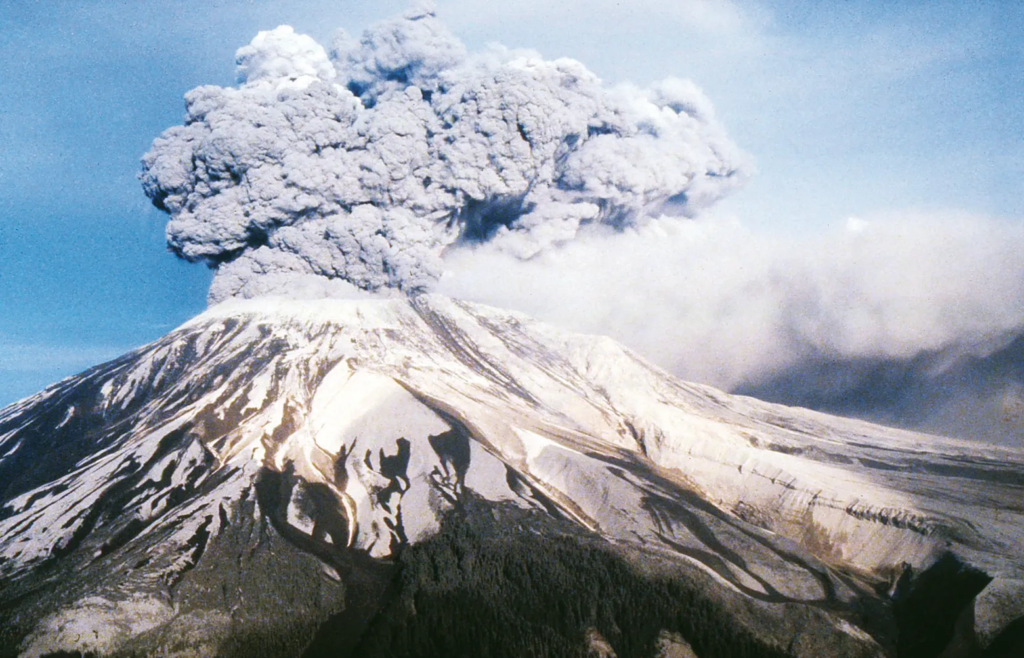
Scientists analyze various factors, including gas emissions, ground deformation, and thermal activity, to assess the likelihood of an impending event. At present, there is no clear evidence of magma movement beneath Mount Adams, but the recent earthquakes serve as a reminder that the volcano remains active.
The USGS has installed an extensive network of seismometers, GPS stations, and satellite imaging tools to track changes in the volcano’s structure.
These instruments provide real-time data, allowing scientists to detect any signs of increased activity that could indicate a looming eruption. While the recent tremors have not triggered an official alert, experts remain on high alert, ready to respond should the situation escalate.
Potential Impact of a Mount Adams Eruption
Although Mount Adams has not erupted in centuries, the potential consequences of an eruption—or even a major landslide—could be catastrophic.
The greatest threat posed by the volcano is not necessarily an explosive eruption but the possibility of avalanches, landslides, and lahars. The ice and snow covering Mount Adams could melt rapidly in the event of volcanic activity, leading to devastating mudflows that could bury nearby communities and disrupt major transportation routes.
Lahars are particularly dangerous because they can travel at speeds of up to 50 miles per hour, carrying a mixture of water, volcanic debris, and rock.
If a significant lahar were to occur, it could inundate river valleys, destroy homes, and pose a serious risk to human life. Historical records indicate that past landslides from Mount Adams have reached distances of over 30 miles, underscoring the potential scale of destruction.
In addition to lahars, an eruption could have widespread environmental and economic consequences. Ashfall from Mount Adams could disrupt air travel, contaminate water sources, and impact agriculture in the region.
Volcanic ash can cause respiratory issues in humans and animals, as well as damage to buildings and infrastructure. The economic cost of a major eruption could run into billions of dollars, affecting industries such as farming, tourism, and transportation.
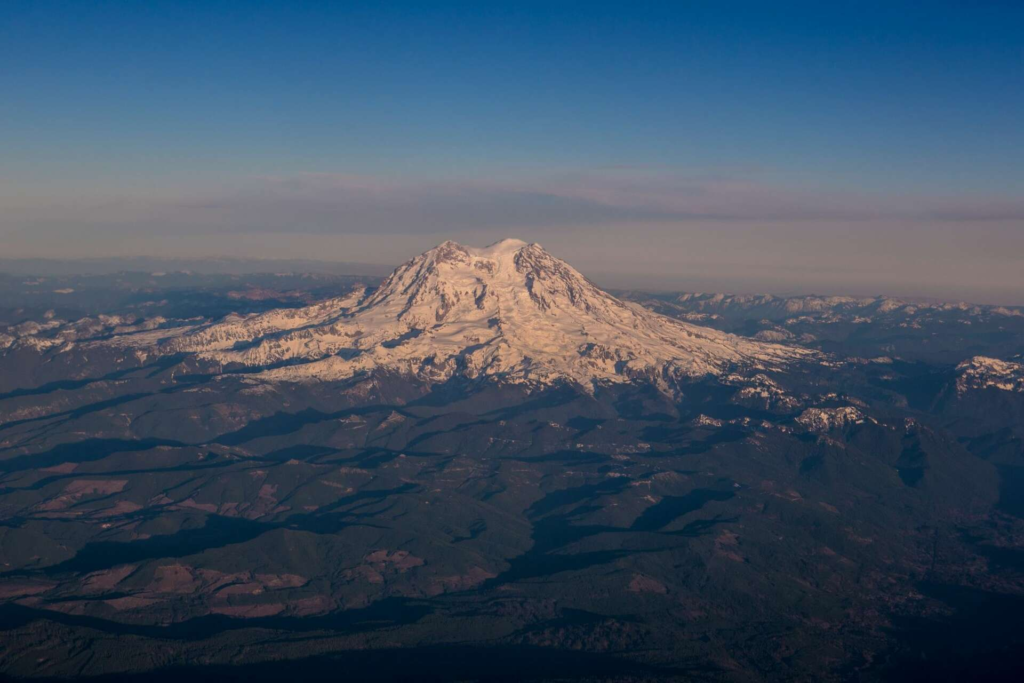
Despite the potential risks, local authorities and emergency management agencies have developed response plans to mitigate the impact of a volcanic event. Evacuation routes, early warning systems, and public awareness campaigns play a crucial role in ensuring that residents are prepared for any eventuality.
Scientists continue to work closely with government agencies to refine these strategies, using advanced technology to improve prediction models and enhance disaster preparedness.
As Mount Adams remains under close surveillance, experts urge residents to stay informed and be prepared for any changes in volcanic activity. While the recent tremors do not indicate an imminent eruption, they serve as a reminder of the volatile nature of the Cascade volcanoes and the importance of ongoing research and monitoring efforts.
Whether it erupts in the near future or remains dormant for centuries to come, Mount Adams will continue to be a subject of scientific interest and a potential hazard that requires careful attention.
As scientists keep a watchful eye on Mount Adams, the public is reminded of the unpredictable power of nature. The recent seismic activity may be just a minor disturbance, but it also highlights the need for constant vigilance and preparedness in the face of geological uncertainties.
The coming months will be critical in determining whether the volcano’s recent restlessness is a passing anomaly or a sign of greater activity to come. Regardless of the outcome, the monitoring and research efforts at Mount Adams provide valuable insights into the complex dynamics of volcanic systems and their impact on the surrounding environment.