
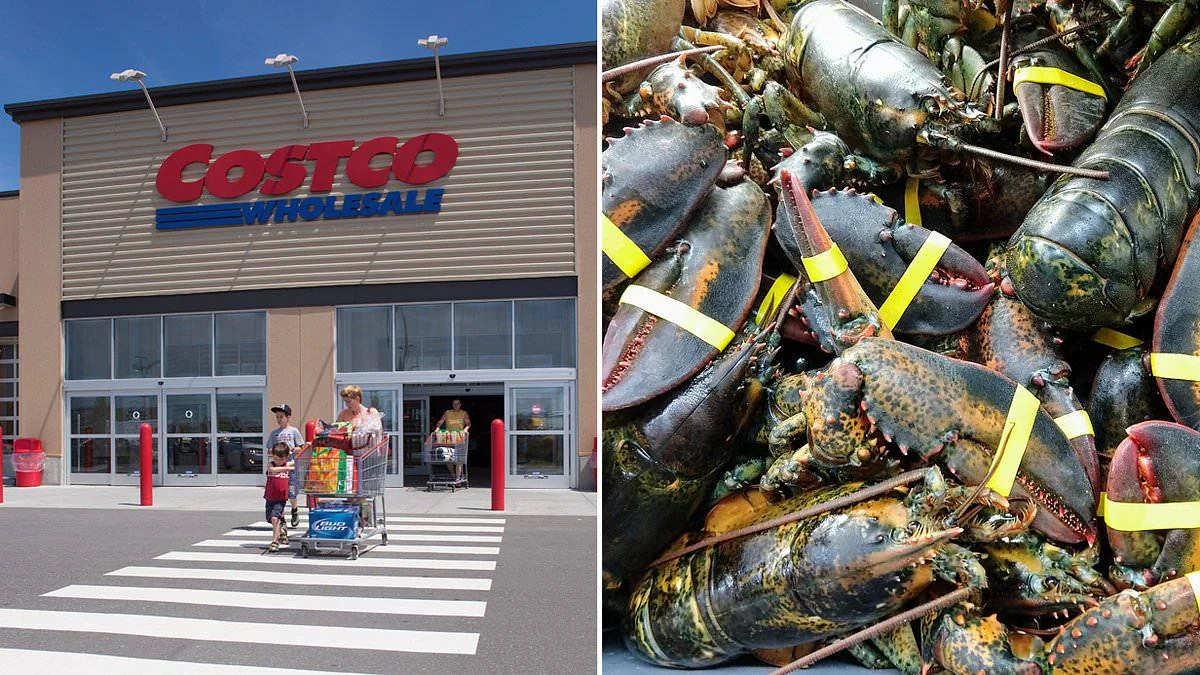
A highly unusual cargo theft involving a truckload of live lobsters valued at approximately $400,000 has drawn national attention in the United States and highlighted the growing threat of organized cargo crime. The shipment, destined for Costco warehouse stores in Illinois and Minnesota, vanished while in transit after being picked up in Taunton, Massachusetts. Authorities believe the theft may not be an isolated incident but part of a larger, coordinated criminal operation targeting high-value goods moving through the national supply chain.
The case is now under investigation by the FBI, with federal agencies pointing to an alarming rise in sophisticated cargo thefts that cost U.S. businesses billions of dollars annually. Beyond the unusual nature of the stolen goods, the incident underscores deeper vulnerabilities in logistics networks, the financial strain on transport companies, and the broader economic consequences that ultimately reach consumers.
A Vanishing Shipment and a Costly Loss for a Logistics Company
The stolen shipment was being transported by Rexing Companies, an Indiana-based logistics firm led by CEO Dylan Rexing. According to Rexing, the truck was legitimately picked up from Taunton, Massachusetts, but never reached its intended destinations. Somewhere along the route, the vehicle and its valuable cargo of live lobsters disappeared without a trace.
Live seafood shipments present unique challenges even under normal circumstances. They are time-sensitive, temperature-controlled, and require careful handling to keep the product alive and market-ready. That makes them especially valuable and, in some cases, harder to track once stolen. Investigators believe the thieves knew exactly what they were targeting and how to move quickly before the cargo spoiled or attracted attention.
Rexing has publicly stated that the loss has had a direct impact on his company’s operations. A $400,000 hit is significant for a mid-sized logistics firm, and he said it would force the company to delay hiring plans and reconsider employee bonuses that had been planned for the year. While insurance may cover part of the loss, cargo theft claims often involve lengthy investigations, higher premiums, and long-term financial consequences.
The incident also raises concerns about how thieves gained access to the shipment. Cargo theft rings frequently exploit weak points in the logistics process, including falsified pickup documents, identity theft, and impersonation of legitimate carriers. In many cases, criminals use information obtained through data breaches or insider leaks to intercept shipments before companies realize anything is wrong.
Read : Ageless Wonders: Earth’s Longest Living Species and the Science Behind Their Longevity
For Rexing Companies, the theft is not just a financial setback but a stark reminder of the risks facing logistics providers across the country. The company has emphasized that such crimes ripple outward, affecting workers, partners, and customers alike.
Organized Cargo Theft Rings and a Growing National Problem
Federal authorities increasingly believe that cargo thefts like this one are part of organized criminal networks rather than opportunistic crimes. Homeland Security Investigations has reported that cargo theft accounts for an estimated $15 billion to $35 billion in losses every year, a figure that continues to rise as supply chains grow more complex and valuable goods move faster across longer distances.
According to investigators, these theft rings are often highly coordinated. They target cargo ports of entry, truck stops, rail yards, and distribution hubs where goods are temporarily vulnerable during transit. Some groups specialize in specific types of merchandise, such as electronics, pharmaceuticals, food products, or luxury items. The lobster theft fits a pattern of criminals identifying high-value, high-demand goods that can be quickly resold through illicit channels.
Read : China to Lift 4-Year Ban on Australian Lobsters Imports
Homeland Security Investigations has launched an initiative known as Operation Boiling Point, aimed at cracking down on organized retail and cargo theft. The program seeks to disrupt theft networks, identify common “fences” who buy and redistribute stolen goods, and cut off the financial incentives that drive these crimes. While officials note that cargo theft groups may not always be directly linked to retail theft operations, they often share the same underground markets and distribution networks.
In the lobster case, authorities suspect the stolen seafood could be quickly diverted to unauthorized sellers, restaurants, or black-market distributors. Live lobsters are particularly attractive because of their high market value and steady demand, especially in major urban areas. Once removed from the legitimate supply chain, tracing their origin becomes extremely difficult.
The Department of Transportation has also expressed concern about the growing threat of cargo theft. In September, the agency requested input from law enforcement, freight carriers, and transportation experts on how to better protect goods in transit. In its statement, the DOT warned that cargo theft not only causes direct economic losses but also disrupts supply chains and, in some cases, helps fund broader criminal activities such as narcotics trafficking, counterfeiting, and human smuggling.
These developments reflect a broader recognition at the federal level that cargo theft is no longer a niche issue confined to logistics companies. It has become a national economic and security concern requiring coordinated action across multiple agencies and industries.
Economic and Consumer Impacts of Cargo Theft
While the image of stolen lobsters may seem almost absurd, the consequences of such crimes are anything but trivial. Cargo theft has a direct and indirect impact on businesses, workers, and consumers. For logistics companies, repeated losses can lead to higher insurance premiums, increased security costs, and reduced profitability. Smaller carriers are often hit the hardest, as they lack the financial buffers of larger corporations.
Read : Peter’s Clam Bar Releases Back 110-Year-Old Lobster Lorenzo into Open Sea
Retailers like Costco also feel the effects, even if they are not directly responsible for the theft. Lost shipments can lead to inventory shortages, delayed restocking, and increased operational costs. Over time, these expenses are often passed on to consumers in the form of higher prices. As Rexing noted, cargo theft ultimately contributes to inflationary pressures by making it more expensive to move goods safely and reliably.
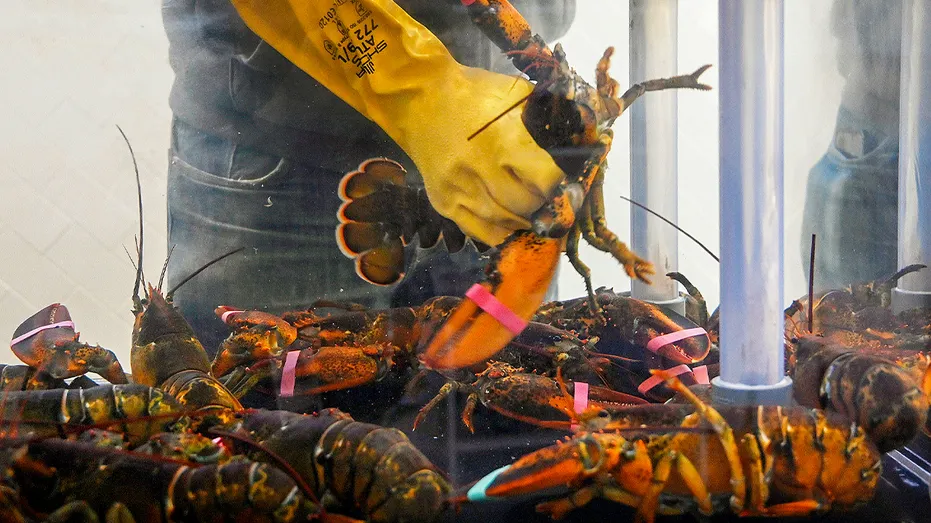
There is also a broader impact on employment and investment. When companies are forced to absorb large losses, they may postpone expansion plans, freeze hiring, or cut back on employee benefits. In the Rexing Companies case, the CEO has already indicated that the theft will affect hiring decisions and employee bonuses, illustrating how a single criminal act can ripple through a workforce.
From a public policy perspective, cargo theft undermines confidence in the nation’s transportation infrastructure. Efficient and secure logistics networks are essential to economic stability, particularly in a country as geographically large and commercially interconnected as the United States. When organized theft rings exploit vulnerabilities in these networks, they weaken trust between shippers, carriers, and retailers.
The lobster theft also highlights the challenge of protecting perishable goods. Unlike electronics or durable products, live seafood must be moved quickly and under strict conditions. This urgency can limit the time available to detect and respond to thefts, giving criminals an advantage. It also increases the likelihood that stolen goods will be sold rapidly, leaving little chance for recovery.
As the FBI investigation continues, no arrests have been announced, and the fate of the stolen lobsters remains unknown. The case serves as a striking example of how modern cargo theft has evolved, blending planning, speed, and market awareness. It also reinforces calls from industry leaders and federal agencies for stronger safeguards, better information sharing, and tougher enforcement against organized theft rings.
In the end, the bizarre nature of the stolen cargo should not distract from the seriousness of the crime. Whether the target is electronics, pharmaceuticals, or live lobsters, cargo theft represents a significant threat to businesses and consumers alike. The incident en route to Costco stores is a vivid reminder that even the most unexpected products can become valuable prizes for organized criminals operating within the gaps of a vast and complex supply chain.
Yo fam, ever heard of 17mex? I’m seeing what the buzz is about. Give it a whirl, why not? 17mex