
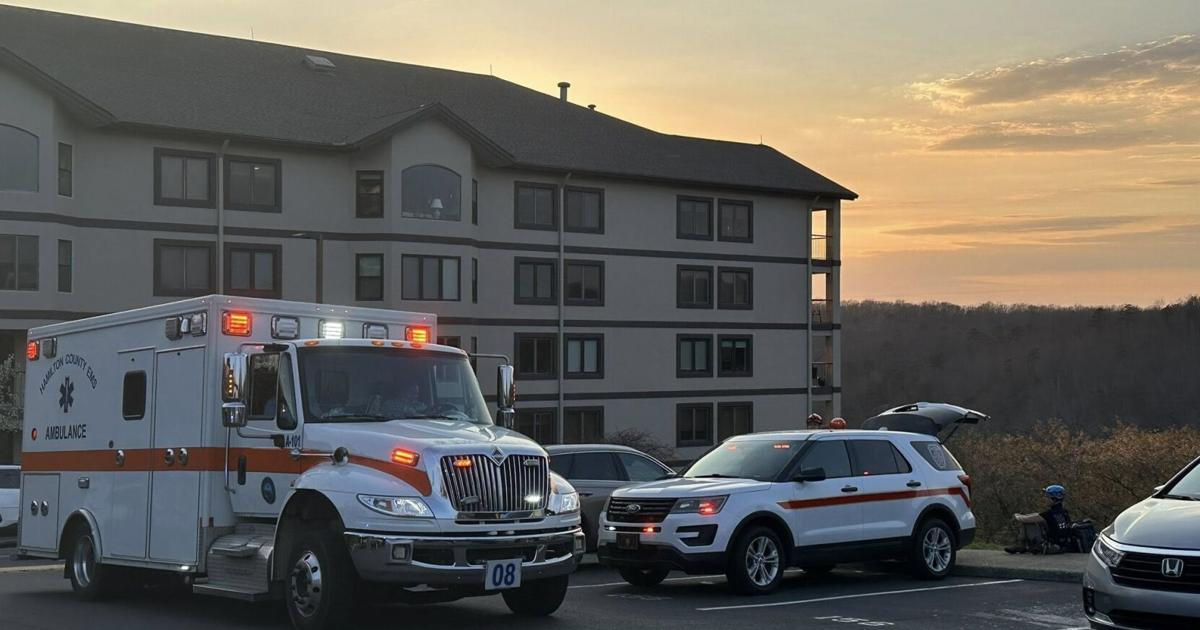
A routine hiking trip on Tennessee’s scenic Cumberland Trail turned into a life-threatening emergency when a man suffered a severe ankle injury after being struck by a large falling rock. The incident unfolded on Signal Mountain, an area known for its rugged terrain and breathtaking overlooks, drawing both experienced hikers and casual adventurers. What began as an ordinary outing quickly escalated into a complex rescue operation involving multiple emergency agencies, highlighting both the unpredictable dangers of wilderness environments and the critical role of coordinated emergency response.
According to local emergency officials, the distress call came in during the early evening hours of March 21. A member of the hiking group reported that one of their companions had sustained a traumatic injury after a rock suddenly gave way and crushed his ankle. The group, navigating a steep and rocky section of the trail, found themselves in a difficult situation where immediate evacuation was not possible without professional assistance. As daylight began to fade, the urgency of the situation intensified, prompting a swift and carefully coordinated rescue effort.
Challenging Terrain Complicates Rescue Efforts
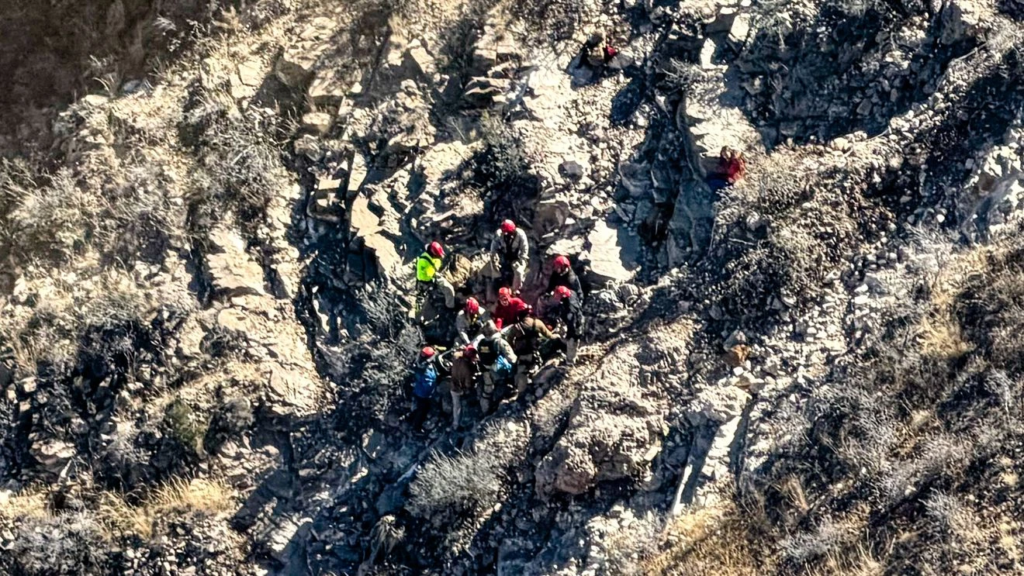
The Cumberland Trail, particularly around Signal Mountain, is known for its uneven paths, rocky outcrops, and steep descents. While these features contribute to its natural beauty, they also pose significant challenges during emergencies. In this case, rescue teams from local fire and emergency services had to enter the trail from Signal Point Circle and navigate down hazardous terrain to reach the injured hiker. The journey itself required careful footing and coordination, as responders carried essential medical and rescue equipment through narrow and unstable sections of the trail.
It took approximately an hour and a half for rescue personnel to locate and reach the injured man. Upon arrival, they assessed the severity of his condition and determined that his ankle injury was too serious to allow for a manual evacuation. Carrying a patient through such terrain is not only physically demanding but also risks worsening the injury, especially when dealing with fractures or crush injuries that require stabilization.
The rescuers faced a critical decision. Attempting to carry the hiker out could take several hours and expose both the patient and the responders to further risks, particularly as darkness approached. Instead, they opted to request aerial assistance, a decision that underscored the seriousness of the injury and the logistical challenges of the location. The use of a helicopter, while complex, offered the safest and fastest means of transporting the injured hiker to medical care.
Airlift Operation Demonstrates Coordinated Emergency Response
Once the decision was made to request a helicopter, the operation expanded to include state-level emergency management resources. A helicopter from the National Guard was dispatched to assist with the rescue, marking a critical turning point in the operation. Coordinating an airlift in a remote and forested area requires precise communication between ground teams and the flight crew, as well as careful assessment of landing or hovering conditions.
Given the dense vegetation and uneven terrain, the helicopter could not land directly at the scene. Instead, it hovered above the site while rescue personnel prepared the injured hiker for extraction. This process involves securing the patient in a specialized harness or stretcher designed for aerial hoisting, ensuring that he remains stable during the lift. Every movement must be controlled and deliberate, as even slight instability can pose risks during the hoisting process.
Read : Female Hiker Stung by Fire Ants on West Fork Cold Spring Trail
The successful airlift was a testament to the training and coordination of the involved agencies. The hiker was safely hoisted aboard the helicopter and transported to a nearby medical facility for treatment. While details about his condition following the rescue were not immediately available, the rapid response and efficient execution of the airlift likely played a crucial role in preventing further complications.
Read : Nikki Haley Criticized for Writing ‘Finish Them’ on Israeli Shell
This type of rescue operation highlights the importance of inter-agency collaboration. Local emergency responders, state management teams, and military resources all played a role in ensuring a successful outcome. Each group brought specialized skills and equipment to the situation, demonstrating how layered emergency systems function effectively when faced with high-risk scenarios in remote environments.
Heightened Safety Concerns After Multiple Incidents
The incident gained additional attention due to a separate tragedy that occurred just hours earlier in the same area. Another hiker reportedly fell a significant distance from a bluff on the Signal Point trail, resulting in a fatal outcome. The proximity in both time and location of these incidents has raised concerns about safety conditions along this section of the Cumberland Trail.
While hiking is generally considered a safe recreational activity, these events serve as a reminder of the inherent risks associated with natural environments. Trails that traverse cliffs, rocky slopes, and unstable ground require a heightened level of awareness and preparation. Even experienced hikers can encounter unexpected hazards such as loose rocks, sudden changes in terrain, or environmental factors that increase the likelihood of accidents.
The falling rock that caused the ankle injury is a particularly unpredictable hazard. Natural erosion, weather conditions, and foot traffic can all contribute to the instability of rocks along a trail. In some cases, a rock may appear secure but can shift or fall without warning. This underscores the importance of maintaining safe distances between hikers, wearing appropriate footwear, and staying alert to surroundings at all times.
Emergency officials often emphasize the need for preparation before heading into such areas. This includes informing others of planned routes, carrying communication devices, and being equipped with basic first aid supplies. In situations where injuries occur, these precautions can make a significant difference in the speed and effectiveness of the response.
The recent incidents on Signal Mountain may also prompt a review of trail safety measures. Authorities could consider additional signage, hazard warnings, or maintenance efforts to reduce risks in particularly dangerous sections. However, it is important to recognize that not all natural hazards can be eliminated, and personal responsibility remains a key factor in outdoor safety.
As the injured hiker continues to recover, the incident stands as a powerful example of both the risks and resilience associated with outdoor recreation. It also highlights the dedication of emergency responders who operate in challenging conditions to save lives. The combination of rapid reporting, skilled response, and advanced rescue techniques ultimately ensured that the hiker received the care he needed in a timely manner.