
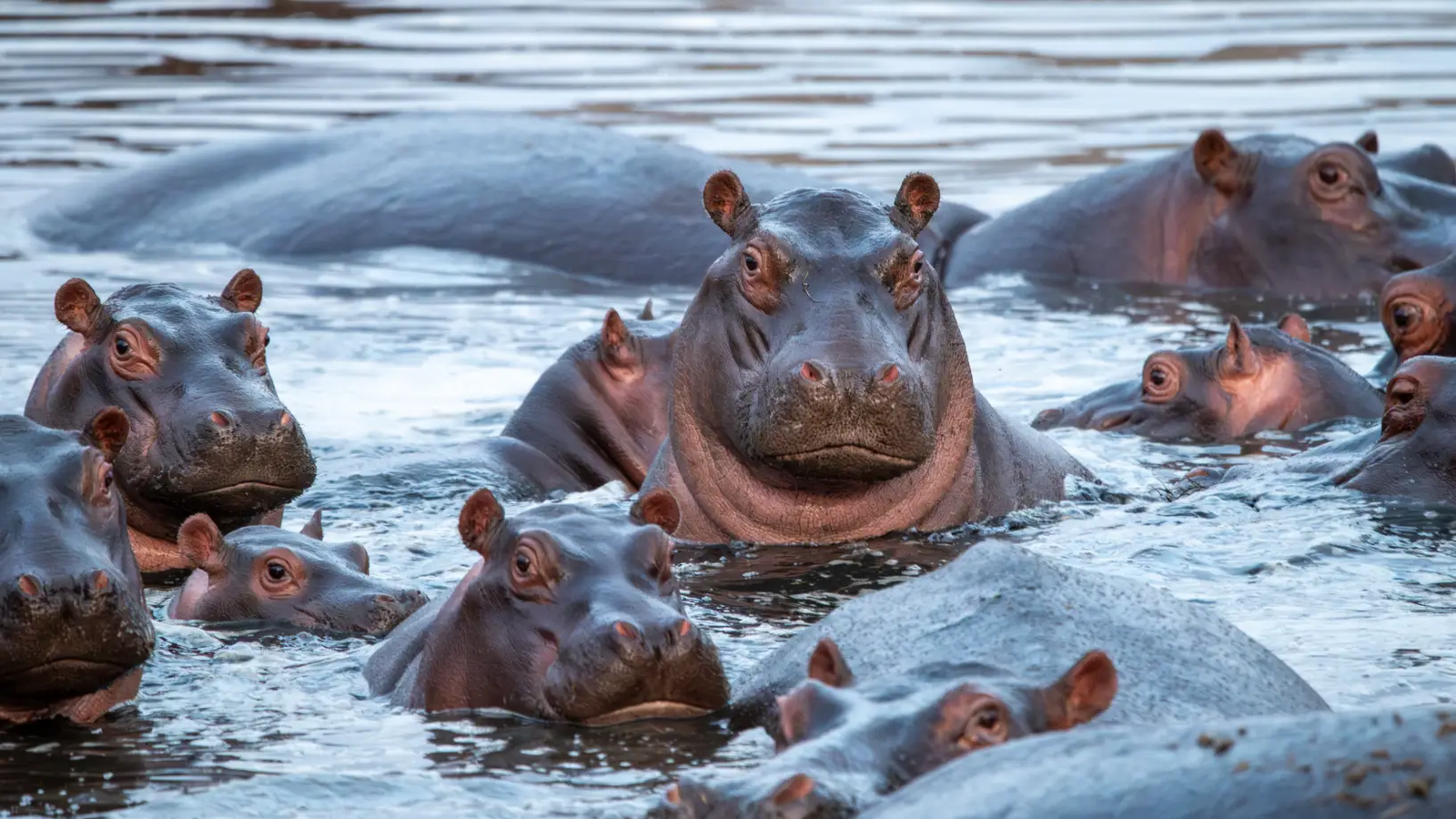
The Colombian government has announced a controversial plan to euthanize dozens of hippos that trace their origins back to one of the most notorious figures in modern criminal history. Decades after the death of Pablo Escobar, the legacy of his extravagant lifestyle continues to ripple across the country in an unexpected and dangerous way.
What began as a private collection of exotic animals has evolved into a growing ecological crisis, forcing authorities to make difficult decisions balancing environmental protection, public safety, and animal welfare. The situation highlights how past actions can create long-term consequences that extend far beyond their original context, placing governments in complex moral and practical dilemmas.
The Origins of an Unlikely Ecological Crisis
In the 1980s, Pablo Escobar imported four hippos to his private estate as part of a collection of exotic animals that symbolized his immense wealth and power. At the time, there was little consideration for the long-term implications of introducing such large, non-native species into Colombia’s ecosystem. Following his death in 1993, the estate was abandoned, and the animals were left without proper management or containment. Over time, the hippos escaped into nearby rivers and wetlands, where conditions proved highly favorable for their survival and reproduction.
Unlike in their native African habitats, the hippos in Colombia faced no natural predators and had abundant access to food and water. These conditions allowed their population to grow rapidly, turning what was once a small group into a large and expanding presence in the region. Today, estimates suggest that at least 169 hippos roam freely, with projections indicating the population could reach 500 by 2030 if left unchecked.
As their numbers have increased, so too have concerns about their impact. Hippos are known to be highly territorial and aggressive animals, capable of posing serious threats to humans. Local communities living near waterways have reported growing fears as encounters become more frequent. Additionally, the animals are altering aquatic ecosystems by changing water chemistry, damaging vegetation, and competing with native species for resources. What initially seemed like a curious remnant of Escobar’s past has transformed into a significant environmental and public safety issue.
Government Response and the Decision to Cull
Over the past several years, Colombian authorities have explored multiple strategies to control the hippo population without resorting to lethal measures. These efforts included sterilization programs and attempts to relocate some of the animals to other regions. However, these methods have proven to be both costly and logistically challenging. Sterilization requires capturing large and dangerous animals, a process that is time-consuming and resource-intensive. Relocation efforts have also faced obstacles, including limited suitable habitats and concerns about transferring the problem elsewhere.
Read : Man Arrested After Climbing into Viral Hippo Moo Deng’s Enclosure at Khao Kheow Open Zoo
After two years of attempting these alternatives with limited success, the government has concluded that more drastic action is necessary. Officials have announced a plan to euthanize up to 80 hippos as part of a broader strategy to control the population. The initiative is expected to cost approximately $2 million and will involve both chemical and physical euthanasia methods. Authorities have emphasized that the decision was not taken lightly but was deemed essential to prevent further ecological damage and ensure public safety.
Colombian officials have greenlit a plan to euthanize dozens of "Cocaine Hippos" that were imported by drug lord Pablo Escobar in the 1980s.
— Valuetainment (@valuetainment) April 13, 2026
Escobar illegally imported one male and three female hippos for his private zoo at his estate, Hacienda Nápoles. Those four Hippos have… pic.twitter.com/sM2muBI6ph
The approach will include a monitoring system to determine which animals are most at risk of causing harm. Factors such as proximity to human settlements and the size of the animals will be considered when selecting targets for euthanasia. At the same time, the government plans to continue sterilization efforts for the remaining population and explore additional relocation possibilities within the country.
Environmental officials have framed the decision as a necessary step to preserve Colombia’s ecosystems. They argue that without intervention, the hippo population will continue to grow at an unsustainable rate, exacerbating environmental degradation and increasing the likelihood of dangerous human-animal encounters. The situation has been described as one where inaction would lead to far greater harm in the long term.
Public Backlash and Ethical Debate
The announcement has sparked intense debate both within Colombia and internationally. Animal rights activists have strongly condemned the plan, describing it as cruel and unnecessary. Critics argue that the hippos are not to blame for their presence in Colombia and should not be punished for human actions that led to their introduction. Many have called for renewed efforts to prioritize non-lethal solutions, even if they are more expensive or difficult to implement.
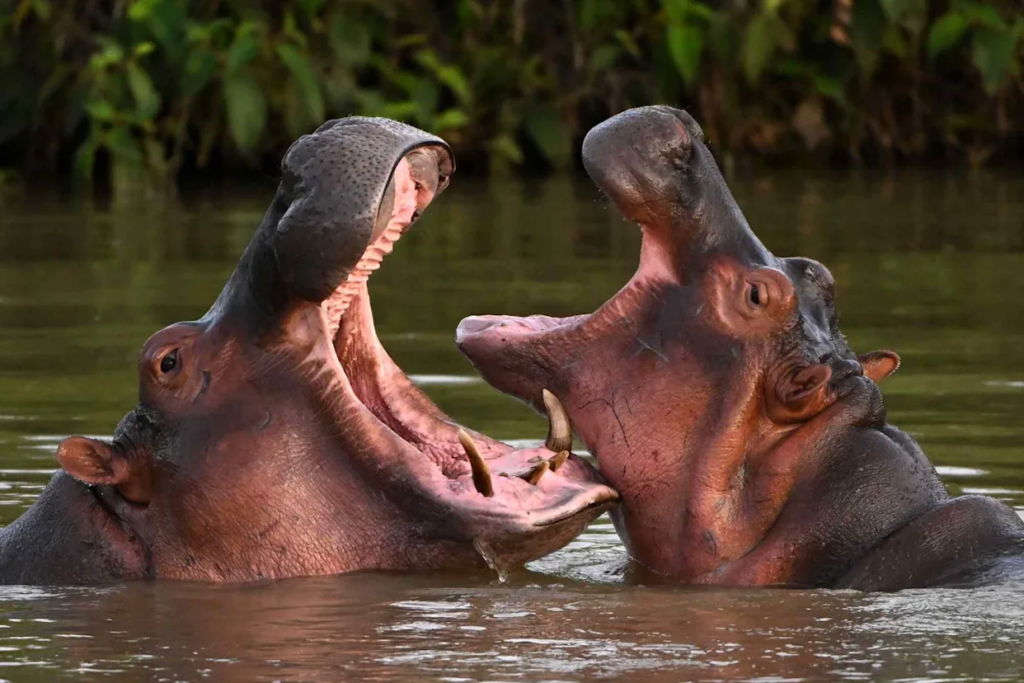
Prominent voices in the animal rights community have expressed concern that the decision reflects a broader tendency to resort to killing when faced with complex environmental challenges. They argue that governments should invest more heavily in innovative solutions that protect both ecosystems and animal lives. For these critics, the hippos represent innocent victims of historical negligence, and their fate raises important questions about humanity’s responsibility toward animals displaced by human activity.
On the other hand, scientists and environmental experts have pointed out the practical realities of the situation. They emphasize that the hippos’ continued population growth poses a serious threat to native biodiversity. By altering waterways and competing with local species, the animals could cause irreversible damage to fragile ecosystems. From this perspective, the culling is seen as a necessary, albeit unfortunate, measure to prevent a larger ecological crisis.
Some experts have also noted that delaying action could lead to even harsher measures in the future. If the population continues to expand unchecked, the scale of intervention required later could be significantly greater, potentially resulting in more widespread harm. This argument underscores the urgency of addressing the issue now, even if the chosen solution is controversial.
The debate ultimately reflects a broader tension between ethical considerations and environmental management. It raises questions about how societies should respond when human actions create ecological imbalances that cannot be easily reversed. While there is no consensus on the best course of action, the situation in Colombia serves as a stark reminder of the long-term consequences of introducing non-native species into new environments.
As the government moves forward with its plan, the world will be watching closely. The outcome of this initiative may influence how similar situations are handled in the future, shaping policies on invasive species management and animal welfare. The story of these hippos, born from a moment of excess and neglect, continues to evolve, presenting challenges that extend far beyond their unexpected origins.
rikvip phát triển hệ thống giải trí trực tuyến tích hợp nhiều trò chơi như game bài truyền thống, slot game nổ hũ, casino live, cá cược thể thao và bắn cá. Giao diện được thiết kế hiện đại, thân thiện và tương thích trên nhiều thiết bị giúp người chơi thao tác thuận tiện. Hệ thống thanh toán hỗ trợ nhiều phương thức giao dịch, xử lý nhanh và áp dụng công nghệ bảo mật dữ liệu người dùng. Nhiều chương trình thưởng tân thủ, hoàn trả và ưu đãi định kỳ được triển khai giúp người chơi có thêm trải nghiệm giải trí tại RIKVIP.