
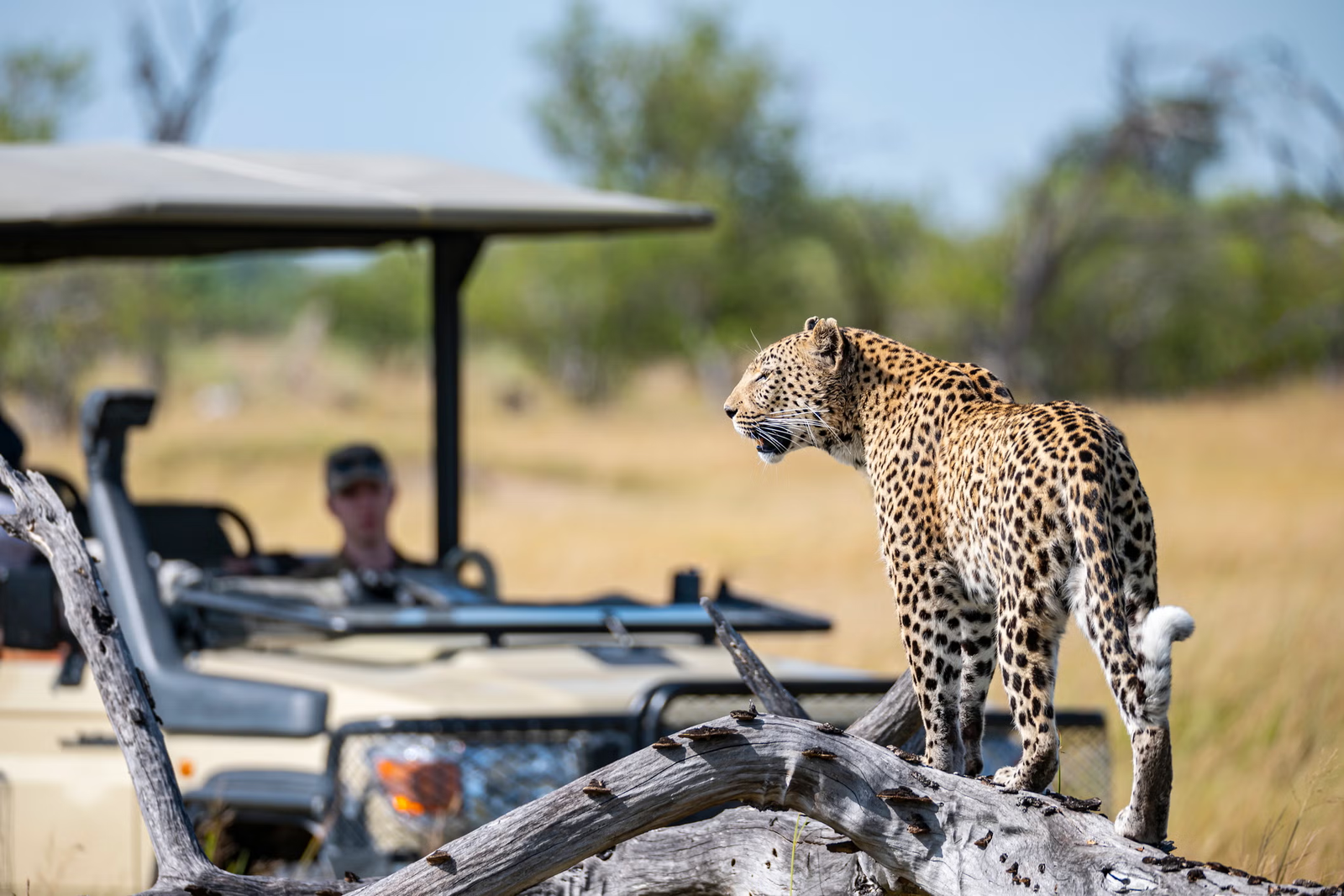
The dark world of trophy hunting has once again emerged into the spotlight with a disturbing revelation: holidays to shoot endangered leopards are being openly sold online for prices reaching as high as £116,000.
Despite growing international awareness and mounting pressure to protect these majestic creatures, the trade in hunting safaris targeting leopards and other vulnerable wildlife continues unabated.
Meanwhile, promised legal measures, particularly in the UK, to ban the import of hunting trophies have been repeatedly delayed or blocked.
The Lucrative Business of Trophy Hunting and Its Impact on Leopards
Trophy hunting has long been a controversial practice, where wealthy individuals pay vast sums to travel to Africa and other regions to kill big game animals for sport. Among the animals targeted, leopards have become one of the most sought-after but also most endangered.
Reports indicate that holiday packages or auction rights to kill these animals are openly advertised online by big-game tour companies. These trips can cost up to £116,000 for a 28-day safari in places like Tanzania, where hunters can also pay extra to target elephants, lions, cheetahs, and other iconic species.
Leopard populations have been declining sharply for decades. Once widespread across much of Africa and Asia, these big cats have lost around 75% of their historical habitat, and their numbers may have plummeted by as much as 90% in the past 50 years. Current estimates suggest there are approximately 50,000 leopards left in the wild, but reliable data is scarce, making it difficult to assess the true scale of their decline.
Read : Adrian Smith Who Confronted By ‘Paedophile Hunters’ Found Dead on the M4
What makes the situation worse is that despite their vulnerability, leopards remain legally huntable in several countries. This legality creates a paradox where commercial interests directly threaten a species struggling to survive.
Read : Piano and Sofa Removed from Downing Street After Sunak’s Defeat in the General Election
Trophy hunting operators use disturbing tactics to ensure successful kills, such as baiting leopards with live animals or using fires to flush them out. One chilling case involved a live antelope tied to a tree to lure a leopard, which was then shot illegally at night. Such practices highlight the cruelty embedded within the industry and raise serious ethical and conservation concerns.
Government Inaction and the Stalled UK Ban on Trophy Hunting Imports
Despite widespread public support and political promises, the UK government has yet to implement a long-awaited ban on the import of hunting trophies, which is seen as a crucial step to reduce demand for overseas hunting safaris. Both major political parties,
Conservative and Labour, included pledges to introduce such bans in their election manifestos. A 2020 government consultation showed overwhelming public backing, with 84% of respondents supporting a ban on the import and export of hunting trophies.
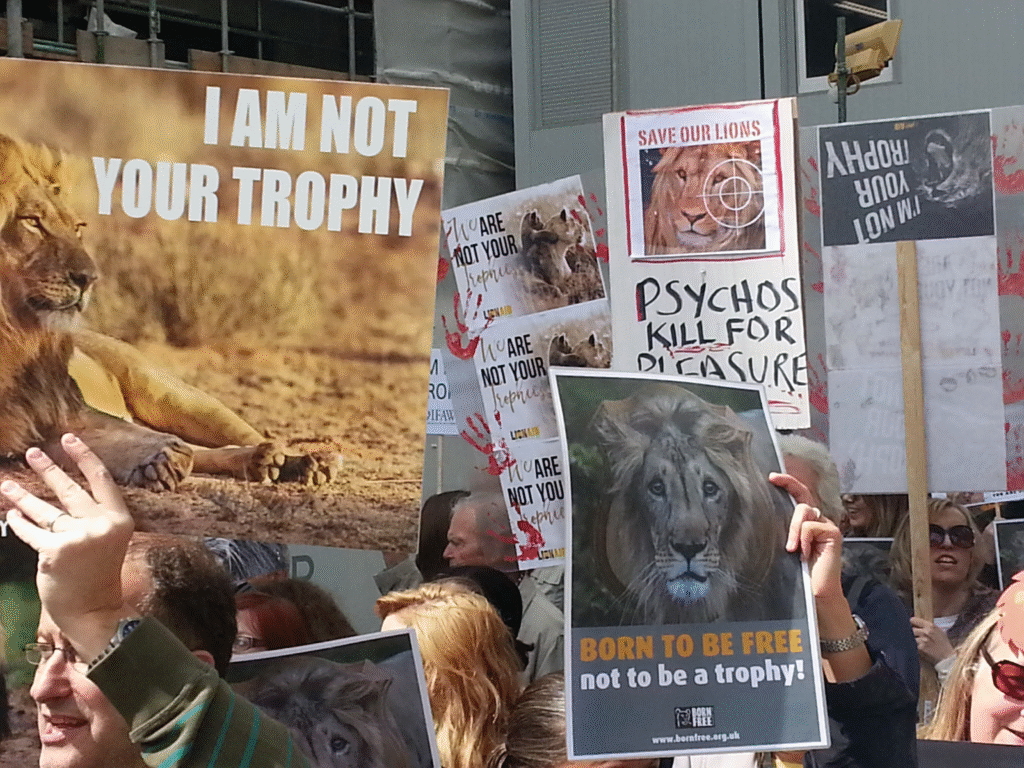
However, since then, progress has stalled. Boris Johnson’s government dropped the Animals Abroad Bill in 2022, which would have introduced such a ban. In 2023, the Hunting Trophies (Import Prohibition) Bill, passed by MPs, was blocked in the House of Lords by 11 peers.
Another private member’s bill on the same issue ran out of time without becoming law. Currently, a new bill introduced by Conservative MP David Reed is awaiting its second reading, with the government’s official stance still unclear.
This hesitation and political dithering have frustrated conservationists and the public alike. The Campaign to Ban Trophy Hunting, supported by high-profile figures such as Joanna Lumley and Chris Packham, has criticized the government’s failure to act swiftly, calling for urgent leadership to stop the trade that is driving species like leopards toward extinction.
The Ethical and Conservation Case Against Trophy Hunting
The ethics of trophy hunting have been debated for years, but what is clear is that it places immense pressure on vulnerable species. Leopards are classified as vulnerable by the International Union for Conservation of Nature (IUCN), with some subspecies facing even greater risks. Scientists have warned that the species has disappeared from much of its historic range, and current population figures are uncertain at best.
Trophy hunting companies promote the idea that regulated hunting contributes to conservation and local economies. Some hunters and organizations argue that it helps control animal populations and funds wildlife protection efforts. However, evidence for these claims is mixed, and many conservation experts argue that the harm caused to dwindling populations far outweighs any potential benefits.
The reality behind the scenes reveals cruel tactics such as baiting and night hunting, which undermine the concept of fair chase and respect for wildlife. Additionally, hunting disproportionately targets prime adults, often the strongest breeding animals, which can destabilize fragile populations. As the Campaign to Ban Trophy Hunting highlights, this is not conservation but barbarism, driven by the desire for trophies and bragging rights rather than sustainable management.
Internationally, the United States remains the largest importer of leopard trophies, followed by countries like South Africa and Hungary. Meanwhile, more than 700 leopard parts—including skins, skulls, and bones—were exported from Africa in 2023 alone, with some trophies even entering the UK.
Calls for Urgent Government Action
The killing of Cecil the lion in 2015 shocked the world and spurred global protests against trophy hunting. Since then, calls for government action have only grown louder. The UK government, which has the power to curb demand by banning trophy imports, is being urged to prioritize this issue before it’s too late for species like the leopard.
Eduardo Gonçalves, founder of the Campaign to Ban Trophy Hunting, has emphasized that Britain must show leadership. With nine out of ten voters supporting a ban, and a bill having passed the House of Commons unanimously before the last election, the failure to act is puzzling and frustrating. The campaign urges Defra (the Department for Environment, Food & Rural Affairs) to revive the legislation and enforce a ban on trophy imports to help safeguard Africa’s wildlife heritage.
The government has stated it is committed to banning trophy imports, but with repeated delays and opposition, conservationists fear the window to save vulnerable species is closing. Until then, wealthy hunters continue to pay exorbitant sums for the opportunity to kill leopards and other endangered animals, perpetuating a cycle of exploitation that threatens the survival of these iconic creatures.
The sale of holidays to shoot endangered leopards for exorbitant prices highlights a deeply troubling reality where wildlife is commodified for sport. Despite overwhelming public support for bans and repeated political promises, legislative inertia continues to allow this practice to persist.
Protecting leopards and other threatened species requires urgent government intervention to close legal loopholes and stop the import of hunting trophies once and for all. Without decisive action, these magnificent animals face an uncertain future at the hands of hunters willing to pay millions for the ultimate prize.