
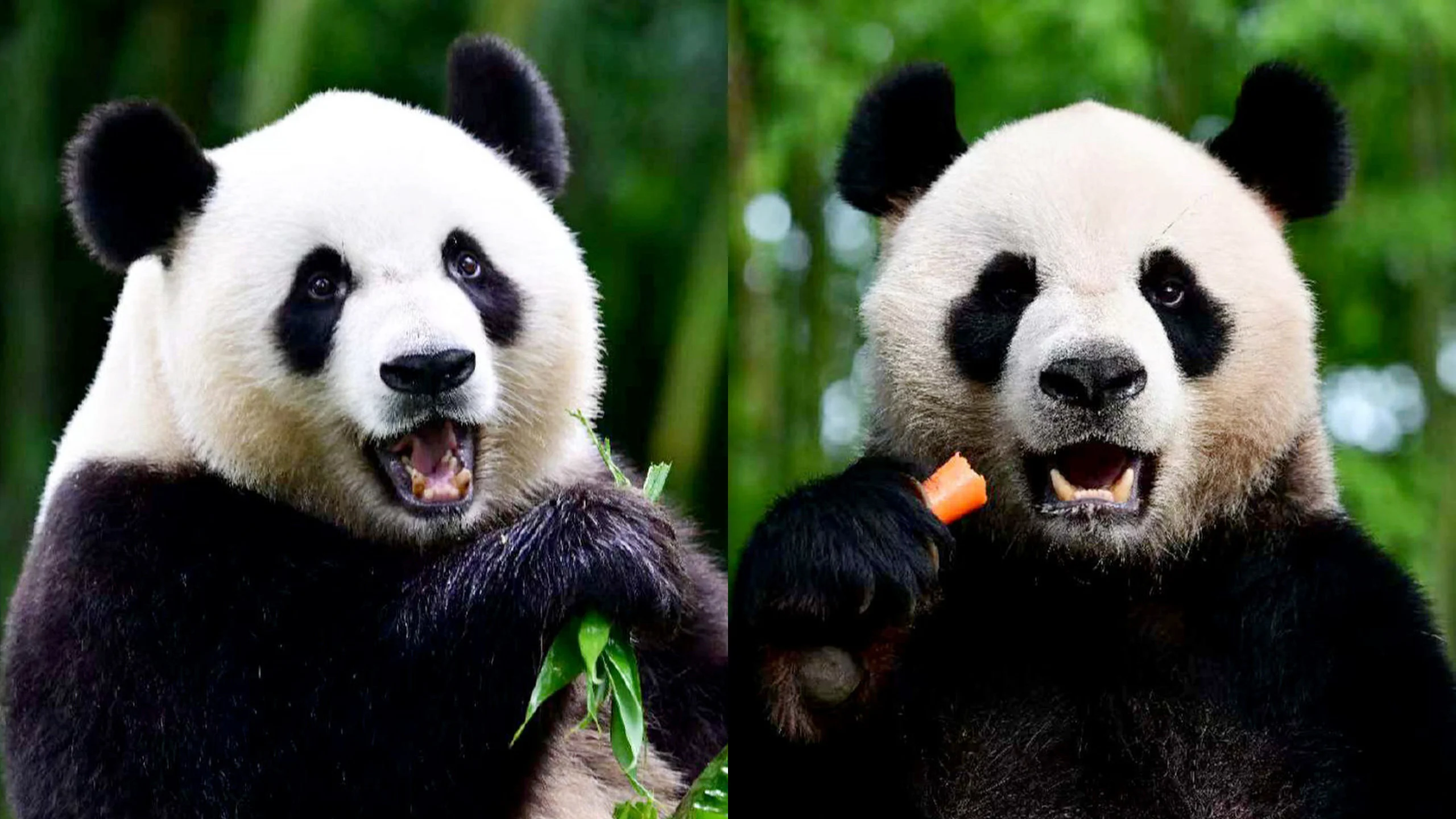
In an unusual turn of events, Hong Kong authorities spent a staggering Rs 76 lakh ($90,028) earlier this year on Panda Renaming Contest of two giant pandas, only to keep their original names in the end.
This has sparked discussions about the appropriate use of taxpayer money, with critics questioning the decision to proceed with the contest in the first place.
Despite the large sum spent on the competition’s infrastructure, advertisements, and prizes, the renaming effort ultimately yielded little change.
Panda Renaming Contest: A Public Initiative
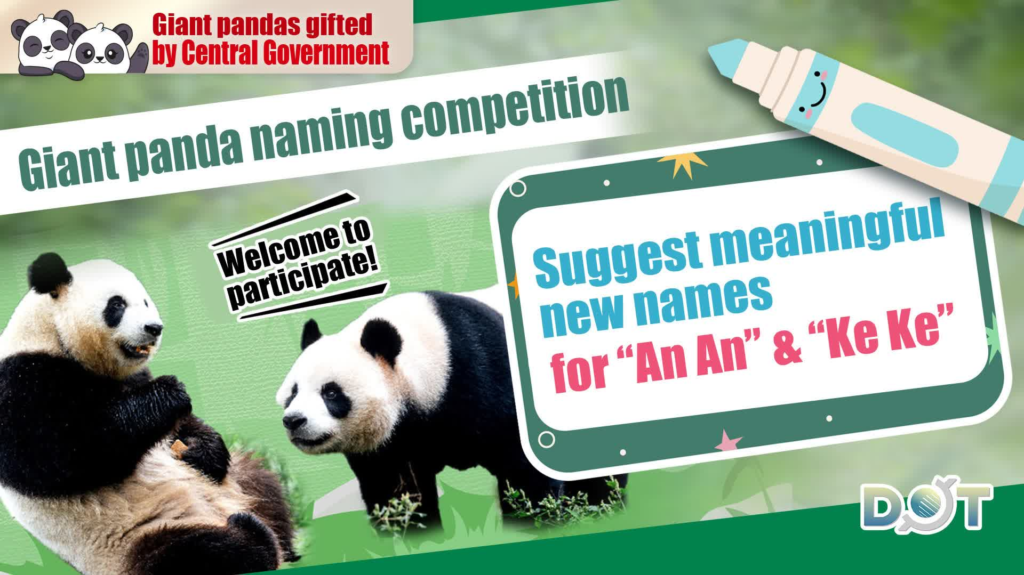
In October 2024, the Hong Kong authorities launched a contest to rename two giant pandas – “An An” and “Ke Ke” – which had been gifted to the city by China.
These pandas, both around five years old (the equivalent of 15 in human years), had arrived in Hong Kong in September amidst much fanfare. The renaming competition was pitched as an opportunity for the public to get involved and leave their mark on the names of the beloved animals.
Read : Cuddly Giant Pandas Population in China Rises
The giant pandas had arrived from Sichuan, China, and their arrival was widely covered in the media. A glittering ceremony at the Hong Kong International Airport saw the welcome of these iconic animals by Hong Kong’s Chief Secretary Eric Chan Kwok-ki and Tourism Minister Kevin Yeung Yun-hung.
Read : Outrage at Chinese Zoo for Painting Dogs to Look Like Pandas
The spectacle around their arrival made it clear that the pandas would become key attractions at Hong Kong’s Ocean Park, which planned to leverage their presence to draw in more visitors.
But what seemed to be an exciting opportunity for the public to engage with a major event turned into a financial debacle. The Culture, Sports, and Tourism Bureau, which is responsible for the competition, spent an eye-watering sum of Rs 76 lakh ($90,028) on a variety of costs related to the renaming campaign.
Taxpayer Money Spent on an Unnecessary Contest
The authorities spent money on multiple aspects of the renaming campaign, with the aim of encouraging the public to get involved in a fun and lighthearted initiative.
According to the South China Morning Post, the bulk of the funds went towards the creation of a dedicated website for the competition, the recruitment of staff to handle submissions and inquiries, advertising across various platforms, and providing promotional materials.
One of the more visible efforts included advertisements posted on Hong Kong’s Mass Transit Railway (MTR) stations, which is a common medium used for citywide publicity.
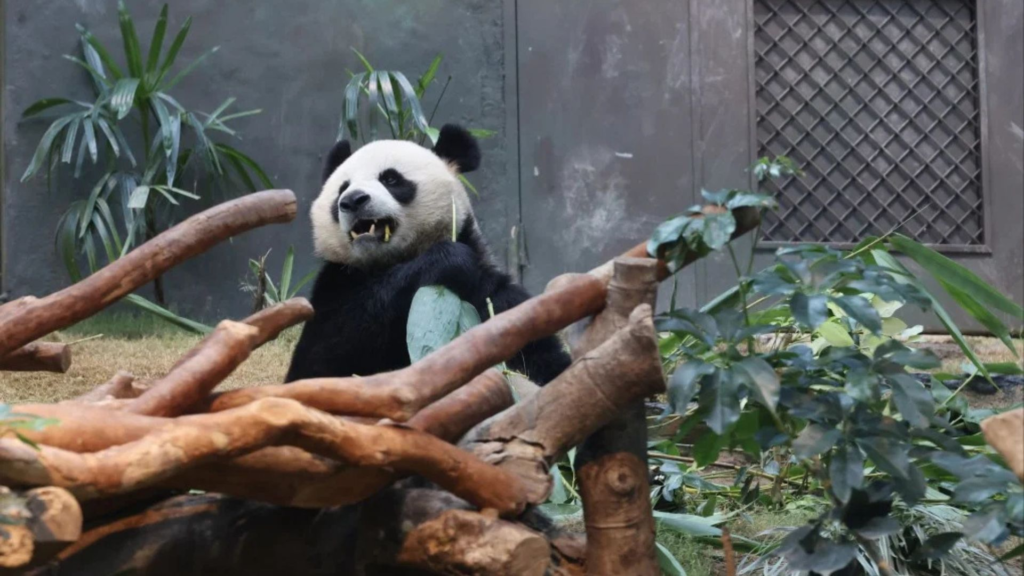
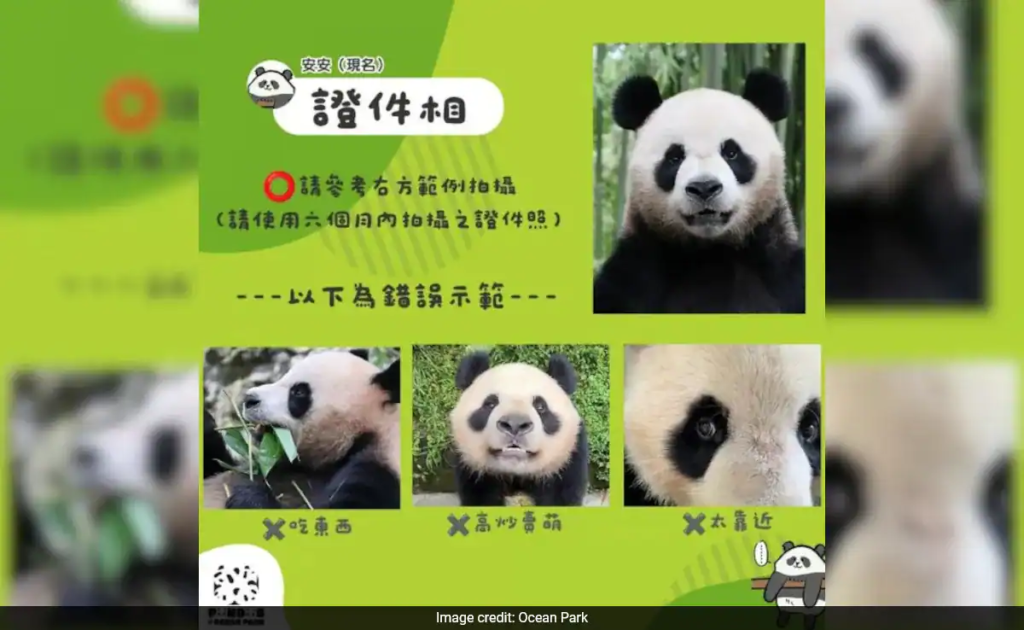
The authorities also used online platforms to drive participation, aiming to reach a broader, more diverse audience across Hong Kong. The hope was that people would submit names that were creative, meaningful, and would resonate with the public.
To incentivize participation, the authorities offered prizes worth Rs 5.16 lakh ($6,000) to the winner of the renaming competition.
The grand prize included an elegant tourbillon watch worth around Rs 4 lakh ($5,000), as well as a membership and vouchers for Ocean Park, where the pandas are housed. This prize package was intended to encourage more people to engage with the competition and submit their ideas.
Despite these lavish prizes and a significant financial commitment to the campaign, the outcome of the contest surprised many. The public overwhelmingly preferred the pandas’ original names, “An An” and “Ke Ke,” and the renaming effort was ultimately abandoned.
This decision raised questions about the transparency and effectiveness of the entire process, particularly given the substantial amount of public money that was spent on the initiative.
The Backlash: Questions about Fiscal Responsibility
The public’s choice to retain the original names was an unexpected outcome that left many questioning the value of the renaming competition. While the competition was framed as a way for the public to engage with the giant pandas, the authorities did not anticipate that the public would prefer the established names over new suggestions.
Secretary for Culture, Sports, and Tourism, Rosanna Law Shuk-pui, addressed the situation by stating that the authorities could not have predicted this outcome.
She added that the public’s decision to retain the original names was not something that the organizers could have foreseen when designing the competition. However, critics were quick to point out that this unforeseen outcome reflected a larger issue of fiscal responsibility and planning.
At a time when Hong Kong faces various economic challenges, many felt that the use of taxpayer money for such a frivolous exercise was irresponsible. Critics argue that the funds could have been better spent on initiatives that would have provided tangible benefits to the community.
The competition, despite being entertaining for some, ended up as a costly and ultimately ineffective project, raising questions about the efficiency of government spending.
The decision to retain the original names of the pandas also highlighted a broader trend of Hong Kong’s relationship with its iconic animal residents. Giant pandas in Hong Kong are often named in a variety of ways: some are named after public suggestions, others retain the names given to them during their time as cubs, or are bestowed with names by the authorities themselves.
This flexibility in naming is part of what makes the renaming contest so unique, but it also highlights the lack of a clear framework for public involvement in the naming of such important cultural figures.
Pandas as Key Attractions at Ocean Park
Despite the controversy surrounding the renaming contest, the giant pandas “An An” and “Ke Ke” have become key attractions at Ocean Park, a major theme park and aquarium in Hong Kong.
Ocean Park’s chairman, Paulo Pong, expressed that the presence of the pandas would help generate revenue and attract visitors, who would likely purchase tickets or annual passes. He emphasized that the pandas were more than just animals – they were a social responsibility for the park, contributing to its long-term sustainability.
As one of Hong Kong’s most famous tourist destinations, Ocean Park heavily relies on such attractions to keep visitors coming, particularly during peak seasons like the Christmas holidays.
Given the giant pandas’ status as an internationally recognized symbol of wildlife conservation, their presence in Hong Kong has brought a renewed interest in the park. This has resulted in a surge of visitors, especially since their unveiling to the public.
While it remains difficult to put a specific monetary value on the pandas’ contribution to the park, their arrival has certainly had an impact on Ocean Park’s attendance.
The park’s leadership believes that the pandas will continue to be a major draw for tourists, ensuring steady income and further promoting the park’s mission of education and conservation.
The Bottom Line: A Costly Learning Experience
The panda renaming contest serves as a costly learning experience for Hong Kong authorities. Despite the large amount of money spent on the initiative, the end result was a reaffirmation of the pandas’ original names, which were already well known and loved by the public.
The decision to proceed with the contest and allocate such significant resources to it reflects a misjudgment in predicting the public’s preferences. In the end, what could have been an enjoyable and engaging exercise turned into an expensive and somewhat pointless endeavor.
For many, it underscores the need for better planning, budgeting, and public consultation when organizing projects funded by taxpayer money.
While the giant pandas themselves remain popular and are contributing to the success of Ocean Park, the renaming competition may go down as a reminder of how well-intentioned ideas can sometimes miss the mark.