

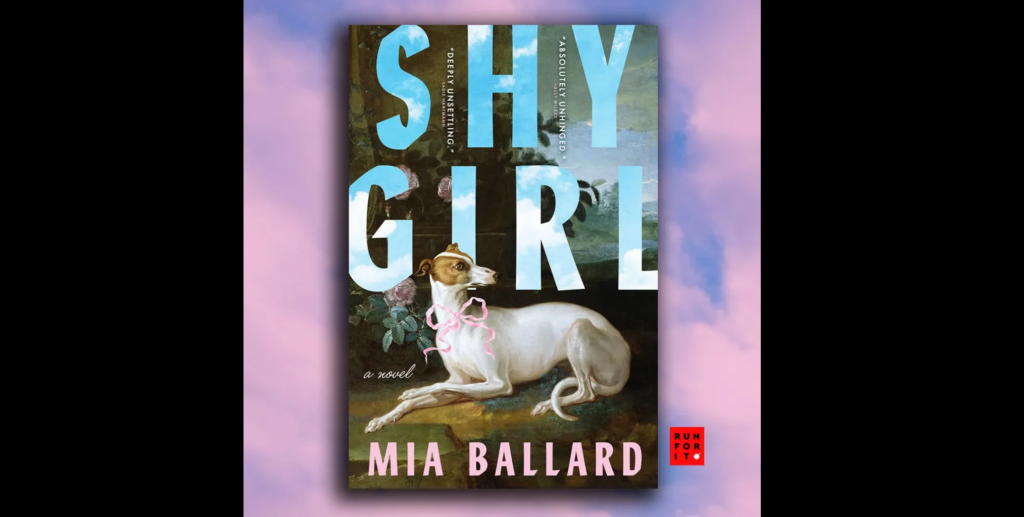
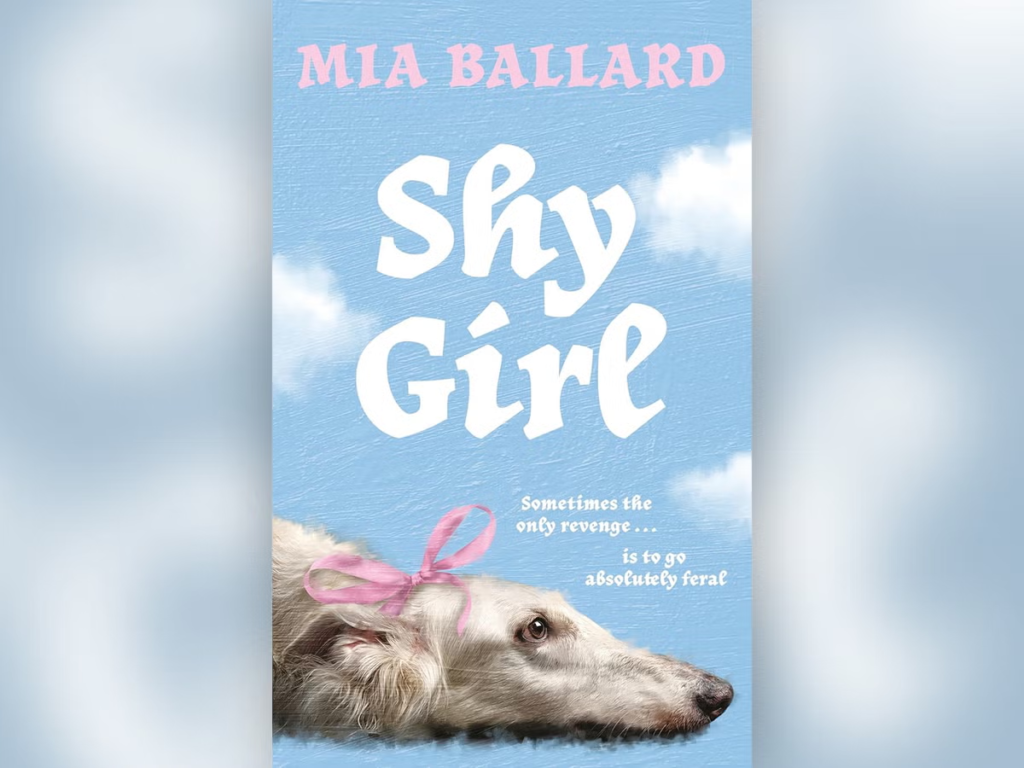
The sudden withdrawal of the horror novel Shy Girl from publication has ignited a complex and fast-evolving debate about the role of artificial intelligence in creative writing. What began as online speculation among readers quickly escalated into a high-profile publishing controversy, ultimately leading one of the largest publishing houses in the United States to halt distribution of the book entirely.
The case highlights not only the growing scrutiny faced by authors in the digital age but also the increasing difficulty of distinguishing between human and machine-generated storytelling. As accusations spread across online platforms, the situation has raised broader concerns about authenticity, accountability, and the future of literary creativity in an era shaped by rapidly advancing technology.
Rising Suspicion and the Decision to Pull the Book
The controversy surrounding Shy Girl began when readers, particularly within online communities, started to question the novel’s writing style. Discussions gained traction on forums where users pointed out patterns that they believed resembled machine-generated text. These included a consistent emotional tone throughout the narrative, repetitive stylistic structures, and an overuse of descriptive language such as adjectives and similes. Some readers argued that the prose lacked the natural variation typically found in human writing, instead maintaining a uniform rhythm that felt artificial.
As these observations circulated, they caught the attention of wider audiences and eventually reached major media outlets. Evidence compiled by journalists further intensified scrutiny, prompting the publisher to conduct its own internal review. Within a short period, the publishing division responsible for the book made the decision to withdraw it from sale. The novel was removed from major retail platforms and the publisher’s own distribution channels, effectively halting its availability to new readers.
The decision extended beyond the United States, with the book also being discontinued in the United Kingdom despite having already achieved modest sales. This swift and decisive action reflects the seriousness with which publishers are beginning to treat allegations related to AI-generated content. It also demonstrates a shift in industry priorities, where maintaining the integrity of creative work is increasingly seen as essential to preserving reader trust.
The author at the center of the controversy has denied personally using artificial intelligence in the writing process. In public statements, she suggested that external factors, including editorial involvement, may have played a role in shaping the final manuscript. However, the lack of clear evidence and the rapid escalation of public scrutiny have left many questions unanswered. Compounding the situation, the author’s online presence has largely disappeared, further fueling speculation and leaving readers without direct clarification.
The Broader Debate Around AI in Creative Writing
The Shy Girl controversy arrives at a time when artificial intelligence is becoming deeply embedded in creative industries. Tools capable of generating text, images, and even entire narratives are now widely accessible, blurring the line between human creativity and machine assistance. While some view these technologies as valuable tools that can enhance productivity and inspire new ideas, others see them as a threat to originality and artistic integrity.
In the context of literature, the use of AI raises particularly complex questions. Writing has traditionally been regarded as a deeply personal form of expression, shaped by individual experience, emotion, and perspective. The possibility that a novel could be partially or entirely generated by an algorithm challenges long-standing assumptions about authorship. It also complicates the relationship between writers and readers, who often seek authenticity and emotional depth in the works they consume.
Read : Who is Matt Schlicht, Octane AI CEO Behind Viral AI-Only Social Network Moltbook?
Critics of AI-generated writing argue that it undermines the value of human creativity by prioritizing efficiency over originality. They contend that machine-generated text, while technically proficient, often lacks the nuance and unpredictability that define compelling storytelling. The patterns identified in Shy Girl, such as repetitive structures and consistent emotional tone, are frequently cited as indicators of this limitation. For many in the literary community, these characteristics reinforce concerns that AI cannot replicate the complexity of human thought and emotion.
At the same time, proponents of AI tools emphasize their potential to democratize writing and make creative expression more accessible. They argue that such technologies can assist authors in overcoming challenges such as writer’s block, editing, and research. From this perspective, the issue is not the use of AI itself but the lack of transparency surrounding its role in the creative process. Clear guidelines and disclosure practices, they suggest, could help address ethical concerns while allowing writers to benefit from technological advancements.
The publishing industry now finds itself at the center of this debate. As gatekeepers of literary content, publishers are under increasing pressure to establish policies that address the use of AI in writing. The decision to pull Shy Girl signals a cautious approach, prioritizing the protection of traditional creative standards. However, it also highlights the absence of universally accepted rules governing AI-assisted work, leaving both authors and publishers navigating uncertain territory.
Implications for Authors, Publishers, and the Future of Literature
The fallout from the Shy Girl controversy is likely to have lasting implications for the literary world. For authors, the incident serves as a reminder of the heightened scrutiny that accompanies publication in the digital age. Even unproven allegations can have significant consequences, affecting reputations, careers, and mental well-being. The author’s own statements indicate the personal toll of the situation, underscoring the need for careful consideration in how such controversies are handled.
Read : Texas Teacher Kaci Spampinato Adopts Former Student’s Son After Facebook Plea for Help
Publishers, meanwhile, are facing new challenges in verifying the authenticity of submitted manuscripts. Traditional editorial processes are not designed to detect AI-generated content, and the tools available for this purpose remain imperfect. As a result, publishers may need to invest in new technologies and develop specialized expertise to address this emerging issue. This could lead to longer review processes and increased costs, potentially reshaping the economics of the publishing industry.
The controversy also raises important questions about reader expectations. As awareness of AI-generated content grows, readers may become more skeptical of the works they encounter. This could lead to a greater demand for transparency, with authors and publishers expected to disclose the extent to which AI tools were used in the creation of a text. Such practices could help rebuild trust but may also introduce new complexities in how creative work is evaluated.
Looking ahead, the integration of AI into literature seems inevitable. The technology is likely to continue evolving, becoming more sophisticated and harder to detect. This makes it essential for the industry to establish clear ethical guidelines that balance innovation with the preservation of artistic integrity. The Shy Girl case may ultimately serve as a catalyst for these discussions, prompting stakeholders to confront difficult questions about the nature of creativity in a technological age.
At the same time, the controversy highlights the enduring importance of human storytelling. Despite the capabilities of AI, readers continue to value the authenticity and emotional depth that come from lived experience. This suggests that while technology may transform the tools used in writing, it is unlikely to replace the fundamental human desire for connection through narrative.
The withdrawal of Shy Girl marks a significant moment in the ongoing evolution of literature. It reflects both the opportunities and challenges presented by artificial intelligence, as well as the need for thoughtful and deliberate responses from all those involved in the creation and distribution of stories.