
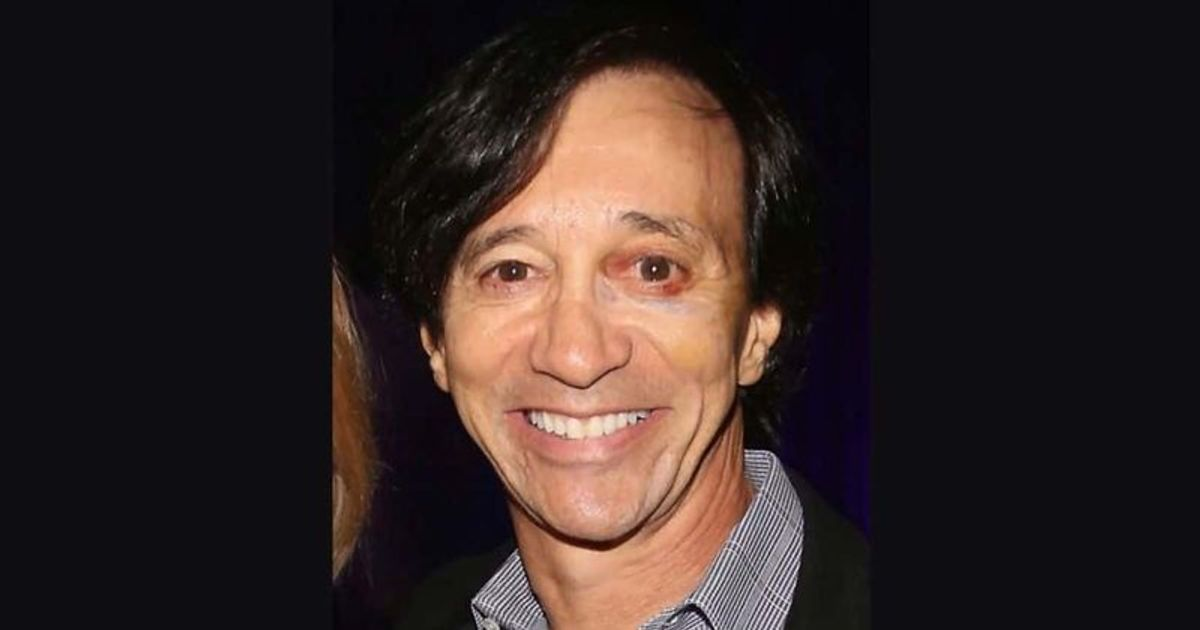
In a shocking development that has reverberated through financial and legal circles, retired Wall Street financier Howard Rubin, once a prominent figure in the high-stakes world of bond trading, faces federal charges of sex trafficking and transporting women for commercial sex acts. The 70-year-old Rubin, known professionally as “Howie” or “H,” was arrested on September 26, 2025, at his rental home in Fairfield, Connecticut, by federal authorities.
Alongside him, his longtime personal assistant, Jennifer Powers, 45, has been charged in connection with the decade-long alleged scheme. Prosecutors in the Eastern District of New York unsealed a 10-count indictment detailing a pattern of abuse that allegedly involved coercing at least nine women—identified as Jane Does 1 through 10—into violent sexual encounters from 2009 to 2019. The case, centered on a soundproofed penthouse apartment in Midtown Manhattan dubbed a “sex dungeon,” underscores the dark underbelly of unchecked wealth and power in elite financial circles.
The allegations paint a grim picture of exploitation, with federal investigators estimating that Howard Rubin and Powers spent over $1 million of Rubin’s funds to orchestrate the operation. This included recruiting vulnerable women, often those with histories of addiction or prior sexual abuse, arranging interstate travel, and managing post-encounter complaints through nondisclosure agreements and payments. The U.S. Attorney’s Office described the scheme as a “national trafficking network” designed for “commercial sexual torture,” emphasizing that no one, regardless of status, is above the law.
Howard Rubin’s arrest comes amid prior civil lawsuits filed in 2017 by some victims, which resulted in multimillion-dollar judgments against him for violating the Trafficking Victims Protection Act—judgments he has reportedly fought to evade. Federal Magistrate Judge Peggy Kuo ordered Rubin detained without bail following his arraignment in Brooklyn federal court, citing him as a significant flight risk. Prosecutors highlighted his alleged discussions of hiring a hitman via the dark web to target women pursuing civil suits, as well as prior attempts at witness intimidation.
Authorities recovered eight cellphones during his arrest, further fueling concerns about his potential to tamper with evidence or flee. Powers, arrested in a Dallas-Fort Worth suburb, faces a separate bail hearing but is accused of playing a central role in the logistics of the abuse. If convicted on the top sex trafficking count, both defendants face a mandatory minimum of 15 years in prison and up to life imprisonment. Additional charges of bank fraud against Howard Rubin carry a maximum of 30 years.
From Bond Trading Icon to Shadowy Operator
Howard Rubin’s ascent in the cutthroat world of 1980s Wall Street reads like a chapter from a financial thriller. Born in Massachusetts to a Polaroid researcher, Rubin earned a chemical engineering degree from Lafayette College before pivoting to finance. He joined Salomon Brothers in the early 1980s, where his audacious trading style—once involving a $100 million bet on Treasury bonds—catapulted him to millionaire status overnight. This episode, detailed in Michael Lewis’s seminal 1989 book “Liar’s Poker,” immortalized Howard Rubin as a symbol of the era’s reckless ambition, earning him the nickname “Howie the Kid.” By the late 1980s, however, a rogue trade led to his termination from Salomon, a scandal that nearly toppled the firm.
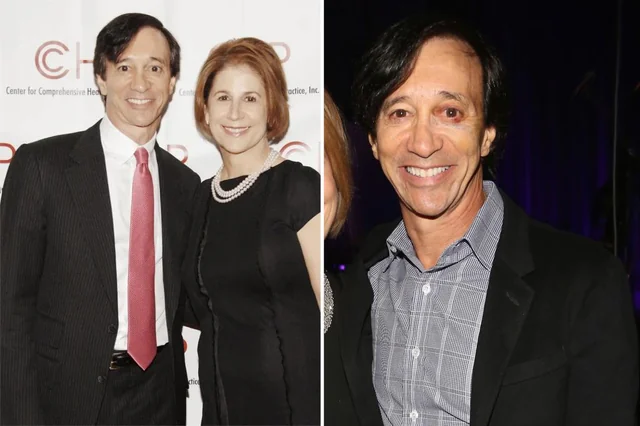
Undeterred, Howard Rubin rebounded in the 1990s, managing a portfolio for George Soros’s Quantum Fund and later launching his own ventures. He cultivated a public persona of philanthropy and sophistication, attending high-profile galas and fundraisers in New York. Photos from a 2014 event show him alongside elite donors, a far cry from the private allegations now surfacing. Behind the facade, however, prosecutors allege Rubin harbored a penchant for extreme sadomasochistic acts, using his wealth to construct an elaborate network of coercion.
Read : Amine Mojito Jailed for Stabbing Strangers with Empty Needles in Disturbing Prank Videos
The indictment notes that from 2009 onward, Howard Rubin targeted financially desperate women, including former Playboy models, promising payments for consensual encounters that quickly escalated into non-consensual violence. Rubin’s financial opacity adds another layer to his profile. During pretrial proceedings, he claimed assets of $49 million, but investigators uncovered nearly $75 million in a single Cayman Islands account in 2024—suggesting deliberate concealment of up to $40 million.
Howard Rubin, ex-NYC financier with ties to George Soros, arrested for allegedly sex-trafficking women to ‘sex dungeon’ penthouse: feds https://t.co/phrt8cBfwi pic.twitter.com/7RpWqbxmfn
— New York Post (@nypost) September 26, 2025
This alleged bank fraud, tied to structuring payments to victims in sub-$10,000 increments to evade federal reporting thresholds, underscores the methodical nature of the operation. Powers, who received no reported employment income from 2018 to 2023 yet enjoyed rent-free Manhattan housing, private school tuition for her children, and mortgage assistance from Howard Rubin, has separately been charged with her husband, Stephen Powers, in a related tax fraud case involving $9 million in undeclared funds. These revelations have tarnished Rubin’s legacy, transforming a Wall Street legend into a cautionary tale of privilege abused.
The ‘Sex Dungeon’ and a Pattern of Brutal Abuse
At the heart of the indictment lies the infamous “sex dungeon,” a converted bedroom in Rubin’s two-bedroom penthouse at The Metropolitan Tower, a luxury condominium overlooking Central Park. Leased in 2011, the apartment’s second bedroom was allegedly transformed by Howard Rubin and Powers into a red-painted, soundproofed chamber with a locked door, equipped for bondage, discipline, dominance, submission, and sadomasochism (BDSM). Prosecutors describe it as furnished with restraints, a cross for strapping victims, gags, flogging instruments, and even devices to shock or electrocute women—tools Powers reportedly purchased, maintained, and restocked using Rubin’s money.
The encounters, initially hosted in Manhattan luxury hotels from 2009 to 2011, shifted to the penthouse thereafter, continuing until at least 2019. Powers allegedly handled recruitment via online ads and personal networks, targeting out-of-state women and arranging their flights, accommodations, and payments—often via wire transfers, PayPal, or Venmo. Women were enticed with promises of $1,000 to $5,000 per session for what was pitched as light BDSM play.
Instead, the indictment details a litany of abuses: beatings causing bruises and requiring surgery, rapes while victims were unconscious from alcohol or sedatives, and ignored “safe words” due to gags or bindings. One Jane Doe recounted being strapped to a cross, flogged, and role-played with as a submissive child by a “daddy” figure Howard Rubin. Another suffered a 2018 assault in Las Vegas involving force and fraud, leaving her fearing for her life.
Prosecutors emphasize the coercive elements: Women, many with vulnerabilities, were plied with drugs like sedatives, bound in ways preventing escape, and silenced post-assault with NDAs and hush money. Powers managed “fallout,” addressing complaints and ensuring compliance, while Rubin occasionally traveled out-of-state for similar acts. The scheme’s scale—dozens of women over a decade—relied on isolation and financial dependency, with victims often too traumatized to report immediately. Federal authorities, tipped by civil suits, launched the probe, uncovering emails where Rubin detailed “dungeon” sessions in work correspondence—a chilling blend of professional and predatory life.
Legal Ramifications and Victim Support
The fallout from Rubin’s arrest has been swift and severe. Detained at the Metropolitan Detention Center in Brooklyn, he awaits trial amid heightened security due to intimidation fears. Victims, described as “universally afraid,” have prompted the FBI to establish a dedicated tip line for additional reports. The U.S. Attorney’s Office, led by Breon Peace, hailed the arrests as a victory against elite impunity, stating, “Human beings are not chattel to be exploited for sex and sadistically abused.”
Powers, released on conditions, faces parallel scrutiny in her tax fraud case, which prosecutors link directly to Rubin’s largesse. Broader implications ripple through Wall Street and beyond. The case echoes Jeffrey Epstein’s network, highlighting how wealth enables trafficking under the guise of consensual kink.
Advocacy groups like the National Center for Missing & Exploited Children have renewed calls for stricter oversight of high-net-worth individuals. For victims, the indictment offers validation after years of silence; civil wins in 2017 provided some recourse, but federal charges promise accountability. As the case unfolds, it serves as a stark reminder that financial success does not shield one from justice’s reach.