
The economic pressures reshaping American consumer behavior are increasingly affecting industries tied to everyday food consumption. As inflation and economic uncertainty weigh heavily on household budgets, many consumers have begun altering their purchasing habits, opting for lower-cost alternatives when shopping for groceries or dining out. This shift, often described by economists and retail leaders as “trading down,” reflects a broader pattern in which consumers replace higher-priced products with cheaper substitutes.
The impact of this trend is spreading across multiple sectors of the economy, particularly those dependent on discretionary spending or premium food products. Among the businesses now facing the consequences of these changing consumption patterns is Hronis, Inc., a California-based fruit producer with a long family history in agriculture. After decades of supplying fresh fruit to retailers, the company filed for Chapter 11 bankruptcy protection in March 2026. While the filing marks a significant financial challenge, company leaders have emphasized that the move is intended to stabilize operations and preserve the company’s long-standing presence in the agricultural market.
The bankruptcy filing illustrates the complex relationship between consumer economics and the food supply chain. Fresh produce companies often operate with tight margins and face unique risks compared with other food producers. Fruits and vegetables require careful handling, are highly perishable, and must be sold within limited timeframes.
When consumer demand shifts toward cheaper and longer-lasting alternatives, businesses centered on fresh produce can experience significant financial strain. Hronis’ decision to seek court protection reflects these broader pressures as well as the structural realities of modern food markets. The case also highlights how economic downturns influence dietary habits, food affordability, and the long-term sustainability of agricultural producers who specialize in fresh foods.
Changing Consumer Spending Patterns and the Rise of “Trading Down”
Across the United States, large retailers and restaurant chains have observed a noticeable shift in consumer behavior over the past several quarters. Inflation has increased the cost of many everyday necessities, forcing households to reassess how they allocate their spending. In response, many shoppers have begun seeking lower-priced goods or choosing value-focused brands rather than premium items. This phenomenon has been described by corporate executives as a growing trend of consumers “trading down” to more affordable options.
Retail and restaurant industry leaders have provided insight into how this shift is affecting different segments of the population. Higher-income households have continued to spend relatively consistently, but middle- and lower-income consumers have shown more caution. Rising prices for food, housing, and essential services have made these households more sensitive to even small price increases. As a result, many consumers are gravitating toward products that offer greater value for their money, even if those products are less nutritious or lower in perceived quality.
Food purchasing decisions are particularly vulnerable to these economic pressures. Fresh fruits, vegetables, lean meats, and whole grains often cost more than processed foods when measured in terms of calories. While fresh produce may appear reasonably priced by weight or by serving size, the cost comparison changes when consumers evaluate foods based on how filling they are. Energy-dense foods such as refined grains, sugary snacks, and processed meals tend to provide more calories at a lower price, making them appealing choices for households attempting to stretch their grocery budgets.
Read : BJ’s Restaurant & Brewhouse Files Chapter 11 Bankruptcy
In addition to price considerations, shelf life plays an important role in consumer decisions. Fresh fruits and vegetables spoil quickly and must be consumed within a relatively short period of time. Packaged foods, by contrast, can remain usable for weeks or months. For families trying to minimize waste and manage uncertain finances, long-lasting items often feel like safer purchases. These practical considerations can lead shoppers to reduce their purchases of fresh produce, even if they recognize the health benefits associated with those foods.
Read : Air Pollution Killed 135 Million People in Last Four Decades
Economic downturns have historically influenced dietary habits in similar ways. During previous recessions, studies found that households often reduced their consumption of fresh foods while increasing their intake of refined grains, added sugars, and fats. Such changes can occur not only because of price differences but also because processed foods provide convenience and stability when budgets are tight. These patterns illustrate how macroeconomic conditions can directly influence public health by shaping what people choose to eat.
Economic Pressures on Fresh Produce Businesses
The agricultural sector is particularly sensitive to changes in consumer demand, and companies specializing in fresh produce face unique challenges when economic conditions shift. Unlike manufacturers of packaged goods, fruit growers must deal with natural production cycles, weather conditions, and the biological realities of farming. Once crops are planted and harvested, they must be sold quickly before spoilage occurs. This means producers have limited flexibility when demand weakens.
Fresh fruit producers also face high operational costs. Growing, harvesting, packing, and transporting fruit requires specialized equipment, labor, and infrastructure. Refrigeration, storage facilities, and distribution networks must be maintained to ensure that produce reaches retailers while still fresh. When consumer demand softens or prices fall, these fixed costs can quickly place pressure on a company’s financial stability.
Another factor affecting fruit producers is the volatility of agricultural markets. Weather events, disease outbreaks, and fluctuating global trade conditions can all influence crop yields and pricing. Even in favorable conditions, profit margins may remain narrow. When external economic factors reduce consumer demand for fresh fruit, producers can find themselves in a difficult position, facing both declining revenue and ongoing operational expenses.
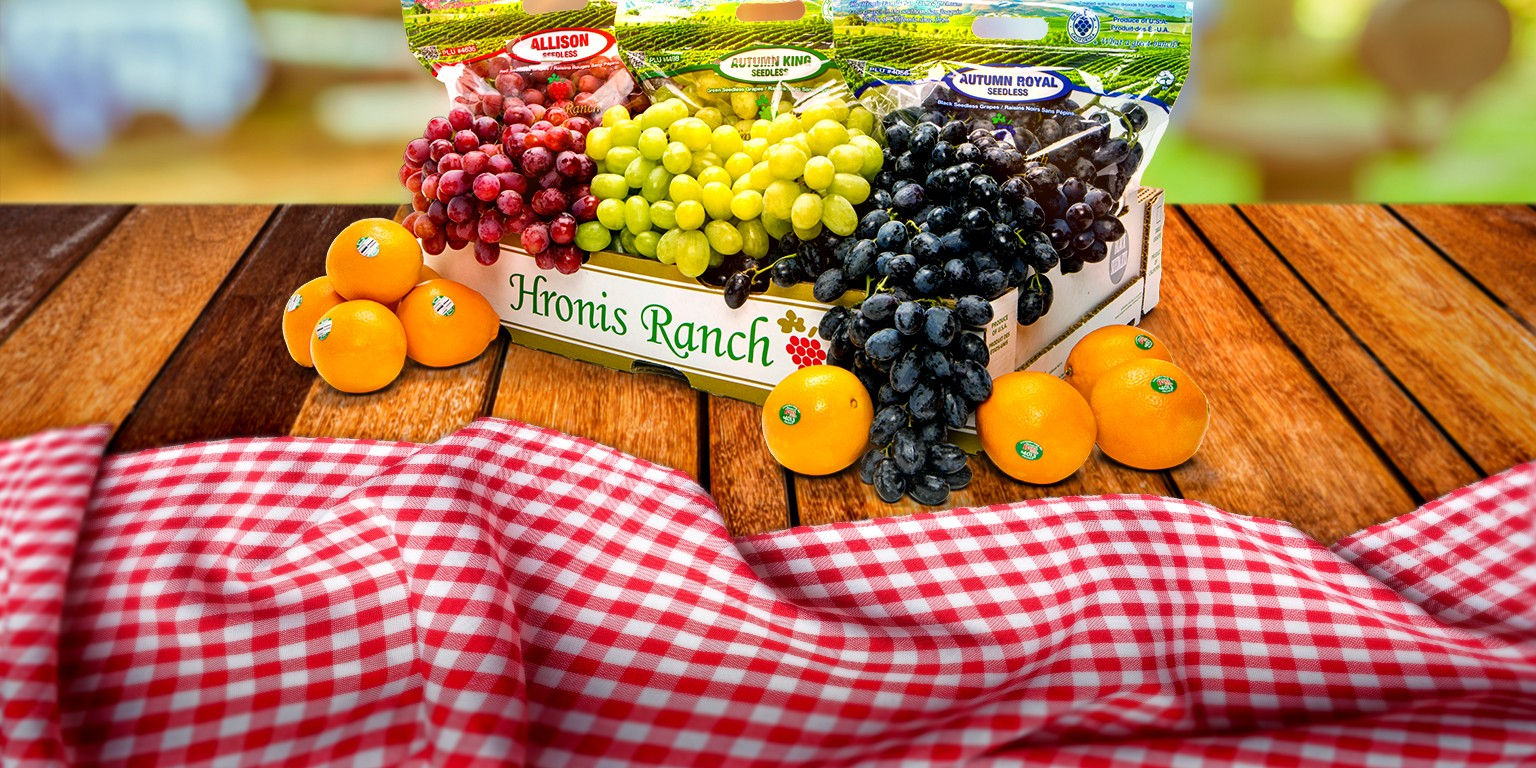
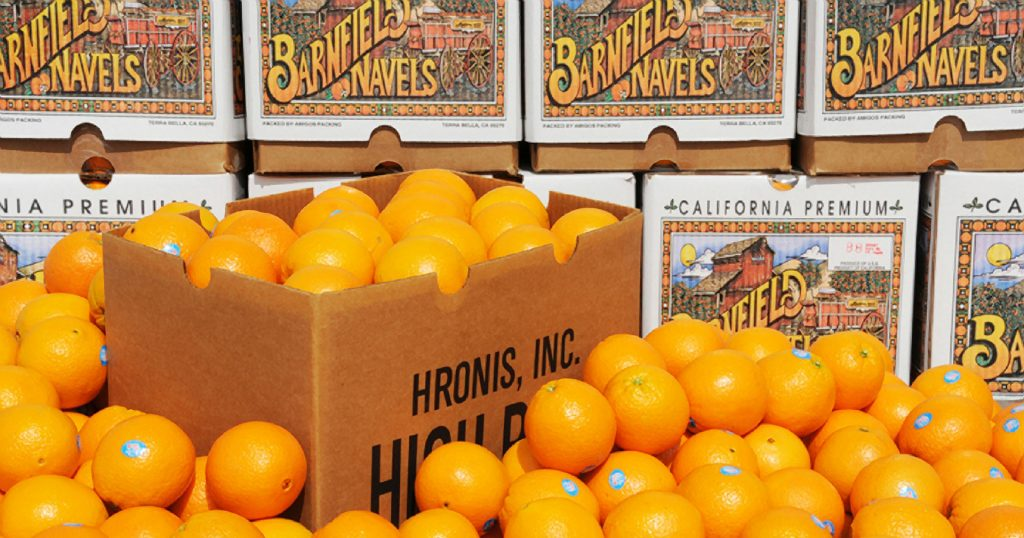
For companies like Hronis, which have built their businesses around supplying fresh grapes, citrus, and other produce, these pressures can accumulate over time. If sales volumes decline or distribution contracts change, the financial impact can be significant. In addition, large grocery retailers often possess considerable bargaining power when negotiating prices with suppliers. This dynamic can further compress margins for growers and producers, especially when retailers themselves are attempting to offer lower prices to attract cost-conscious shoppers.
The broader shift toward cheaper food alternatives also raises concerns about the long-term sustainability of fresh produce agriculture. If consumers consistently choose lower-cost processed foods, producers may struggle to maintain stable demand for fruits and vegetables. Over time, this could influence how farmland is used and how agricultural businesses plan future production cycles.
Hronis’ Bankruptcy Filing and Plans for the Future
Against this economic backdrop, Hronis, Inc. filed for Chapter 11 bankruptcy protection on March 6, 2026, in the United States Bankruptcy Court for the Eastern District of California. The filing includes the parent company along with several affiliated entities in what has been described as a multi-debtor case. Court documents estimate the company’s assets and liabilities to each fall within a range of approximately $50 million to $100 million, indicating a substantial financial restructuring effort.
Company leadership has emphasized that the Chapter 11 filing is intended to provide stability and flexibility rather than signal the end of operations. Chapter 11 bankruptcy allows businesses to reorganize their finances while continuing to operate, giving them an opportunity to renegotiate debts, restructure obligations, and explore strategic alternatives. For agricultural businesses, this process can be especially important because it enables them to maintain production and supply commitments while addressing financial challenges.
Read : Charles & Colvard Files for Chapter 11 Bankruptcy
Executives at Hronis have highlighted the company’s long history in the agricultural industry, noting that the business has been producing and distributing fresh fruit since 1945. Over the decades, the family-run enterprise developed relationships with retailers and distributors across the United States. Maintaining these relationships and ensuring consistent supply remains a key priority during the restructuring process.

The company has indicated that it plans to continue normal operations throughout the upcoming growing season. According to statements from company representatives, Hronis intends to proceed with harvesting, packing, and shipping grapes as originally planned for the 2026 season. Maintaining production is essential not only for the company’s revenue but also for the farmers, workers, and distribution partners connected to its supply chain.
Support from the company’s senior lender is expected to play an important role in the restructuring effort. Lender cooperation can provide the liquidity necessary to sustain operations while the company develops a long-term financial strategy. Chapter 11 proceedings often involve negotiations with creditors, potential asset restructuring, and exploration of new investment or partnership opportunities.
Leadership within the company has sought to reassure customers and industry partners that the bankruptcy process should not disrupt supply. The goal, according to company statements, is to preserve the family legacy of the business while positioning it for future success. Executives have emphasized that bankruptcy can serve as a strategic tool that allows companies to stabilize operations and adapt to changing market conditions.
The outcome of the restructuring will likely depend on several factors, including the company’s ability to manage costs, maintain demand for its products, and secure financial support during the reorganization period. The broader economic environment will also influence the company’s prospects. If consumer spending stabilizes and demand for fresh produce strengthens, companies like Hronis may find greater opportunities to rebuild their financial footing.
The situation surrounding Hronis illustrates the interconnected nature of consumer behavior, agricultural production, and corporate finance. When households adjust their spending habits, the effects ripple throughout the entire food supply chain, from farmers and growers to distributors and retailers. Economic downturns can therefore shape not only what people buy at the grocery store but also the long-term viability of businesses that provide those products.