
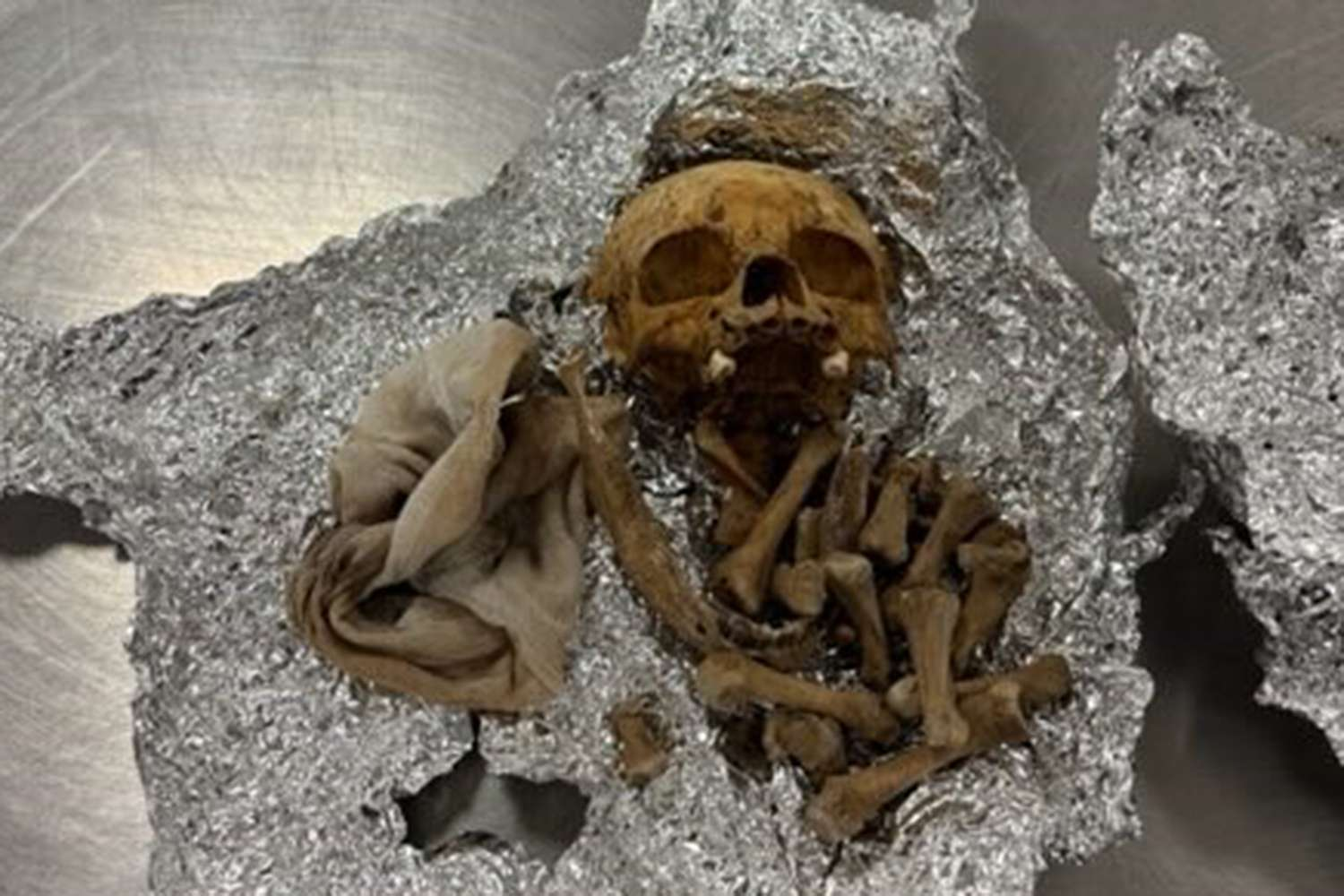
On September 18, 2025, an alarming incident unfolded at Tampa International Airport when authorities discovered a passenger attempting to transport a human skull and bones in their luggage. The remains, which the passenger claimed were intended for ritual purposes, were promptly confiscated and destroyed due to significant health and safety concerns. This unprecedented event has sparked discussions about airport security protocols, cultural practices, and the handling of human remains in air travel.
The Incident at Tampa International Airport
The discovery occurred during a routine security screening at Tampa International Airport, one of Florida’s busiest travel hubs. Transportation Security Administration (TSA) officers detected unusual items in a passenger’s carry-on luggage through X-ray imaging. Upon closer inspection, the items were identified as a human skull and several bones, carefully packed within the bag. The passenger, whose identity has not been disclosed, explained to authorities that the remains were intended for use in religious or spiritual rituals, though specific details about the nature of these rituals were not publicly released.
TSA agents immediately alerted local law enforcement and the airport’s health and safety team. The passenger was detained for questioning, and the remains were isolated for further examination. According to airport officials, the bones appeared to be of human origin, raising immediate concerns about their source, legality, and potential health risks. The passenger claimed the remains were legally obtained, but authorities noted that no documentation or permits accompanied the items, which is a critical requirement for transporting human remains under U.S. law.
The incident caused a temporary disruption at the security checkpoint, with travelers experiencing delays as officials managed the situation. Tampa International Airport issued a brief statement acknowledging the incident and emphasizing their commitment to passenger safety. The event has since drawn significant attention due to the unusual nature of the items and the swift response by authorities.
Health Risks and Destruction of the Remains
The decision to destroy the human skull and bones was driven by serious health and safety concerns. Human remains, even if cleaned or processed, can pose significant biohazard risks if not properly handled or certified. According to the Centers for Disease Control and Prevention (CDC), human remains may carry pathogens or infectious agents, particularly if their origin and handling history are unknown. In this case, the lack of documentation and the uncertain provenance of the bones heightened concerns about potential contamination.
Airport health officials, in consultation with the CDC, determined that the remains could not be allowed to proceed through the airport or be returned to the passenger. The primary concern was the risk of disease transmission, which could endanger other travelers, airport staff, and the public. Additionally, the absence of proper permits violated federal regulations governing the transportation of human remains, which require specific documentation to ensure compliance with health and legal standards.
To mitigate these risks, the skull and bones were destroyed in a controlled manner by a specialized biohazard disposal team. This process ensured that any potential pathogens were neutralized and that the remains could not be misused or mishandled in the future. While the destruction of the remains was necessary from a public health perspective, it has raised questions about the balance between safety protocols and respect for cultural or religious practices. The passenger reportedly expressed distress over the destruction, citing the spiritual significance of the items, but authorities maintained that public safety was the top priority.
Suspected human remains used for ‘rituals’ found in traveler’s luggage at Florida airport https://t.co/sjv7kMWEQO pic.twitter.com/Bs5fDxyTeT
— New York Post (@nypost) September 19, 2025
The incident also highlighted the complexities of handling human remains in air travel. U.S. regulations permit the transportation of cremated remains in carry-on luggage, provided they are properly packaged and declared. However, the transport of skeletal remains is subject to stricter scrutiny and requires approval from relevant authorities. The lack of clarity in this case underscores the need for better education and communication about these regulations, particularly for travelers carrying items for cultural or religious purposes.
Broader Implications for Travelers and Airport Security
The Tampa International Airport incident has sparked a broader conversation about the intersection of cultural practices, public safety, and airport security. For many travelers, religious or spiritual rituals involving human remains are deeply significant, often tied to ancestral traditions or ceremonial practices. However, the potential health risks associated with such items cannot be overlooked, especially in high-traffic environments like airports. This incident serves as a reminder of the importance of adhering to regulations and obtaining proper documentation when transporting sensitive items.
For airport authorities, the event underscores the challenges of balancing cultural sensitivity with stringent security and health protocols. TSA and airport staff are trained to handle a wide range of scenarios, but incidents involving human remains are rare and require specialized procedures. In response to the Tampa incident, some experts have called for enhanced training for TSA officers to better understand cultural practices while maintaining rigorous safety standards. This could include guidelines for respectfully addressing situations involving religious or ceremonial items without compromising public health.

The incident also raises questions about the sourcing and legality of human remains. While the passenger claimed the bones were intended for ritual purposes, the lack of documentation raised concerns about whether the remains were obtained through legal means. In the United States, the trade and possession of human remains are heavily regulated, with laws varying by state. Federal authorities may investigate the origin of the bones to determine if they were acquired through illicit channels, such as the black market for human remains, which has been a growing concern in recent years.
For travelers, this incident serves as a cautionary tale about the importance of understanding and complying with airport regulations. Items that may seem harmless or culturally significant to one individual can trigger significant security and health concerns in an airport setting. Travelers planning to transport unusual items, particularly those related to religious or spiritual practices, are advised to research applicable laws and consult with authorities in advance. This includes obtaining necessary permits, ensuring proper packaging, and declaring items at security checkpoints to avoid delays or confiscation.
The Tampa International Airport incident is likely to prompt a review of existing protocols for handling human remains and other sensitive items. Airports across the country may consider adopting more standardized procedures to address similar situations, ensuring that both public safety and cultural sensitivity are prioritized. Additionally, public awareness campaigns could help educate travelers about the rules and risks associated with transporting human remains, reducing the likelihood of similar incidents in the future.
In conclusion, the discovery and destruction of a human skull and bones at Tampa International Airport highlight the complex interplay between cultural practices, public health, and airport security. While the passenger’s intentions may have been rooted in spiritual or religious significance, the lack of documentation and the potential health risks necessitated swift action by authorities. This incident serves as a reminder of the importance of clear regulations, proper training, and open communication to navigate the challenges of modern air travel. As airports continue to serve as global hubs for diverse travelers, incidents like this underscore the need for policies that balance safety with respect for individual beliefs and practices.