
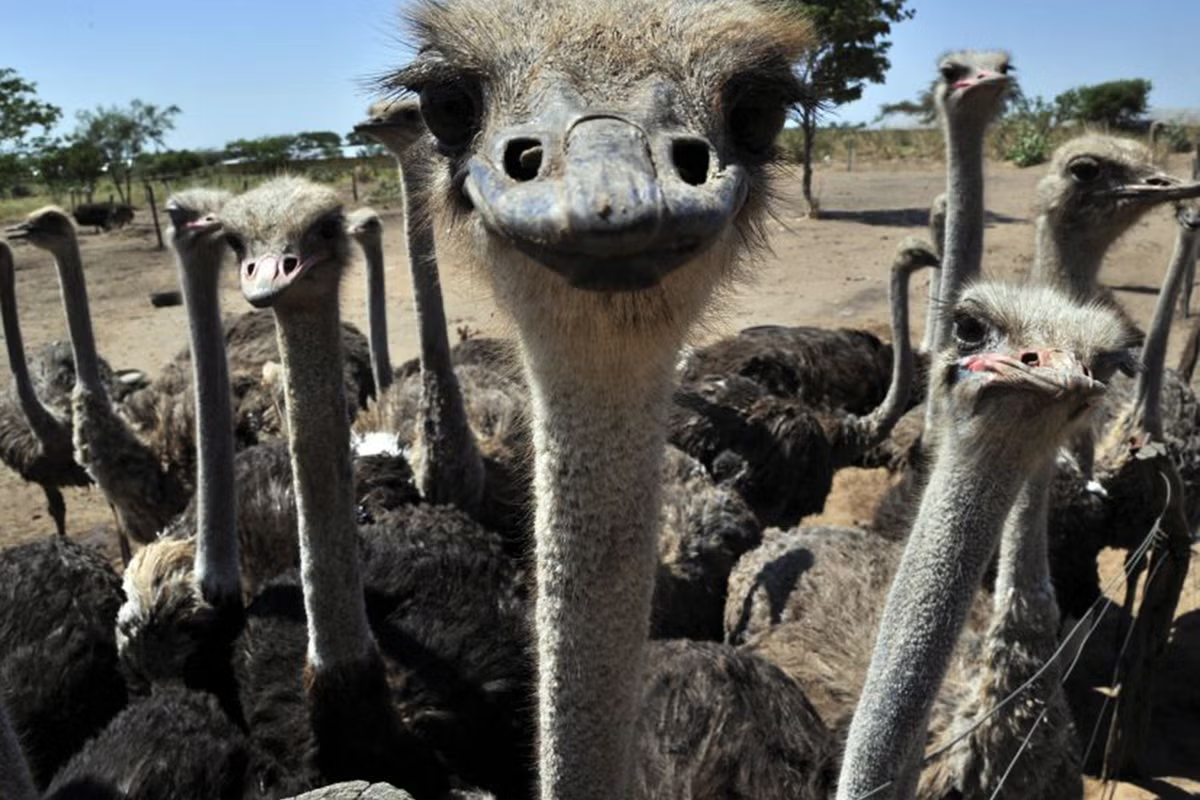
The future of hundreds of ostriches in British Columbia has become the centre of a contentious dispute involving federal authorities, animal health policies, and ethical concerns surrounding disease control practices. The Canadian Food Inspection Agency (CFIA) issued a mandate ordering the cull of the flock after a bird flu outbreak was detected at the Edgewood-based farm late last year.
The farm’s owners have contested the decision at multiple legal levels, arguing that many of the ostriches remain healthy and should not be slaughtered. However, Canada’s Supreme Court has now declined to hear an appeal on the matter, clearing the way for the CFIA to proceed with the cull. Advocates, veterinarians, and public health officials remain divided over what the ruling means for animal welfare, biosecurity, and the broader oversight of farming practices involving exotic livestock.
The case has attracted national and international attention, not only due to the scale of the cull, but also because of the involvement of high-profile public figures who have voiced opposition to the decision.
Letters of concern and offers of alternative solutions emerged as the legal proceedings unfolded, yet the government has maintained that the cull is necessary to prevent the potential spread of a highly contagious disease. The situation illustrates the tension between disease mitigation efforts and the property rights of livestock owners, as well as the emotional and ethical burdens such decisions impose on agricultural communities.
Background of the Bird Flu Outbreak and CFIA Mandate
The bird flu outbreak that triggered the CFIA intervention was detected on 31 December of the previous year, prompting immediate containment and quarantine measures. Avian influenza, often referred to as bird flu, represents a serious threat to both commercial poultry operations and wildlife populations due to its ability to spread rapidly and mutate. Although ostriches are not traditionally associated with widespread poultry farming in Canada, they are susceptible to the virus and can act as carriers, even if they show no outward symptoms.
The CFIA’s position has remained consistent: even ostriches that appear outwardly healthy may still harbour the virus, posing a risk to other birds, farms, and potentially human health. The agency assumed custody of the birds after determining that containment and monitoring on the farm would not suffice to fully eliminate the risk.
This action led to claims by the farm owners that the removal of the ostriches was unlawful and violated their property rights. The Royal Canadian Mounted Police assisted in the removal, which further escalated tensions between the owners and government authorities.
Hundreds of ostriches were culled last night, after yesterday's Supreme Court decision rejected a final appeal from the farm owners.
— govt.exe is corrupt (@govt_corrupt) November 7, 2025
These birds did nothing wrong. They were not sick. Govt only did this to send a message. This is not right.
Canada has become a horrible place. pic.twitter.com/iE2E8j3PBw
The farm’s legal appeal sought to halt the culling process by challenging the CFIA’s authority and the interpretation of the outbreak’s severity. Although temporary relief was granted when the Supreme Court issued a stay while reviewing the case, the court’s recent refusal to hear the appeal effectively ends the farm’s legal avenues to prevent the cull through judicial means. With the stay lifted, the CFIA is now positioned to move forward with the destruction of the flock.
Public and Expert Reactions to the Court Decision
The situation has sparked significant debate among veterinarians, animal welfare advocates, farmers, and members of the public. Supporters of the CFIA’s decision argue that the risk of further disease transmission cannot be ignored, particularly in a region where poultry farming is a key part of the agricultural economy. They emphasize that bird flu has previously led to devastating losses in poultry industries worldwide, and caution that any hesitation could have far-reaching consequences. From this perspective, the cull is viewed as an unfortunate but necessary measure to ensure broader biosecurity.
However, critics argue that the CFIA’s actions represent an overly aggressive approach, especially given that many of the ostriches show no signs of illness. They question whether the science behind culling ostensibly healthy birds has been sufficiently scrutinized, and whether more targeted testing and isolation methods could be implemented instead. For the farm owners, the cull represents not only the loss of their livestock but also what they view as the destruction of animals they believe could be safely relocated or monitored.
Read : Pregnant British Teen Bella May Culley Released from Georgian Prison
The issue gained additional attention when high-profile figures weighed in. US health secretary Robert Kennedy Jr. publicly urged the CFIA to reconsider the destruction of the birds, citing concerns about the ethical and scientific basis for the decision. Dr Mehmet Oz, former television host and current administrator of the Centres for Medicare & Medicaid Services, offered a more unconventional intervention by proposing to relocate the ostriches to his ranch in Florida. Although this offer was widely discussed, such a relocation would require extensive cross-border veterinary clearances, quarantine protocols, and disease risk assessments, making the feasibility uncertain.
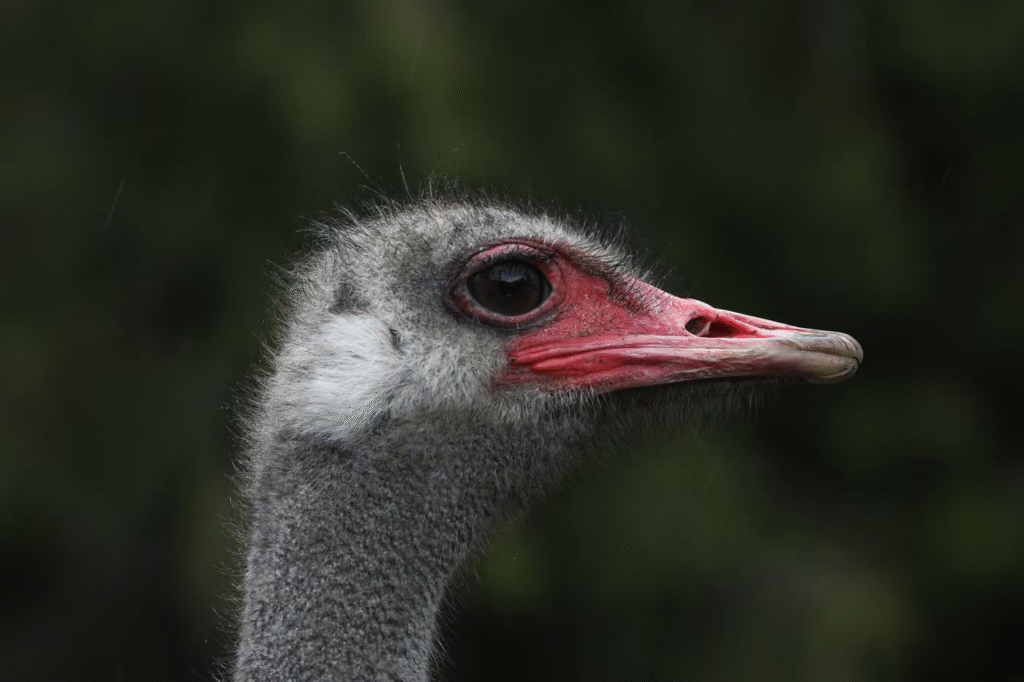
Among veterinarians and disease control experts, opinions vary. Some argue that allowing the birds to be transported, regardless of how healthy they appear, could create new pathways for viral spread. Others note that selective sampling, robust containment, and prolonged observation could yield safer outcomes than a mass cull. The lack of unified consensus reflects the complexities inherent in managing disease outbreaks where both economic stakes and emotional considerations are high.
Implications for Animal Welfare, Farming Practices, and Policy
The case highlights broader questions about how governments manage disease outbreaks in livestock and exotic farm animals, as well as how much weight should be given to animal welfare and property rights in emergency public health scenarios. Mass culling has long been a standard method of disease containment in agriculture, most notably in outbreaks involving poultry and cattle.
Read : Last Four Goats Living on Brean Down Culled by The National Trust Due to Poor Health
However, increasing public awareness and shifting ethical perspectives toward animals have led to growing resistance to such approaches, particularly when animals appear healthy or when alternative solutions might be possible.
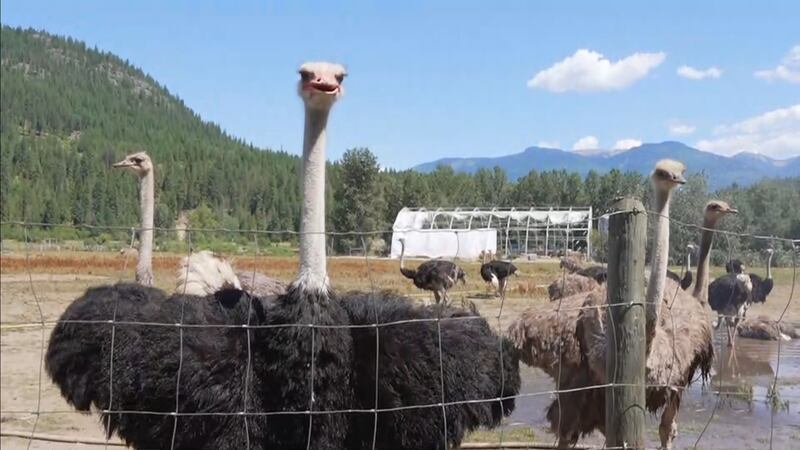
The situation also underscores the regulatory challenges associated with farming non-traditional livestock species such as ostriches. Unlike conventional poultry farms, ostrich farms operate on different scales, husbandry practices, and market dynamics. Regulatory frameworks originally designed for chickens and turkeys may not always translate seamlessly to other species, raising questions about whether updated policies are necessary to address the unique conditions of exotic livestock agriculture.
The emotional impact on the farm owners also cannot be overlooked. For many small and independent farmers, livestock are not merely economic assets but represent years of investment, care, and attachment. The loss of an entire flock has financial, psychological, and cultural ramifications that resonate beyond the immediate incident. This dynamic has contributed to public sympathy for the farmers, even among those who understand the public health concerns involved.
As the CFIA prepares to carry out the cull, attention will likely shift to how the aftermath is managed. This includes potential compensation for the farm owners, assessments of how effectively the cull contained the disease, and discussions about possible reforms to outbreak response protocols. Whether policymakers choose to pursue changes to current practices will depend on the ongoing dialogue between government agencies, industry representatives, scientists, and the public.
Ultimately, the case of the ostriches in British Columbia has evolved into more than a local agricultural dispute. It reflects broader societal tensions between disease prevention and animal protection, authority and autonomy, and scientific certainty and ethical uncertainty. While the Supreme Court’s decision provides legal clarity, the questions raised by this case are likely to persist within agricultural, veterinary, and public policy circles for years to come.