
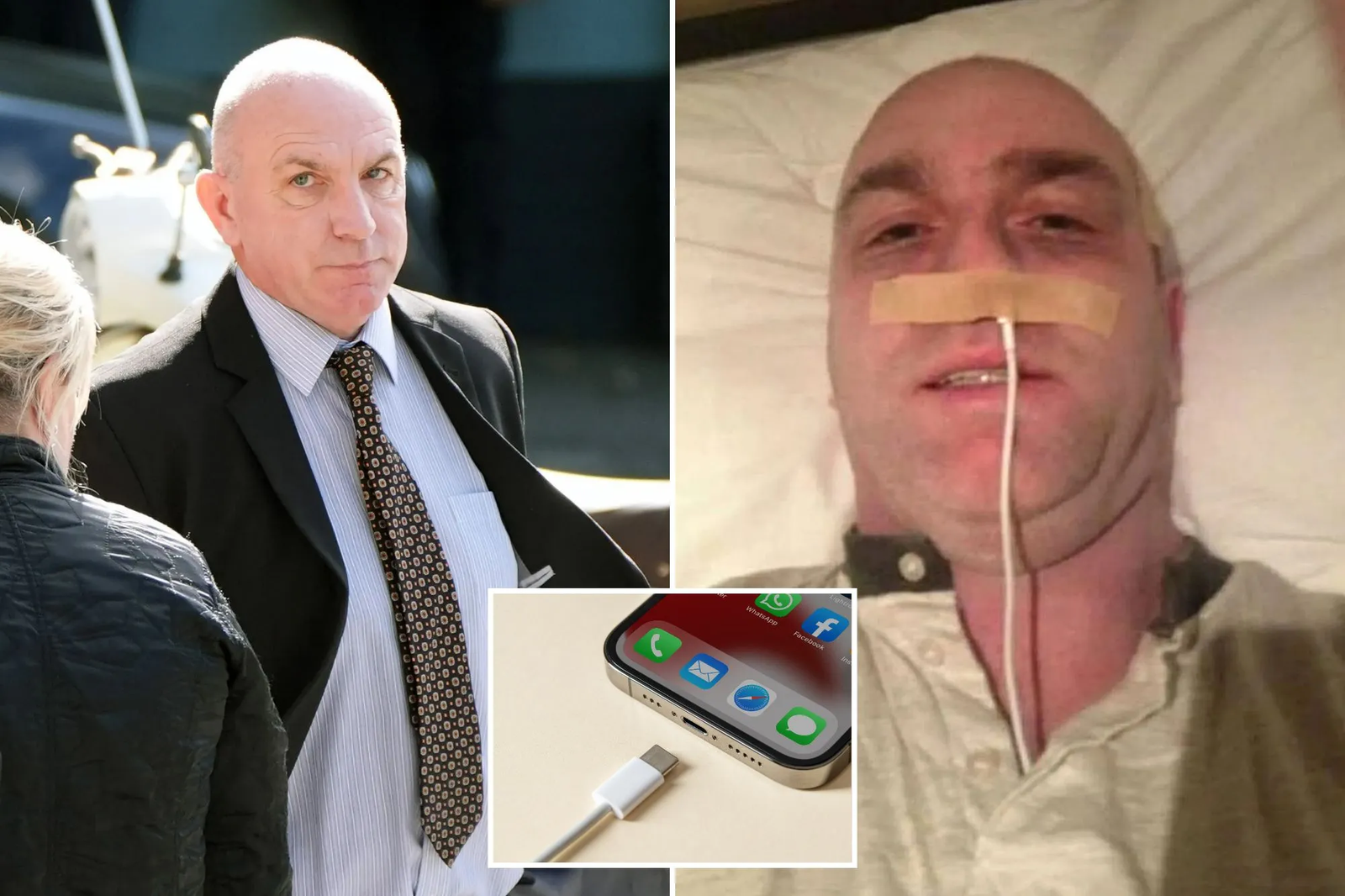
The recent sentencing of DJ Carey, once regarded as one of the most gifted hurlers in the history of the Gaelic Athletic Association (GAA), has shocked Ireland and the wider sporting community. Carey’s fall from grace is both dramatic and deeply troubling, as it centers on a lengthy deception in which he falsely claimed to have cancer and solicited financial support from those closest to him. For years he was celebrated as a national sporting hero, a role model for young athletes, and a symbol of Kilkenny’s hurling excellence.
Yet beneath this public legacy was a deception that targeted compassion rather than greed, drawing on the goodwill and generosity of people who believed they were helping a gravely ill man. The case has not only tarnished Carey’s once-revered reputation, it has also raised painful questions about trust, vulnerability, and the emotional power of personal claims of suffering. At the Criminal Courts of Justice in Dublin, DJ Carey pleaded guilty to multiple counts of fraud for inducing individuals to give him money under the false pretense that he required expensive cancer treatment.
The total amount gathered reached over 394,000 euros, along with an additional 13,000 dollars, of which he repaid only a fraction. Among those who gave money were friends, former teammates, acquaintances, influential figures, and members of the public who admired him. During sentencing, Judge Martin Nolan described the fraud as “reprehensible” and emphasized that DJ Carey had not preyed on greed but on empathy. Those who contributed believed they were helping a dying man maintain hope, dignity, and a chance at survival. Instead, they were deceived by someone they trusted.
The story of DJ Carey’s rise and fall offers a compelling look at the complexities of fame, personal struggle, public perception, and the consequences of breaching the emotional bonds that tie communities together. The outcome of the case, including the five-and-a-half-year prison sentence, marks the beginning of a long and difficult reckoning—not only for Carey, but for the many who once saw him as a hero.
A Sporting Icon Whose Legacy Once Shaped a Generation
DJ Carey’s legacy in the world of hurling was built on extraordinary skill, agility, and consistency. He was widely considered one of the sport’s greatest forwards, helping Kilkenny secure five All-Ireland titles during his career. He was awarded nine All-Star honors, demonstrating not only longevity but exceptional performance at the highest levels of competition. For young athletes across Ireland, DJ Carey represented discipline, passion, and commitment. His style of play was often described as graceful yet powerful, and he became a household name among GAA supporters.
When DJ Carey retired from inter-county competition in 2006, tributes poured in from teammates, rivals, journalists, and fans. He was described as an idol to aspiring hurlers, someone whose abilities elevated both his team and the broader cultural prestige of the sport itself. His involvement in coaching, mentorship, and promotional appearances further cemented his standing as not just a former athlete, but a respected ambassador for hurling.
Read : 29-Year-Old Kaelin Bradshaw Dies from Rare and Aggressive Bile Duct Cancer
This is what makes the fraud so emotionally heavy. DJ Carey was not merely a well-known figure; he was someone whom thousands grew up admiring. His status was not only athletic but cultural. When he claimed to be suffering from cancer, people responded with compassion, loyalty, and a desire to give back to someone who had given his supporters pride and joy for years. The psychological impact of the deception therefore extends beyond direct financial loss. It has left many feeling betrayed, disillusioned, and shaken in their ability to trust personal narratives of hardship.
Former Kilkenny hurler DJ Carey will be sentenced shortly for defrauding 13 people out of hundreds of thousands of euro by falsely claiming he had cancer. A judge has already warned that a prison sentence is “inevitable.”
— Virgin Media News (@VirginMediaNews) November 3, 2025
More on #VMNews pic.twitter.com/1JRpPunQpS
Judge Martin Nolan’s remarks during sentencing captured this sentiment clearly. The judge noted that while fraudsters often exploit greed, Carey exploited humanity’s intrinsic desire to help others. This inversion of moral expectation is what has made the case particularly painful. The people who helped him were not careless; they were kind.
The Deception and Its Discovery
The fraud extended over a significant period of time and involved multiple individuals from various walks of life. Carey approached acquaintances and supporters, telling them he had cancer and urgently needed funds for treatment, sometimes suggesting that the therapies were available abroad and therefore costly. Many did not question him, in part because of his public reputation and in part because of the deeply personal nature of the illness he described.
One of those who gave him money was billionaire Denis O’Brien, a prominent Irish businessman. The fact that both wealthy and ordinary individuals were deceived illustrates how convincing and emotionally persuasive Carey’s claims appeared. Cancer is a disease that evokes fear, sympathy, and a sense of immediate personal relatability. Most people have either experienced it directly or seen someone they care about struggle through it. Carey knowingly tapped into this emotional vulnerability.
Over time, inconsistencies began to emerge. Questions surrounding the truth of his illness and the use of the funds eventually triggered scrutiny. The legal process that followed involved detailed examination of bank transfers, communications, and testimonials. When Carey ultimately pleaded guilty to 10 counts of fraud, he acknowledged before the court that he had fabricated his diagnosis and misled those who offered him support.
During sentencing, the judge acknowledged that Carey has no previous criminal record and had contributed significantly to Irish sporting culture. He also recognized that Carey now faces lifelong reputational damage, public criticism, and personal hardship following his release. However, these considerations did not outweigh the seriousness of the offense. The central harm of the case was the betrayal of trust.
A Community Reckoning With Betrayal and Compassion
The emotional aftermath of the case has been felt deeply among former teammates, the hurling community, and the broader public. Many have expressed sadness rather than anger, struggling to reconcile the DJ Carey they once admired with the man who carried out this deception. The narrative surrounding him is now profoundly complicated. Supporters and observers are left to question not only his actions, but the factors that motivated them and the personal struggles he may have faced privately.
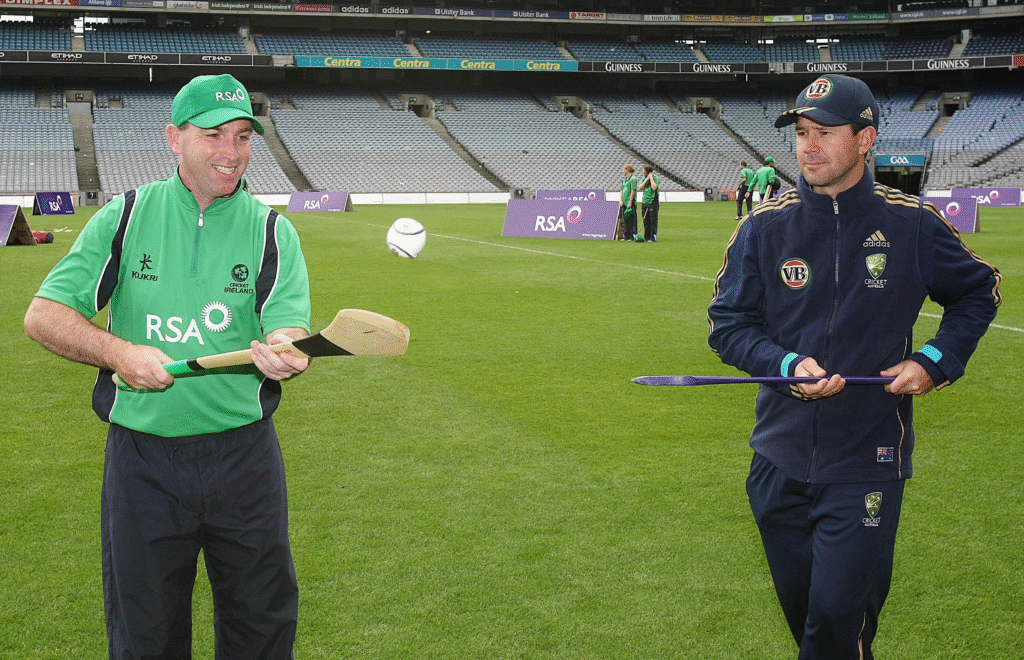
The judge acknowledged that the motivations behind Carey’s actions remain unclear. Unlike many financial crimes, this was not a scheme motivated by luxurious spending or visible self-enrichment. The lack of a clear explanation has left room for speculation, particularly concerning personal financial pressures and mental health challenges. However, the absence of an explanation has also made it difficult for those affected to emotionally process the betrayal. Without a reason, the harm feels more senseless, and therefore more painful.
Carey’s public reputation has been fundamentally altered. The judge noted that his good name “will probably never recover,” and that the impact of the conviction will follow him after his release from prison. Even if he never offends again, the trust once placed in him cannot be restored in its original form. For the GAA community, which places immense value on loyalty, unity, and collective identity, the case represents a fracture in what was once seen as an unshakeable bond.
Yet the story also brings to light a significant cultural truth. The generosity shown toward Carey demonstrates that compassion remains deeply rooted in Irish communities. People acted out of kindness. Their intentions were good. And while that kindness was exploited, it remains a source of collective strength. The pain of betrayal does not erase the value of empathy—if anything, it highlights the importance of continuing to protect it.
The sentencing of DJ Carey marks a tragic and unprecedented chapter in the history of Irish sport. A celebrated athlete who once inspired thousands now faces years behind bars for exploiting the goodwill of those who believed in him. His legacy, once defined by skill and achievement, is now overshadowed by the emotional and financial harm caused by his deception. The case serves as a reminder that trust, once broken, is difficult to restore, and that the power of personal reputation carries both privilege and responsibility.
**mitolyn reviews**
Mitolyn is a carefully developed, plant-based formula created to help support metabolic efficiency and encourage healthy, lasting weight management.