
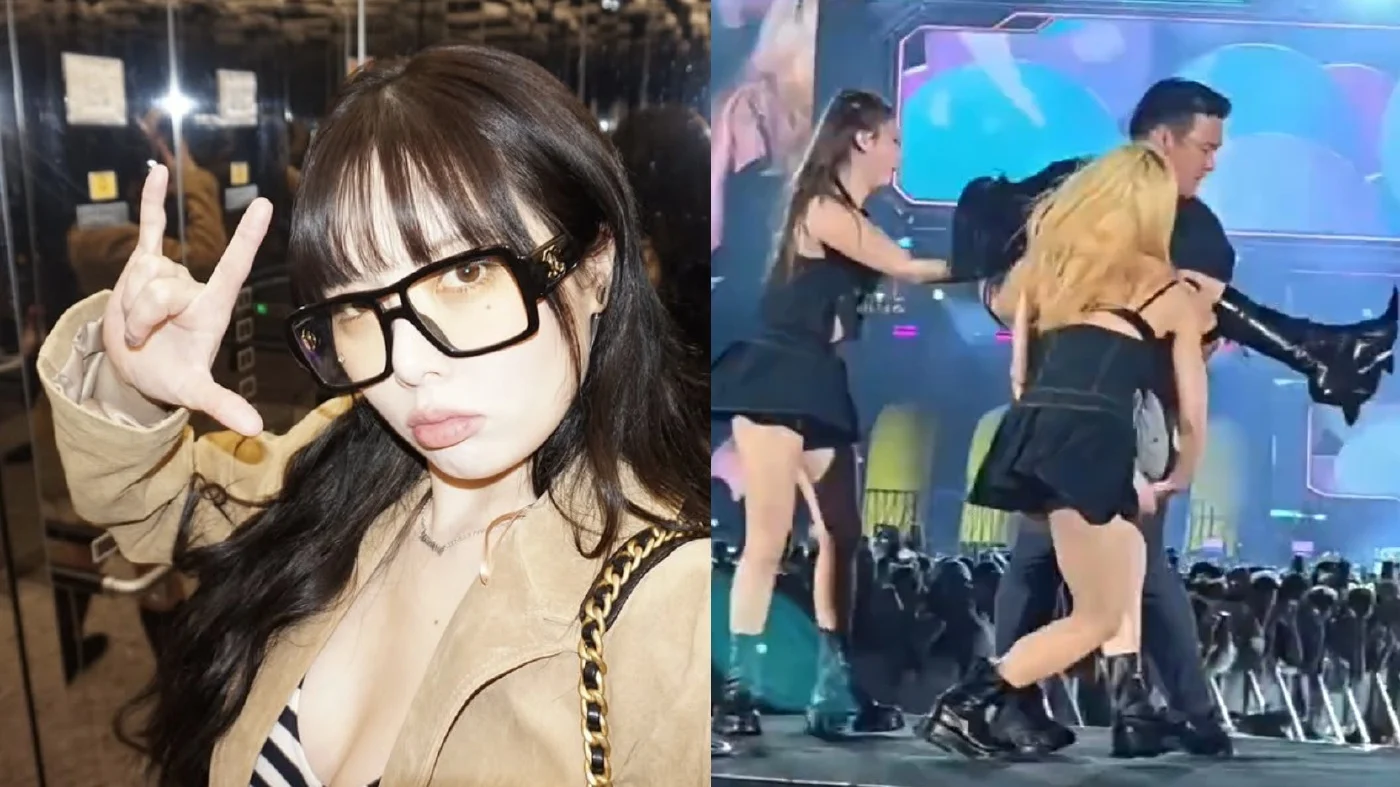
The sudden collapse of South Korean singer HyunA during her performance at the Waterbomb 2025 festival in Macau has raised serious concerns regarding the health pressures faced by artists in the K-pop industry. The incident occurred on November 9 while HyunA was performing her well-known hit “Bubble Pop!” before a live audience. The performance, which was part of a highly anticipated festival show, came to an abrupt halt when HyunA fainted and fell to the floor, leaving fans and onlookers shaken.
Backup dancers and staff quickly rushed to her side, and she was assisted off stage for immediate medical attention. In light of her recent rapid weight loss and existing health conditions, the incident has triggered renewed debate about the demanding beauty standards and pressures placed on public figures in South Korea’s entertainment world. HyunA, who has long been admired for her charismatic stage presence and bold musical style, had recently shared personal updates regarding her weight loss journey.
She acknowledged undergoing a strict diet that resulted in losing approximately 10 kilograms in a month. The transformation followed public speculation and rumors of pregnancy after her marriage in 2024. While she expressed at the time that she felt compelled to address those assumptions, the aftermath of the weight loss has been met with widespread concern, especially given her known medical history.
HyunA was diagnosed in 2020 with vasovagal syncope, a condition that causes sudden fainting due to abrupt drops in blood pressure or heart rate, often intensified by stress, exhaustion, and nutritional imbalance. The collapse at Waterbomb Macau has therefore reignited discussions around artist well-being, the pressures of maintaining a global public image, and the risks associated with extreme dieting under social scrutiny.
Intense Industry Pressures and Public Scrutiny
The collapse has brought renewed focus to the demanding beauty and fitness standards prevalent within the K-pop industry. Idols are often expected to conform to strict physical expectations that are reinforced through fan culture, entertainment agencies, media representation, and public commentary. Even minor weight fluctuations among celebrities frequently generate widespread speculation, online criticism, and gossip, pressuring artists to maintain specific appearances regardless of personal health conditions or changing life circumstances.
In HyunA’s case, the rumors surrounding her physical appearance following marriage illustrate how quickly public speculation can escalate. The assumption that her natural weight gain was linked to pregnancy demonstrates an invasive fascination with the personal lives of female celebrities. HyunA’s decision to undergo rapid weight loss was, by her own account, a reaction to public perception. While she addressed the matter openly online, sharing that she had been working intensively to control her diet, the consequences of such a regimen became apparent during her performance in Macau.
#HyunA fainted in the middle of her performance at Waterbomb in Macau. She later posted an apology to the fans who had come from far away and paid to see her, but an unexpected incident occurred. Here’s her apology post:
— 하엘뉴스! (@hlxnews) November 9, 2025
> “I’m truly sorry. I wanted to show my best, but I feel… pic.twitter.com/X7TH75hXZ8
The expectations placed on idols often extend far beyond physical health. They are trained from a young age to maintain a public image of constant excellence, emotional composure, and aesthetic precision. In some cases, the desire to meet these expectations results in sacrifices to sleep, nutrition, and mental stability. The physical strain of performing, often combined with dense tour schedules and rehearsals, can further intensify the risks faced by artists who may already be coping with underlying medical conditions.
HyunA has a long history in the entertainment industry, dating back to her early debut years, and has been open about her health challenges, including struggles with depression and panic disorder alongside her syncope diagnosis. Her transparency has resonated with many fans, but her collapse emphasizes that acknowledgement alone does not eliminate the weight of public expectation. The incident serves as a reminder that even seasoned performers with years of experience and awareness of their limitations can still find themselves overwhelmed by pressure.
Medical Context and Health Implications
HyunA’s known diagnosis of vasovagal syncope provides important context for her sudden collapse. The condition can be triggered by various stimuli, including standing for long periods, dehydration, fatigue, heat, and stress—factors that are commonly present during festival performances. The Waterbomb festival environment, known for high-energy choreography and constant motion, places additional strain on the body, especially in hot or humid outdoor conditions.
Read : Growler Pines Tiger Preserve Owner Ryan Easley Mauled to Death by Tiger During Oklahoma Performance
Medical experts have noted that rapid weight loss, particularly extreme calorie restriction, can interfere significantly with cardiovascular stability and metabolic balance. Losing 10 kilograms within one month represents a drastic change that may reduce muscle mass, lower blood pressure, and impair the body’s ability to regulate energy during exertion. When combined with performance stress and physical strain, these factors increase the likelihood of fainting spells in individuals with syncope.
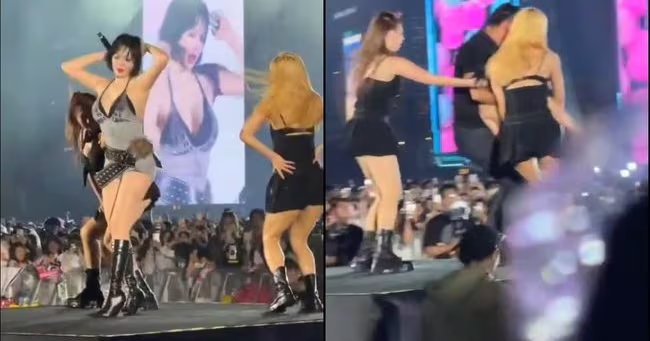
The festival setting also involves continuous movement and hydration challenges, especially for performers who may be attempting to stay visually polished throughout the show. Even small lapses in hydration can affect heart rhythm stability and blood flow, compounding the risks for someone with HyunA’s medical history. In such cases, the body may struggle to compensate for sudden shifts in posture or oxygen demand, leading to abrupt collapse.
While HyunA regained consciousness shortly after the incident and received immediate care, the event underscores the importance of monitoring health conditions in environments where physical exertion is constant. Artists with chronic conditions often rely on careful coordination between management, medical professionals, and performance planning.
However, the personal decisions surrounding diet, rest, and preparation occur within a broader cultural context that prioritizes external image and performance quality. For many entertainers, acknowledging vulnerability can feel like a professional risk, creating barriers to safer decision-making regarding health management.
Public Reaction and HyunA’s Response
The reaction from fans, fellow performers, and media outlets was swift. Supporters expressed concern and sympathy, while broader discussions emerged online regarding the pressures placed on idols to maintain specific standards of beauty and performance. HyunA’s fanbase, known as A-ings, offered messages of encouragement and urged her to prioritize rest. Many highlighted her long history of transparency and self-awareness as reasons to believe she would take steps to protect her health.
Read : Turkish Folk Singer Volkan Konak Dies Mid-Performance During Concert in Cyprus
Shortly after the incident, HyunA addressed her fans directly through an Instagram message. She apologized for the interruption, expressing that she felt she had failed to present the performance she had intended. Her statement made clear that she did not recall the moment of her collapse, indicating how abrupt and overwhelming the experience was. Despite the severity of the incident, she reassured her audience that she was “really okay” and committed to regaining stamina for future activities. Her agency, At Area, confirmed that she was resting under observation and stabilizing.

The apology reflects the cultural dynamic in which entertainers frequently feel obligated to express regret for health-related interruptions, even when such incidents are beyond personal control. The sense of responsibility toward fans is a defining aspect of idol culture, in which closeness, gratitude, and emotional reciprocity are core elements of public identity. Yet the impulse to apologize for fainting, particularly when linked to medical conditions, also highlights the internalized pressure to prioritize performance even when well-being is at stake.
Fans and commentators have responded by calling for greater awareness and support within the industry. Discussions have focused on the need for agencies to enforce health-protective practices and discourage extreme dieting, as well as the importance of shifting public attitudes that drive speculation about celebrities’ private lives and bodies. The debate surrounding HyunA’s collapse fits within a larger conversation about where responsibility lies for protecting the physical and mental well-being of artists.
HyunA remains one of the most influential performers in K-pop, known not only for her music but for her creative independence and openness about personal struggles. Her experience at Waterbomb Macau will likely contribute to ongoing examination of the relationship between public expectations, performer health, and the cultural environment that shapes idol careers. The incident has drawn attention to concerns that extend beyond any single individual, suggesting broader questions about the values and pressures embedded within the entertainment landscape.