
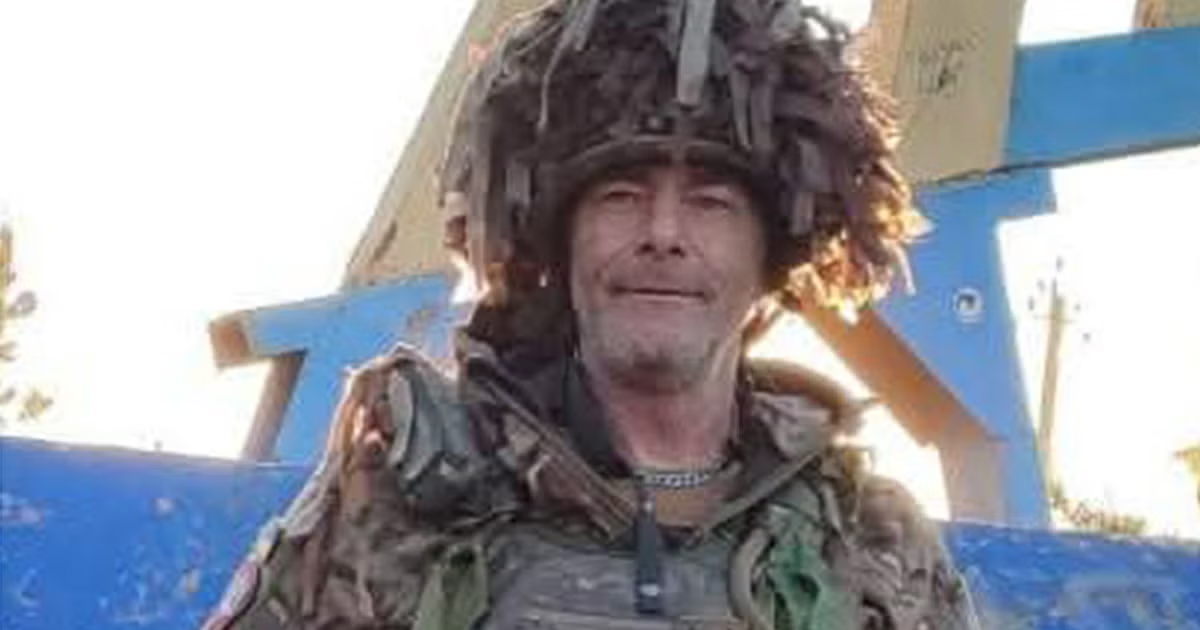
Drew Scott, a former British soldier with a distinguished military background, has been fighting alongside Ukrainian forces against Russian aggression for the past two years. In 2023, he joined Ukraine’s International Legion, a force composed of foreign volunteers committed to defending the country. Having served in some of the war’s most brutal battlegrounds, Scott has seen the reality of modern warfare up close—its dangers, its exhaustion, and its psychological toll.
His decision to join the Ukrainian fight stemmed from deeply held convictions. Born in Newcastle in 1967, Drew Scott came from a family with a long history of military service. At just 20 years old, he entered Britain’s elite Parachute Regiment, where he spent nine years, including 30 months in Northern Ireland during “The Troubles” and a deployment with peacekeeping forces in Iraq. The Russian annexation of Crimea in 2014 first drew his attention to Ukraine’s plight, but it was Vladimir Putin’s full-scale invasion in 2022 that compelled him to volunteer his military expertise.
“I came here because when I see women, children, innocent civilians being killed, injured, and maimed, I just can’t sit back and watch,” he explained. His call sign, “Caesar,” was chosen by his comrades, and while he uses his real name publicly—knowing that pro-Kremlin media have already identified him—he rejects accusations of being a mercenary. “Those I care about know I’m not here for money. I’m here because this is a fight against dictatorship and evil.”
Scott quickly rose through the ranks due to his experience, leading a mortar platoon in the east and southeast of Ukraine, where some of the fiercest fighting has occurred. He describes these areas as “all the nightmare places,” where trench warfare blends with new technological threats, especially from drones.
Life on the Frontline in Ukraine
When Drew Scott arrived in 2023, mortar positions could be camouflaged and hidden for extended periods. Now, the sky is constantly monitored by swarms of surveillance drones and attack drones. These eyes in the sky spot Ukrainian positions, calling down relentless artillery barrages and deploying First Person View (FPV) suicide drones to devastating effect.
In one recent engagement, Scott’s mortar bunker was struck after being identified by Russian surveillance. “An explosive drone came through the roof where we had our 82mm mortar in the tunnel,” he recalled. The platoon endured two hours of heavy shelling, followed by repeated drone strikes. “The soil was caving in on us. Then, boom—a great big cloud of smoke came through the tunnels into the bunker. Another explosion blew me off my feet.”
Read : PM Modi Receives Russia’s Highest Civilian Honour- Order of St Andrew the Apostle: Watch
Despite the chaos, Scott’s platoon managed to evacuate with only one serious injury. He is proud that none of his men have been killed under his command, though several have been wounded. The constant presence of drones has changed the psychological landscape of the war. “It’s a type of warfare I wouldn’t wish on anybody. The buzzing sound of a drone is there at the front all the time. It gets to you and you think, ‘is this my time?’”
Read : Who is Yulia Svyrydenko Who Nominated as New Ukraine PM by Volodymyr Zelenskyy?
This constant threat follows soldiers even during rest. “The sound of a blender in a kitchen, a lawnmower, an air-conditioner can freak you out,” he said, describing how normal life sounds can trigger memories of battlefield danger. The mental health challenges are immense, with many soldiers facing the prospect of long-term PTSD.
Political Summits and the Reality of War
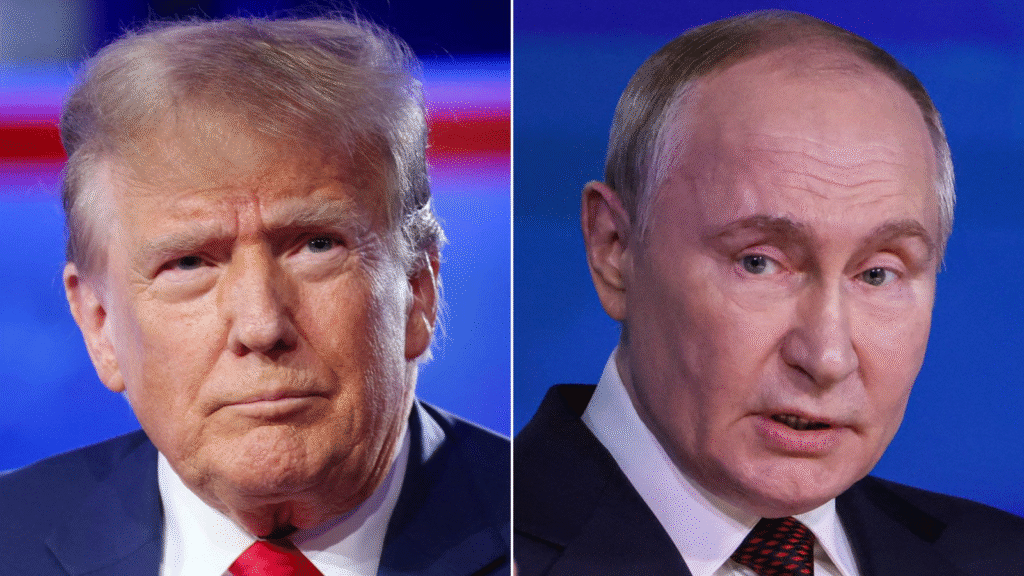
As Scott speaks from near a safe house used during breaks from frontline duty, news is circulating about an upcoming summit in Alaska between former U.S. president Donald Trump and Russian president Vladimir Putin. It will be their first face-to-face meeting in seven years, but Ukraine’s president Volodymyr Zelensky will not be attending. Kyiv maintains a firm stance—no occupied territory will be ceded to Russia as part of any peace deal.
For Scott and many soldiers, the summit is viewed with skepticism. “It’s a joke,” he says bluntly. “We know what ceasefires look like from the Russian side. Their mentality is to keep hammering a country with missiles until the will of the people is eradicated.”
Some believe Trump might pressure Ukraine into making territorial concessions to Russia, but Scott calls that idea “a total betrayal of the armed forces, of the guys who’ve paid the ultimate price, and of families who have suffered over the years.” His assessment of Putin is equally blunt: “Putin’s a psychotic maniac who’ll do anything to remain in power.”
While many hope for an end to the war, Scott is realistic about the timeline. “We’re in it for the long haul. Until the Russians get their troops out.” He believes that only the complete withdrawal of Russian forces can restore true peace to Ukraine.
Despite the grim conditions, Scott says the morale in his unit remains strong. The camaraderie and shared purpose sustain them, even in the face of relentless assaults. “The stamina of the people over here is strong and that’s why I love this country,” he said. “There’s only one way that peace will be restored here and that is when Russia pulls its troops from Ukraine.”
He has seen soldiers display extraordinary resilience under constant fire. The challenges are immense—drones that circle overhead day and night, artillery barrages that level entire positions in minutes, and the ever-present fear that a single buzzing sound could mean death. Yet the determination to hold the line has not faded.
Scott’s story is one of personal sacrifice, professional duty, and moral conviction. As the war grinds on, his words capture the stark difference between the realities of the battlefield and the optimism of political negotiations. For those on the front, the fight is not about diplomatic handshakes or symbolic summits—it is about survival, defense of sovereignty, and ensuring that those who have fallen have not done so in vain.
Peace, in Scott’s eyes, cannot be dictated from a conference room. It must be won, and it must come on terms that honor the sacrifices made. Until that day arrives, he and his comrades will remain, holding their ground in Ukraine’s trenches, prepared for the long war ahead.