
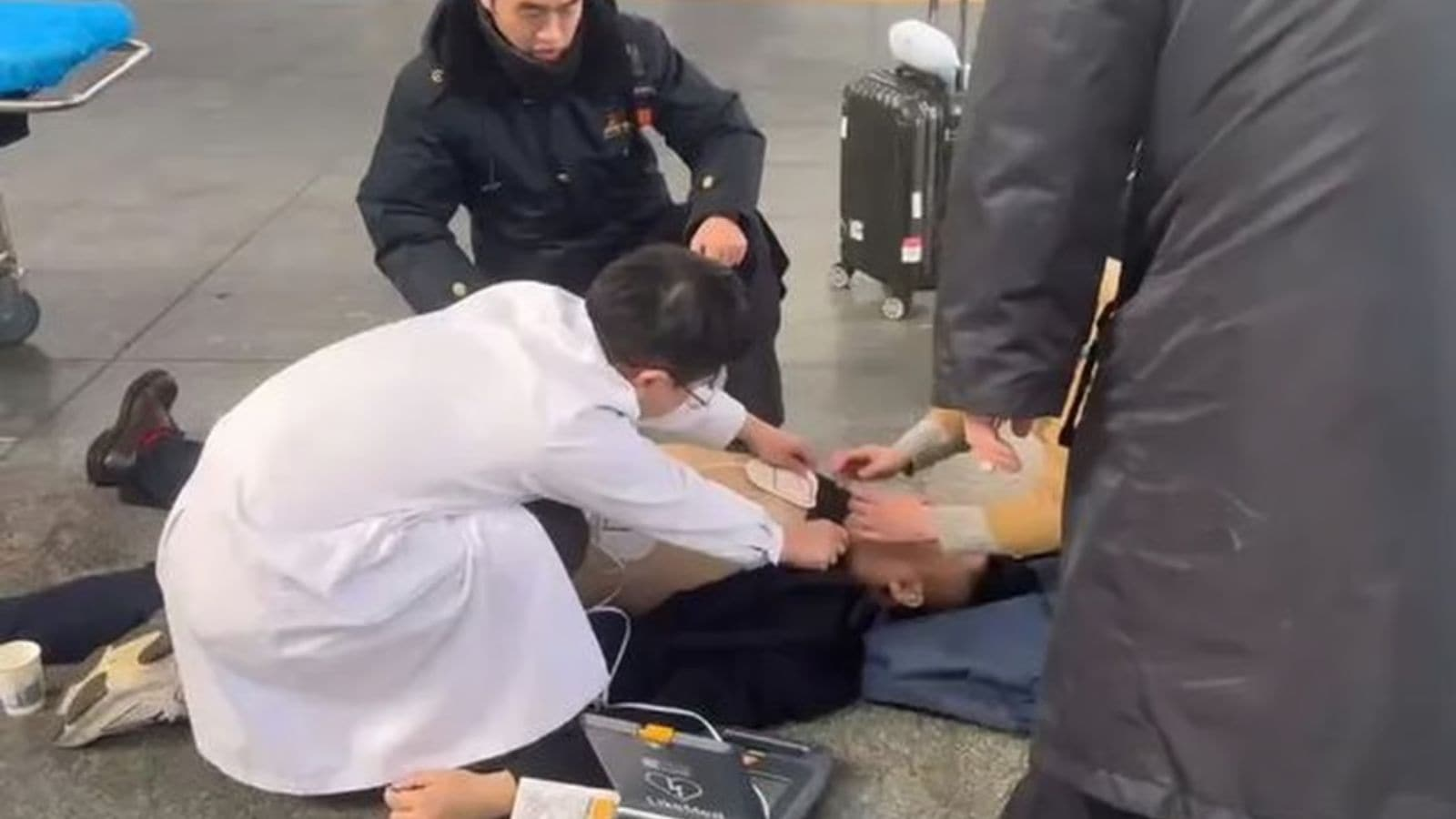
In a remarkable incident that garnered significant attention on social media, Chinese Man collapsed from a heart attack at a railway station but, upon regaining consciousness, insisted that he needed to rush to work instead of going to the hospital.
The event, which occurred on February 4th at a railway station in Changsha, Hunan province, highlighted the intense pressures faced by many workers in China, as well as the ongoing concerns over long working hours and the country’s high unemployment rates.
The Heart-Stopping Incident
The incident took place in the bustling railway station of Changsha, a city located in the central part of China. The man, aged in his 40s, was waiting in line to board a high-speed train when he suddenly collapsed, much to the shock of those around him.
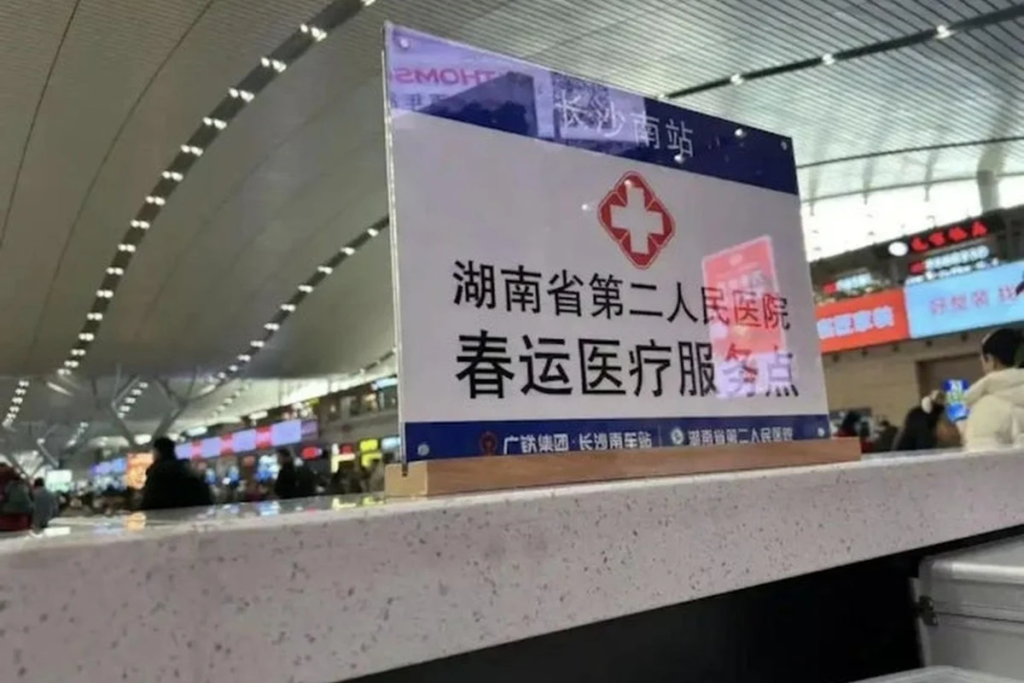
The scene quickly turned into a crisis, as concerned onlookers rushed to assist him. Railway station staff, along with a doctor who happened to be present, immediately performed emergency resuscitation efforts.
After an agonizing 20-minute wait, the Chinese Man regained consciousness. However, the first words that came out of his mouth left everyone stunned.
Rather than expressing concern about his health or asking about his condition, he insisted, “I need to take the high-speed train to go to work.” His sudden request not only surprised the bystanders but also showcased the extent to which work pressures had permeated his life.
The doctor at the scene urged the man to seek medical attention at the hospital, emphasizing that he could have suffered injuries from the fall or potentially worsened his condition.
Read : Chinese Gangsters Enslave 100 Women in Georgia for Human Egg Harvesting
Despite the doctor’s warnings, the man initially resisted, believing that it wasn’t necessary to go to the hospital. His priority, it seemed, was to catch his train and continue his workday, a sentiment that resonated deeply with many who observed the incident.
Read : US Needs Chinese Students in Humanities, Indians in Science: American Diplomat Said
It took some persuasion from those around him, but eventually, the Chinese man agreed to board an ambulance and be transported to the hospital for further evaluation. While he complied with the suggestion to go to the hospital, his initial reaction revealed much about the state of his mind and his perceived obligations toward work.
The Burden of Work Culture in China
This incident shed light on the ongoing issues of overwork and the immense pressure felt by many workers in China. The man’s reaction to his heart attack — prioritizing work over his health — was a reflection of the intense work culture that has long been ingrained in Chinese society. Many workers in the country are often caught in a cycle of long hours, job insecurity, and overwhelming financial pressures.
One of the key factors contributing to this phenomenon is the pervasive belief that hard work is a sign of dedication and success. In many industries, especially in the urban centers of China, employees are expected to work long hours, often far beyond the standard 40-hour workweek.
This practice, known colloquially as “996” (working from 9 AM to 9 PM, six days a week), has become a badge of honor for many who are caught up in the race for career advancement and financial security.

For this Chinese Man, his reluctance to seek medical attention after collapsing could be seen as an embodiment of this very culture. The notion of losing time from work, especially when it is viewed as crucial for maintaining one’s livelihood, can outweigh the concern for personal well-being.
For many, work is not just a means of making money but a way of ensuring their place in an increasingly competitive society. China’s economic transformation over the past few decades has brought both prosperity and challenges.
While the country has become a global economic powerhouse, it has also faced growing issues related to work-life balance, health problems caused by stress, and a lack of social safety nets for many workers. The incident of the man at Changsha Railway Station serves as a microcosm of these broader societal concerns.
Social Media Reaction: A Window into Chinese Society
The man’s ordeal resonated strongly with many social media users in China, sparking widespread discussions about the pressures of modern-day working life. As news of the incident spread, it garnered a range of reactions, with many people empathizing with the man’s actions and the larger context in which they occurred.
One social media user wrote, “Oh dear, he woke up and the first thing he thought of was to make money. I am so moved!” This sentiment echoed the widespread feeling that many workers in China feel compelled to prioritize their jobs above all else, even at the cost of their health.
For some, the man’s response symbolized the struggle to survive in an economy where success and financial stability often seem to come at the expense of personal well-being.
Another user commented, “He is not alone in this society. Most of us have to bear high burdens, from house loans to kids’ education. It is not easy for everyone.”

This comment reflects the economic pressures faced by many Chinese workers, especially in the context of soaring housing prices, high living costs, and the responsibilities of supporting a family. Many workers in China, particularly those in urban areas, find themselves working long hours in order to keep up with the demands of modern life.
The man’s collapse, followed by his insistence on going to work, served as a powerful reminder of how deeply work culture has penetrated Chinese society.
For some, the need to work is not just about earning money; it is a reflection of their identity and their place in society. The incident thus highlights the fine line between personal health and professional ambition, with many workers in China struggling to strike a balance between the two.
The Broader Implications: Health, Well-Being, and Economic Strain
This incident occurred against a backdrop of persistently high unemployment rates and reports of overwork in China. According to the South China Morning Post, the unemployment rate for young people aged 16 to 24 in China was 16.1% in November 2024, which, although a slight improvement from the previous month, still represents a significant challenge for the country.
This demographic, often referred to as the “lost generation,” faces intense competition in the job market, making it even more crucial for many to hold onto their positions, even at the cost of their health.
The issue of overwork and its consequences has become a growing concern in China. Cases of employees dying suddenly due to excessive work hours have frequently made headlines in recent years. In 2022, for example, an IT engineer working for a leading digital company in Shanghai collapsed and died while exercising at the gym.
The engineer, who was in his 30s, left behind a pregnant wife and a significant financial burden in the form of a home loan. His death, like the incident in Changsha, raised alarms about the toll that China’s work culture is taking on the health and well-being of its workers.
The government’s efforts to address these issues have been slow, and while there have been discussions around improving labor laws and reducing working hours, significant change has yet to materialize. The high demand for workers in certain sectors, combined with economic pressures, continues to drive many individuals to sacrifice their health for the sake of their jobs.
The incident at Changsha Railway Station serves as a poignant reminder of the intense pressures faced by workers in China. The man’s heart attack, followed by his immediate focus on work, encapsulates the difficult choices that many individuals in the country must make every day.
With a high cost of living, mounting debt, and fierce competition in the job market, the pressure to perform and succeed can often outweigh concerns about personal health.
As the conversation surrounding overwork and its impact on mental and physical health continues to grow, it is essential for Chinese society and its policymakers to consider the human toll of this culture. A balance between work and well-being is critical not only for the future of the economy but also for the happiness and health of the individuals who drive that economy.
This incident serves as a wake-up call for both individuals and society at large to reconsider the value placed on work and the long-term consequences of an overburdened workforce. Only by addressing these issues can China hope to build a healthier, more sustainable future for its workers.